

Veromessor pseudolariversi
- Scientific Name
- Veromessor pseudolariversi
- Tribe
- Stenammini
- Subfamily
- Myrmicinae
- Author
- Johnson <i>et al.</i>, 2022
- Distribution
- Found in 1 countries
Veromessor pseudolariversi Overview
Veromessor pseudolariversi is an ant species of the genus Veromessor. It is primarily documented in 1 countries , including United States of America. Detailed taxonomic data and occurrence records can be further explored via authoritative databases such as AntWeb or the Global Biodiversity Information Facility (GBIF).
Veromessor pseudolariversi
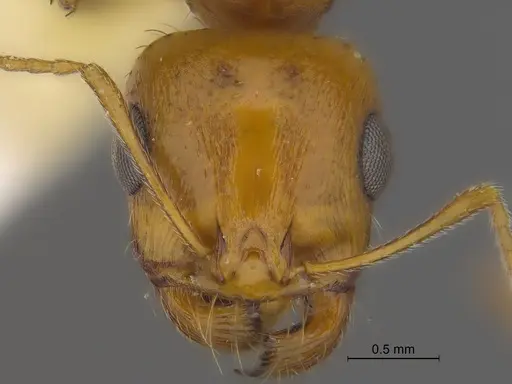
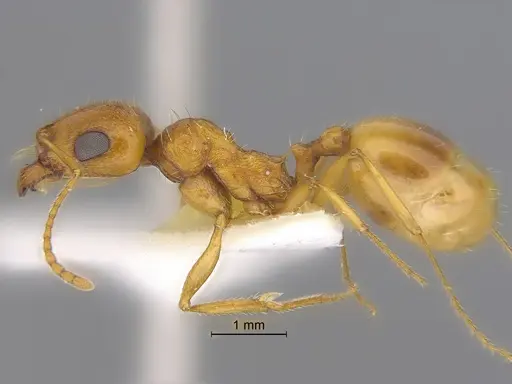
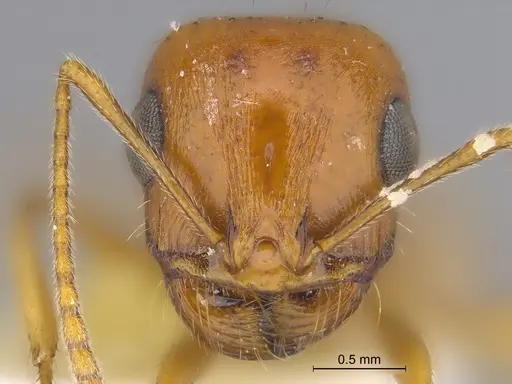
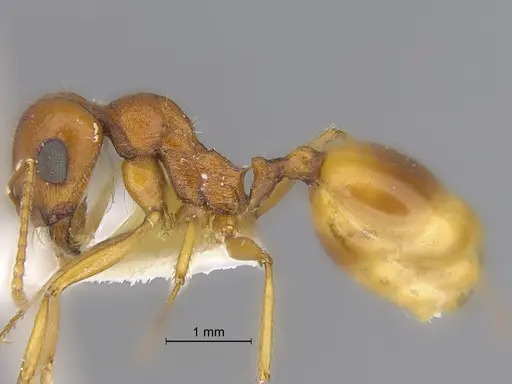
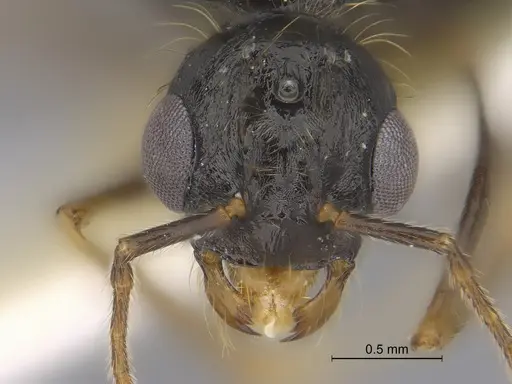
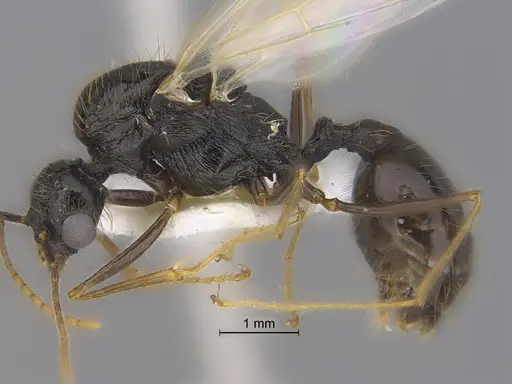
Veromessor pseudolariversi is a small seed-harvester ant native to the desert regions of the southwestern United States. Workers are light yellowish to yellowish-orange, sometimes with a slightly darker gaster. They have a distinctive psammophore, a row of J-shaped hairs around the underside of the head that helps them move sand and debris. Workers are monomorphic, meaning all workers are the same size. This species was only recently described in 2022,so it's a newer addition to the antkeeping hobby [1].
These ants are solitary, nocturnal foragers that collect seeds and other food items at night. They build polydomous nests, meaning they have multiple entrance holes connected underground, often with small crater-like tumuli around the entrances. Colonies stay relatively small, reaching around 1,000 workers at maximum. They prefer mid-elevation desert habitats in the Great Basin and Mojave regions [1][2].
Quick Summary
- Difficulty: Medium
- Origin & Habitat: Native to the southwestern United States, specifically Nevada and California. This is a desert species found at elevations between 1,145-1,305 meters in the Great Basin shrub steppe, Mojave Desert, and Western short grasslands ecoregions [1][2].
- Colony Type: Presumably monogynous, colonies likely have a single queen. Colonies reach up to about 1,000 workers [1].
- Colony: Monogyne
- Founding: Claustral
- Size & Growth:
- Queen: Approximately 7-8mm (estimated based on congeneric species)
- Worker: Approximately 4-6mm [1]
- Colony: Up to about 1,000 workers [1]
- Growth: Moderate, small colony size suggests moderate growth rate
- Development: Estimated 6-10 weeks based on related Veromessor species (Development time is estimated as this is a newly described species with limited captive observation data)
- Antkeeping:
- Temperature: Keep nest area at 24-28°C with a slight gradient. They naturally occur in desert habitats and prefer warmer conditions. A heating cable on one side of the nest can help maintain these temperatures [2].
- Humidity: Low to moderate, desert species that prefers drier conditions. Keep substrate moderately dry with occasional moist areas for brood. Avoid constant dampness.
- Diapause: Yes, these ants are adapted to seasonal climates. They will benefit from a winter rest period at 10-15°C for 2-3 months, mimicking their natural habitat where temperatures drop significantly in winter.
- Nesting: Polydomous nesting is natural, they use multiple connected chambers. In captivity, a Y-tong or plaster nest works well. Provide a sandy substrate they can manipulate, as their psammophore is adapted for moving sediment. Flat stones or a naturalistic setup with multiple connected chambers mimics their natural nesting [1].
- Behavior: Workers are solitary foragers, meaning they search for food alone rather than in groups. They are nocturnal, so you'll see most activity in the evening and night hours. They are not particularly aggressive but will defend their nest if threatened. Escape prevention is important, while not tiny, they are active and can climb smooth surfaces. They are seed harvesters, so they collect and store seeds as a food source. Their small colony size and nocturnal habits make them an interesting species to observe [1][2].
- Common Issues: small colony size means slower population growth, don't expect rapid expansion, nocturnal foraging means you'll need to observe them in evening hours to see activity, desert species is sensitive to excess moisture, keep conditions relatively dry, newly described species means less captive husbandry information available compared to established species, polydomous nesting means they may benefit from multiple chamber options in captivity
Housing and Nest Setup
Veromessor pseudolariversi does well in several nest types. A Y-tong (acrylic) nest works well because it allows you to observe colony activity. Plaster nests are also suitable and help maintain the drier conditions this desert species prefers. Because they are polydomous in nature, you might consider connecting multiple small chambers or providing a naturalistic setup with flat stones where they can create multiple entrances [1].
The psammophore, those distinctive J-shaped hairs on the underside of their head, is an adaptation for moving sand. Providing a sandy substrate they can manipulate satisfies this natural behavior. Use a substrate that drains well and doesn't stay constantly wet. A thin layer of sand over a moisture reservoir works well. Keep the outworld dry and desert-like, with the nest area slightly moister only where brood is present [1][2].
For the outworld, use a shallow escape-proof container with smooth walls. While not excellent climbers, they can grip rough surfaces. A layer of baby powder mixed with petroleum jelly on container edges prevents escapes. Provide a small water dish and sugar water station, plus seeds and protein prey.
Feeding and Diet
As seed harvesters, these ants primarily collect and store seeds. In captivity, offer a variety of small seeds like millet, chia, or grass seeds. They will crack open seeds to eat the nutritious insides. You can also offer small amounts of grain like rice or oats, though larger grains may need to be pre-cracked [1].
Protein is still important for brood development. Offer small insects like fruit flies, small crickets, or mealworms. Feed protein once or twice per week, removing any uneaten prey within 24 hours. Sugar sources are also accepted, offer sugar water, honey, or diluted maple syrup. A constant sugar water station helps sustain the colony, especially when brood is developing [1].
Because they are nocturnal foragers, place food in the outworld in the evening and check the next morning. Remove any moldy or uneaten food promptly to prevent contamination. Their small colony size means they don't need large quantities of food, a few seeds and a small protein offering every few days is sufficient.
Temperature and Seasonal Care
Veromessor pseudolariversi comes from desert and semi-desert habitats in Nevada and California. They prefer temperatures in the warm range, aim for 24-28°C in the nest area. A heating cable placed on one side of the nest creates a temperature gradient that lets the ants choose their comfort zone. Avoid temperatures above 35°C, which can stress the colony [2].
These ants experience seasonal temperature changes in their native habitat. In captivity, they benefit from a winter rest period. Reduce temperatures to 10-15°C for 2-3 months during winter. This diapause period mimics their natural cycle and supports colony health. During diapause, reduce feeding to once every two weeks and keep the nest slightly drier. Return to warm conditions in spring to stimulate activity and brood production [1].
Summer is their active season, you should see increased foraging activity during warm months. Males and dealate queens have been observed in June and July, suggesting this is their primary mating season. If you have a mature colony, you might observe nuptial flight activity during summer evenings.
Behavior and Observation
These ants are fascinating to watch because of their solitary foraging behavior. Unlike many ant species that recruit nestmates to food sources, V. pseudolariversi workers search for food alone. Each worker leaves the nest, searches independently, and returns with whatever it finds. This makes them less dramatic to watch than species with mass recruitment, but their individual behaviors are interesting to observe [1].
They are strictly nocturnal, activity peaks during the night and early morning hours. During the day, workers typically stay inside the nest. If you want to observe foraging behavior, use a red light or observe in the evening hours. Their nocturnal lifestyle is an adaptation to avoid desert heat [1][2].
The psammophore is one of their most distinctive features. Those J-shaped hairs around the ventral head margin help them move sand and debris while excavating. In captivity, you might observe them using these hairs to clear tunnels or move substrate. This is a primitive feature retained from sandy desert ancestors [2].
Colony defense is handled by a small pygidial gland. Unlike some ants that have powerful chemical defenses, V. pseudolariversi has a small gland reservoir. They rely more on hiding than fighting when threatened. Handle gently and avoid disturbing the nest unnecessarily.
Frequently Asked Questions
How long does it take for Veromessor pseudolariversi to produce first workers?
Based on related Veromessor species, expect 6-10 weeks from egg to first worker at optimal temperatures (around 26°C). This is a moderate development time. The queen will seal herself in a chamber and remain there until the first workers emerge, living off her stored fat reserves [1].
Can I keep multiple Veromessor pseudolariversi queens together?
This species is presumed to be monogynous, colonies have a single queen. Combining unrelated queens is not recommended and likely would result in fighting. If you start with a single queen, she should establish a healthy colony on her own. Multiple-queen colonies have not been documented for this species [1].
Do Veromessor pseudolariversi ants sting?
This species has a small pygidial gland and is not known for stinging. They are not aggressive and will typically flee rather than fight when threatened. Their primary defense is hiding, not stinging. They are safe to handle gently if necessary [1].
What do Veromessor pseudolariversi eat?
They are seed harvesters, their primary diet in nature consists of seeds they collect. In captivity, offer small seeds like millet, chia, or grass seeds. They also need protein from small insects like fruit flies or small crickets. Sugar water, honey, or diluted syrup provides carbohydrates. Feed seeds constantly available, protein 1-2 times per week, and sugar water ad libitum [1].
Are Veromessor pseudolariversi good for beginners?
This species is rated as medium difficulty. They are smaller and less dramatic than some beginner species, and their nocturnal habits mean you won't see constant activity. They also require seasonal temperature cycling for best health. However, their small colony size and relatively simple care requirements make them manageable for committed beginners who can provide proper temperature gradients and winter rest [1][2].
How big do Veromessor pseudolariversi colonies get?
Colonies reach approximately 1,000 workers at maximum. This is relatively small compared to many common ant species. The small colony size means population growth is slower than species that reach thousands of workers. Expect 1-2 years to reach several hundred workers under good conditions [1].
Do Veromessor pseudolariversi need hibernation?
Yes, they benefit from a winter rest period. Reduce temperatures to 10-15°C for 2-3 months during winter. This diapause mimics their natural seasonal cycle in the Great Basin and Mojave Desert. During hibernation, reduce feeding significantly and keep the nest slightly drier. Return to warm conditions in spring [1].
When are Veromessor pseudolariversi most active?
They are nocturnal foragers, meaning they are most active at night and during early morning hours. In captivity, you'll see the most activity in the evening hours after lights go out. During the day, workers typically remain inside the nest. Use a red light if you want to observe nighttime activity without disturbing them [1][2].
Why is my Veromessor pseudolariversi colony not growing?
Several factors could slow growth: temperatures outside their 24-28°C range, insufficient protein for brood development, or stress from too much moisture. Also ensure they have a proper winter rest period. Small colonies naturally grow slowly, expect gradual growth over months rather than rapid expansion. If the queen is alive and conditions are good, patience is key [1].
References

This caresheet is licensed under CC BY-SA 4.0 .
CASENT0869806
View on AntWeb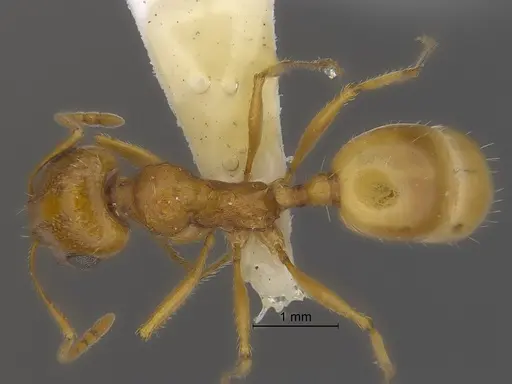


CASENT0869807
View on AntWeb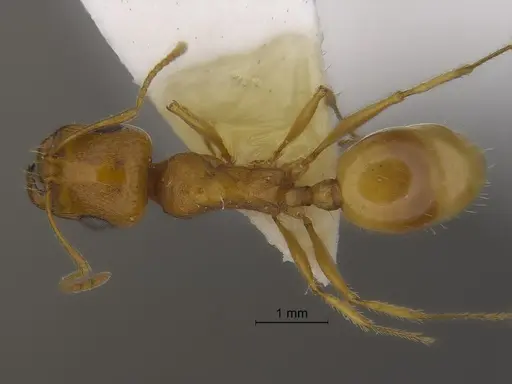
CASENT0869808
View on AntWeb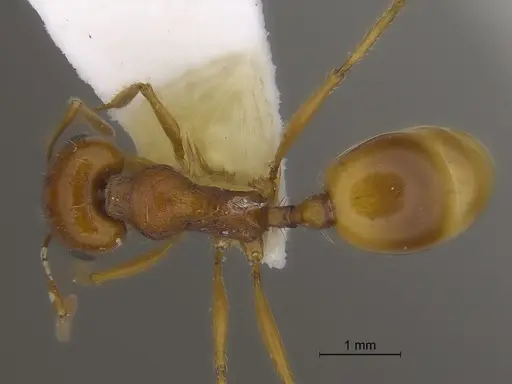
CASENT0869851
View on AntWeb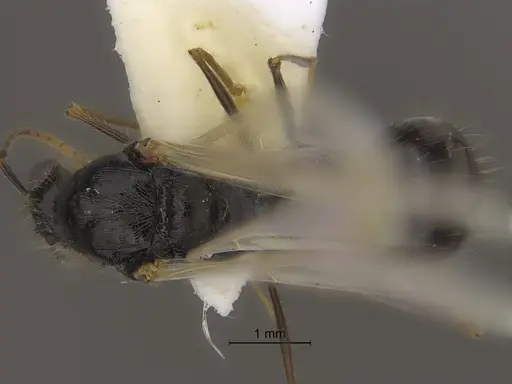
Literature
Loading...Loading products...