

Typhlomyrmex pusillus
- Scientific Name
- Typhlomyrmex pusillus
- Tribe
- Ectatommini
- Subfamily
- Ectatomminae
- Author
- Emery, 1894
- Distribution
- Found in 14 countries
Typhlomyrmex pusillus Overview
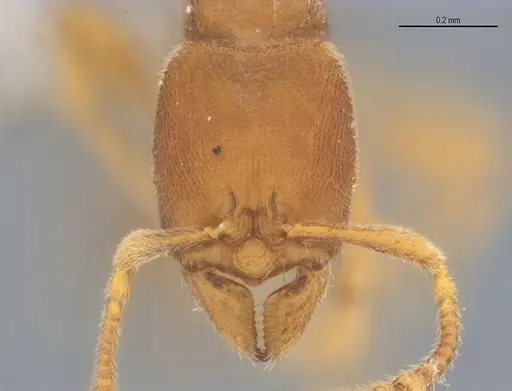
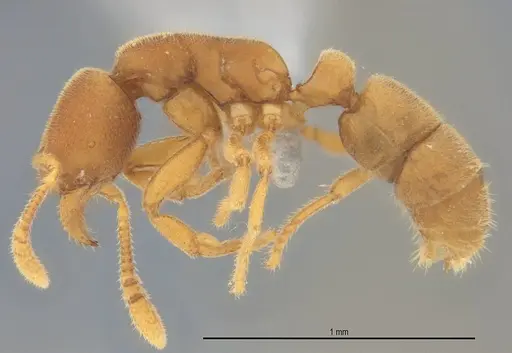
Typhlomyrmex pusillus is an ant species of the genus Typhlomyrmex. It is primarily documented in 14 countries , including Argentina, Brazil, Colombia. Detailed taxonomic data and occurrence records can be further explored via authoritative databases such as AntWeb or the Global Biodiversity Information Facility (GBIF).
Typhlomyrmex pusillus
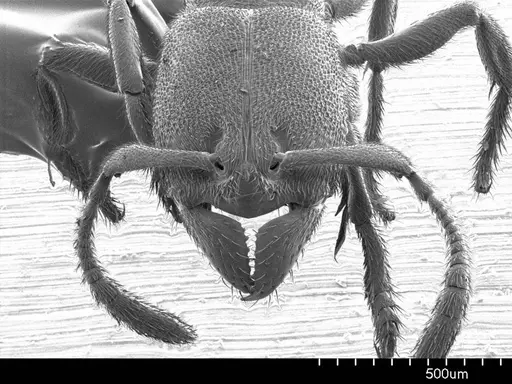
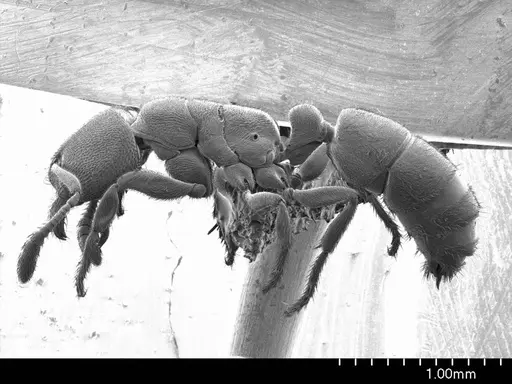
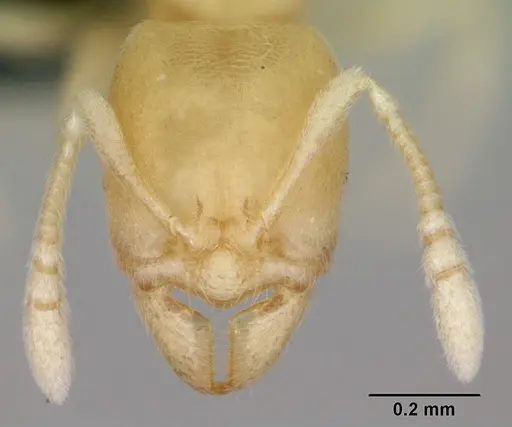
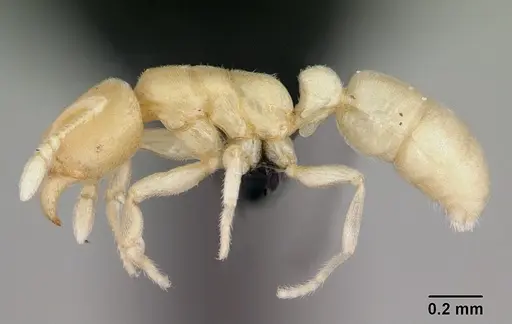
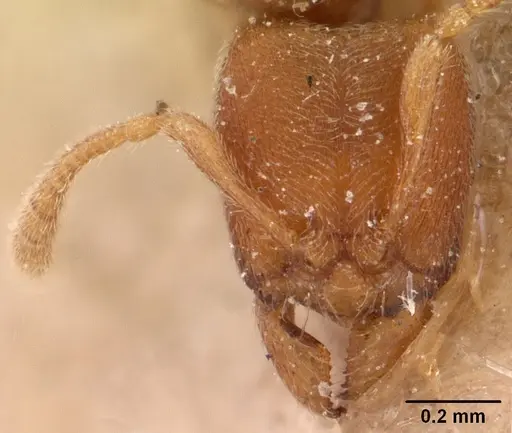
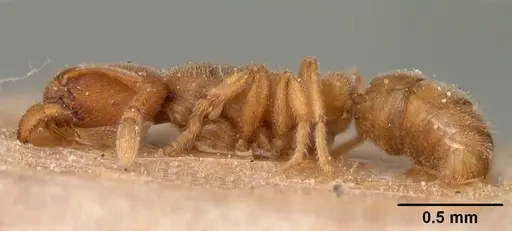
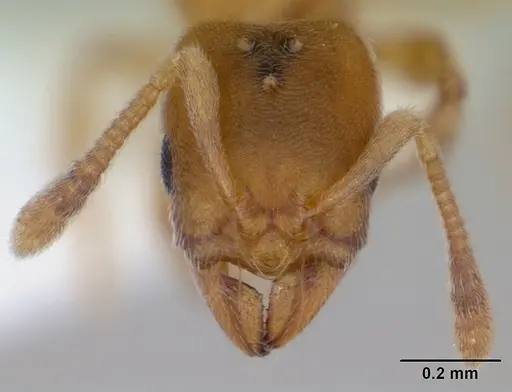
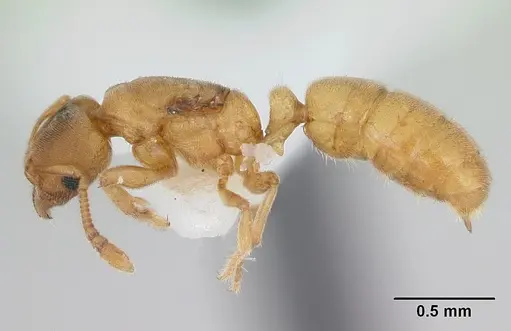
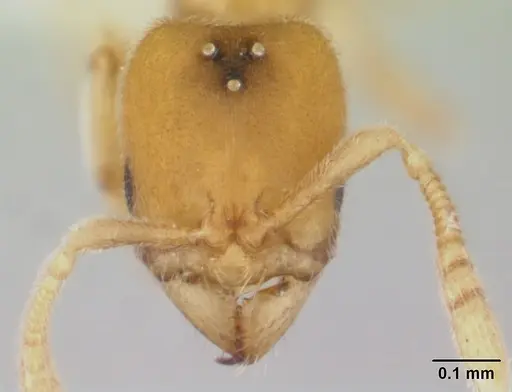
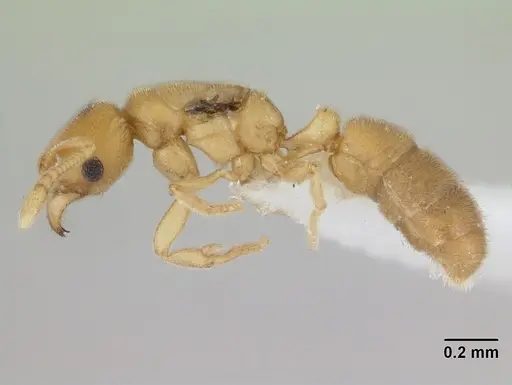
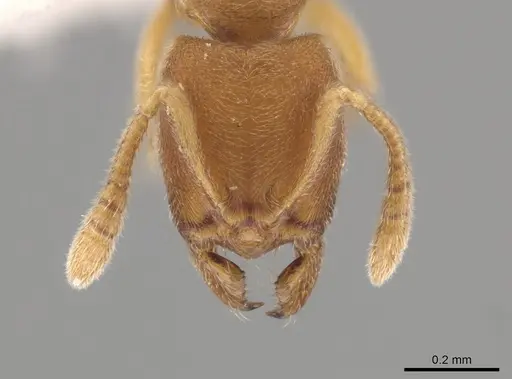
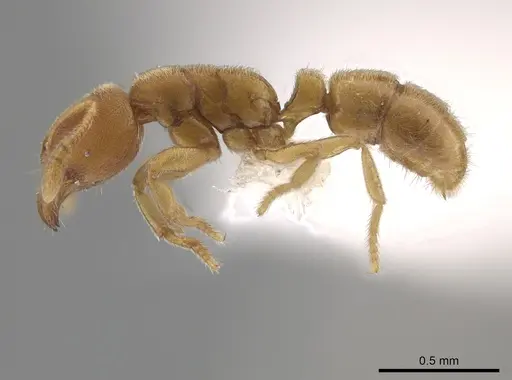
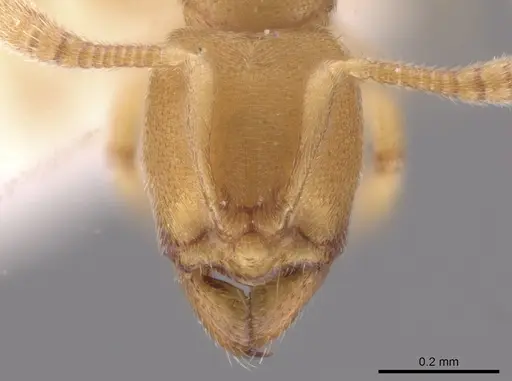
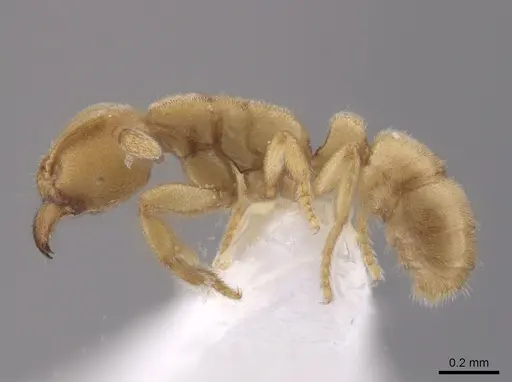
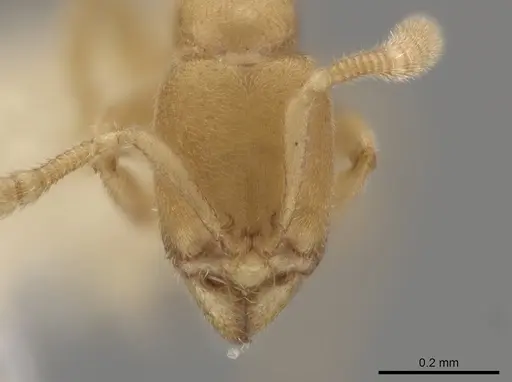
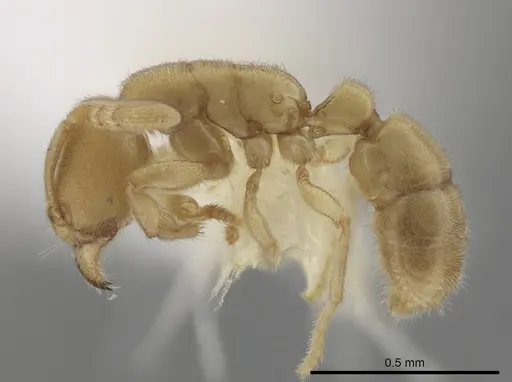
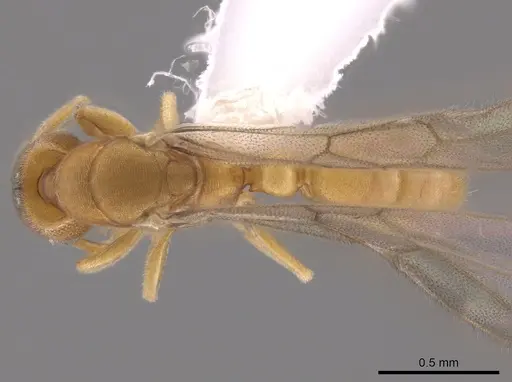
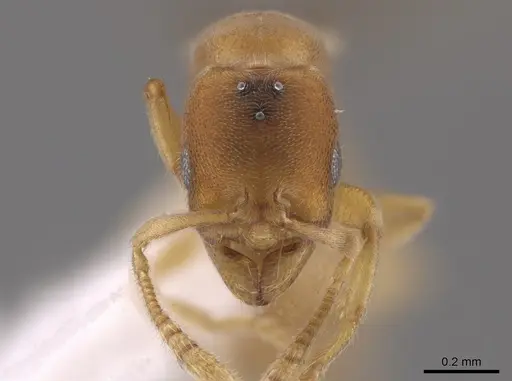
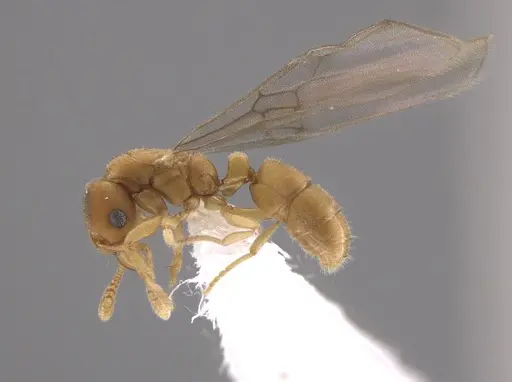
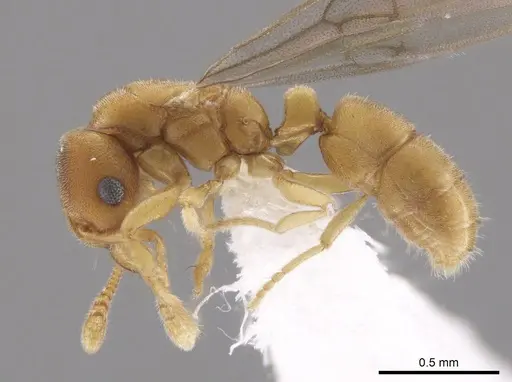
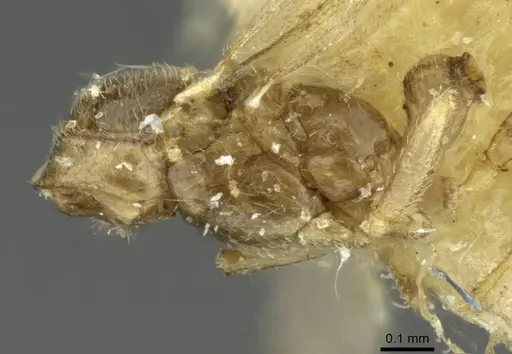
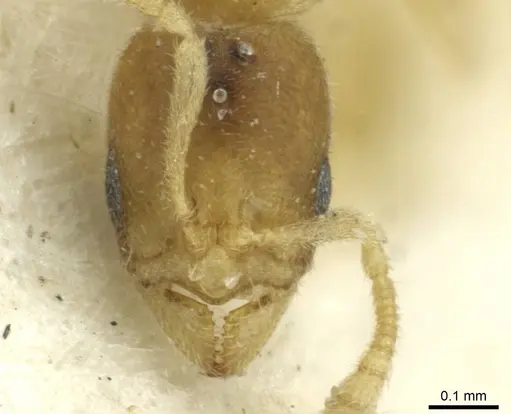
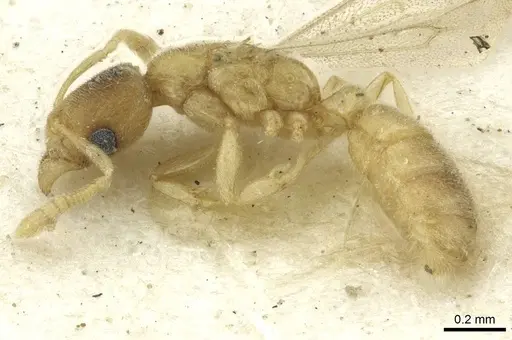
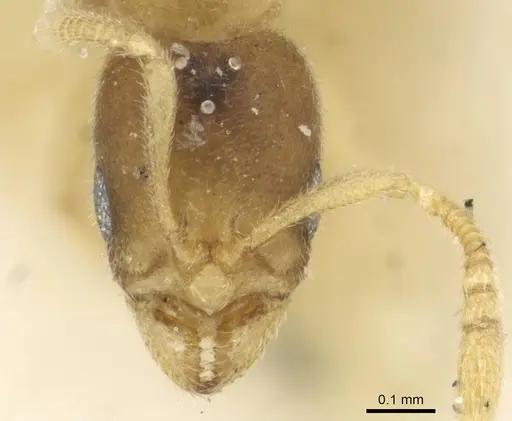
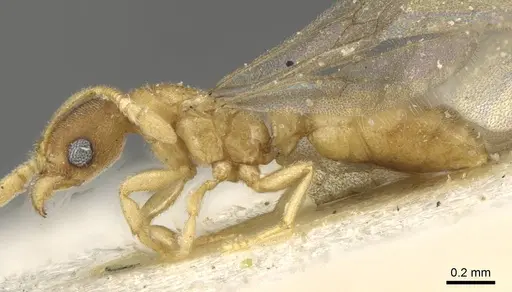
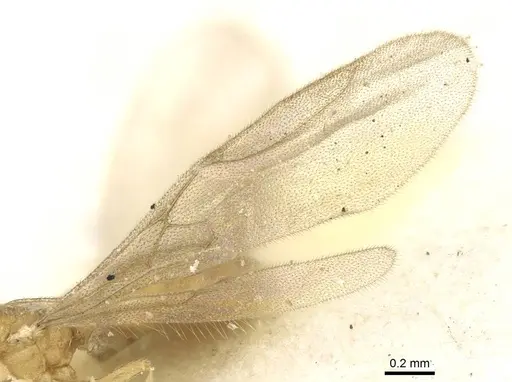
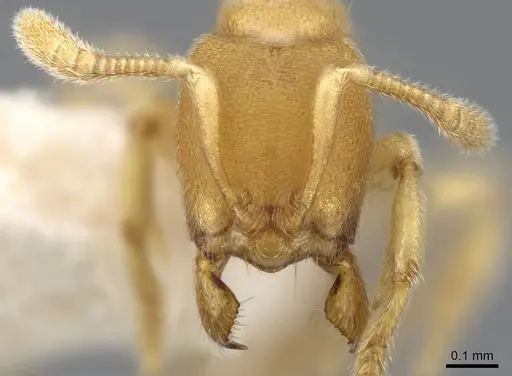
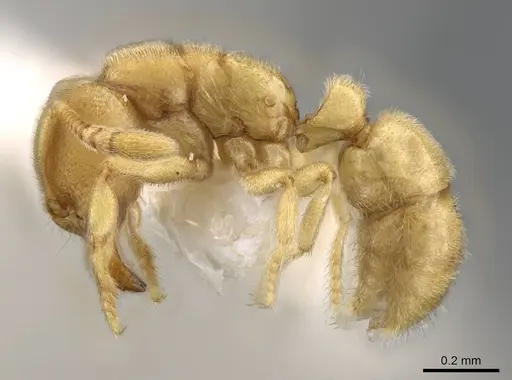
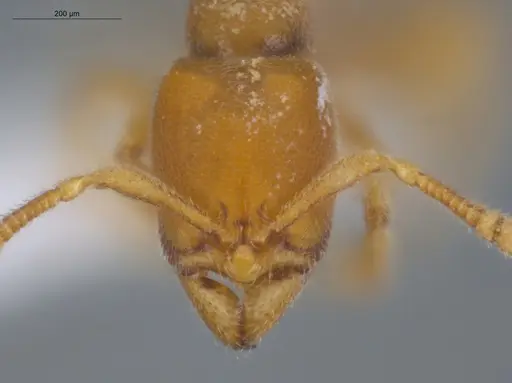
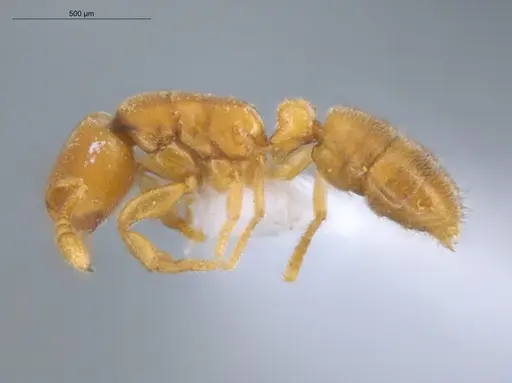
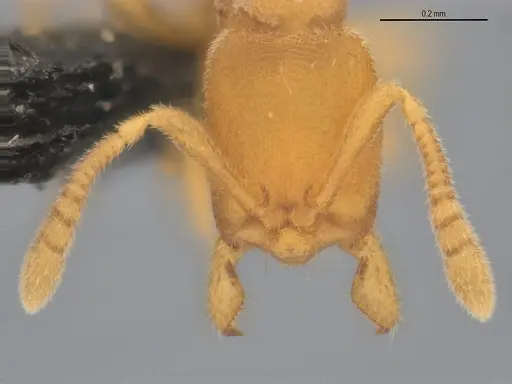
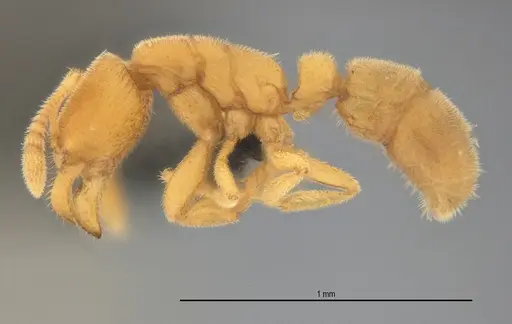
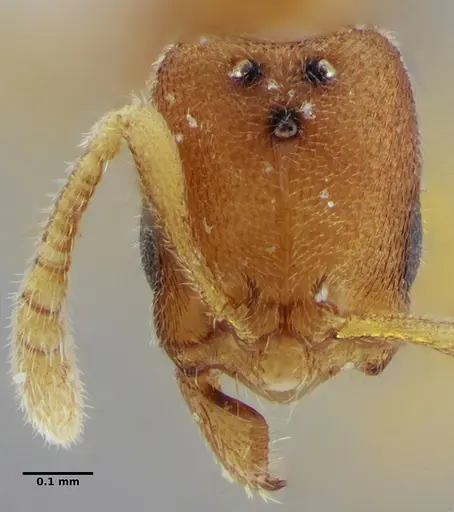
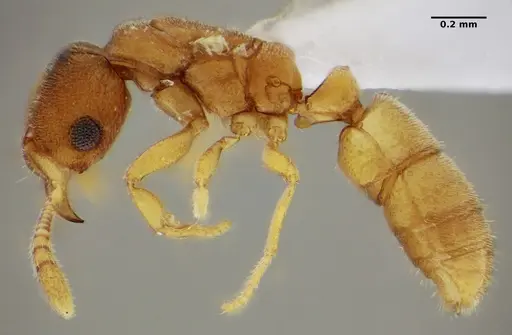
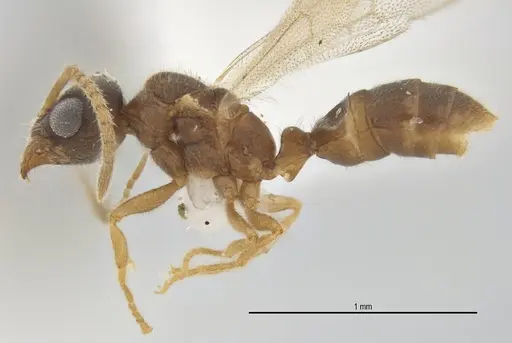
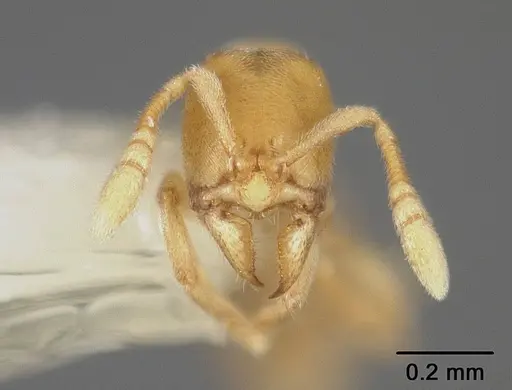
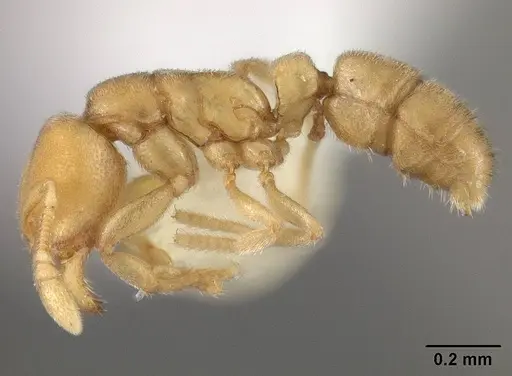
Typhlomyrmex pusillus is a tiny, cryptic predatory ant native to the Neotropics, ranging from Mexico down to Argentina [1][2]. Workers are among the smallest ants you'll encounter, their head width is less than 0.55mm, making them barely visible to the naked eye [1]. They have a reddish-brown coloration with a distinctive sub-square head shape and 12-segmented antennae [1]. Queens are slightly larger at 2.6-3.5mm and were described by Emery in 1906 [3]. This species is strictly hypogeic, meaning it lives entirely underground in tiny soil cavities, rarely ever appearing on the surface [1]. Colonies are small, typically containing just a few dozen individuals [1]. What makes this species unusual is its extreme specialization, it's a habitat specialist found only in primary forest, and its small size and low colony population suggest it hunts tiny soil-dwelling prey [1][4].
Quick Summary
- Difficulty: Hard
- Origin & Habitat: Native to the Neotropical region, found in Mexico, Guatemala, Honduras, Costa Rica, Colombia, Venezuela, Ecuador, Bolivia, Paraguay, Argentina, Brazil, French Guiana, Guyana, and Peru [1][5][2]. In Colombia, they live at high elevations between 1775-2060m in departments like Caldas, Risaralda, and Valle del Cauca [1]. They are strictly hypogeic (underground) and found exclusively in primary forest patches, they never occur in secondary forest or plantations [6][4].
- Colony Type: Likely monogyne (single queen) based on typical genus patterns. Colonies are very small, typically just a few dozen individuals [1]. The genus Typhlomyrmex shows monomorphic workers with small colony sizes [1].
- Colony: Monogyne
- Size & Growth:
- Queen: 2.6-3.5 mm [3]
- Worker: Head width
- Colony: A few dozen workers maximum [1]
- Growth: Slow, small colony size and cryptic lifestyle suggest slow development
- Development: Unknown, no direct data available. Based on small tropical ant patterns, estimate 6-10 weeks at warm temperatures. (Development timeline has not been directly studied for this species.)
- Antkeeping:
- Temperature: Aim for 22-26°C, they come from tropical highlands but are underground, so stable warmth is more important than extreme heat. A gentle gradient allows them to self-regulate.
- Humidity: High humidity is essential, these are soil-dwelling ants that live in tiny damp cavities. Keep the nest substrate consistently moist but not waterlogged.
- Diapause: Unlikely, being tropical and subterranean, they probably don't require a true hibernation. However, they may show reduced activity during cooler periods.
- Nesting: Natural nesting is in tiny soil cavities of millimetric dimensions. For captivity, a small test tube setup or plaster/naturalistic nest with fine, damp substrate works well. They need tight chambers scaled to their tiny size.
- Behavior: These are cryptic, predatory ants that spend almost all their time underground in tiny soil galleries [1]. They are not aggressive and will avoid confrontation, their small size makes them vulnerable. Workers forage in soil passages hunting microscopic prey [1]. Escape prevention is critical due to their extremely small size, they can squeeze through gaps you'd never notice. They are not daytime foragers and will likely remain hidden in the nest setup.
- Common Issues: escape prevention is critical, they are tiny enough to squeeze through standard barrier gaps, very small colony size means they are sensitive to disturbance and stress, specialist habitat requirements, they only thrive in primary forest conditions, making captive adaptation difficult, rarely forages in the open, making them difficult to observe and feed, low reproduction rate due to small colony size, colonies grow very slowly
Housing and Nest Setup
Typhlomyrmex pusillus requires careful housing due to its tiny size and subterranean lifestyle. In the wild, these ants nest in small soil cavities of millimetric dimensions, we're talking chambers barely visible to the naked eye [1]. For captivity, a small test tube setup works well, or you can use a small plaster nest with tight chambers scaled to their size. The key is moisture retention, these ants live in damp soil, so the nest material should stay consistently moist but never waterlogged. Avoid large, open spaces in the nest, they prefer tight, enclosed chambers that mimic their natural soil cavities. Because they are strictly hypogeic, they avoid light, so keeping the nest in darkness or using a red film for observation will encourage natural behavior [1]. Escape prevention is absolutely critical, their tiny size means they can slip through gaps you'd never notice. Use fine mesh and check all connections carefully.
Feeding and Diet
These are predatory ants, but their small size limits what they can hunt. In the wild, their tiny worker size and low colony population indicate they hunt small prey, likely springtails, soil mites, and other microscopic arthropods found in soil galleries [7]. For captivity, offer small live prey like springtails, fruit flies, and pinhead crickets. You might also experiment with tiny pieces of mealworm or other small protein sources. They probably don't need much sugar, being predators, protein is likely their primary food source. Feed sparingly given their small colony size. Remove uneaten prey after 24-48 hours to prevent mold. Because they forager primarily in tiny soil galleries rather than openly, place food near their nest entrance where they'll find it [1].
Temperature and Humidity
Being from tropical Central and South America, these ants prefer warm, stable temperatures in the 22-26°C range. They come from high-elevation forests in Colombia (1775-2060m) and Brazil, so they're adapted to cooler tropical conditions than lowland species [1]. A heating cable on one side of the nest can create a gentle gradient, but avoid overheating, they're subterranean, so constant moderate warmth is better than hot spots. Humidity is crucial, they live in damp soil cavities, so the nest substrate should feel consistently moist. However, avoid standing water or flooding. A well-hydrated test tube setup or moist plaster nest works well. They don't need a diapause period since they're tropical, but you might notice reduced activity during cooler periods in your room.
Behavior and Observation
Typhlomyrmex pusillus is one of the most cryptic ants you can keep. They are strictly hypogeic, meaning they almost never come to the surface [1]. Workers forager in tiny soil galleries, hunting small prey and staying hidden. You won't see them marching across an outworld or tending aphids, their entire colony lives in a small underground chamber. This makes them a 'watching-from-the-sides' species rather than an interactive one. They're not aggressive and will retreat from confrontation rather than fight. Their small size (head width under 0.55mm) also means they're preyed upon easily, so keep them away from other ants. The queen is also small and likely lives tucked away in the nest chamber. Observation requires patience and likely a magnifying glass, these are truly tiny ants that reward careful study.
Colony Growth and Reproduction
Colonies remain very small throughout their life, a few dozen workers is typical even in mature colonies [1]. This is one of the smallest colony sizes in antkeeping. Growth is slow, and you shouldn't expect rapid expansion. The small colony size likely relates to their cryptic lifestyle and specialized prey requirements. Queens are also tiny (2.6-3.5mm) compared to many other ant species [3]. Given their small size and low colony numbers, reproduction is limited, don't expect large nuptial flights or massive alate production. If you want to observe reproduction, you'll need to be patient and provide excellent care for many months.
Frequently Asked Questions
How long does it take for Typhlomyrmex pusillus to produce first workers?
The exact timeline is unknown as this species hasn't been studied in captivity. Based on typical patterns for small tropical ants, expect 6-10 weeks from founding to first workers, possibly longer given their slow growth and tiny colony size. Patience is essential with this species.
Can I keep Typhlomyrmex pusillus in a test tube?
Yes, a test tube setup is actually ideal for this species. They naturally nest in tiny soil cavities, so a small test tube with a water reservoir works well. The key is keeping the tube moist (not flooded) and ensuring escape prevention is excellent, they're tiny enough to slip through standard barriers.
What do Typhlomyrmex pusillus ants eat?
They are predatory ants that hunt small soil-dwelling prey. In captivity, offer small live prey like springtails, fruit flies, and tiny insects. Their small size limits what they can take down, so keep prey items small. Protein is more important than sugar for this species.
Are Typhlomyrmex pusillus ants aggressive?
No, they are not aggressive. Their tiny size makes them vulnerable, so they avoid confrontation rather than fight. They're cryptic and spend almost all their time hidden in underground chambers. They pose no threat to humans.
How big do Typhlomyrmex pusillus colonies get?
Very small, colonies typically reach only a few dozen workers at most [1]. This is one of the smallest colony sizes of any ant species. Don't expect large colonies even after years of growth.
Do Typhlomyrmex pusillus ants need hibernation?
No, they don't need a true hibernation. Being tropical and subterranean, they likely experience year-round activity with possible reduced activity during cooler periods. No special winter treatment is required.
Why are my Typhlomyrmex pusillus ants dying?
Common causes include: escape (they're tiny and can slip through barriers), stress from disturbance (they prefer darkness and quiet), improper humidity (too dry kills them quickly), and insufficient small prey. They're sensitive to their environment and require stable, damp conditions.
Can I keep multiple queens together?
Likely not recommended. While colony structure isn't fully studied, they appear to be monogyne (single queen). Multiple unrelated queens would likely fight. Stick to single-queen colonies.
Are Typhlomyrmex pusillus good for beginners?
No, they are not recommended for beginners. Their tiny size, cryptic lifestyle, specific humidity requirements, and slow growth make them challenging. They require excellent escape prevention and careful attention to moisture. They're better suited for experienced antkeepers who can provide specialized care.
Do Typhlomyrmex pusillus ants sting?
Yes, they have a stinger, but it's very small, among the smallest in the ant kingdom. The stinger measures just 0.07mm² in surface area with a volume of 0.00016mm³ [8]. Given their tiny size and cryptic nature, they are not a stinging concern to keepers.
References

This caresheet is licensed under CC BY-SA 4.0 .
ANTWEB1008598
View on AntWeb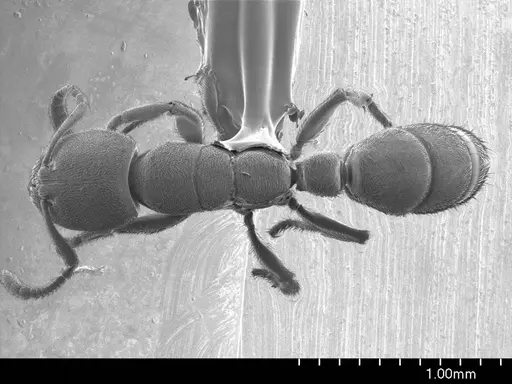
ANTWEB1053875
View on AntWeb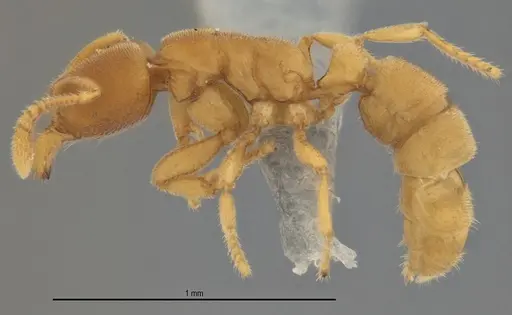
ANTWEB1053878
View on AntWeb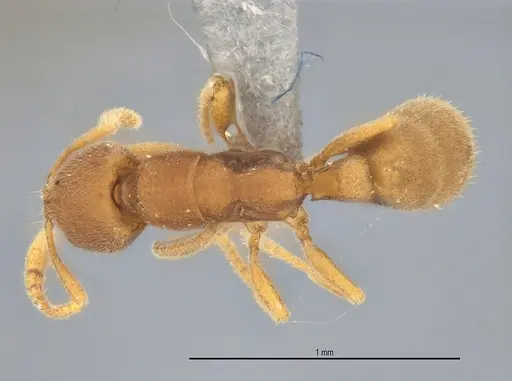
ANTWEB1053879
View on AntWeb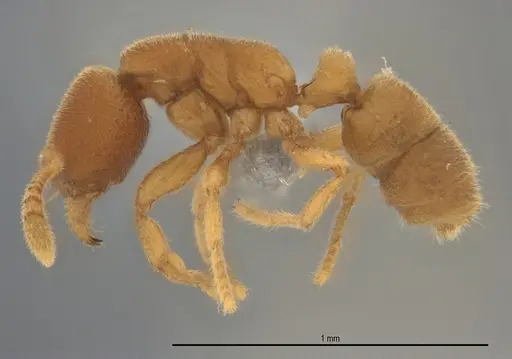
CASENT0006786
View on AntWeb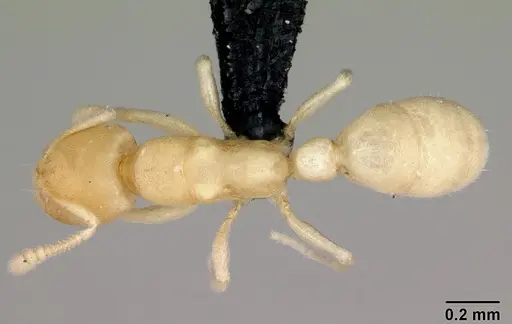
CASENT0102122
View on AntWeb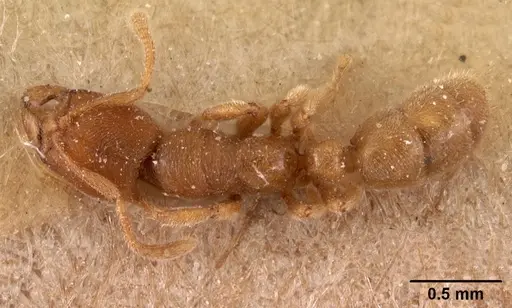
CASENT0173389
View on AntWeb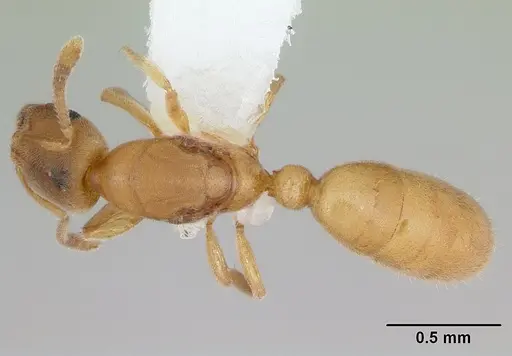
CASENT0178662
View on AntWeb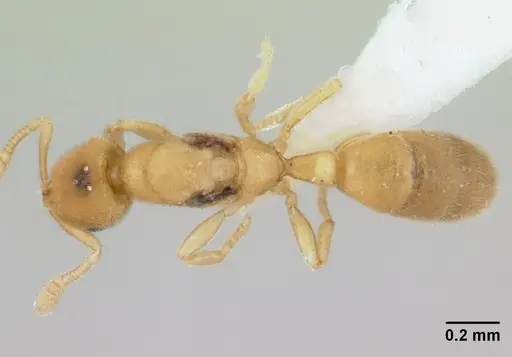
CASENT0619736
View on AntWeb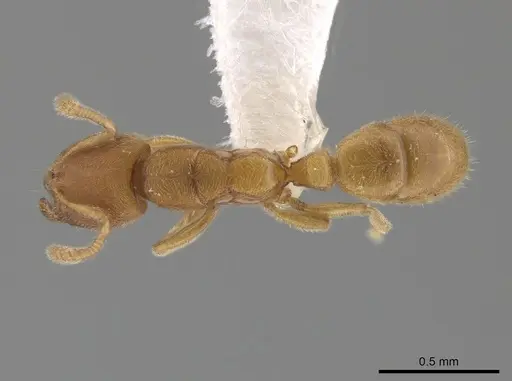
CASENT0631762
View on AntWeb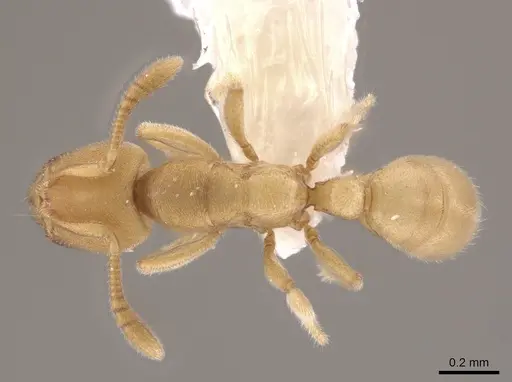
CASENT0644597
View on AntWeb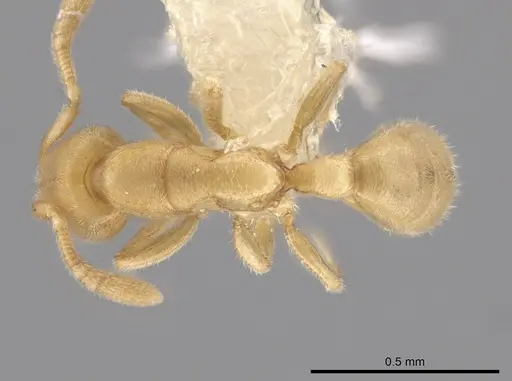
CASENT0650471
View on AntWeb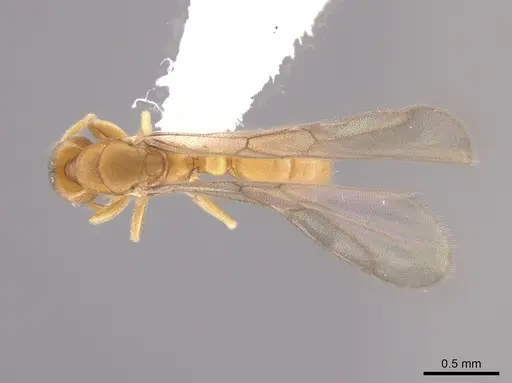
CASENT0903807
View on AntWeb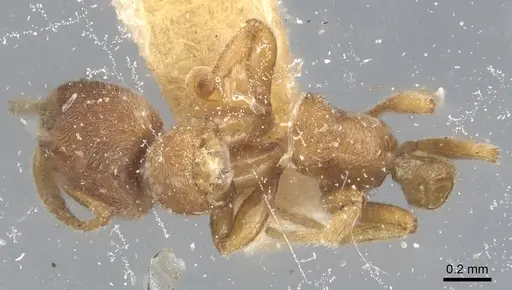
CASENT0913587
View on AntWeb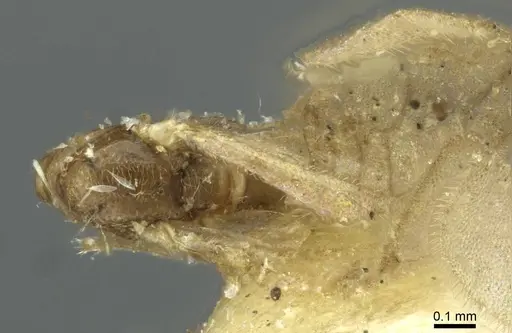
CASENT0913588
View on AntWeb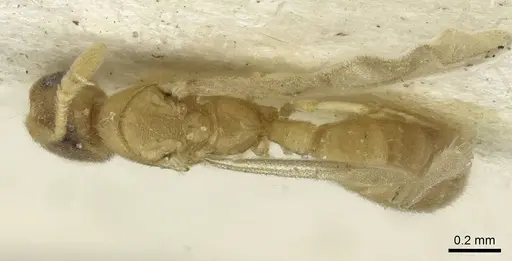
CASENT0915318
View on AntWeb
CASENT0922015
View on AntWeb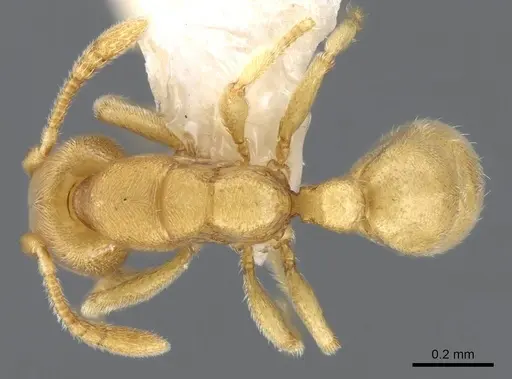
ECOFOG-KOT23-0071-08
View on AntWeb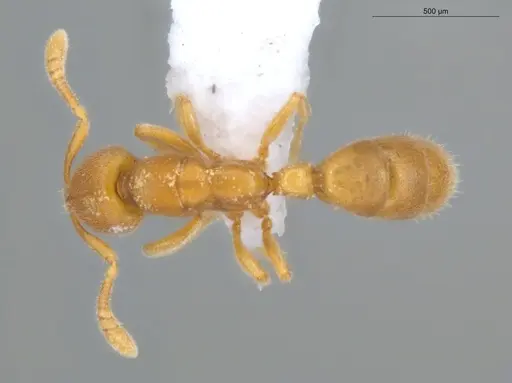
UFV-LABECOL-007681
View on AntWeb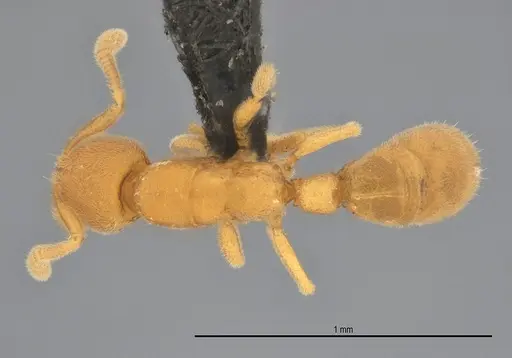
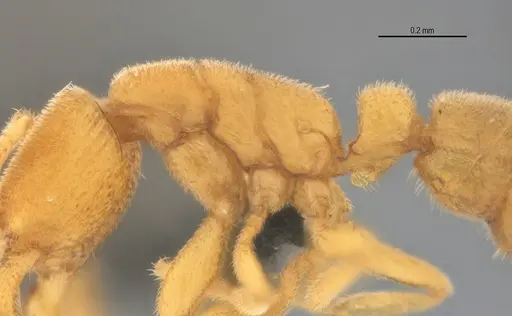
UFV-LABECOL-009130
View on AntWeb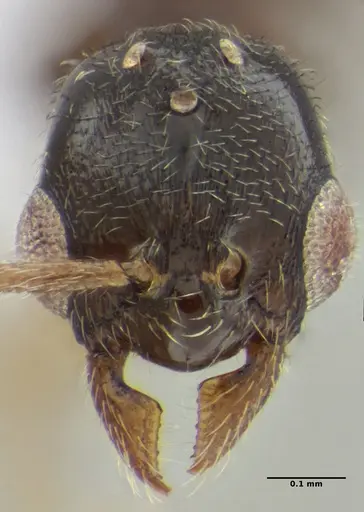
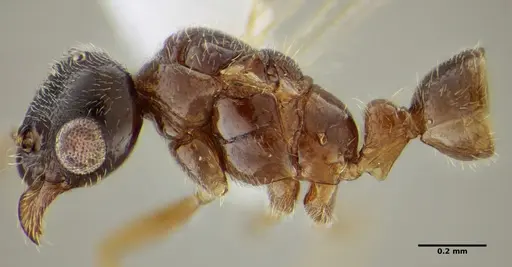
UFV-LABECOL-009131
View on AntWeb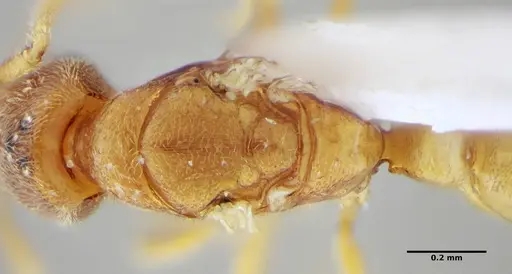
UFV-LABECOL-009135
View on AntWeb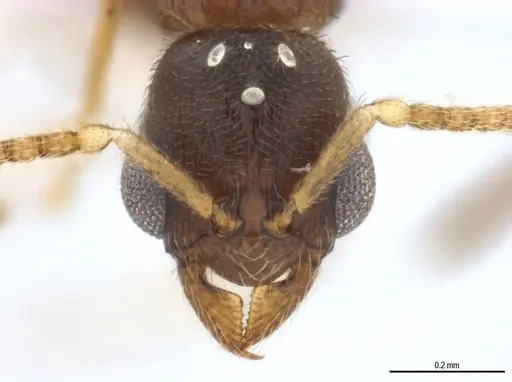
USNMENT00441015
View on AntWeb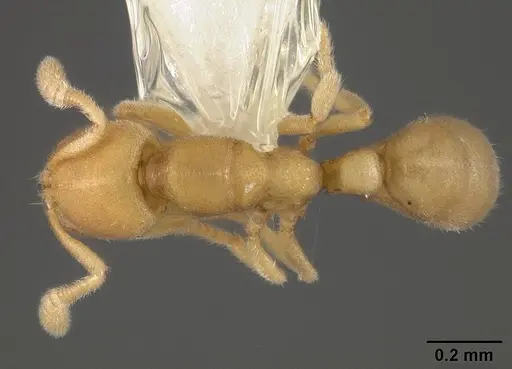
Literature
Loading...Loading products...