

Typhlomyrmex prolatus
- Scientific Name
- Typhlomyrmex prolatus
- Tribe
- Ectatommini
- Subfamily
- Ectatomminae
- Author
- Brown, 1965
- Distribution
- Found in 2 countries
Typhlomyrmex prolatus Overview
Typhlomyrmex prolatus is an ant species of the genus Typhlomyrmex. It is primarily documented in 2 countries , including Colombia, Costa Rica. Detailed taxonomic data and occurrence records can be further explored via authoritative databases such as AntWeb or the Global Biodiversity Information Facility (GBIF).
Typhlomyrmex prolatus - "Prolate Blind Ant"
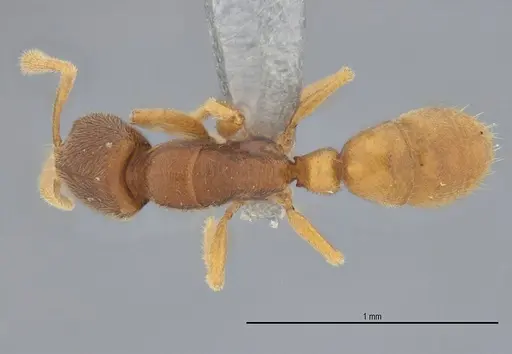
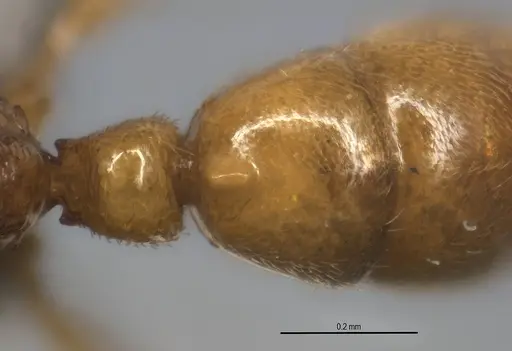
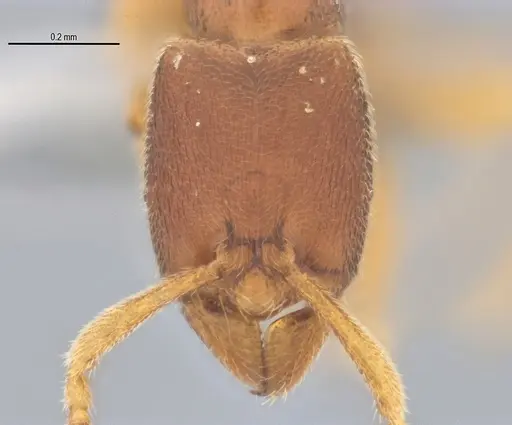
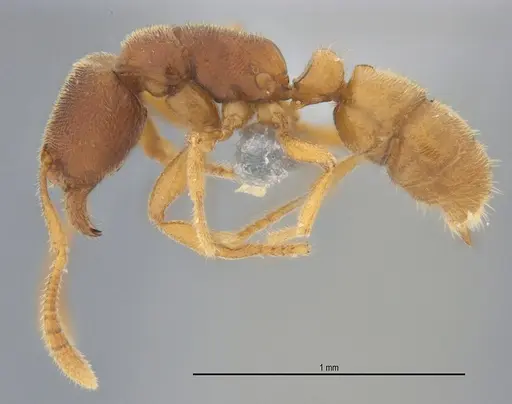
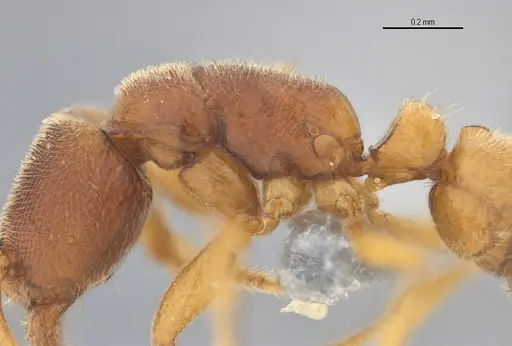
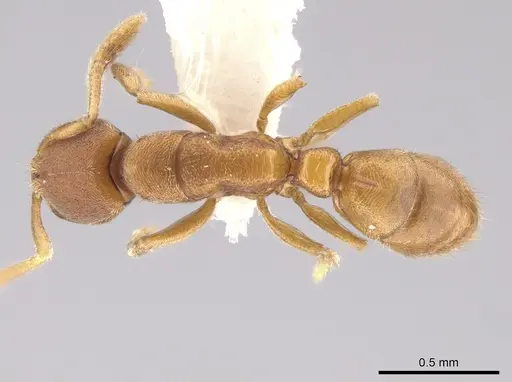
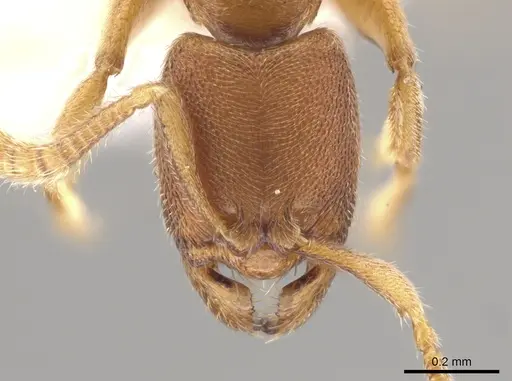
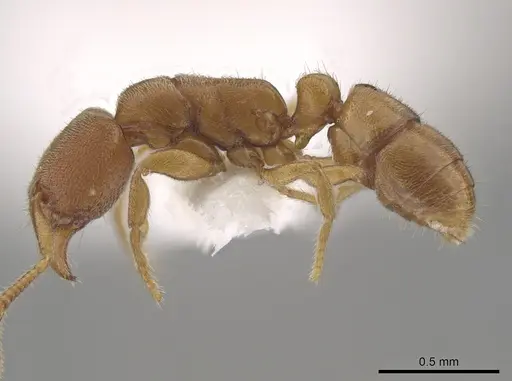
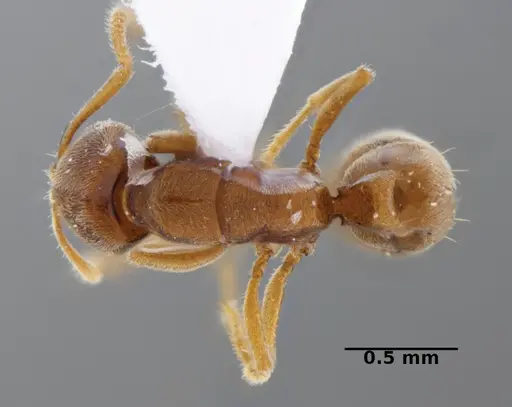
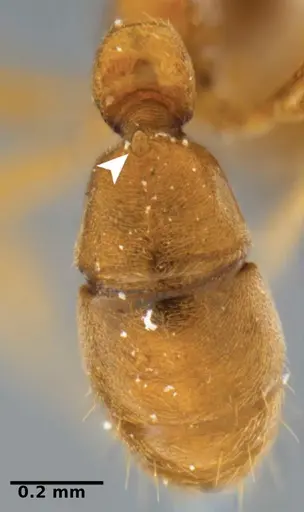
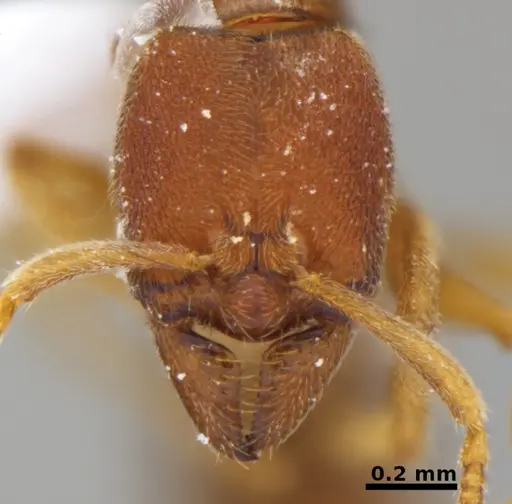
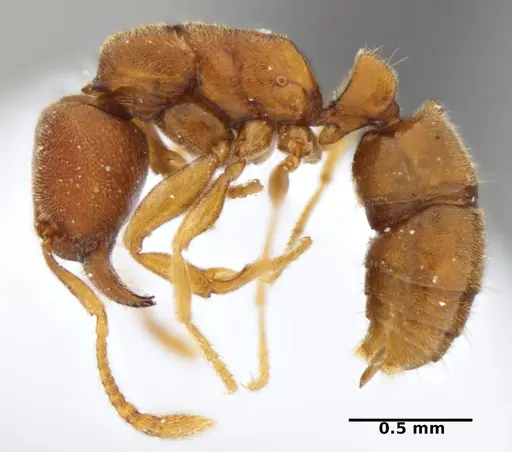
Typhlomyrmex prolatus is a fascinating, small, and cryptic ant species belonging to the Ectatomminae subfamily. These ants are known for their subterranean lifestyle, preferring to dwell deep within the soil. A distinctive physical characteristic is the presence of reduced eyes or complete blindness, a trait reflected in the genus name 'Typhlomyrmex,' meaning 'blind ant.' Their bodies are typically reddish-brown with lighter antennae and legs, and they exhibit a dense, short pubescence across their body. A unique identifying feature is a short, protruding ridge or 'carina' found on the anterior dorsum of their first metasomal tergum, present in both queens and workers. Workers range in total length from approximately 1.57 mm to 3.31 mm, making them quite tiny.
- Difficulty: Expert
- Origin & Habitat: Central America (Costa Rica, Mexico, Nicaragua) and South America (Colombia, Brazil, Venezuela) in Fragmented rainforests, piedmont areas, pastures, secondary and primary forests, found primarily in soil (0-30 cm deep) and rotting wood. They have been observed sharing soil galleries with termites..
- Colony Type: Monogyne (presumed), claustral (presumed) founding.
- Size & Growth:
- Queen: Not specified
- Worker: 1.57-3.31mm
- Colony: Small (hundreds). Slow (presumed) growth.
- Antkeeping:
- Temperature: As a Neotropical species, Typhlomyrmex prolatus thrives in stable tropical temperatures. A range between 24-28°C (75-82°F) is recommended. It's crucial to provide a temperature gradient within the setup, allowing the ants to choose their preferred thermal zone. Avoid sudden temperature fluctuations, as consistency is key for this cryptic species..
- Humidity: High humidity is essential, mirroring their natural rainforest and subterranean environments. Aim for a gradient within the nest, with one section maintaining 80-90% humidity and gradually decreasing to about 60-70% in other areas. This allows the ants to self-regulate their moisture needs. Consistent moisture is vital to prevent desiccation, especially for their delicate brood..
- Diapause: Not required. Not specified at Not specified.
- Nesting: Given their natural preference for deep soil strata and rotting wood, an artificial setup should mimic these conditions. Soil-based nests (like naturalistic setups or deep Ytong/Plaster nests with ample substrate) are ideal. Nests with multiple chambers and tunnels that extend deeper will best suit their cryptic nature. Avoid nests with large, open spaces..
- Behavior: Low (towards handler, but likely high towards prey) aggressiveness.
- Common Issues: Mold in nest due to high humidity, Escape from tiny gaps due to small size, Colony stalling if conditions are not optimal, Lack of visibility for observation, Difficulty in providing appropriate prey size.
Keeping Typhlomyrmex prolatus is certainly a challenge, primarily due to their highly cryptic and subterranean nature. These ants are rarely seen foraging above ground in their natural habitat, preferring to remain hidden deep within the soil or decaying wood. This behavior translates directly to their captive care; expect them to spend most of their time out of sight, making observation of the colony's development and foraging activities quite difficult for the typical antkeeper.
Their specific ecological requirements are not fully understood, making it crucial to provide a stable environment that closely replicates their natural rainforest conditions. Maintaining precise temperature and humidity gradients within their formicarium is paramount, as even slight deviations can be detrimental to their small and sensitive colonies. It's often recommended to house them in naturalistic setups that allow for deep substrate, giving them the freedom to excavate and establish their intricate network of tunnels as they would in the wild.
One intriguing aspect of this species is their association with termites in the wild, sometimes sharing soil galleries with them. While this might suggest a specialized diet, their exact food preferences in captivity are largely unknown and would require careful experimentation with various small arthropods or insect fragments. Given their minute size, live prey offered should be tiny, possibly springtails or small larval insects, to ensure they can be effectively managed by the workers.
Due to their reduced eyes or complete blindness, their sensory world is likely dominated by chemical cues and tactile exploration. This implies that strong vibrations or sudden movements around their nest should be minimized to avoid stressing the colony. Patience is a virtue when keeping Typhlomyrmex prolatus; colony growth is presumed to be slow, and establishing a thriving colony will require a dedicated and experienced antkeeper who can provide a quiet, undisturbed environment.
Frequently Asked Questions
Are Typhlomyrmex prolatus difficult to keep for ant hobbyists?
Yes, absolutely. Typhlomyrmex prolatus are considered an expert-level ant species due to their highly cryptic and subterranean nature, specific care requirements, and general rarity in the hobby. They prefer to stay hidden deep in their formicarium, making them challenging to observe and requiring precise environmental controls.
What kind of formicarium is best suited for these ants?
A naturalistic soil-based formicarium or a deep, modular nest with ample substrate is highly recommended. These ants thrive when they can excavate their own tunnels and chambers, mimicking their natural environment. Ensure the setup allows for a deep substrate layer, ideally 10-30 cm, to accommodate their preferred nesting depth.
What do Typhlomyrmex prolatus eat?
Their diet in captivity is not fully established, but given their predatory nature and association with termites in the wild, they likely consume small arthropods. Experiment with tiny protein sources like springtails, small beetle larvae, or very small fruit flies. Always offer prey that is manageable for their minute worker size.
Do Typhlomyrmex prolatus require a diapause or hibernation period?
No, as a tropical ant species native to Central and South American rainforests, Typhlomyrmex prolatus do not require diapause. They need consistent, stable temperatures and humidity year-round to thrive.
How large do Typhlomyrmex prolatus colonies get?
Colonies of Typhlomyrmex prolatus are generally small, estimated to contain only hundreds of individuals. Their growth rate is also presumed to be quite slow, reflecting their cryptic and specialized lifestyle.
Are these ants blind?
Yes, the genus name 'Typhlomyrmex' literally translates to 'blind ant.' Typhlomyrmex prolatus workers have greatly reduced eyes or are completely eyeless, relying primarily on chemical cues and tactile senses to navigate their subterranean world.
What's the ideal temperature and humidity for a Typhlomyrmex prolatus colony?
Maintain a temperature range of 24-28°C (75-82°F) with a gradient within the nest. Humidity should be high, ideally with a gradient from 80-90% in the hydration area to 60-70% in drier sections. This gradient is crucial for their hydroregulation.
Can Typhlomyrmex prolatus sting?
While direct information on their sting potency is limited, ants within the Ectatomminae subfamily, to which Typhlomyrmex belongs, are generally capable of stinging. Caution is advised, though their small size would likely limit any significant impact on a human.
Why are these ants rarely observed in the wild?
Typhlomyrmex prolatus are rarely observed because they are cryptobiotic, meaning they live hidden away in soil or rotting wood. Their subterranean nesting habits and small colony sizes make them very difficult to find and study in their natural habitats, even for experienced myrmecologists.
Is the 'carina' on their body a unique feature?
Yes, the short protruding carina on the anterior dorsum of their first metasomal tergum is a distinguishing morphological characteristic for Typhlomyrmex prolatus. Its exact function is not fully known but it helps in identification.

This caresheet is licensed under CC BY-SA 4.0 .
Literature
Loading...Loading products...