

Typhlomyrmex major
- Scientific Name
- Typhlomyrmex major
- Tribe
- Ectatommini
- Subfamily
- Ectatomminae
- Author
- Santschi, 1923
- Distribution
- Found in 2 countries
Typhlomyrmex major Overview
Typhlomyrmex major is an ant species of the genus Typhlomyrmex. It is primarily documented in 2 countries , including Brazil, Colombia. Detailed taxonomic data and occurrence records can be further explored via authoritative databases such as AntWeb or the Global Biodiversity Information Facility (GBIF).
Typhlomyrmex major
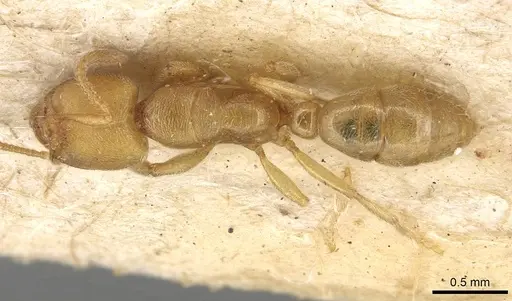
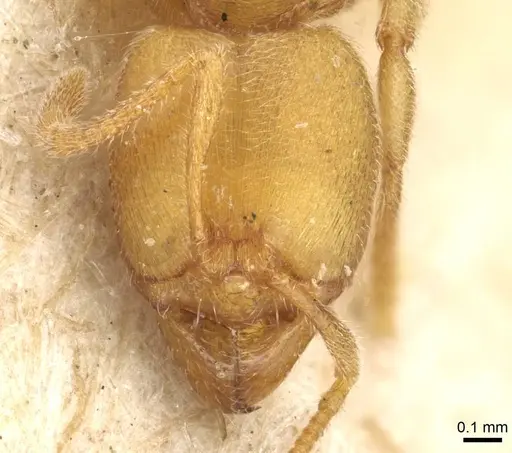
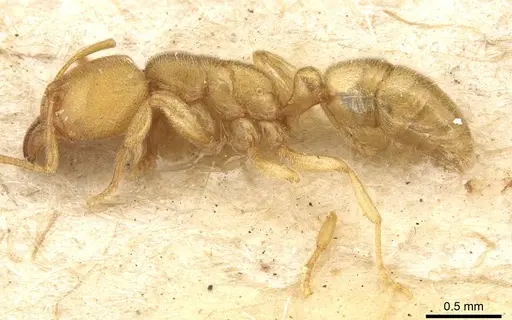
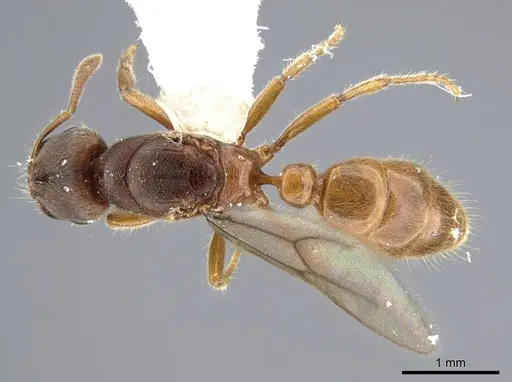
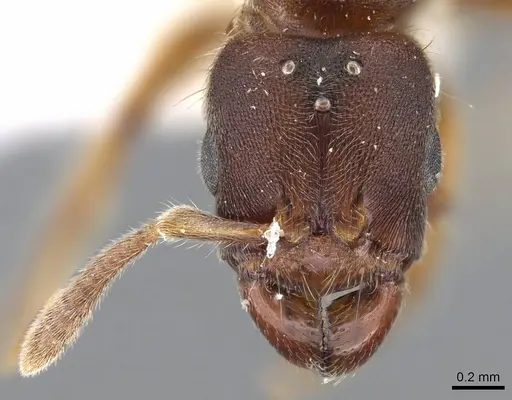
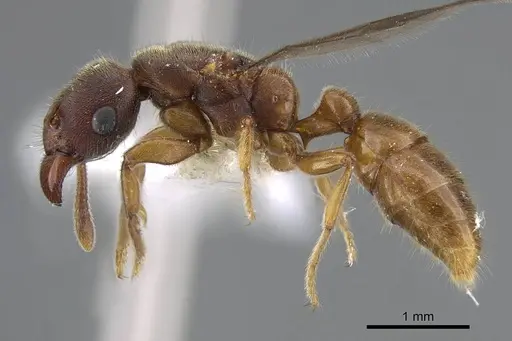
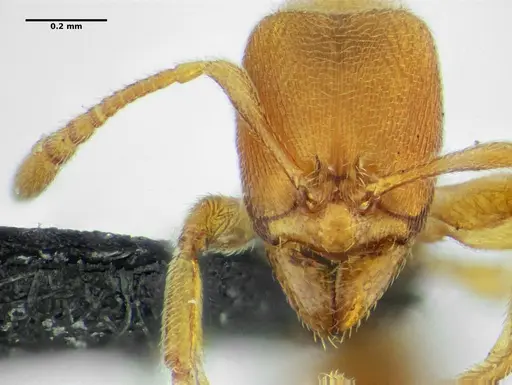
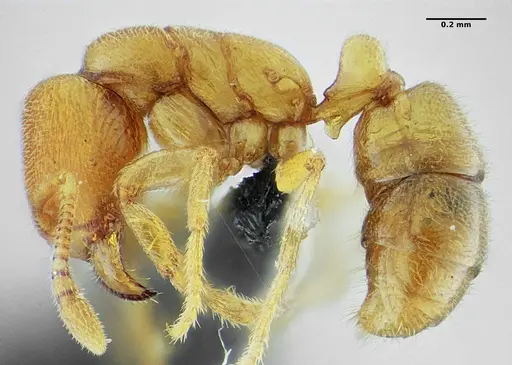
Typhlomyrmex major is a medium-sized predatory ant species native to the Neotropical region, found across Brazil, Colombia, Peru, and Argentina [1]. Workers measure approximately 4-6mm with a distinctive reddish-brown coloration and feature 12-segmented antennae with the scape reaching about 4/5 of the head capsule [1]. This species belongs to the subfamily Ectatomminae and is recognized by its cryptic lifestyle, it nests in leaf litter or as a soil-dwelling species that occasionally forages in the litter layer [1]. The genus Typhlomyrmex is known for being highly specialized predators with unique mandible structure adapted for capturing small arthropods.
Quick Summary
- Difficulty: Medium
- Origin & Habitat: Typhlomyrmex major is found across the Neotropics in Brazil (Blumenau, Piracicaba, Itambé), Colombia (Nariño at altitudes up to 1000m), Peru (Pasco), and Argentina (Pilcomayo) [1][2]. It inhabits humid tropical rainforests and Atlantic Forest fragments, with a strong preference for primary forest habitats [3][4]. This species is a habitat specialist restricted to primary forest and is not found in secondary forest or rubber plantations [3].
- Colony Type: Colony structure is unconfirmed. Workers are monomorphic (all the same size) [1]. Based on genus patterns, likely single-queen colonies, but this has not been directly documented.
- Size & Growth:
- Queen: Undescribed in available literature, estimated 6-8mm based on genus patterns
- Worker: Approximately 4-6mm inferred from head width measurements (HW: 0.68 ± 0.09mm) [1]
- Colony: Unknown, no colony size data available in research
- Growth: Unknown, likely moderate based on typical predatory ant patterns
- Development: Unknown, estimated 8-12 weeks based on related Ectatomminae species (No direct development data exists for this species. Estimates based on genus-level patterns for similar tropical predatory ants.)
- Antkeeping:
- Temperature: Keep at 22-26°C, these are tropical/subtropical forest ants from humid environments [1]. A gentle gradient with a warm side around 26°C and cooler side around 22°C allows workers to self-regulate.
- Humidity: High humidity is essential, think damp forest floor. Keep the nest substrate consistently moist but not waterlogged. This species naturally inhabits humid tropical forests and leaf litter environments [1][4].
- Diapause: Unlikely, as a tropical species, they probably do not require a true diapause. However, they may experience reduced activity during cooler dry seasons in their native range.
- Nesting: This species naturally nests in leaf litter or as a cryptic soil species [1]. In captivity, a naturalistic setup with moist substrate (like a soil-filled formicarium or test tube setup with dirt) works well. They prefer tight, enclosed spaces that mimic their natural litter/soil microhabitat. A Y-tong or plaster nest with small chambers can also work if kept consistently moist.
- Behavior: Typhlomyrmex major is a specialized predator that hunts small arthropods in the leaf litter and soil layers [1]. They are part of the specialist predators living in litter and soil guild [5]. Workers are cryptic and forage individually rather than in obvious trails. They have a functional stinger (belonging to a predatory lineage with short, stout stinger morphology) [6], though their small size means any sting is mild. They are not aggressive toward humans but will defend if threatened. Escape risk is moderate, their small size means they can squeeze through small gaps, so use standard barrier methods.
- Common Issues: habitat specialist, colonies may struggle if kept in suboptimal conditions like secondary habitat setups, small size means escape prevention must be adequate, they can slip through tiny gaps, predatory diet requirements, need constant access to small live prey, which can be challenging to provide consistently, high humidity needs, drying out is a common killer for this species, limited availability, this species is rarely kept and care information is largely inferred from genus patterns rather than captive breeding experience
Natural History and Ecology
Typhlomyrmex major is a cryptic predatory ant that lives primarily in leaf litter and soil within humid tropical and subtropical forests [1]. Researchers typically collect this species using Winkler traps (which extract ants from leaf litter samples) and TSBF methods (subterranean sampling), confirming their ground-dwelling lifestyle [1][7]. This species shows strong habitat specialization, it is restricted to primary forest and has not been found in secondary forest or rubber plantation habitats [3]. In Colombia, they have been recorded at altitudes up to 1000m, and in Venezuela at around 1240m [1][4]. The genus Typhlomyrmex is known for its specialized predatory habits, with mandible structure similar to other predatory ants in the group [1]. They likely feed on small diverse arthropods including springtails, mites, and other micro-arthropods found in forest floor debris.
Housing and Nest Setup
For Typhlomyrmex major, you'll want to recreate their natural leaf litter and soil environment. A naturalistic setup with a moist soil substrate works best, these ants are cryptic and prefer enclosed, tight spaces rather than open foraging areas. A test tube setup with damp cotton and soil, or a small formicarium filled with moist substrate, provides appropriate housing. The key is maintaining consistently high humidity without creating standing water. Use a water reservoir or regular misting to keep the substrate damp. Since they are small (around 4-6mm), ensure any connections between nest and outworld are appropriately sized. Provide a shallow water source and a small outworld for feeding. Avoid setups that dry out quickly, these forest-floor species are sensitive to desiccation. [1]
Feeding and Diet
As a predatory ant species, Typhlomyrmex major requires a protein-based diet of small live prey [1]. In captivity, offer small live insects such as fruit flies (Drosophila), pinhead crickets, small mealworms, and other appropriately-sized arthropods. They are likely generalist predators similar to related species in the genus, so they probably accept a variety of small invertebrates. Feed small prey items 2-3 times per week, adjusting based on colony consumption. Remove any uneaten prey after 24-48 hours to prevent mold. While sugar sources are not a primary food for these predatory ants, you can occasionally offer a drop of honey or sugar water, but protein should make up the bulk of their diet. Freshly killed insects are often more readily accepted than live prey if the colony is small.
Temperature and Humidity
Keep your Typhlomyrmex major colony at 22-26°C, mimicking the warm, humid conditions of their native Neotropical forests [1]. Room temperature in most homes (around 20-22°C) may be slightly cool, consider using a heating cable on one side of the nest to create a gentle gradient. Place the heating element on top of the nest, not underneath, to avoid drying out the substrate. Humidity is critical, maintain consistently moist substrate conditions. The nest should never dry out. Mist the setup regularly or use a water reservoir system. Think damp forest floor: the substrate should feel moist to the touch but not be waterlogged. Good ventilation is important to prevent mold while maintaining humidity, avoid completely sealed setups.
Behavior and Temperament
Typhlomyrmex ants are cryptic foragers that hunt individually in the leaf litter and soil rather than forming obvious foraging trails [1][5]. Workers are not particularly aggressive but will use their stinger if threatened, however, due to their small size, any sting is typically mild [6]. They are not escape artists in the traditional sense, but their small size means they can slip through gaps that larger ants cannot, so ensure your barrier methods are adequate. The colony will likely remain hidden most of the time, with workers emerging primarily to hunt. This shy, secretive behavior is normal, don't mistake it for inactivity or poor health. They are a predatory lineage with specialized stinger morphology suited for hunting small prey [6].
Frequently Asked Questions
How long does it take for Typhlomyrmex major to produce first workers?
The exact development timeline is unknown for this species. Based on related Ectatomminae species and typical tropical ant development, expect approximately 8-12 weeks from egg to first worker at optimal temperature (around 24-26°C). Patience is key, this is a slow-growing species even by ant standards.
What do Typhlomyrmex major ants eat?
They are predatory ants that hunt small arthropods. Feed them small live prey like fruit flies, pinhead crickets, small mealworms, and other tiny invertebrates. They likely accept a variety of small arthropods similar to related Typhlomyrmex species. Protein should be their primary food source.
Can I keep Typhlomyrmex major in a test tube setup?
Yes, a test tube setup with moist substrate works well for this species. They prefer tight, enclosed spaces that mimic their natural soil/litter environment. Keep the substrate consistently moist and ensure the tube is properly sealed to maintain humidity.
Do Typhlomyrmex major ants sting?
Yes, they have a functional stinger as they belong to a predatory ant lineage [6]. However, due to their small size (around 4-6mm), any sting is typically mild and comparable to a mosquito bite. They are not aggressive and will only sting if directly threatened.
Are Typhlomyrmex major good for beginners?
This species is rated as medium difficulty. While not the hardest ant to keep, it does have specific requirements: high humidity, warm temperatures, and a constant supply of small live prey. Their cryptic behavior and slow growth may also be frustrating for beginners expecting active, visible colonies. They are better suited for keepers with some experience maintaining humid, naturalistic setups.
How big do Typhlomyrmex major colonies get?
Colony size data is not available in the scientific literature. Based on their small worker size and cryptic lifestyle, colonies are likely modest, probably under 100-200 workers. This is typical for litter-dwelling predatory ants that don't form large supercolonies.
Do Typhlomyrmex major need hibernation?
No, they are tropical ants from humid Neotropical forests and do not require hibernation. They should be kept warm year-round at 22-26°C. They may show reduced activity during cooler periods, but this is not a true diapause.
Why is my Typhlomyrmex major colony dying?
The most common causes are: drying out (they need consistently moist substrate), too low temperature (below 22°C), lack of appropriate live prey (they need small live insects), and poor habitat setup (they need tight, enclosed spaces). Check these parameters first. As a habitat specialist restricted to primary forest, they are sensitive to suboptimal conditions.
When should I move Typhlomyrmex major to a formicarium?
Wait until the colony has at least 20-30 workers before considering a larger setup. For this small, cryptic species, a simple test tube setup with moist soil or a small naturalistic formicarium works well long-term. They don't need large spaces, tight chambers help them feel secure.
Can I keep multiple queens together?
Colony structure is unconfirmed for this species. Based on typical Ectatomminae patterns, they likely form single-queen colonies. Combining unrelated queens has not been documented and is not recommended. If you start with multiple founding queens, house them separately to avoid conflict.
References

This caresheet is licensed under CC BY-SA 4.0 .
Literature
Loading...Loading products...