

Typhlomyrmex lavra
- Scientific Name
- Typhlomyrmex lavra
- Tribe
- Ectatommini
- Subfamily
- Ectatomminae
- Author
- Lattke, 2002
- Distribution
- Found in 1 countries
Typhlomyrmex lavra Overview
Typhlomyrmex lavra is an ant species of the genus Typhlomyrmex. It is primarily documented in 1 countries , including Brazil. Detailed taxonomic data and occurrence records can be further explored via authoritative databases such as AntWeb or the Global Biodiversity Information Facility (GBIF).
Typhlomyrmex lavra
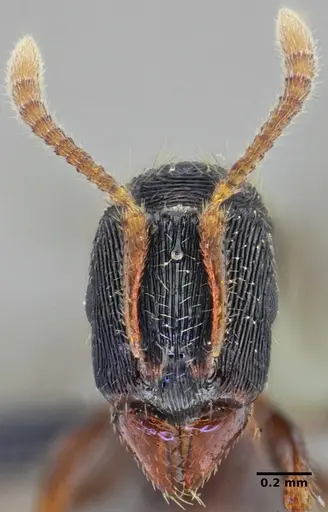
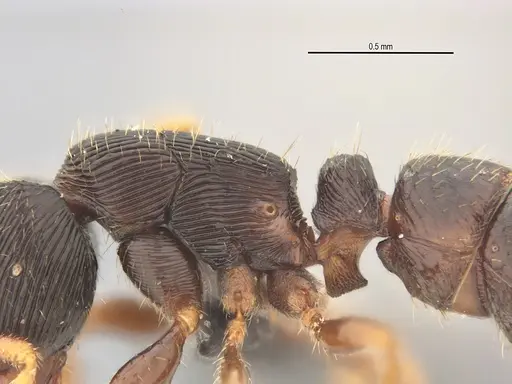
Typhlomyrmex lavra is a tiny, cryptic ant species native to the Atlantic Forests of southern Brazil. Workers measure just 3.16-3.44mm in total length, making them one of the smaller ant species you can keep [1]. They have a distinctive brown-copper to reddish-brown or black body with slightly lighter appendages, and their most striking feature is the extremely reduced eyes, they have only a single light-sensing unit (ommatidium) in each eye [1][2]. This near-blind condition, combined with being found deep in soil samples and at 25cm below ground, confirms they are partially ground-dwelling (hypogaeic) ants that prefer dark, sheltered microhabitats [3]. The species was originally described as Typhlomyrmex lavra but was transferred to Typhlomyrmex in 2022 based on genetic analysis [4].
Quick Summary
- Difficulty: Medium
- Origin & Habitat: Atlantic Forest regions of southeastern Brazil, particularly Minas Gerais (type locality: Lavras) [1]. Found in leaf litter, coffee plantations, and collected from soil layers up to 25cm deep [3].
- Colony Type: Unknown, colony structure (single queen vs multiple queens) has not been documented in scientific literature
- Size & Growth:
- Queen: 3.54mm total length (HL 0.80,HW 0.66) [1]
- Worker: 3.16-3.44mm total length (HL 0.74-0.79,HW 0.65-0.70) [1]
- Colony: Unknown, no colony size data available
- Growth: Unknown, no development timing data available
- Development: Unknown, no direct observations of colony development (No published data on egg-to-worker development timeline. Related Ectatomminae species typically develop in 6-10 weeks at warm temperatures, but this is an estimate for Typhlomyrmex lavra specifically.)
- Antkeeping:
- Temperature: Keep at room temperature or slightly above, they have been collected during cold snaps in southern Brazil suggesting tolerance to cooler conditions [3]. Start around 20-24°C and observe colony activity.
- Humidity: High humidity preferred, they inhabit leaf litter and soil environments in humid Atlantic Forests. Keep the nest substrate consistently moist but not waterlogged.
- Diapause: Unknown, no documented overwintering requirements. Their tolerance of cold temperatures suggests they may experience seasonal temperature drops in their native habitat.
- Nesting: naturalistic setups with soil or a plaster/acrylic nest with moisture retention work well. Their tiny size and ground-dwelling habit means they need tight chambers and should be protected from light, they are adapted to dark environments.
- Behavior: Very cryptic and shy. They arepredatory Ponerine ants, so they likely hunt small invertebrates. Their extremely reduced eyes mean they probably rely more on chemical and tactile cues than vision. Workers are small enough to pose an escape risk, use fine mesh barriers. They are not aggressive toward keepers but may sting if threatened (Ectatomminae have functional stingers).
- Common Issues: escape prevention is critical due to their tiny 3mm size, they can squeeze through standard test tube cotton, no published care information means you are pioneering husbandry for this species, ground-dwelling habit means they need darkness or very low light in the nest area, humidity control is important, too dry and they will desiccate, too wet and mold becomes a problem, their predatory diet may be difficult to meet with standard ant foods
Housing and Nest Setup
Typhlomyrmex lavra presents unique housing challenges due to its tiny size and ground-dwelling, light-averse nature. A naturalistic setup with a deep soil layer (at least 5-10cm) works best, mimicking their natural habitat in leaf litter and underground soil layers [3]. You can also use a plaster or acrylic nest with small chambers, but ensure the nest area remains dark, these ants have greatly reduced eyes and prefer minimal light exposure. Test tubes can work for founding colonies but may present escape risks given their small size. Use cotton wool that is packed tightly, and consider wrapping test tubes in dark material during the founding stage. A Y-tong (AAC) nest with very small chambers scaled to their 3mm body size is another option. Whatever nest type you choose, provide a moisture gradient so workers can self-regulate their humidity needs [1].
Feeding and Diet
As a member of the subfamily Ectatomminae (formerly Ponerinae), Typhlomyrmex lavra is predatory and likely hunts small invertebrates. In their native Atlantic Forest habitat, they probably prey on springtails, mites, and other tiny soil arthropods [3]. For captive care, offer small live prey such as springtails, fruit flies, and other tiny insects. They may accept small crickets or mealworm pieces, but their tiny mandibles suggest they prefer very small prey items. Sugar sources are not typically accepted by predatory Ponerine ants, so focus on protein foods. Feed small amounts every 2-3 days and remove uneaten prey to prevent mold. Since this species has not been kept in captivity before, be prepared to experiment with different prey types and sizes to determine what they will accept.
Temperature and Seasonal Care
This species appears tolerant of temperature variation based on collection records from cold snaps in southern Brazil [3]. Start with room temperature around 20-24°C, which should be suitable for their metabolic needs. They have been found at depths of 25cm below ground and in cool conditions during winter field work, suggesting they can tolerate temperatures that would slow down many tropical ants. However, to support any potential brood development, aim for the warmer end of this range. No specific diapause requirements have been documented, but if you notice reduced activity during winter months, you can lower temperatures slightly (by 3-5°C) for 2-3 months to simulate seasonal cooling. Avoid temperature extremes and sudden fluctuations. A heating cable on one side of the nest can create a gentle gradient if your room temperature runs cool.
Handling and Temperament
Typhlomyrmex lavra is a cryptic, non-aggressive species that will likely flee rather than fight when disturbed. As Ectatomminae ants, they possess a functional stinger and can deliver a painful sting if handled roughly or if the colony feels threatened [1]. However, their tiny size and reduced eyes suggest they are not aggressive foragers or defenders. When working with this species, move slowly and avoid exposing the nest to bright light. If you need to transfer them, use gentle techniques, coax them into a test tube rather than shaking them out. Workers are small enough to pose an escape risk, so check barrier integrity frequently. They are not suitable for observation-focused setups where you want to watch active foraging, these ants will remain hidden in their nest chambers or venture out only in low-light conditions.
Colony Establishment
Since Typhlomyrmex lavra has not been documented in the antkeeping hobby, you will be pioneering captive husbandry for this species. If you obtain a founding queen, she should be placed in a dark, humid setup, a small test tube with a water reservoir, wrapped in dark material, works well for initial colony establishment. Queens are similar in size to workers (3.54mm) and likely claustral (seals herself in to raise first workers), though this is not confirmed. Provide a small prey item after the first workers emerge, but do not overfeed. Growth will likely be slow given their small size and the cryptic nature of the colony. Document your observations carefully, any information you gather about founding behavior, development time, and colony growth would be valuable for the antkeeping community. [1][2][4]
Frequently Asked Questions
How long does it take for Typhlomyrmex lavra to produce first workers?
The egg-to-worker development timeline is unknown, no scientific data exists for this species. Based on related Ectatomminae (Ponerine) ants, expect 6-10 weeks at warm temperatures (around 24°C), but this is an estimate. Actual development time may be longer or shorter for this specific species.
Can I keep Typhlomyrmex lavra in a test tube?
Yes, test tubes work for founding colonies, but use tight-packed cotton and consider wrapping the tube in dark material. Their tiny 3mm size means escape prevention must be excellent, check that the cotton is packed firmly and consider using a fine mesh barrier on the outworld.
Do Typhlomyrmex lavra ants sting?
Yes, they can sting. Ectatomminae ants have functional stingers and can deliver a painful sting if threatened. However, they are cryptic and non-aggressive, so stings are unlikely unless you handle them roughly or threaten the colony.
What do Typhlomyrmex lavra eat?
They are predatory ants that likely hunt small soil invertebrates. Feed small live prey like springtails, fruit flies, and tiny insects. They probably do not accept sugar sources, as is typical for predatory Ponerine ants.
Are Typhlomyrmex lavra good for beginners?
No, this species is not recommended for beginners. There is no published captive care information, they require specific humidity and dark conditions, and their tiny size makes them prone to escape. They are best suited for experienced antkeepers who can experiment with novel husbandry techniques.
How big do Typhlomyrmex lavra colonies get?
Colony size is unknown, no data exists on maximum colony size for this species. Given their tiny worker size (3mm) and cryptic lifestyle, colonies are likely smaller than many common ant species, possibly under 100 workers.
Do Typhlomyrmex lavra need hibernation?
Diapause requirements are unconfirmed. They have been found in cold conditions in Brazil but no specific overwintering behavior has been documented. If activity slows in winter, a slight temperature reduction (3-5°C for 2-3 months) may be appropriate.
Why are my Typhlomyrmex lavra dying?
Common causes include: escape (their tiny size allows them to squeeze through gaps), desiccation from low humidity, mold from excessive moisture, starvation (they need live prey), and stress from excessive light exposure. Ensure dark, humid conditions and excellent escape prevention.
Can I keep multiple queens together?
Colony structure is unconfirmed, we do not know if they are single-queen (monogyne) or multi-queen (polygyne) colonies. Combining unrelated queens is not recommended since this has not been studied for this species.
When should I move Typhlomyrmex lavra to a formicarium?
Wait until the colony has at least 20-30 workers before considering a move. Their small size and ground-dwelling habit mean they do well in naturalistic setups with soil or in small-chambered nests, a standard formicarium may be too large and bright for them.
References

This caresheet is licensed under CC BY-SA 4.0 .
ANTWEB1038070
View on AntWeb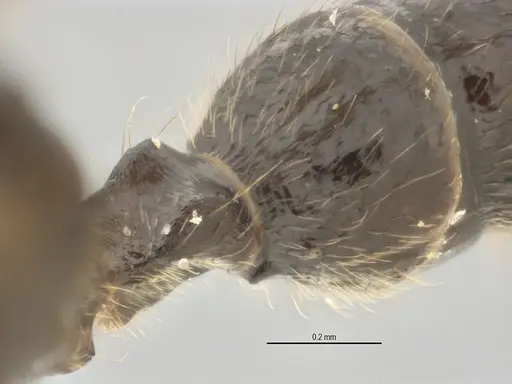
ANTWEB1038091
View on AntWeb
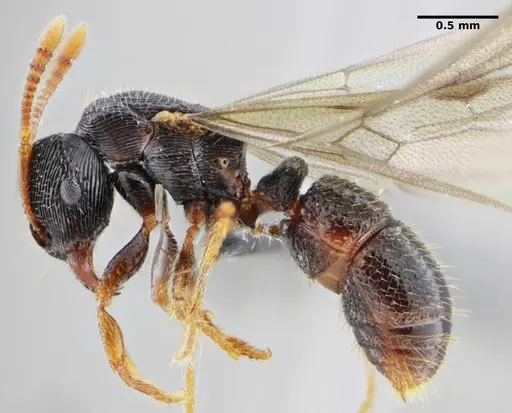
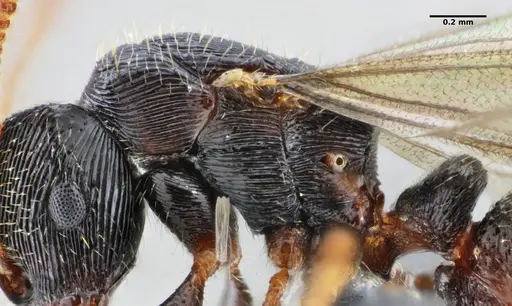
ANTWEB1038092
View on AntWeb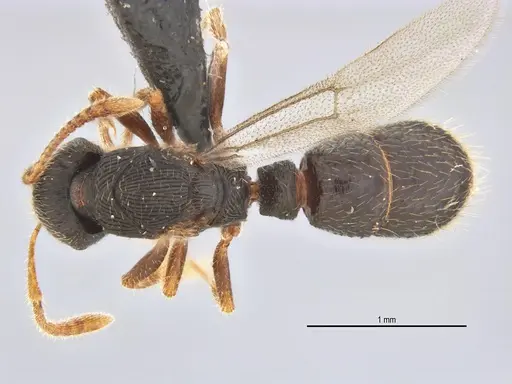
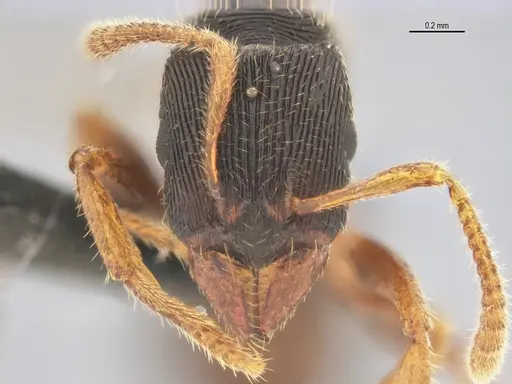
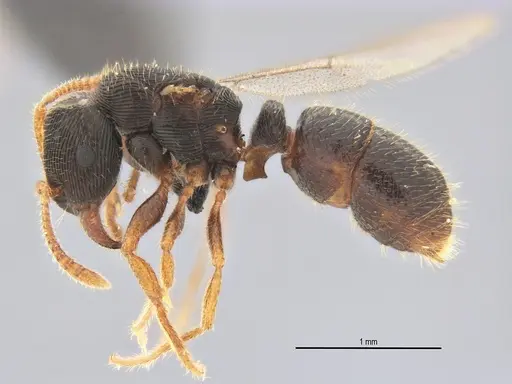
ANTWEB1038118
View on AntWeb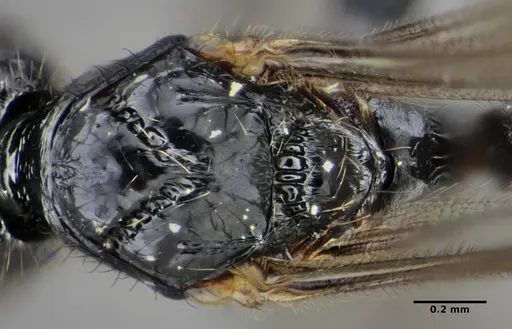
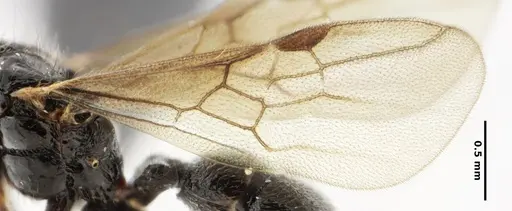
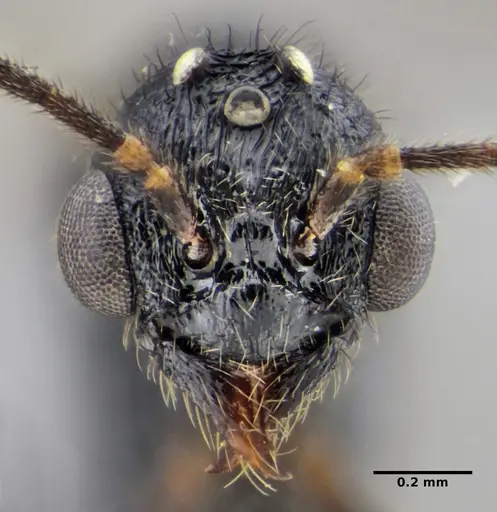
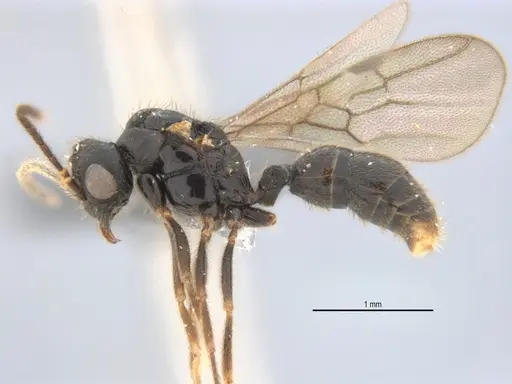
ANTWEB1038154
View on AntWeb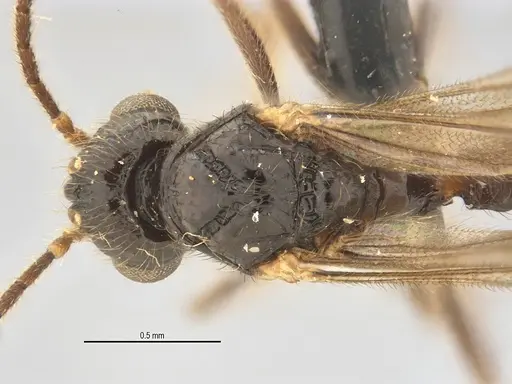
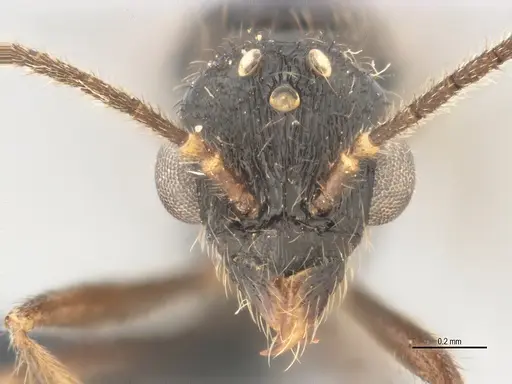
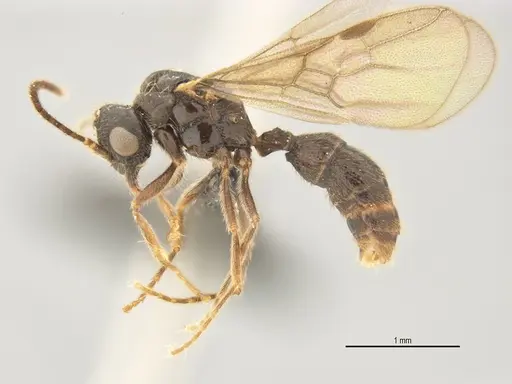
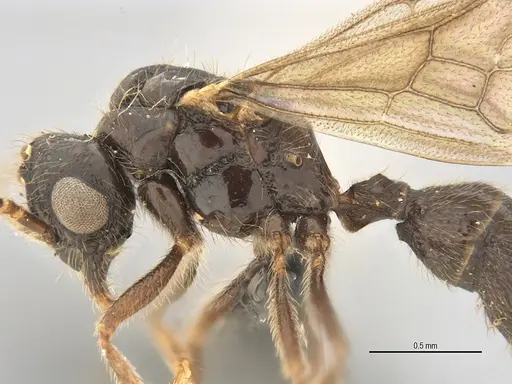
UFV-LABECOL-005809
View on AntWeb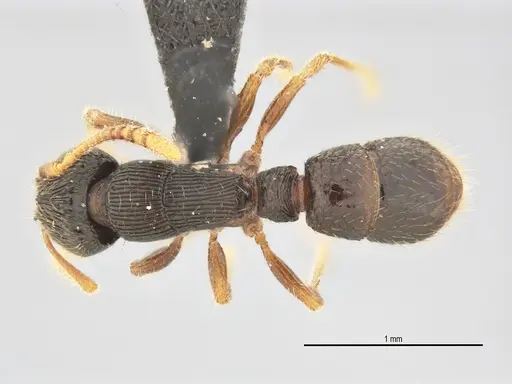
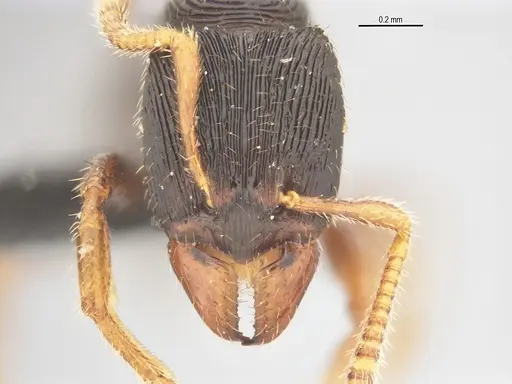
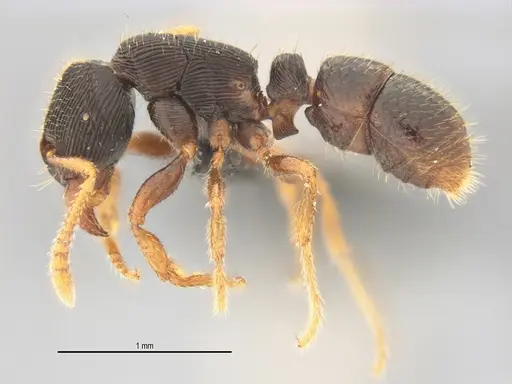
UFV-LABECOL-009965
View on AntWeb
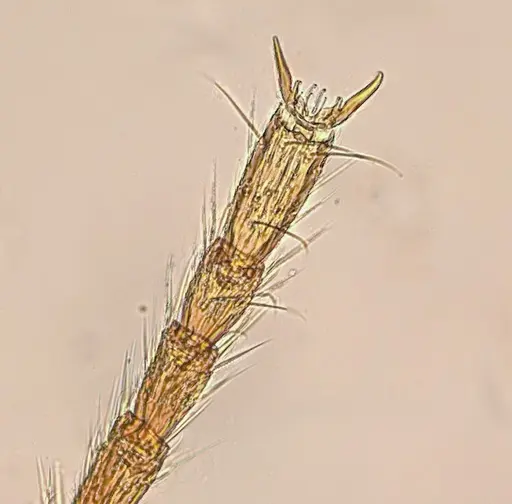
UFV-LABECOL-009968
View on AntWeb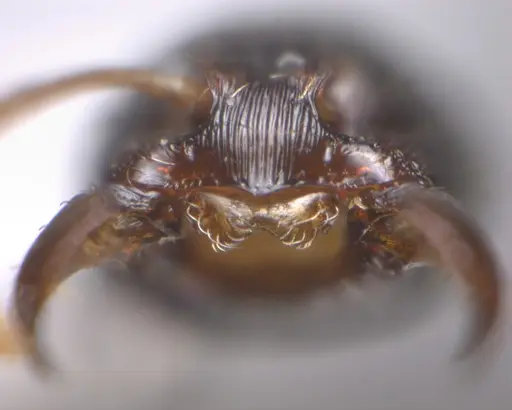
Literature
Loading...Loading products...