

Turneria bidentata
- Scientific Name
- Turneria bidentata
- Tribe
- Leptomyrmecini
- Subfamily
- Dolichoderinae
- Author
- Forel, 1895
- Distribution
- Found in 1 countries
Turneria bidentata Overview
Turneria bidentata is an ant species of the genus Turneria. It is primarily documented in 1 countries , including Australia. Detailed taxonomic data and occurrence records can be further explored via authoritative databases such as AntWeb or the Global Biodiversity Information Facility (GBIF).
Turneria bidentata
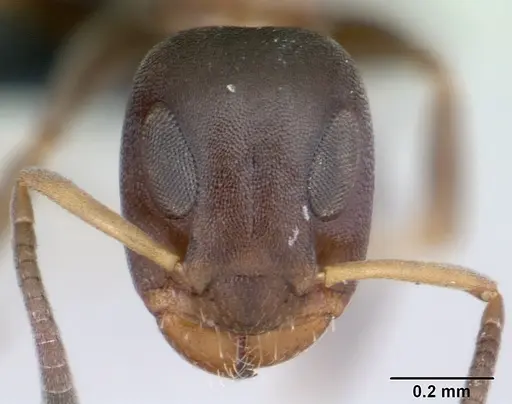
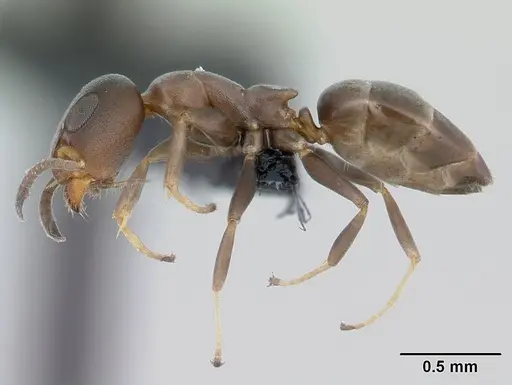
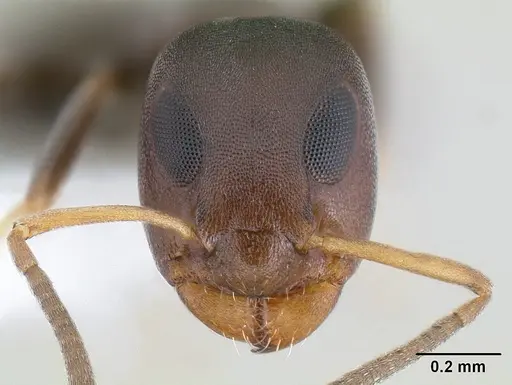
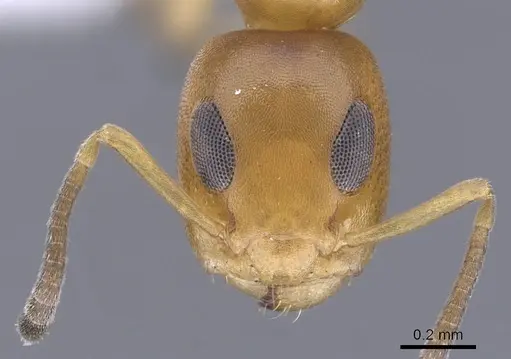
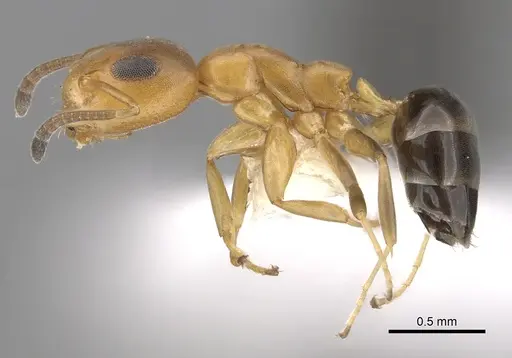
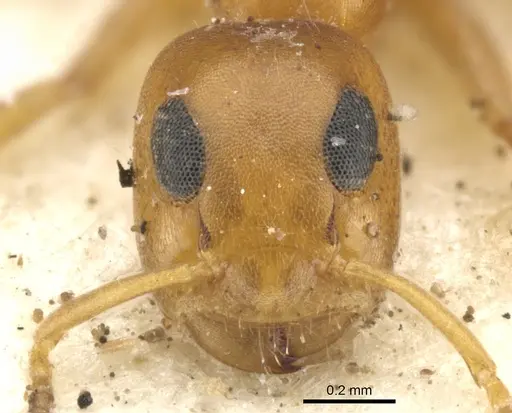
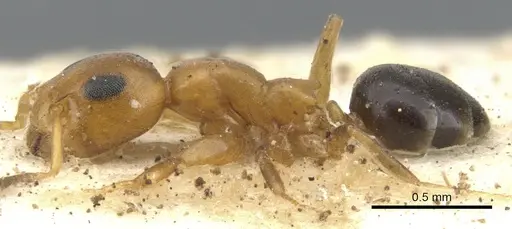
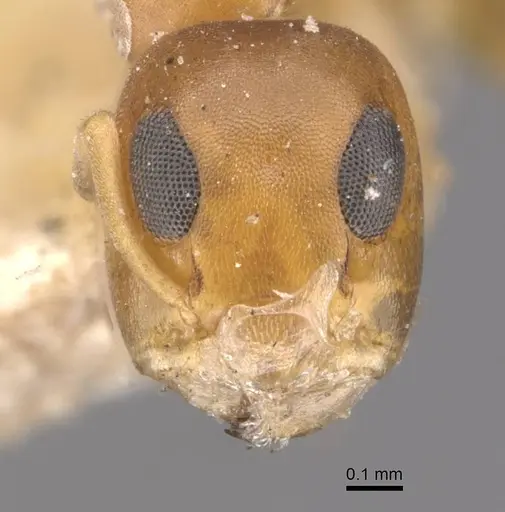
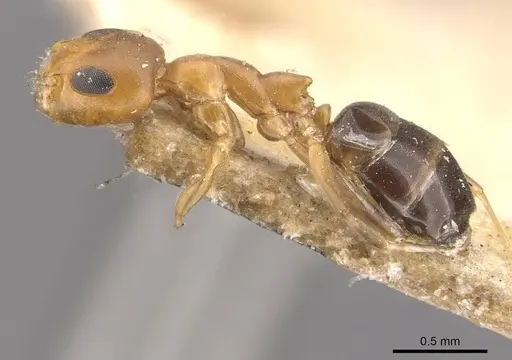
Turneria bidentata is a small twig-nesting ant native to the tropical and subtropical regions of northern Australia. Workers measure 0.65-0.75mm in head length and 0.55-0.66mm in head width, making them relatively small ants [1]. Their body color is highly variable, populations from Cairns are uniform dark brown, Mackay-area specimens are strongly bicolored with yellow head and alitrunk and brown gaster, while southern populations from Burleigh Heads are yellowish brown [1]. This species belongs to the Dolichoderinae subfamily, meaning they lack a functional stinger and instead use chemical defenses (spraying formic acid) like other ants in this group [2].
These ants are arboreal nesters, making their homes in hollow twigs and small branches of various trees and shrubs across their range [1]. They occur throughout the Top End of the Northern Territory and along the east Australian coast from Cape York Peninsula to extreme northeastern New South Wales, typically in rainforest habitats [1][3]. They are reasonably common but infrequently encountered because of their arboreal nesting habits, you have to look carefully in the right places to find them.
Quick Summary
- Difficulty: Medium
- Origin & Habitat: Tropical northern Australia (Top End of Northern Territory to northeastern New South Wales). Found in rainforest habitats across a wide elevation range from 200m to over 1000m. Nests in hollow twigs and branches of various tree and shrub species [1][3].
- Colony Type: Colony structure is unconfirmed. As a twig-nesting species, colonies are likely smaller than ground-nesting ants, possibly reaching a few hundred workers at most.
- Size & Growth:
- Queen: Unconfirmed, no queen measurements available in the literature
- Worker: HL 0.65-0.75mm, HW 0.55-0.66mm [1]
- Colony: Likely a few hundred workers based on twig-nesting habit, exact maximum unknown
- Growth: Moderate, estimated based on tropical Dolichoderinae patterns
- Development: Estimated 6-8 weeks based on related tropical Dolichoderinae species (Direct development data unavailable, estimate based on genus patterns)
- Antkeeping:
- Temperature: Keep at 24-28°C, these are tropical ants from northern Australia rainforest habitats [1]. Room temperature (22-25°C) is suitable, with a slight gradient if possible.
- Humidity: High humidity preferred (70-85%). As arboreal rainforest ants, they need consistently moist conditions. Provide a water tube and keep the nest substrate damp but not waterlogged.
- Diapause: No, being a tropical species from northern Australia, they do not require hibernation. Keep them warm year-round.
- Nesting: Twig-nesting species, they naturally nest in hollow twigs, small branches, and cavities in wood. In captivity, a small wooden nest (like Y-tong) or a naturalistic setup with twigs works well. Avoid large, open spaces, they prefer tight chambers scaled to their small size.
- Behavior: Generally calm and non-aggressive foragers. They are a predator functional group, actively hunting small arthropods [4]. As Dolichoderinae, they lack a sting but will spray formic acid as a defense when threatened. Their small size means escape prevention is important, they can squeeze through small gaps. They are arboreal and likely prefer to forage in the upper portions of the enclosure.
- Common Issues: tropical species needs warm temperatures year-round, cold will slow or stop brood development, small size means escapes are possible without fine mesh barriers, high humidity required, dry conditions can be fatal, predatory diet means they need regular protein prey, not just sugar, arboreal nature means they need vertical space and climbing structures
Housing and Nest Setup
Turneria bidentata is a twig-nesting species, which means they naturally live in small cavities inside twigs and branches [1]. In captivity, you should replicate this by providing a small, tight nest with chambers scaled to their tiny size. A Y-tong (acrylic) nest works well, or you can create a naturalistic setup with actual twigs or small wooden pieces. Avoid large, open formicaria, these ants feel safest in compact spaces.
Because they are arboreal, they appreciate vertical climbing space. Include some twigs, branches, or mesh for them to walk on. A small outworld with simple structures gives them foraging area without being overwhelming. Keep the nest humid but ensure some ventilation to prevent mold buildup.
Feeding and Diet
This species is classified as a predator functional group, meaning they actively hunt and consume small arthropods [4]. In captivity, their primary food should be small live prey such as fruit flies, springtails, and other tiny insects. You can offer pre-killed prey if live prey isn't available, but they typically prefer hunting.
Beyond protein, you should also provide sugar sources occasionally. While their predatory nature suggests protein is primary, many Dolichoderinae will accept honey water or sugar water as a supplementary energy source. Offer sugar water once or twice a week alongside their regular protein meals. Remove any uneaten prey after 24-48 hours to prevent mold.
Temperature and Humidity
As tropical ants from northern Australia's rainforests, Turneria bidentata needs warm and humid conditions [1]. Keep the nest at 24-28°C, this range supports healthy brood development. Room temperature (22-25°C) is acceptable, but avoid temperatures below 22°C as this will slow their metabolism and brood development.
Humidity is equally important. These rainforest ants need high humidity (70-85%). Keep the nest substrate consistently moist but not waterlogged. A water tube attached to the nest provides a constant moisture source. Monitor for condensation, some condensation is good, but excessive moisture leads to mold. Unlike temperate species, they do not need a winter diapause period.
Behavior and Temperament
Turneria bidentata is a relatively calm species compared to many ants. They are active foragers but not particularly aggressive. As members of the Dolichoderinae subfamily, they lack a functional stinger, their primary defense is spraying formic acid, similar to other ants in this group like Iridomyrmex and Technomyrmex [2].
Their small size (workers are under 1mm) means they can escape through tiny gaps. Use fine mesh on any ventilation holes and ensure your enclosure has no cracks or gaps larger than about 0.5mm. They are arboreal by nature, so they will likely spend more time climbing than walking on the floor of the outworld.
Frequently Asked Questions
How long does it take for Turneria bidentata to produce first workers?
The exact development timeline is unconfirmed for this species, but based on related tropical Dolichoderinae, expect around 6-8 weeks from egg to first worker at optimal temperature (24-28°C). Be patient, small colonies grow gradually.
Can I keep Turneria bidentata in a test tube?
Yes, a test tube setup works well for founding colonies. Keep the tube humid and warm, and transfer to a small nest once the colony reaches 20-30 workers. Their small size means test tube setups are easy to maintain.
What do Turneria bidentata eat?
They are predators that hunt small arthropods. Feed them small live prey like fruit flies, springtails, and tiny insects. They will also occasionally accept sugar sources like honey water, but protein should be their primary food.
Are Turneria bidentata good for beginners?
They are moderate difficulty. Their tropical temperature and humidity requirements are specific but manageable. Their small size and need for escape prevention add some challenge. If you can maintain warm, humid conditions year-round, they are a rewarding species to keep.
How big do Turneria bidentata colonies get?
Exact colony size is unconfirmed, but as twig-nesting ants, colonies likely reach a few hundred workers at most. This is smaller than many common pet ants, so expect modest colony sizes.
Do Turneria bidentata need hibernation?
No. Being a tropical species from northern Australia, they do not require hibernation or winter cooling. Keep them warm year-round at 24-28°C for best results.
When should I move my colony to a formicarium?
Move them when the test tube becomes crowded, typically around 20-40 workers. Since they are twig-nesting ants, a small wooden nest (Y-tong) or naturalistic setup with small chambers works best. Avoid moving too early.
Why are my Turneria bidentata escaping?
Their small size allows them to squeeze through tiny gaps. Check all ventilation holes, lid seams, and connection points. Use fine mesh (0.5mm or smaller) and seal any cracks. Small ants escape easily even through what looks like a tight seal.
Can I keep multiple queens together?
Colony structure is unconfirmed for this species. Combining unrelated queens has not been documented. It is not recommended to house multiple queens together unless you observe them naturally tolerating each other, start with a single queen for best results.
References

This caresheet is licensed under CC BY-SA 4.0 .
CASENT0069974
View on AntWeb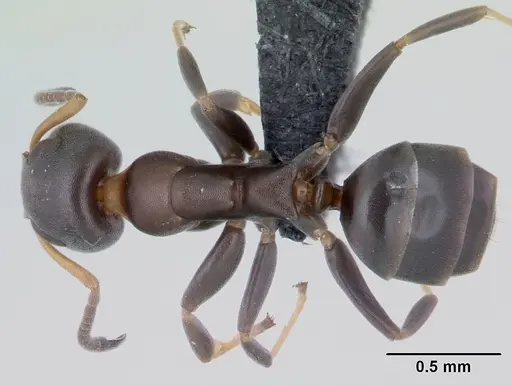
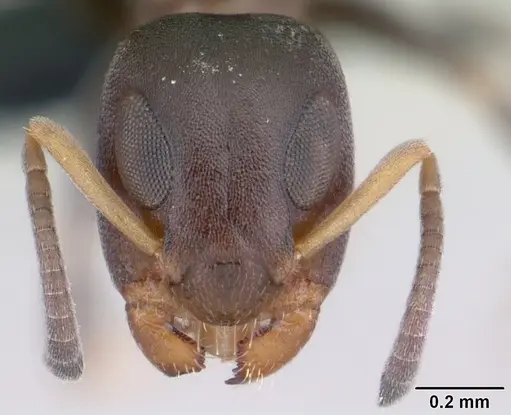
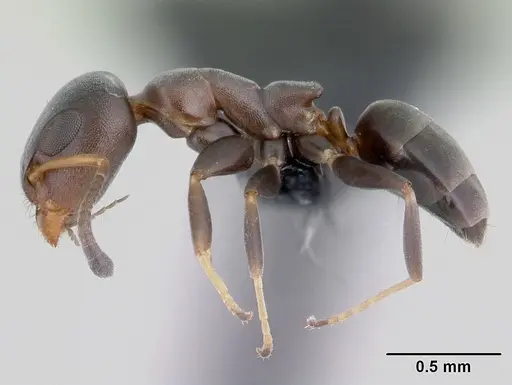
CASENT0069986
View on AntWeb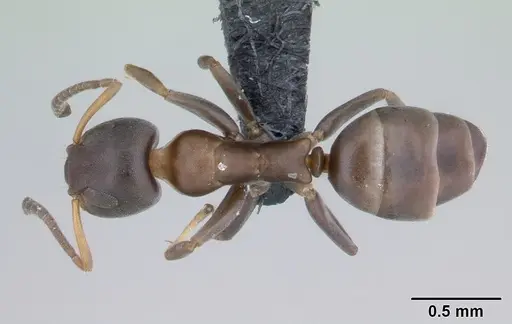
CASENT0106019
View on AntWeb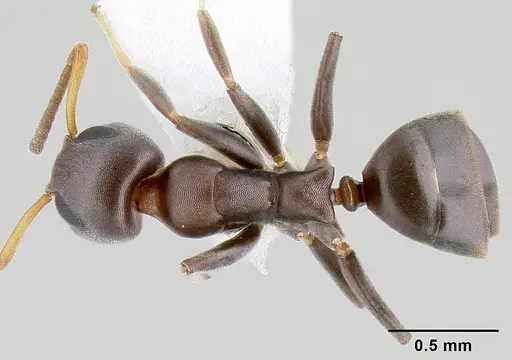
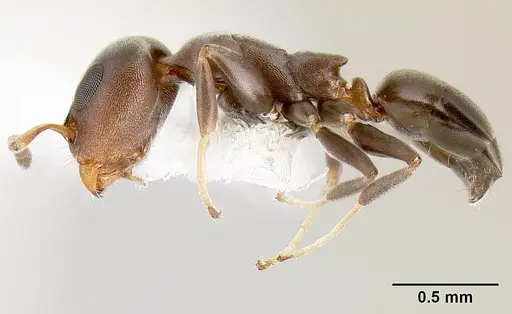
CASENT0249808
View on AntWeb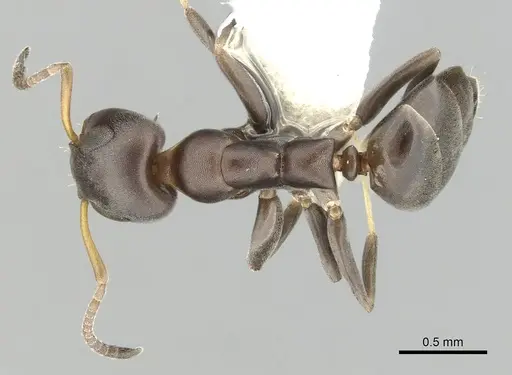
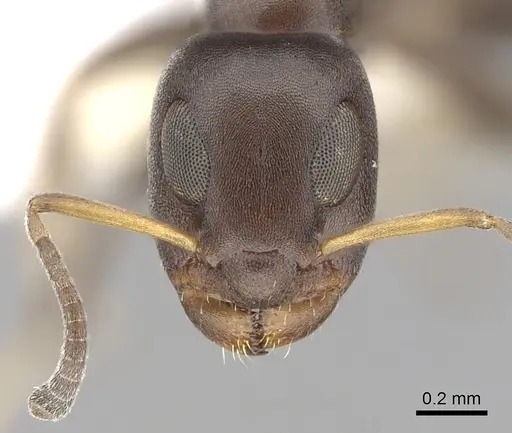
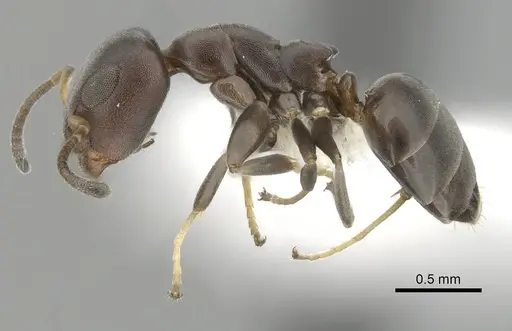
CASENT0249809
View on AntWeb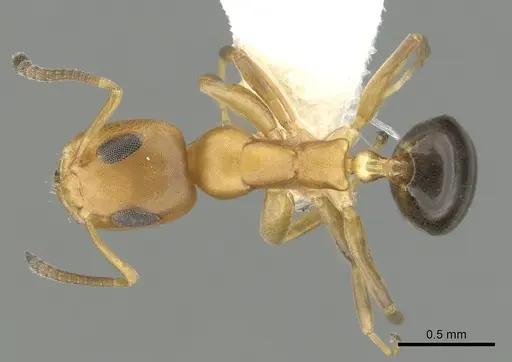
CASENT0902927
View on AntWeb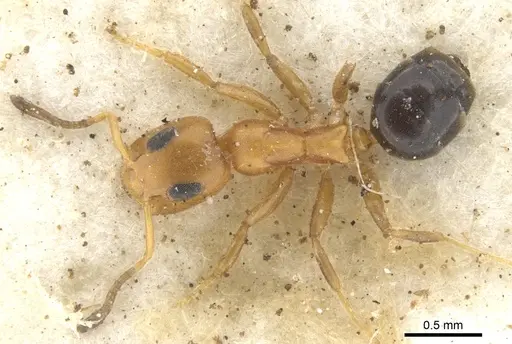
CASENT0909498
View on AntWeb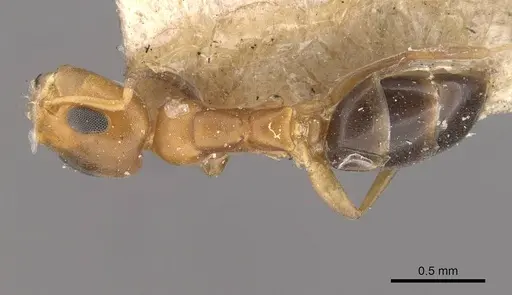
Literature
Loading...Loading products...