

Turneria arbusta
- Scientific Name
- Turneria arbusta
- Tribe
- Leptomyrmecini
- Subfamily
- Dolichoderinae
- Author
- Shattuck, 1990
- Distribution
- Found in 1 countries
Turneria arbusta Overview
Turneria arbusta is an ant species of the genus Turneria. It is primarily documented in 1 countries , including Papua New Guinea. Detailed taxonomic data and occurrence records can be further explored via authoritative databases such as AntWeb or the Global Biodiversity Information Facility (GBIF).
Turneria arbusta
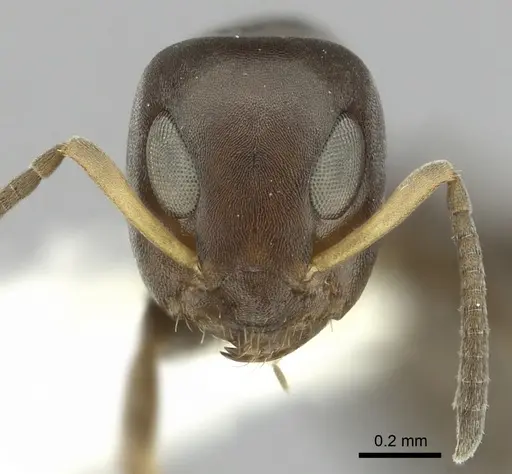
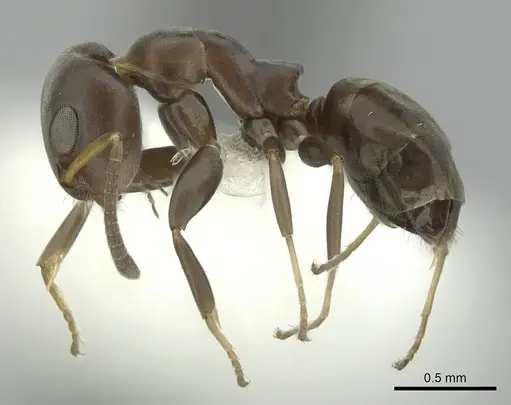
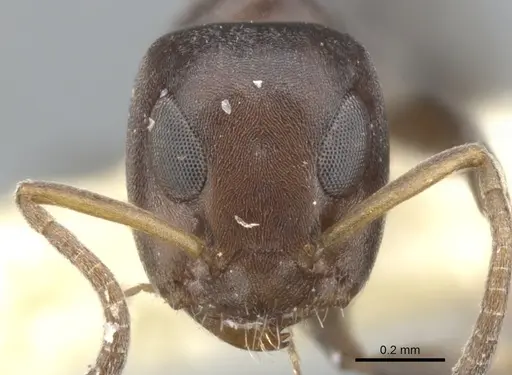
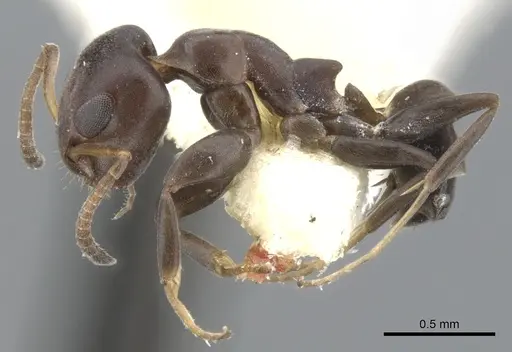
Turneria arbusta is a tiny dolichoderine ant native to northern Papua New Guinea, where it inhabits lowland rainforests [1]. Workers are remarkably small, measuring just 0.65-0.78mm in head length, with a uniform reddish-brown to dark brown coloration and slightly lighter mandibles and anterior head regions [1]. The species was formally described by Shattuck in 1990 and is distinguished from related species by its relatively long eyes and broader head shape [2].
This ant belongs to the Dolichoderinae subfamily, which means workers defend themselves by spraying formic acid rather than stinging, their bite is mild but they can give a surprisingly sharp spray. As a tropical species from PNG, they prefer warm, humid conditions similar to their rainforest canopy origin. They have been collected from low-level vegetation, suggesting they may be semi-arboreal or ground-nesting in shaded forest areas.
Quick Summary
- Difficulty: Medium
- Origin & Habitat: Northern Papua New Guinea, lowland rainforests in forested areas [1]
- Colony Type: Colony structure is unconfirmed. Single-queen colonies are typical for Dolichoderinae, but specific data for this species is lacking.
- Size & Growth:
- Queen: Approximately 3-4mm (estimated from genus patterns, no direct measurements available)
- Worker: 0.65-0.78mm head length, corresponding to roughly 2-3mm total length [1]
- Colony: Unknown, likely several hundred workers based on typical Dolichoderinae patterns
- Growth: Moderate, inferred from tropical species patterns
- Development: Estimated 6-8 weeks at optimal tropical temperatures, based on typical Dolichoderinae development (Direct development data unavailable, estimate based on related tropical dolichoderines)
- Antkeeping:
- Temperature: Keep at 24-28°C, these are tropical rainforest ants requiring warm conditions. A gentle heating gradient allows workers to thermoregulate.
- Humidity: High humidity preferred, aim for 70-85% similar to their lowland rainforest origin. Keep the nest substrate consistently moist but not waterlogged.
- Diapause: No, as a tropical species, they do not require hibernation. Maintain warm temperatures year-round.
- Nesting: Based on collection from low-level vegetation, they likely prefer humid setups with some vertical space. A test tube setup works for founding colonies, naturalistic or acrylic nests suit established colonies. Keep nesting area dark and humid.
- Behavior: Generally peaceful and non-aggressive, typical of many Dolichoderinae. Workers are active foragers, likely collecting honeydew from aphids and small insects in the wild. Their small size makes them excellent escape risks, use fine mesh barriers and tight-fitting lids. They are not defensive but will spray formic acid if threatened. Workers are relatively fast-moving and will explore their outworld actively.
- Common Issues: escape prevention is critical due to their tiny size, they can squeeze through standard test tube plugs, tropical species may struggle if temperatures drop below 22°C, high humidity requirements can lead to mold issues if ventilation is poor, slow colony growth may frustrate beginners expecting rapid development, lack of specific care data means you'll need to adapt from related species
Housing and Nest Setup
For founding colonies, a standard test tube setup works well. Fill a test tube one-third with water, plug with a cotton ball, and place the queen in the tube. Cover the tube with a dark cloth to simulate the dark nesting conditions they prefer in nature. The tube should be kept humid but not saturated, condensation on the tube walls indicates adequate moisture.
Once the colony reaches 20-30 workers, you can transition to a small acrylic nest or naturalistic setup. Because they're collected from low-level vegetation in rainforests, they appreciate some vertical space and a humid environment. Avoid dry, airy setups. A small outworld connected to the nest allows workers to forage. Use a test tube bridge or tubing to connect nest to outworld.
Escape prevention is essential, these ants are tiny and can squeeze through gaps that seem impossible. Use fluon on container rims and fine mesh on any ventilation. Check all connections regularly.
Feeding and Diet
Like most Dolichoderinae, Turneria arbusta likely has a mixed diet. In the wild, they probably forage for honeydew from aphids and scale insects, plus small insects and arthropods. In captivity, offer a few options and see what they accept.
For sugar sources, offer a drop of honey water or sugar water (roughly 1:4 sugar to water ratio) every few days. Replace any uneaten sugar water after 24 hours to prevent mold. For protein, small live prey works best, fruit flies, pinhead crickets, or small mealworms. Since these ants are tiny, prey items should be appropriately sized. You can also try commercial ant foods designed for small species.
Feed every 2-3 days, removing any uneaten prey after 24 hours. Adjust feeding frequency based on colony size and consumption. A well-fed colony will have workers with slightly distended abdomens (they store food in their social stomach).
Temperature and Humidity
As a tropical species from Papua New Guinea, Turneria arbusta requires warm temperatures year-round. Keep the nest area at 24-28°C (75-82°F). Temperatures below 22°C can slow activity and may stress the colony. A small heating cable or mat on one side of the nest creates a temperature gradient, allowing workers to move to warmer or cooler areas as needed.
High humidity is important, aim for 70-85% relative humidity in the nest area. This matches their lowland rainforest origin. Keep the nest substrate moist but not waterlogged. You can achieve this by maintaining a water reservoir in the test tube or using a moistened plaster/acrylic nest. Mist the outworld occasionally, but avoid letting water pool.
Avoid placing the nest near air conditioning vents, heaters with dry air, or in drafty areas. Stable, warm, humid conditions produce the best results.
Growth and Development
The first workers (nanitics) will be smaller than mature workers and may take 6-8 weeks to emerge at optimal temperatures. This timeline is estimated based on typical Dolichoderinae development, specific data for T. arbusta is not available. The queen will remain in the nest chamber, laying eggs and tending the first brood alone during founding.
After workers emerge, the colony growth rate depends on temperature, feeding, and queen health. Expect slow but steady growth through the nanitic stage, then moderate growth as the colony establishes. A healthy colony may reach 50-100 workers within the first year under good conditions.
Be patient, small tropical species often grow more slowly than larger temperate ants. Resist the urge to overfeed or disturb the colony frequently. Let the queen and workers establish their rhythm. Once the colony reaches 30+ workers, you can begin connecting an outworld for foraging.
Behavior and Temperament
Turneria arbusta workers are active and agile foragers, likely spending time exploring their surroundings in search of honeydew and small prey. They are not particularly aggressive or defensive, Dolichoderine ants typically rely on chemical defenses (formic acid spray) rather than stinging.
In the outworld, you'll see workers patrolling, exploring, and carrying prey back to the nest. They may establish trails to food sources once they find a reliable food supply. Their small size means they can explore surprisingly large areas relative to their body size.
They are not known for being escape artists in terms of climbing smooth surfaces, but their tiny size allows them to squeeze through microscopic gaps. Always use multiple barriers (fluon plus tight lids plus fine mesh) for safety. When threatened, they may raise their abdomen and spray formic acid, this can be irritating but is not dangerous to humans.
Frequently Asked Questions
How long does it take for Turneria arbusta to have first workers?
Expect 6-8 weeks from egg to first worker at optimal tropical temperatures (24-28°C). This is an estimate based on typical Dolichoderinae development, specific timing for this species has not been documented.
Can I keep Turneria arbusta in a test tube?
Yes, a test tube setup works well for founding colonies. Keep it humid, dark, and warm. Once the colony reaches 20-30 workers, consider moving to a small acrylic or naturalistic nest.
What do Turneria arbusta ants eat?
They likely accept a mixed diet similar to other Dolichoderinae: sugar sources (honey water, sugar water) and small protein prey (fruit flies, tiny insects). Offer both and observe what they prefer.
What temperature do Turneria arbusta need?
Keep them warm at 24-28°C (75-82°F). These tropical rainforest ants need year-round warmth. Avoid temperatures below 22°C.
Are Turneria arbusta good for beginners?
They are rated Medium difficulty. The main challenges are maintaining high humidity and preventing escapes due to their tiny size. If you can keep conditions stable and use good escape prevention, they are manageable for intermediate antkeepers.
Do Turneria arbusta need hibernation?
No, as a tropical species from Papua New Guinea, they do not require hibernation. Keep them warm and active year-round.
How big do Turneria arbusta colonies get?
Colony size is not well documented, but based on typical Dolichoderinae patterns, expect several hundred workers at maturity. Growth is moderate.
Why are my Turneria arbusta escaping?
Their tiny size allows them to squeeze through impossibly small gaps. Use multiple barriers: apply fluon to rims, use fine mesh for ventilation, and check all connections. Even a tiny crack is an escape route for these ants.
Can I combine multiple Turneria arbusta queens?
Not recommended without specific data. Dolichoderinae typically form single-queen colonies, and combining unrelated foundresses often leads to fighting. Start with one queen per colony.
References

This caresheet is licensed under CC BY-SA 4.0 .
CASENT0249807
View on AntWeb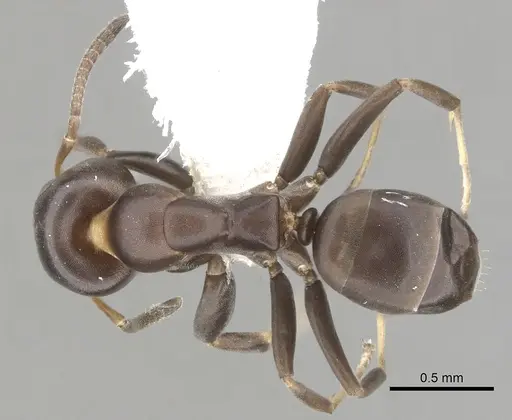
CASENT0902928
View on AntWeb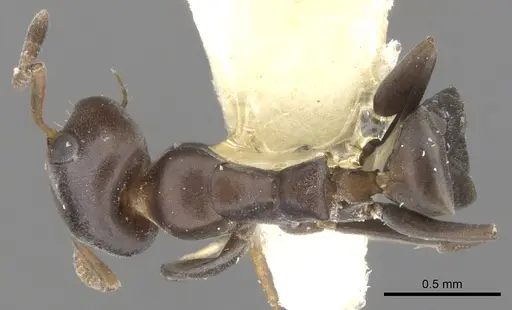
Literature
Loading...Loading products...