

Trichomyrmex robustior
- Scientific Name
- Trichomyrmex robustior
- Tribe
- Crematogastrini
- Subfamily
- Myrmicinae
- Author
- Forel, 1892
- Distribution
- Found in 5 countries
Trichomyrmex robustior Overview
Trichomyrmex robustior is an ant species of the genus Trichomyrmex. It is primarily documented in 5 countries , including Kenya, Madagascar, Namibia. Detailed taxonomic data and occurrence records can be further explored via authoritative databases such as AntWeb or the Global Biodiversity Information Facility (GBIF).
Trichomyrmex robustior
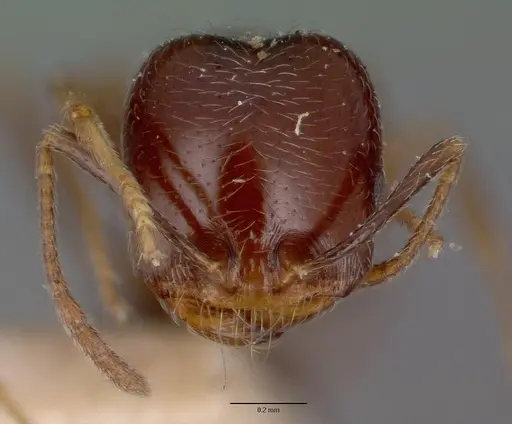
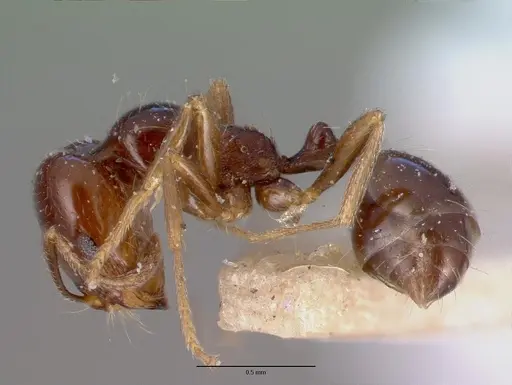
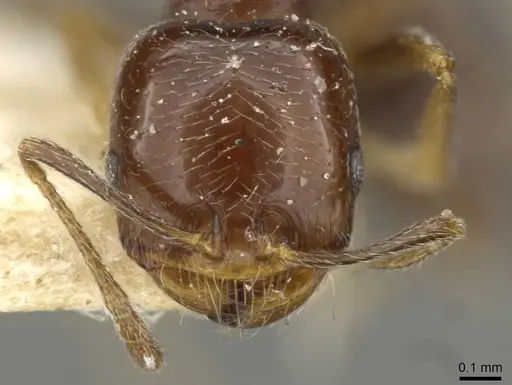
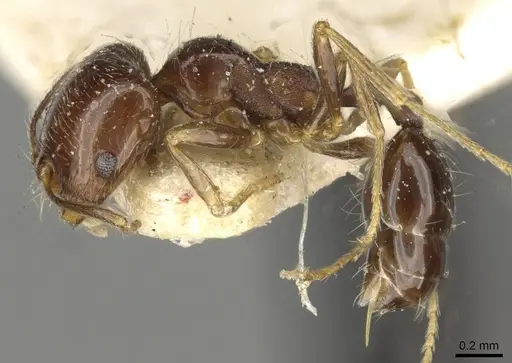
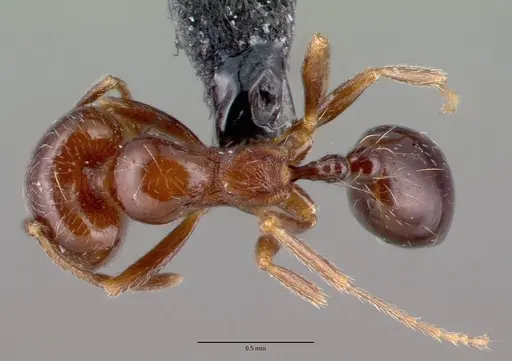
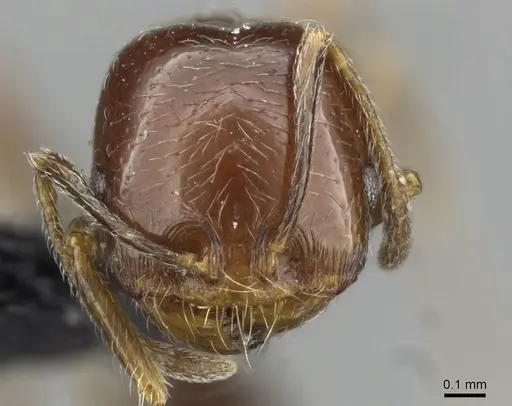
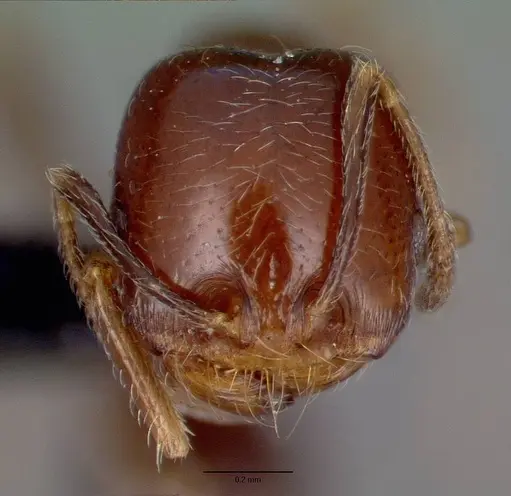
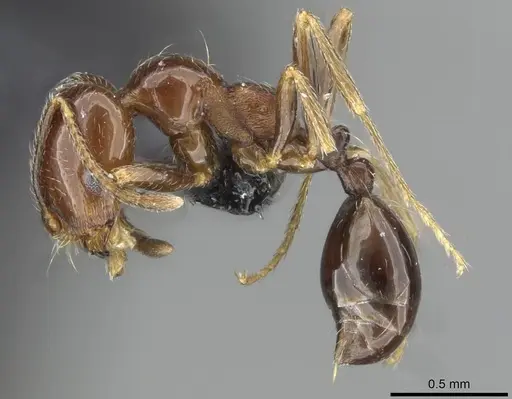
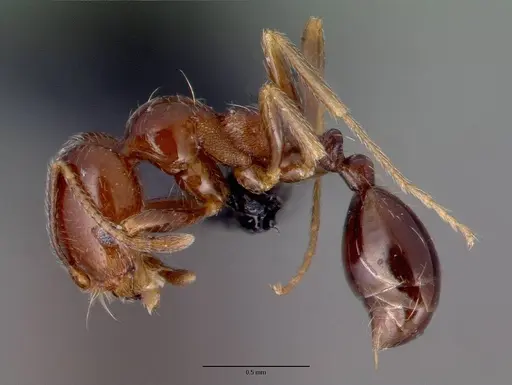
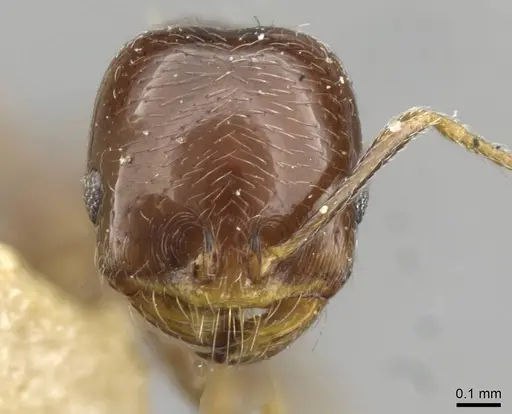
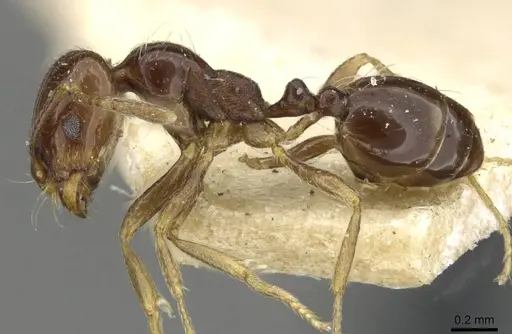
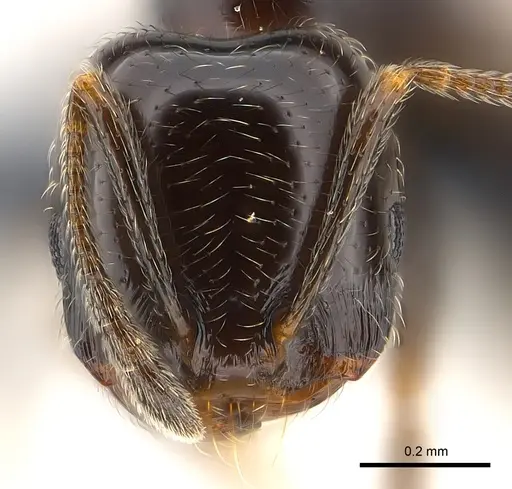
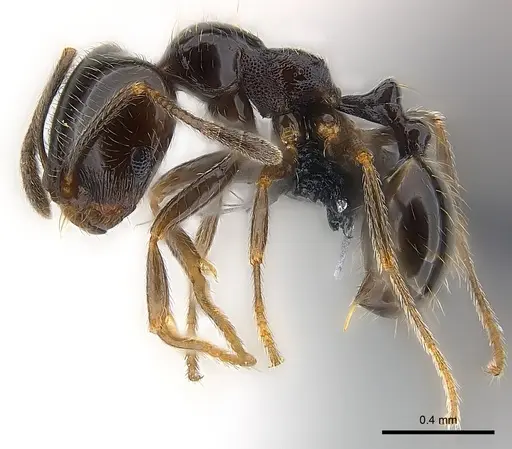
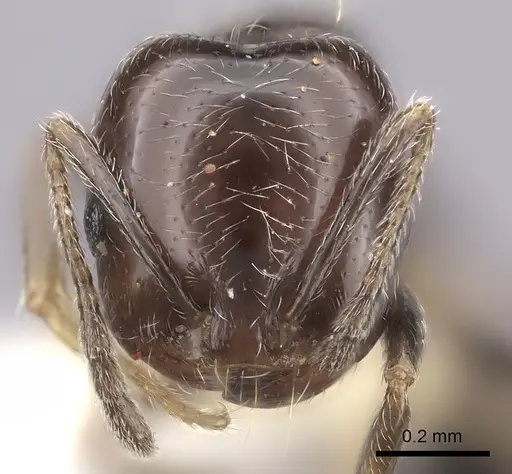
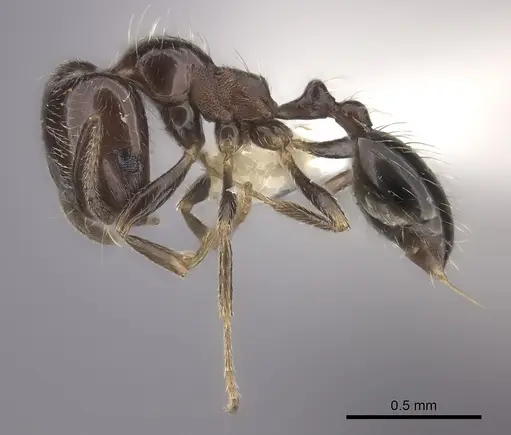
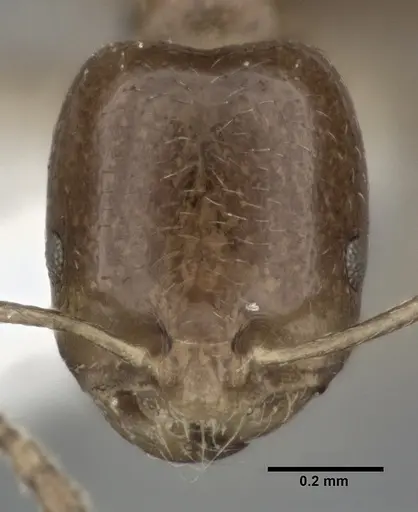
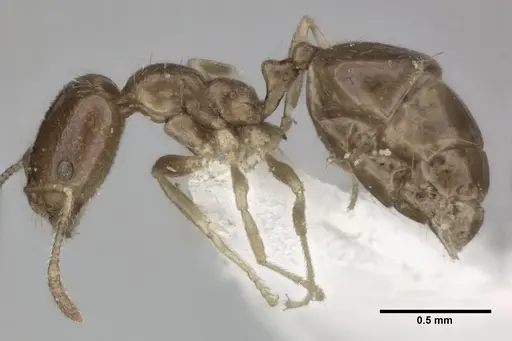
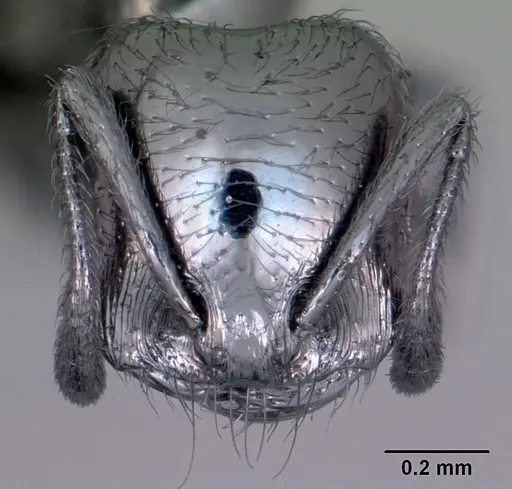
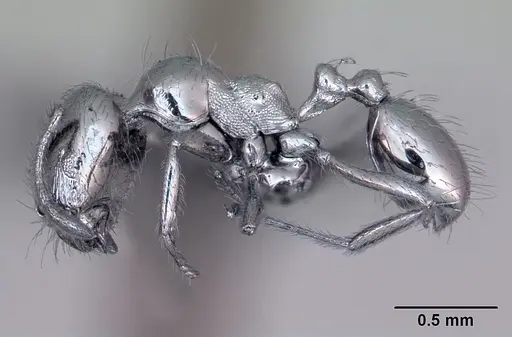
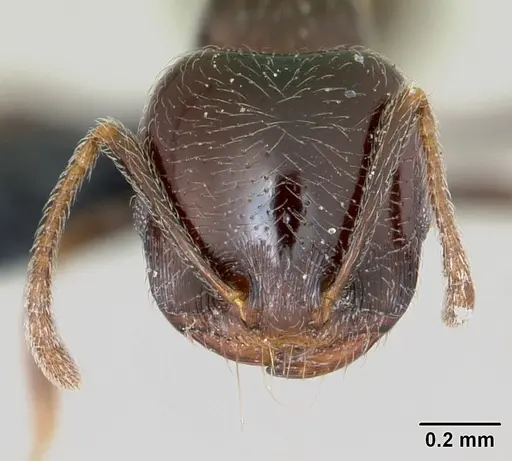
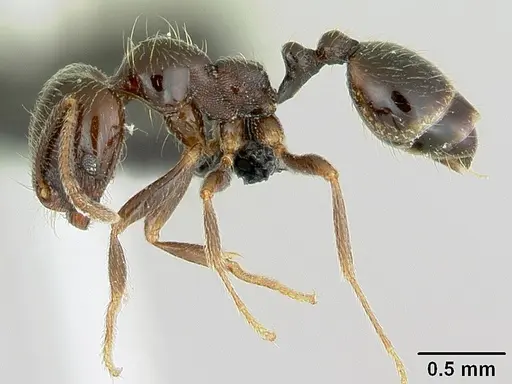
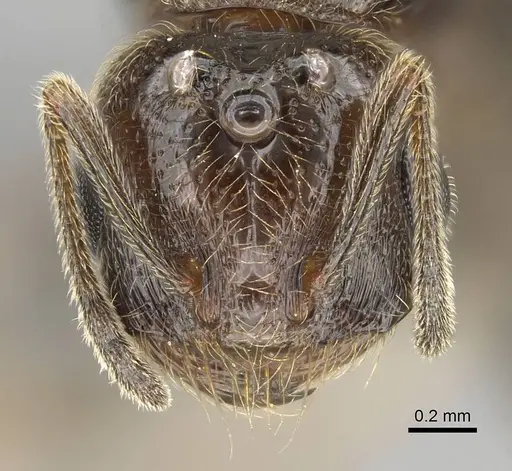
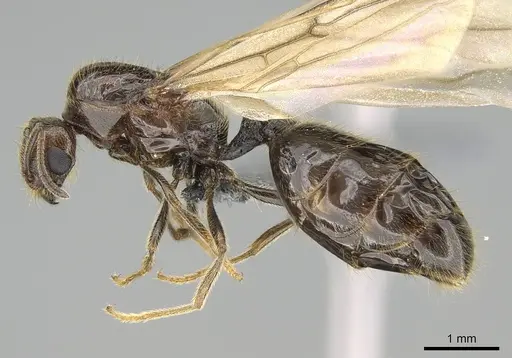
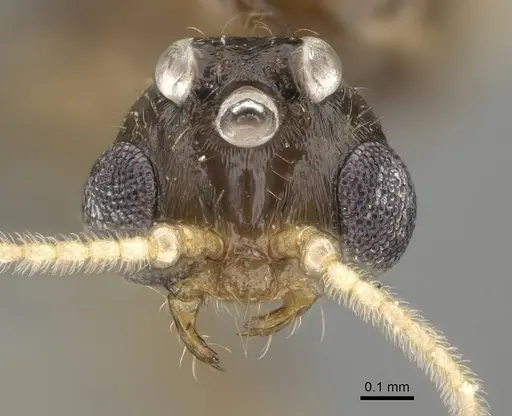
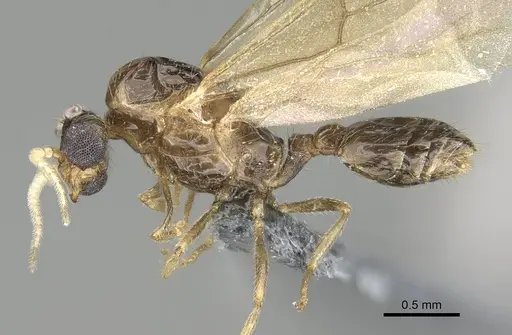
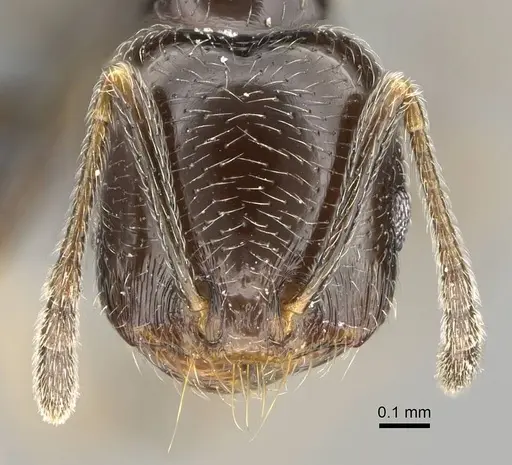
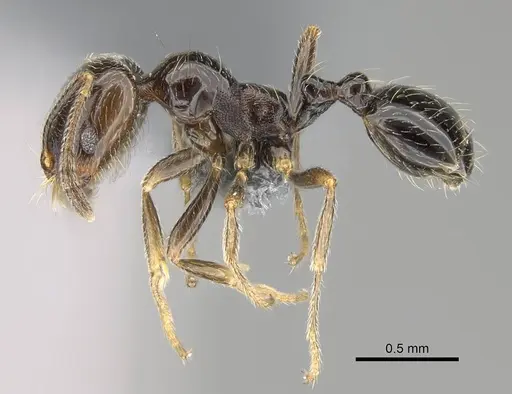
Trichomyrmex robustior is a small, dark ant measuring 2.5-3.4mm in total length [1]. Workers have a distinctive appearance with a dark brown to blackish brown body, the gaster typically darker than the head and mesosoma [1]. The head has feebly convex sides and a slightly concave posterior margin, while the promesonotum is domed in profile [1]. This species is covered in long, curved backward-directed hairs on the petiole, postpetiole, and gaster, giving it a somewhat fuzzy appearance [1]. Originally described from Somalia, T. robustior has a broad distribution across tropical Africa, the Arabian Peninsula, and Madagascar [1][2]. It belongs to the destructor species group and was previously classified under Monomorium before being reclassified into Trichomyrmex in 2015 [1].
Quick Summary
- Difficulty: Easy
- Origin & Habitat: Native to Somalia, Kenya, Madagascar, Saudi Arabia, Oman, Yemen, Eritrea, and the Democratic Republic of Congo [1][3]. In Madagascar, specimens have been collected in dry tropical and spiny forest environments [4]. This species tolerates a range of arid to semi-arid conditions across its distribution.
- Colony Type: Monogyne (single-queen colonies). Worker caste is monomorphic, meaning all workers are the same size and form [4]. The colony structure follows the typical pattern for the Trichomyrmex genus with one founding queen establishing a colony that grows over time.
- Colony: Monogyne
- Founding: Claustral
- Size & Growth:
- Queen: Unconfirmed, likely 4-5mm based on genus patterns
- Worker: 2.5-3.4mm [1]
- Colony: Unknown, likely several hundred workers based on related species patterns
- Growth: Moderate, inferred from similar small Myrmicinae
- Development: 6-8 weeks estimated based on related small Myrmicinae at optimal temperature (Development time is estimated as no direct studies exist for this species. Similar small ants in the Myrmicinae subfamily typically develop from egg to worker in 6-8 weeks at warm temperatures.)
- Antkeeping:
- Temperature: Keep at 24-28°C, these are tropical to subtropical ants that prefer warm conditions. A heating cable on one side of the nest creates a helpful gradient. Avoid temperatures below 20°C for extended periods.
- Humidity: Low to moderate, these ants come from dry environments. Keep the nest substrate slightly moist but allow portions to dry out. Avoid the constant saturation that would be appropriate for rainforest species. A water test tube provides drinking water.
- Diapause: No, being a tropical/subtropical species, T. robustior does not require hibernation or winter dormancy. Keep them at warm temperatures year-round.
- Nesting: These small ants do well in test tube setups for founding colonies. For established colonies, Y-tong (AAC) nests or plaster nests work well. They prefer compact chambers scaled to their tiny size. Avoid tall, open spaces.
- Behavior: Workers are active foragers that search for food both on the ground and may climb. They are not particularly aggressive toward keepers but will defend their nest. Their small size (2.5-3.4mm) means they can escape through tiny gaps, excellent escape prevention is essential. Use fine mesh barriers and tight-fitting lids. They likely have typical Myrmicinae defensive capabilities including the ability to sting if threatened, though their small size makes the sting mild.
- Common Issues: escape prevention is critical, at 2.5-3.4mm, they can squeeze through remarkably small gaps requiring fine mesh barriers, overheating is a risk, while they need warmth, direct heat sources can quickly kill colonies in small setups, colonies may decline if kept too wet, their dry forest origins mean excess moisture causes problems, slow founding phase, claustral queens seal themselves in and may take weeks before first workers emerge, wild-caught colonies may carry parasites that can devastate captive populations
Housing and Nest Setup
For founding colonies, a simple test tube setup works perfectly. Fill a test tube one-third with water, plug it with a cotton ball, and place the queen in the tube. The queen will seal herself into a chamber at the front and remain there until her first workers emerge. For established colonies with 50+ workers, consider moving them to a Y-tong (AAC) nest or a small plaster formicarium. These nests provide the tight chambers and narrow passages that suit their small size. Avoid large, open spaces that can stress small colonies. A small outworld connected to the nest allows for foraging space. Always use excellent escape prevention, these tiny ants will find any gap. Apply Fluon to the inner walls of any container and use fine mesh on all ventilation holes.
Feeding and Diet
Trichomyrmex robustior is an omnivorous species that will accept a variety of foods. In captivity, offer sugar water or honey as a constant energy source. For protein, provide small insects like fruit flies, pinhead crickets, or mealworms. Chop prey into appropriately sized pieces, these are tiny ants that cannot tackle large prey items. A varied diet helps maintain colony health. Remove uneaten food after 24-48 hours to prevent mold. Fresh water should always be available, either through a water test tube or a small water dish in the outworld.
Temperature and Heating
These tropical ants require warm temperatures to thrive. Maintain the nest area at 24-28°C for optimal colony development and brood production. A heating cable placed on one side of the nest creates a temperature gradient that allows ants to regulate their own exposure to warmth. Room temperature may be insufficient in cooler climates, monitor with a thermometer. Avoid placing the nest directly on heating mats as this can cause dangerous hot spots. The ideal setup has the warm end at around 28°C and the cooler end a few degrees lower. Do not let temperatures exceed 32°C or drop below 20°C for extended periods.
Humidity and Water
As ants from dry tropical and spiny forest environments, T. robustior prefers lower humidity than many other ant species. Keep the nest substrate slightly moist but not saturated. A water test tube connected to the nest provides drinking water and maintains some humidity without creating the damp conditions that lead to mold. Allow portions of the nest to dry out between waterings. In the outworld, a small water dish is appreciated. Avoid misting the nest directly as constant moisture can be harmful. The key is balance, damp enough to prevent desiccation but not wet.
Colony Development and Growth
A claustral queen will seal herself into a chamber and remain inside throughout the founding phase. She lays eggs and feeds the larvae from her stored fat reserves and muscle breakdown. The first workers (nanitics) are typically smaller than mature workers and may appear paler. After nanitics emerge, the queen resumes egg-laying and the colony begins growing in earnest. Expect 6-10 weeks from founding to first workers emerging, though this varies with temperature. Once workers are active, the colony enters a growth phase. A healthy colony should grow steadily over months and years, eventually reaching several hundred workers. Patience is essential, small Myrmicinae colonies grow more slowly than larger species like Camponotus.
Behavior and Temperament
Workers are active foragers that search the outworld for food. They are not particularly aggressive toward the keeper but will bite or sting if their nest is threatened. Their small size makes them less intimidating than larger ants, but they should still be respected. The species is not known for unusual behaviors like slave-making or temporary parasitism, it follows the standard Myrmicinae colony lifecycle. Workers communicate through chemical trails and will recruit nestmates to good food sources. The colony will establish defined foraging patterns once established. Their small size means they explore thoroughly and can find food in surprising places.
Frequently Asked Questions
How long does it take for Trichomyrmex robustior to have first workers?
Expect first workers (nanitics) to emerge 6-10 weeks after the queen is sealed in, depending on temperature. Warmer temperatures (around 26-28°C) speed development, while cooler temperatures slow it down. The queen is claustral, she seals herself in and raises the first brood entirely on her own using stored fat reserves.
What do Trichomyrmex robustior ants eat?
They are omnivorous. Offer sugar water or honey as a constant energy source, and protein sources like small insects (fruit flies, pinhead crickets, small mealworms) twice weekly. Chop prey into tiny pieces appropriate for their 2.5-3.4mm worker size. Remove uneaten food after 24-48 hours to prevent mold.
Can I keep Trichomyrmex robustior in a test tube?
Yes, test tubes are ideal for founding colonies. Use a standard test tube setup with a water reservoir plugged by cotton. The queen will seal herself into a chamber at the front. Keep the tube in a warm, dark place during the founding phase. Once the colony reaches 30-50 workers, consider moving to a more spacious nest like a Y-tong.
Do Trichomyrmex robustior ants need hibernation?
No, they do not require hibernation. This is a tropical/subtropical species from Africa and the Arabian Peninsula. Keep them warm year-round at 24-28°C. Unlike temperate species, they remain active throughout the year and do not enter diapause.
How big do Trichomyrmex robustior colonies get?
Colony size is not well documented but likely reaches several hundred workers based on related species patterns. They are smaller ants (2.5-3.4mm workers) so colonies tend to be more modest in size compared to large carpenter ants. A healthy established colony may reach 200-500 workers over several years.
Are Trichomyrmex robustior ants aggressive?
They are not particularly aggressive toward keepers but will defend their nest if threatened. Workers may bite and are capable of stinging, though their small size makes the sting mild. They are more likely to flee than attack when disturbed. Their small size makes them appear less threatening than larger ant species.
What temperature is best for Trichomyrmex robustior?
Keep nest temperatures at 24-28°C. A heating cable on one side of the nest creates a gradient. This tropical species needs warmth for optimal brood development and colony growth. Avoid temperatures below 20°C or above 32°C.
Why are my Trichomyrmex robustior escaping?
At only 2.5-3.4mm, these ants are excellent escape artists. You need excellent escape prevention: apply Fluon to inner container walls, use fine mesh (0.5mm or smaller) on all ventilation, and ensure all lids fit tightly. Check for gaps around water tubes and any connections between nest and outworld.
Can I keep multiple Trichomyrmex robustior queens together?
No, this is a monogyne species with single-queen colonies. Unlike some related species that can form multi-queen colonies, T. robustior typically has only one queen per colony. Do not attempt to introduce multiple foundresses to an established colony as this will likely result in fighting.
Is Trichomyrmex robustior good for beginners?
Yes, this species is suitable for beginners. They are small but hardy, do not require hibernation, and accept a wide variety of foods. The main challenges are escape prevention due to their tiny size and the need for warm temperatures. Theirclaustral founding makes them relatively straightforward to establish.
References

This caresheet is licensed under CC BY-SA 4.0 .
CASENT0008629
View on AntWeb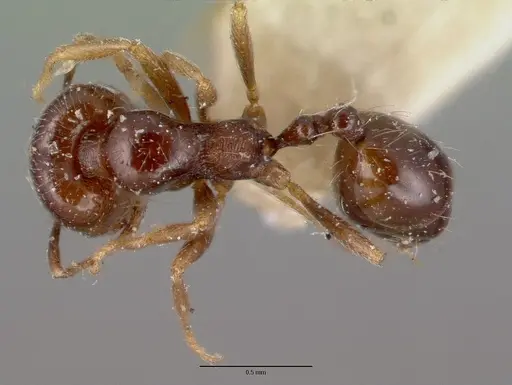
CASENT0101596
View on AntWeb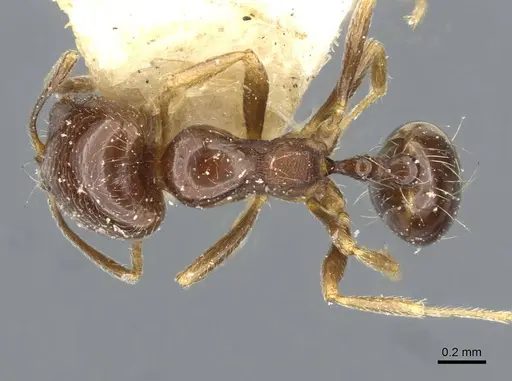
CASENT0101849
View on AntWeb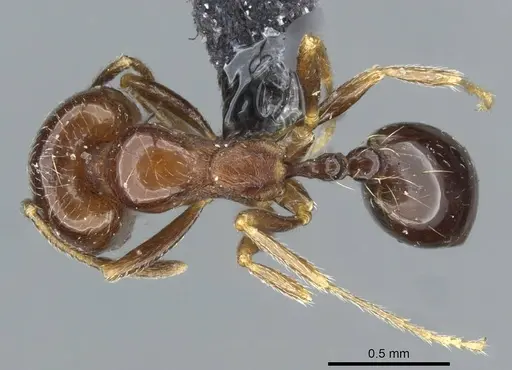
CASENT0101865
View on AntWeb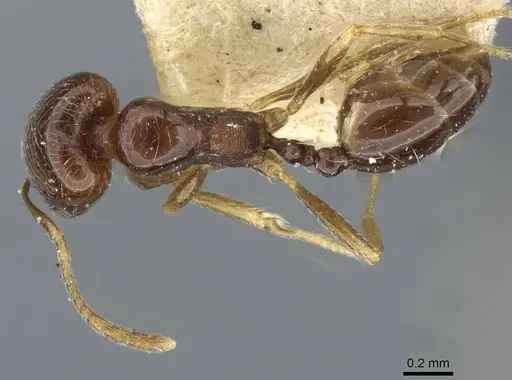
CASENT0147087
View on AntWeb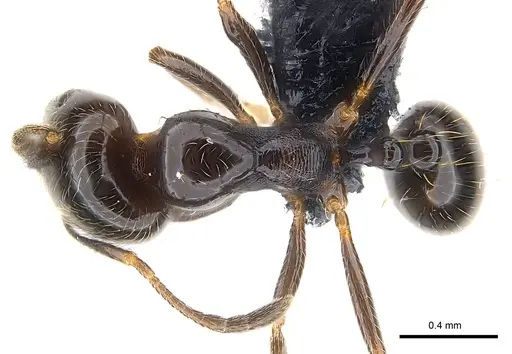
CASENT0217175
View on AntWeb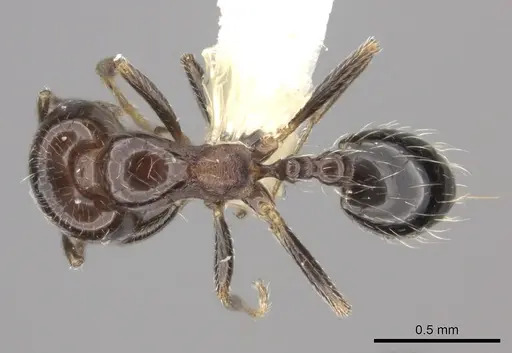
CASENT0217358
View on AntWeb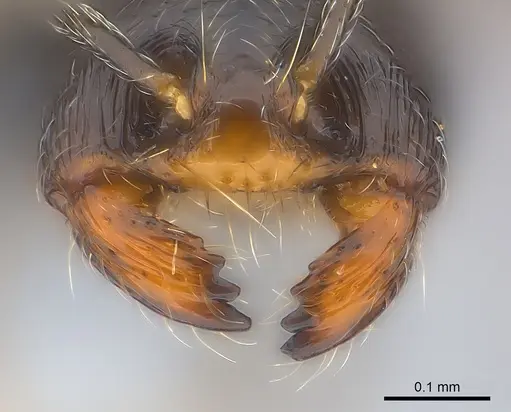
CASENT0246079
View on AntWeb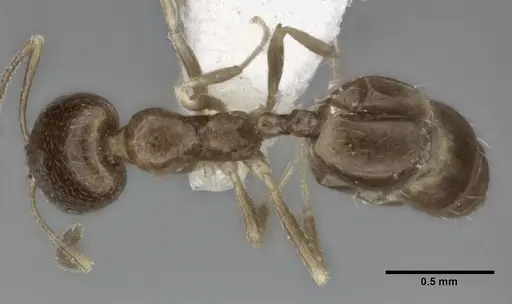
CASENT0442839
View on AntWeb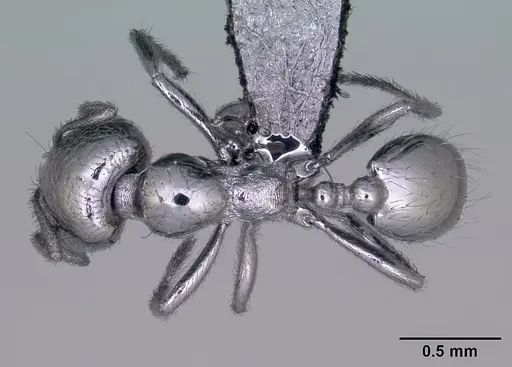
CASENT0449751
View on AntWeb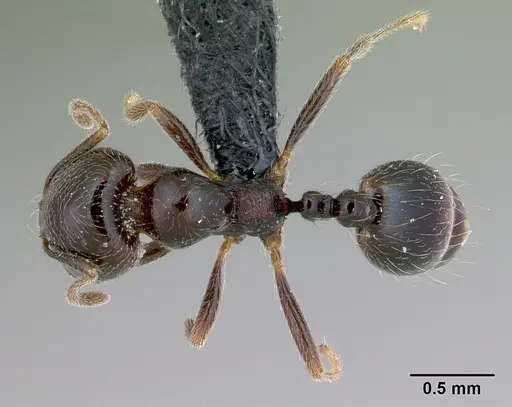
CASENT0724118
View on AntWeb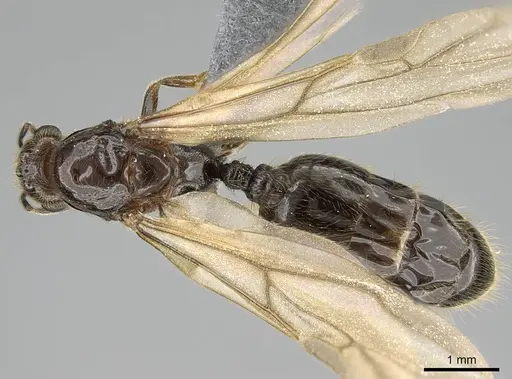
CASENT0724204
View on AntWeb
CASENT0724209
View on AntWeb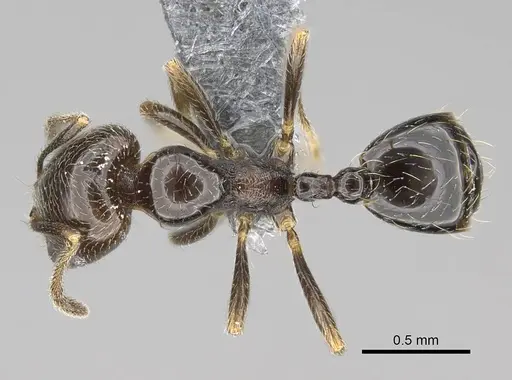
Literature
Loading...Loading products...