

Trichomyrmex oscaris
- Scientific Name
- Trichomyrmex oscaris
- Tribe
- Crematogastrini
- Subfamily
- Myrmicinae
- Author
- Forel, 1894
- Distribution
- Found in 7 countries
Trichomyrmex oscaris Overview
Trichomyrmex oscaris is an ant species of the genus Trichomyrmex. It is primarily documented in 7 countries , including Burkina Faso, Ghana, Senegal. Detailed taxonomic data and occurrence records can be further explored via authoritative databases such as AntWeb or the Global Biodiversity Information Facility (GBIF).
Trichomyrmex oscaris - "Oscar's Ant"
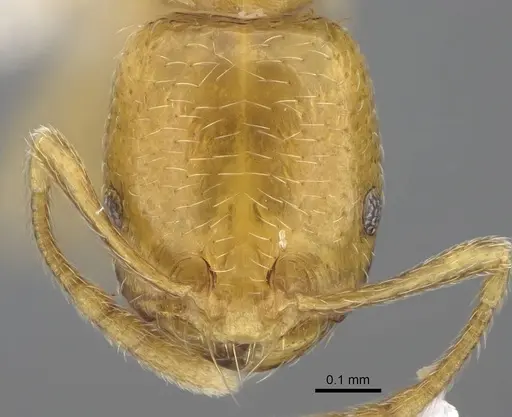
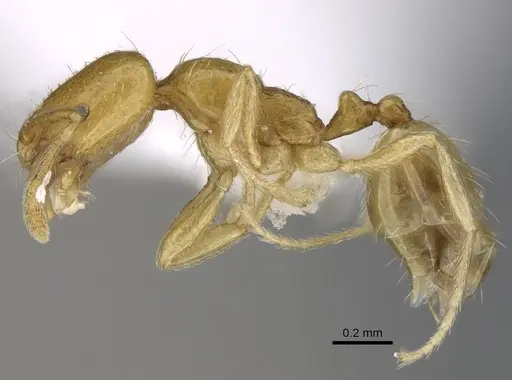
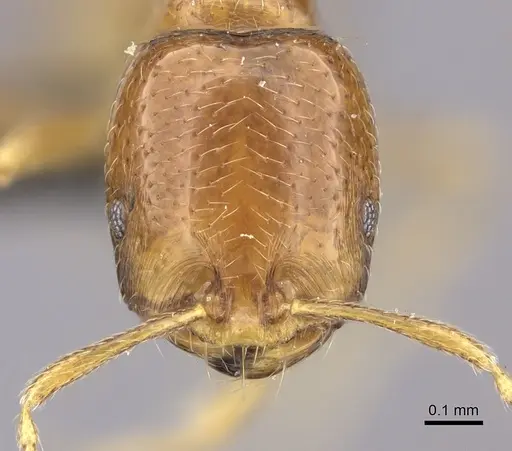
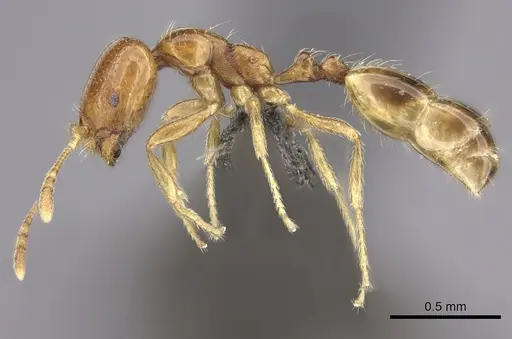
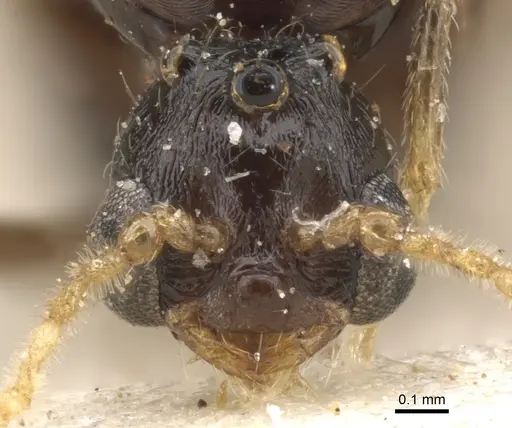
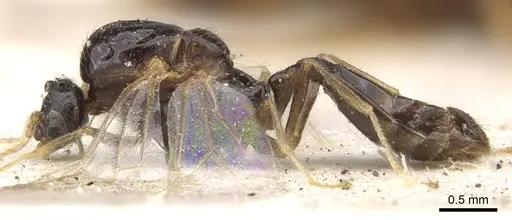
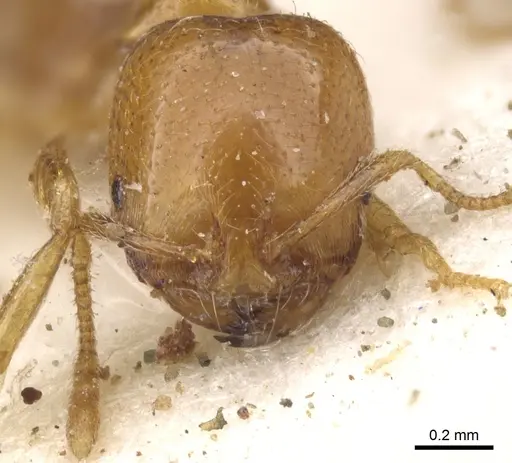
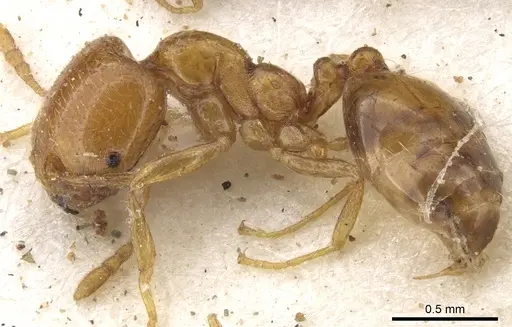
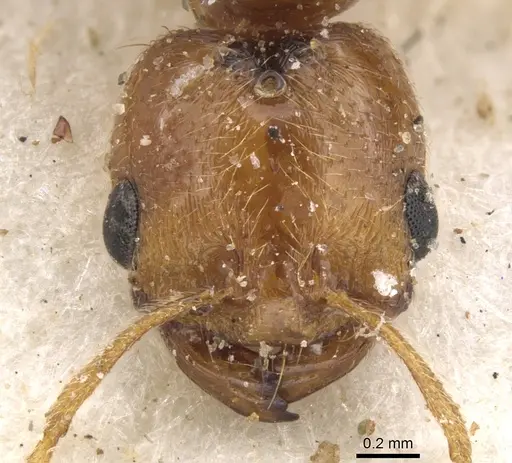
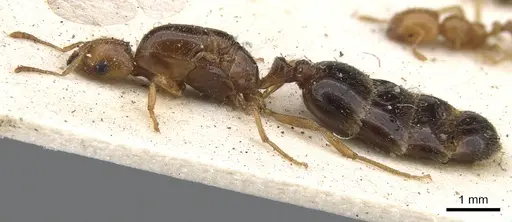
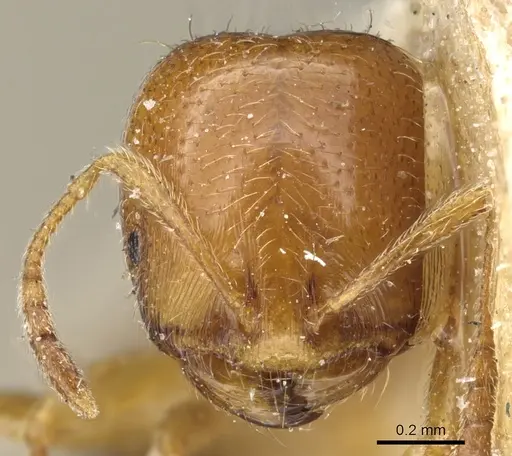
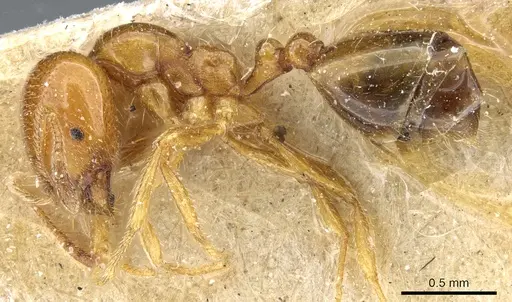
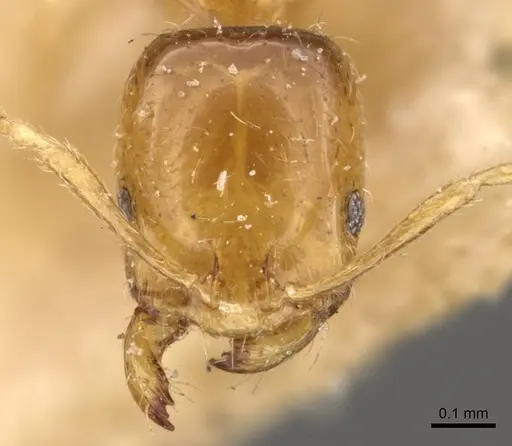
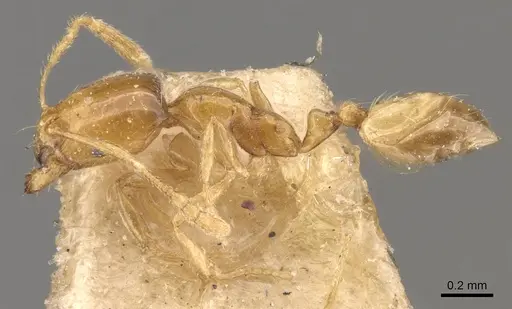
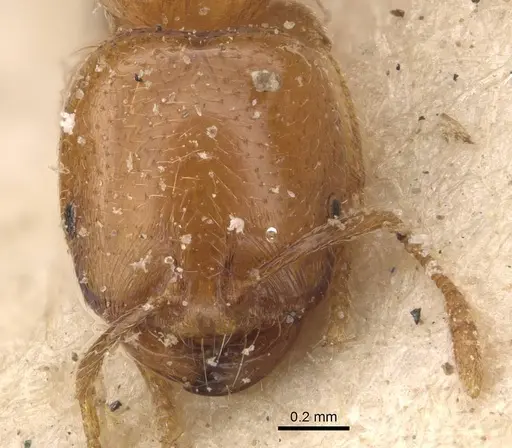
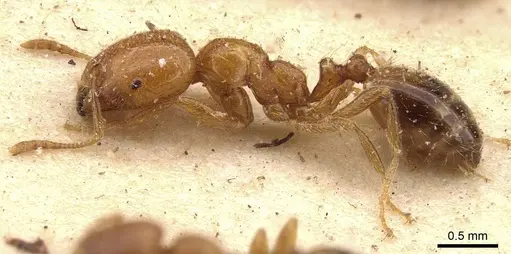
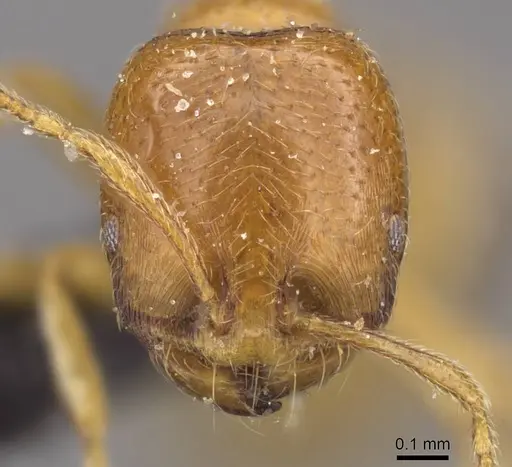
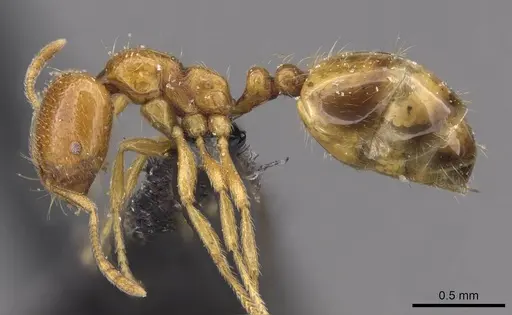
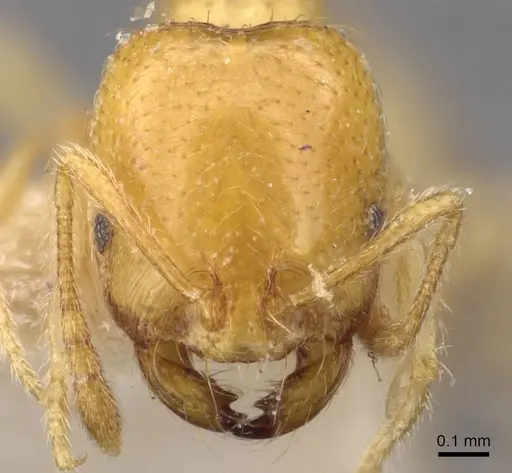
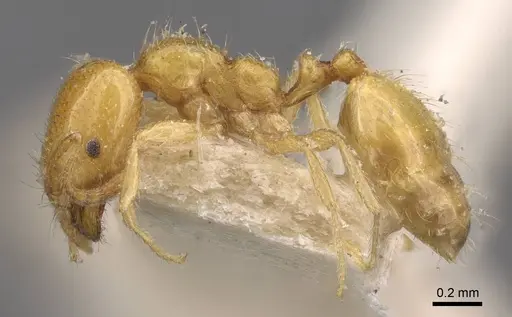
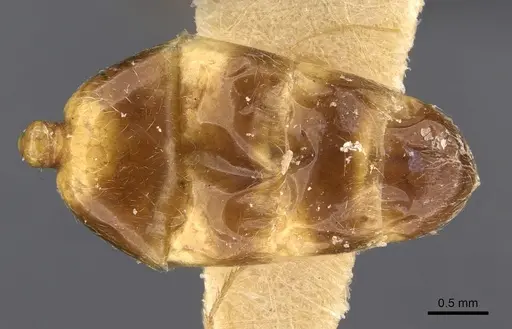
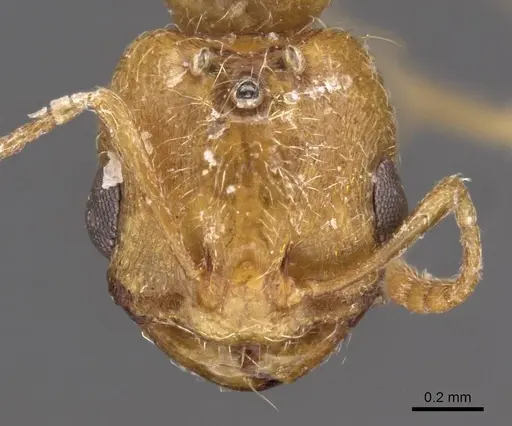
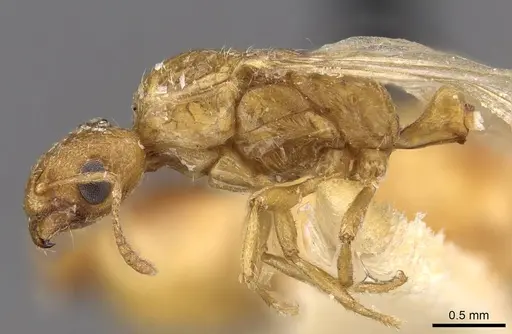
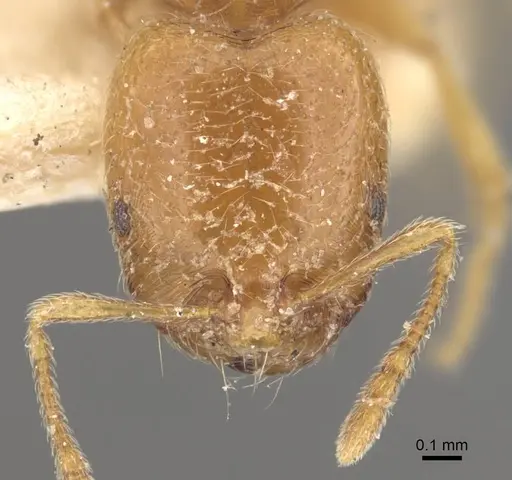
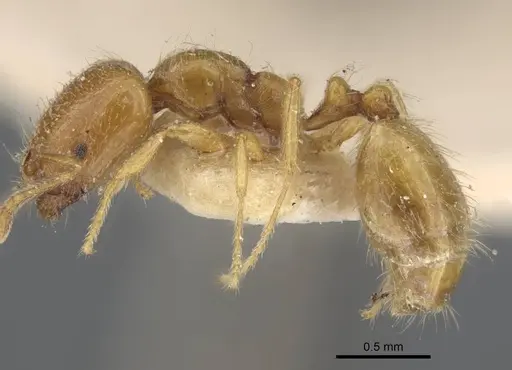
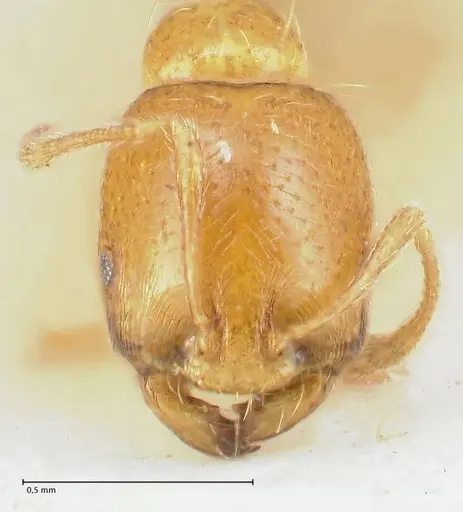
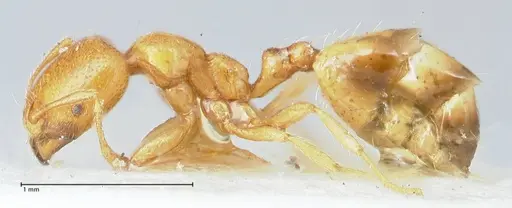
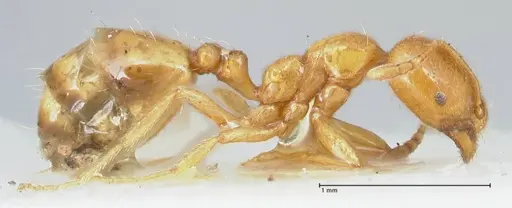
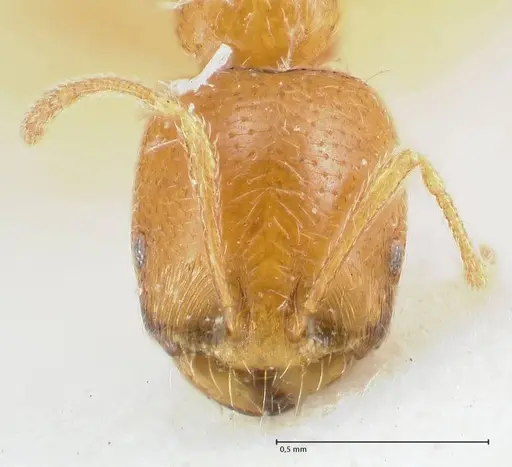
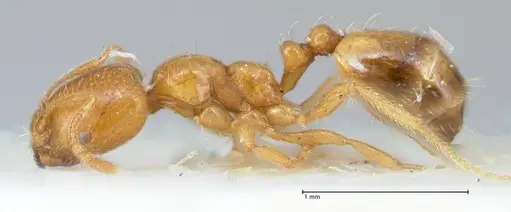
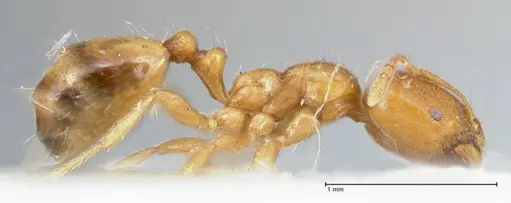
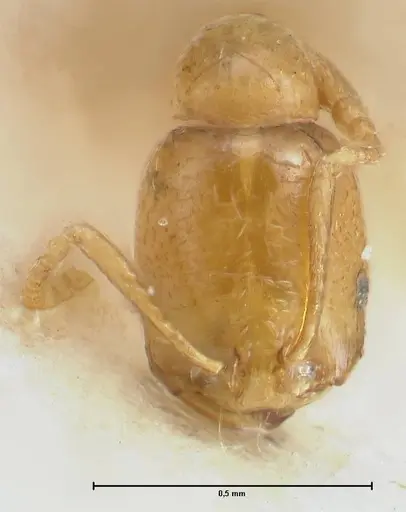
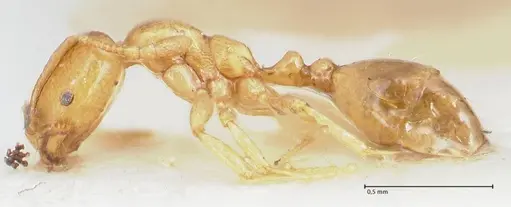
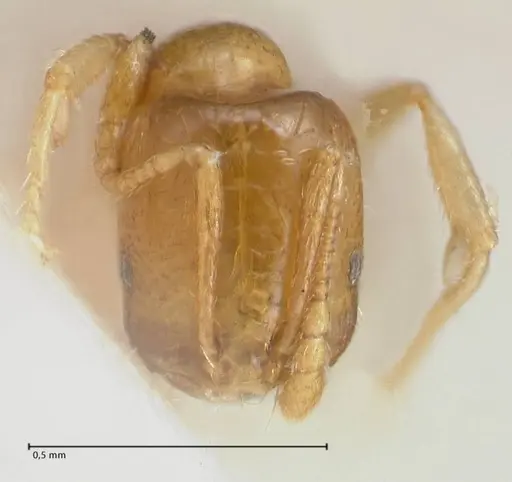
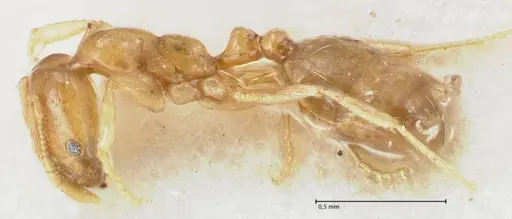
Trichomyrmex oscaris, often referred to as Oscar's Ant, is a versatile and widely distributed ant species primarily found across the Afrotropical region. These ants exhibit a notable size variation among workers, ranging from small to medium, displaying what is known as monophasic allometric variation. Their color typically ranges from yellow to a light brownish-yellow, with a glossy appearance. Distinctive features include a band of fine transverse striolate sculpture on the rim of the descending occipital surface of the head, more prominent in larger workers, and a propodeal dorsum that is always finely transversely striolate to rugulose. The petiole node, particularly in larger workers, is conspicuously compressed from front to back, making it much broader than long. They are known for their adaptability, nesting in diverse environments from under stones and in the earth to even old, rotting cocoa pods.
- Difficulty: Easy
- Origin & Habitat: Afrotropical Region (e.g., Ethiopia, Nigeria, Zimbabwe, South Africa, Ghana, Senegal, Uganda, Tanzania, Democratic Republic of Congo, Eritrea, Botswana, Benin), Arabian Peninsula (e.g., Saudi Arabia, Yemen, UAE, Oman, Socotra Archipelago) and possibly Kazakhstan and Iran. in Savannah, under stones, in termitaria, in the earth, rotting wood (like cocoa pods), mango orchards, disturbed habitats, irrigated gardens..
- Colony Type: Polygyne (multiple queens), claustral (though some sources suggest budding in related species, t. oscaris is generally claustral) founding.
- Size & Growth:
- Queen: Not specified
- Worker: 1.6-3.8mm
- Colony: Large (tens of thousands). Fast growth.
- Antkeeping:
- Temperature: Room temperature to slightly warmer, ideally around 24-28°C for optimal growth. They are adapted to warm climates..
- Humidity: Moderate humidity. They are found in diverse habitats, including drier locations, but also moist ones. A humidity gradient within the nest is beneficial, with a slightly more humid area for brood development..
- Diapause: Not required. Not specified at Not specified.
- Nesting: Versatile in nesting, found under stones, in soil, in termitaria, and sometimes in rotting wood. For captive care, they can thrive in various setups like acrylic nests, Ytong, or even natural setups with soil substrates..
- Behavior: Low (towards handler, medium towards food or other ants if competing) aggressiveness.
- Common Issues: Humidity fluctuations, Lack of stable temperature, Escape artists (due to small size of minor workers).
Trichomyrmex oscaris workers display a fascinating monophasic allometry, meaning their size can vary significantly within a single colony, from smaller minor workers to larger, more robust individuals. This size variation isn't about different morphs with distinct roles, but rather a continuous spectrum. This adaptability in worker size allows the colony to handle a wider range of tasks, from intricate brood care by smaller workers to foraging and defense by larger ones, making them a highly efficient and adaptable species in their natural environments. Observe how the colony utilizes different sized workers for various tasks, which can be quite intriguing for antkeepers.
These ants are incredibly versatile when it comes to nesting. In the wild, they've been found setting up their homes under rocks, within termite mounds, directly in the earth, and even in old, rotting cocoa pods still clinging to trees. This flexibility translates well into antkeeping, as they aren't overly picky about the type of formicarium. However, providing them with a setup that offers both drier and slightly more humid zones will allow them to choose the ideal conditions for their brood and overall colony health. Consider a nest with multiple chambers and a hydration system that allows for a humidity gradient.
One interesting aspect of Trichomyrmex oscaris is their close relation to the well-known tramp species Trichomyrmex destructor. While T. destructor is notorious for its destructive habits in urban environments, T. oscaris is generally a more benign species for antkeepers. They can be distinguished by specific morphological differences, particularly the shape of their petiole node. Unlike the globular node of T. destructor, T. oscaris workers, especially larger ones, have a distinctly compressed and transverse petiole node. This subtle difference is key for identification and understanding their distinct behaviors.
As a widely distributed species across the Afrotropical region, Trichomyrmex oscaris thrives in warmer climates and doesn't require a diapause (winter hibernation) period, which simplifies their care for many antkeepers. Maintaining a stable warm temperature, ideally in the mid-20s Celsius, will encourage consistent activity and brood development year-round. Given their origins, they are not suited for colder environments, and consistent heating is crucial if kept outside of naturally warm areas. Ensure your heating setup is reliable and provides a gentle, even warmth to avoid hot spots.
While not known for aggressive stinging or biting towards handlers, it’s always wise to exercise caution when interacting with any ant species. Trichomyrmex oscaris are generally docile in a captive setting as long as their basic needs are met and they are not unduly disturbed. Their adaptability and general hardiness make them a good choice for antkeepers looking for a relatively straightforward species that offers interesting behavioral observations without presenting significant challenges in terms of defense mechanisms.
Frequently Asked Questions
What is the ideal temperature for a Trichomyrmex oscaris colony?
Keeping your Trichomyrmex oscaris colony cozy and active means aiming for temperatures between 24-28°C. Since they're from warmer regions, consistent warmth encourages steady brood development and foraging behavior. Think of it like a perpetual summer for them!
Do Trichomyrmex oscaris need a diapause period?
Nope, no winter slumber needed for these ants! Trichomyrmex oscaris are a tropical species and don't require diapause. This makes them a fantastic choice for antkeepers who want to observe year-round activity without the complexities of hibernation.
What kind of nest is best for Oscar's Ants?
Oscar's Ants are pretty flexible! In their natural habitat, they're found nesting under stones, in the ground, and even in old cocoa pods. For your formicarium, they'll be happy in acrylic, Ytong, or even natural soil setups. The key is to offer a humidity gradient so they can pick their perfect spot for the brood.
What should I feed my Trichomyrmex oscaris colony?
Like many ants, Trichomyrmex oscaris are omnivores. They'll appreciate a varied diet of sugary foods like sugar water or honey-dew, and protein sources such as small feeder insects (crickets, mealworms). Make sure to offer a good mix to keep your colony thriving and healthy!
How large do Trichomyrmex oscaris colonies get?
These colonies can grow quite substantial, reaching into the tens of thousands of workers. It's truly amazing to watch a large colony of Oscar's Ants, with their diverse worker sizes, bustling about. Be prepared for a growing family!
Are Trichomyrmex oscaris aggressive?
Towards handlers, they're generally quite docile. You won't find them launching full-scale attacks on your hand! However, they can be competitive with other ant species over food resources. Within their own colony, they're quite cooperative.
Can Trichomyrmex oscaris sting?
Yes, like many Myrmicinae ants, Trichomyrmex oscaris do possess a sting. While not typically aggressive towards humans, it's always wise to handle them with care and respect. Their sting is generally mild, but sensitive individuals might react more.
How fast do Trichomyrmex oscaris colonies grow?
You can expect a fast growth rate from a healthy Trichomyrmex oscaris colony, especially with optimal temperature and a consistent food supply. Their polygyne nature, meaning multiple queens, also contributes to their rapid expansion, allowing them to produce a lot of brood quickly.
What is the size difference between the workers?
Trichomyrmex oscaris workers show 'monophasic allometry,' which means you'll see a range of sizes from 1.6 mm to 3.8 mm, but it's a continuous variation rather than distinct, separate castes. The smaller workers are minors, and the larger ones are majors, with media workers in between. It's fascinating to observe this size diversity within the colony!
What are common issues when keeping Trichomyrmex oscaris?
The main hurdles you might encounter include ensuring stable temperature and humidity, as fluctuations can stress the colony. Also, their smaller workers can be escape artists, so a secure setup is crucial. Overfeeding can also lead to mold, so feed them appropriately.
Are they prone to mites?
While no ant species is entirely immune, Trichomyrmex oscaris aren't particularly noted for being highly susceptible to mites compared to some other species. Good hygiene in the outworld and proper ventilation in the nest are your best defenses against potential mite issues.
What is pleometrosis, and do T. oscaris queens do it?
Pleometrosis is when multiple queen ants cooperate to start a new colony. Yes, Trichomyrmex oscaris queens can engage in pleometrosis, which can give a new colony a significant boost in its early stages as multiple queens lay eggs, accelerating initial growth.
How do I distinguish T. oscaris from T. destructor?
It can be tricky, as they are closely related! The key difference, especially in larger workers, lies in the shape of their petiole node. In T. oscaris, it's noticeably compressed and wider than long, while in T. destructor, it's more globular. Also, T. oscaris workers are uniformly colored, whereas T. destructor often has a darker gaster.

This caresheet is licensed under CC BY-SA 4.0 .
ANTWEB1025250
View on AntWeb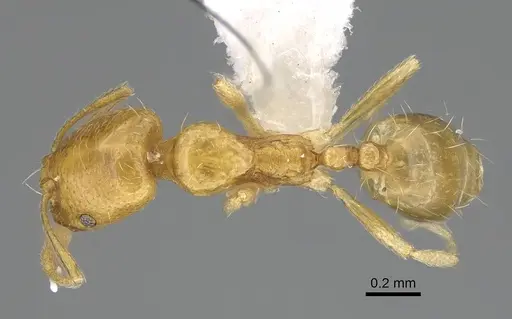
CASENT0066964
View on AntWeb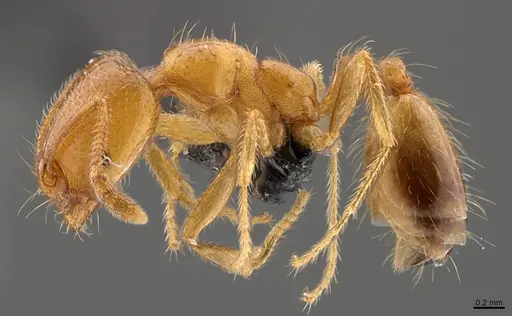
CASENT0235926
View on AntWeb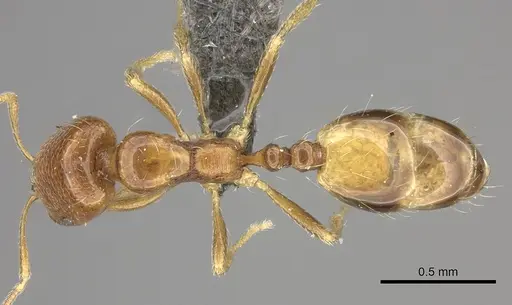
CASENT0902180
View on AntWeb
CASENT0902208
View on AntWeb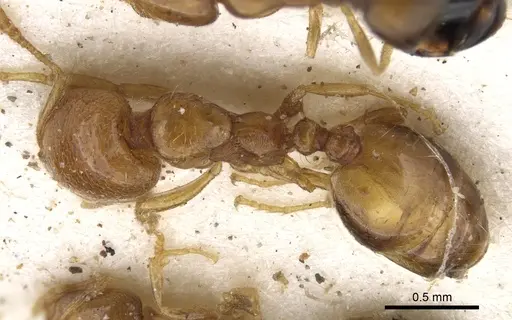
CASENT0902209
View on AntWeb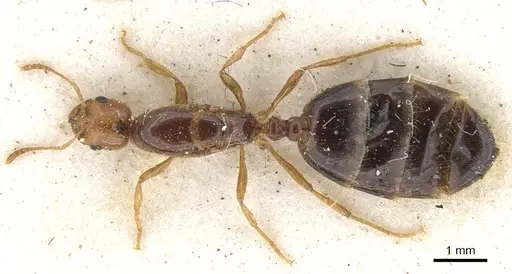
CASENT0904583
View on AntWeb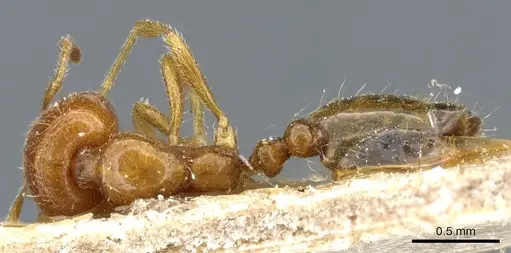
CASENT0908712
View on AntWeb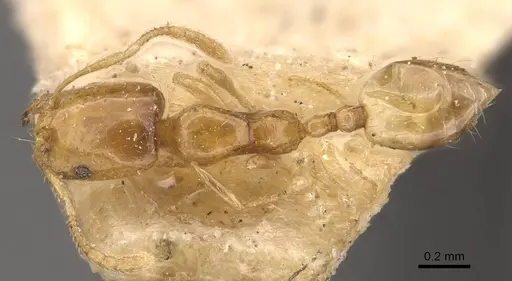
CASENT0908716
View on AntWeb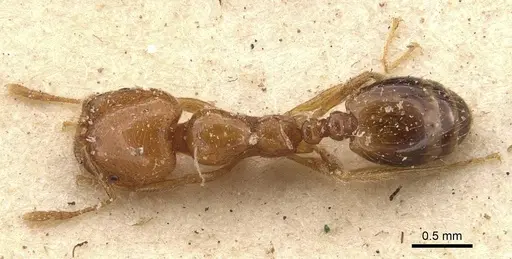
CASENT0908750
View on AntWeb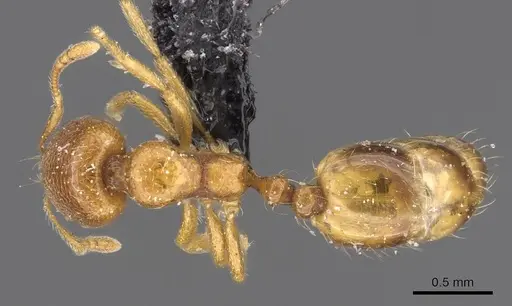
CASENT0908751
View on AntWeb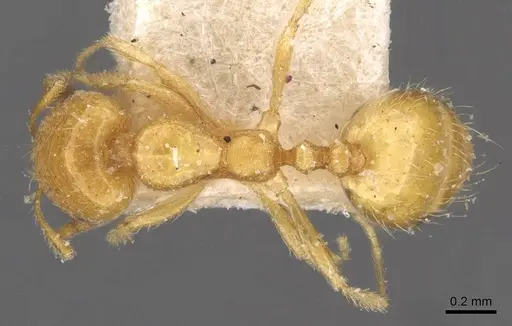
CASENT0909201
View on AntWeb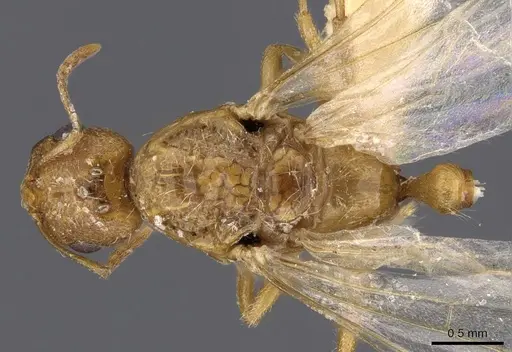
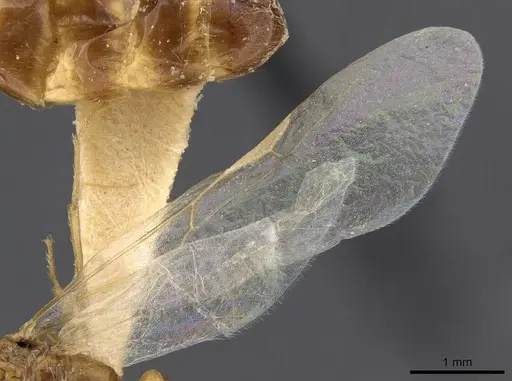
CASENT0917001
View on AntWeb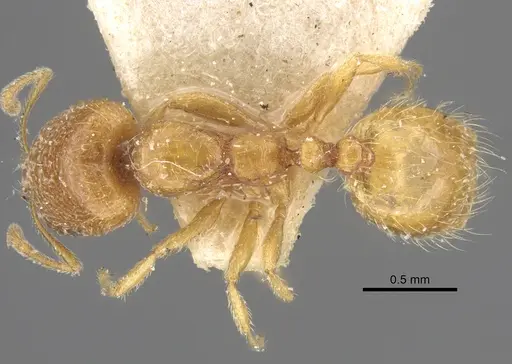
FOCOL1717
View on AntWeb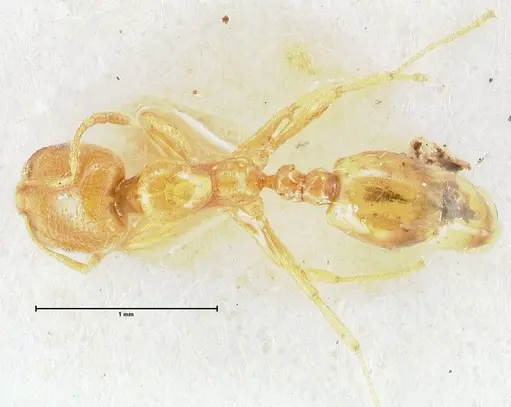
FOCOL1718
View on AntWeb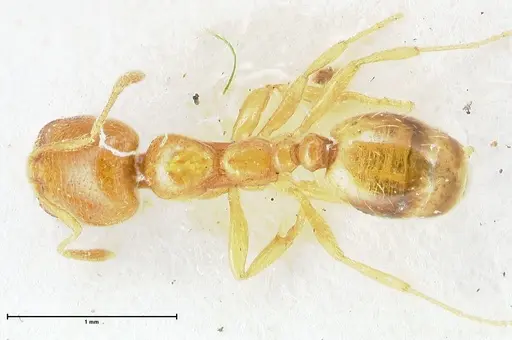
FOCOL1719-1
View on AntWeb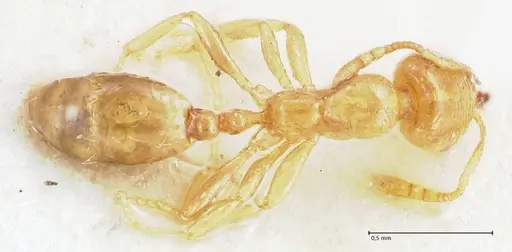
FOCOL1719-2
View on AntWeb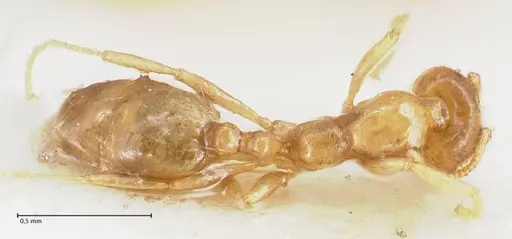
Literature
Loading...Loading products...