

Trichomyrmex mayri
- Scientific Name
- Trichomyrmex mayri
- Tribe
- Crematogastrini
- Subfamily
- Myrmicinae
- Author
- Forel, 1902
- Distribution
- Found in 11 countries
Trichomyrmex mayri Overview
Trichomyrmex mayri is an ant species of the genus Trichomyrmex. It is primarily documented in 11 countries , including United Arab Emirates, Cyprus, Israel. Detailed taxonomic data and occurrence records can be further explored via authoritative databases such as AntWeb or the Global Biodiversity Information Facility (GBIF).
Trichomyrmex mayri - "N/A"
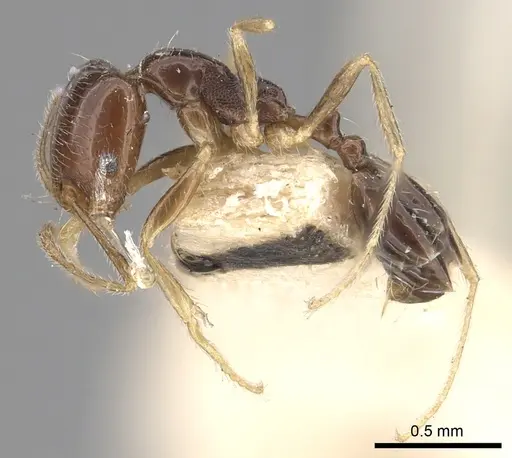
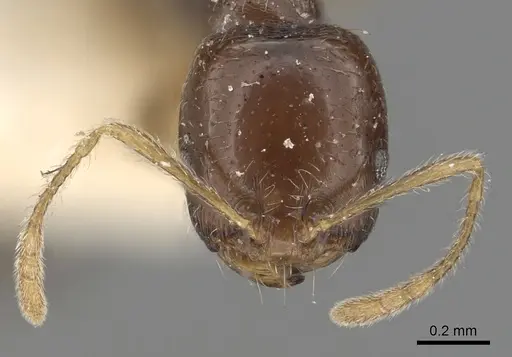
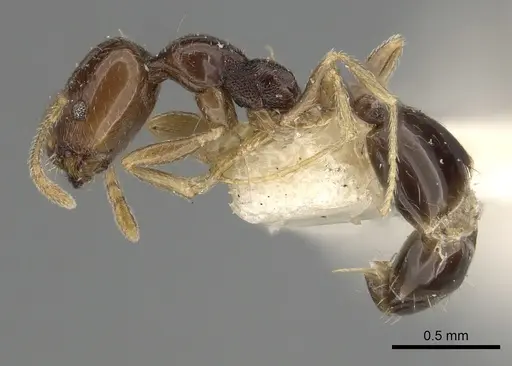
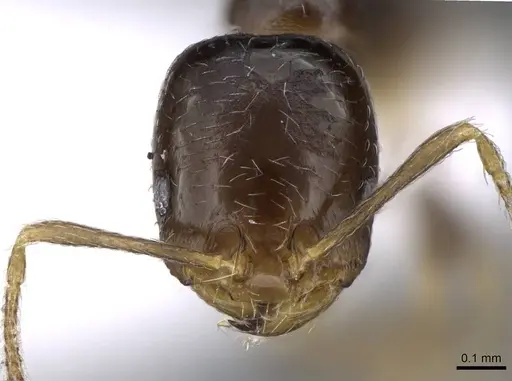
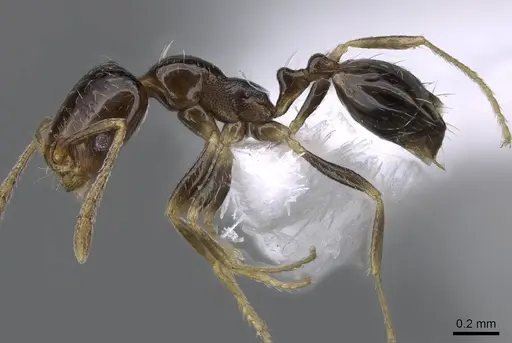
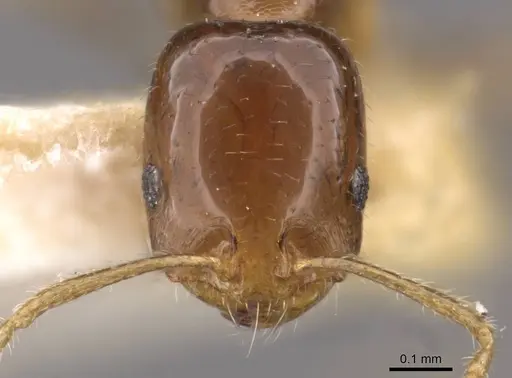
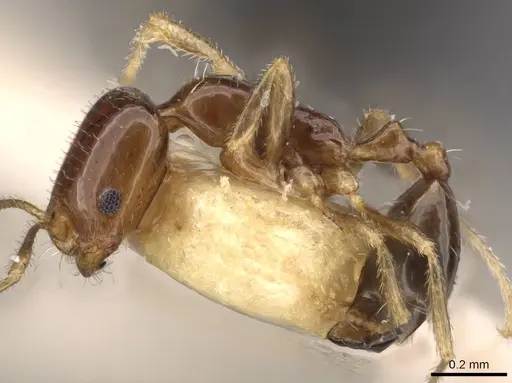
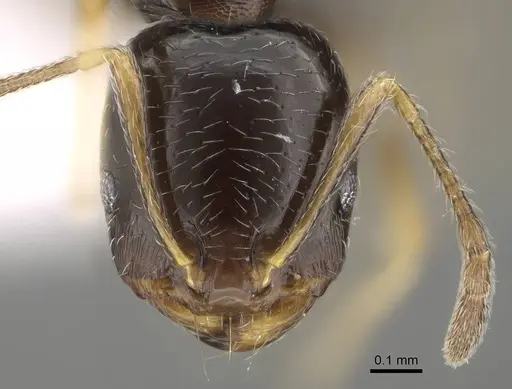
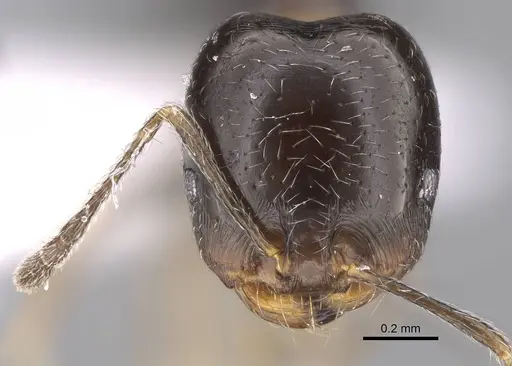
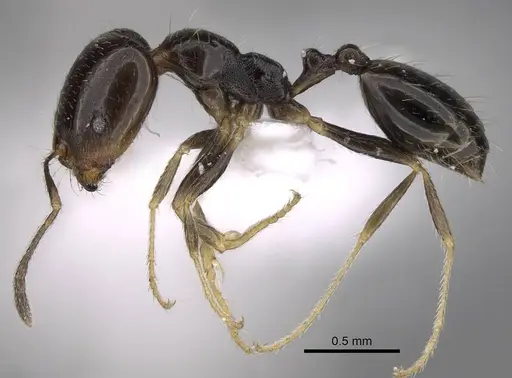
Trichomyrmex mayri, previously known as Monomorium mayri, is a small ant species with a dark-brown to blackish-brown body, sometimes featuring a paler patch at the base of the first gastral tergite. Workers typically measure between 1.5 to 2.18 mm, while the queen is around 6 mm. This species exhibits polymorphism, meaning workers can vary in size within the same colony. They are known for forming very large colonies and are quite aggressive.
- Difficulty: Hard
- Origin & Habitat: Central Asia, North Africa, Southern Europe, Indian subcontinent (speculated) in Diverse, including forests, grasslands, urban areas, desert, agricultural areas, wild, and pristine environments. Nests can be found directly in the ground, under stones, in rotten wood, leaf litter, and even termitaries..
- Colony Type: Polygyne (multiple queens), claustral founding.
- Size & Growth:
- Queen: 6-6mm
- Worker: 1.5-2.18mm
- Colony: Supercolony (hundreds of thousands). Fast, they reproduce very quickly. growth.
- Antkeeping:
- Temperature: Arena: 25-28°C; Nest area: 25-30°C..
- Humidity: Arena: 60-70%; Nest area: 70-80%..
- Diapause: Not required. Not specified at Not specified.
- Nesting: Likes humus mixed with sandy loam, prefers diverse nesting sites including moist soil, under rocks, and in leaf litter..
- Behavior: High (towards other ants and potentially in defense) aggressiveness.
- Common Issues: Escape artists, Rapid reproduction leading to overcrowding, High protein requirement, Can be invasive.
Keeping Trichomyrmex mayri can be quite a challenge, especially for those new to antkeeping. These ants are well-known for their rapid reproduction and can quickly overwhelm a setup if not properly managed. Their highly invasive nature means they can easily escape less secure enclosures, potentially posing a risk to local ecosystems if they establish outside of captivity. It's crucial to ensure your formicarium is absolutely escape-proof before bringing these energetic ants into your collection, and always be prepared for a thriving, fast-growing colony.
When it comes to feeding your Trichomyrmex mayri colony, a high protein diet is absolutely essential for their vigorous growth and overall health. They are omnivorous generalists in the wild, consuming everything from living and dead insects, insect eggs, nectar, and seeds. In captivity, this translates to a need for a consistent supply of various insects, alongside sugar-honey water or ant food jelly for their carbohydrate needs. Balancing their nutritional intake will support their rapid development and the sheer size their colonies can reach.
Trichomyrmex mayri workers display a cooperative foraging behavior and are known to adapt to various environmental conditions, making them highly successful in diverse habitats. This adaptability, coupled with their aggressive nature towards other ant species, allows them to thrive and outcompete rivals in both natural and disturbed sites. Observing their foraging trails and their interaction with their environment can be fascinating, but remember to keep their aggressive tendencies in mind, especially when introducing new food sources or during maintenance.
Unlike some ant species that require a period of cold dormancy, Trichomyrmex mayri does not need diapause or hibernation. This means they can maintain consistent growth and activity year-round, which contributes significantly to their fast colony development. This continuous activity makes them an engaging species to observe, but also reinforces the importance of consistent care and attention to their rapidly expanding numbers.
Frequently Asked Questions
What kind of nest is best for a Trichomyrmex mayri colony?
For these prolific ants, a nest that allows for expansion and good humidity control is key. They thrive in setups with a substrate like humus mixed with sandy loam, as they naturally nest in diverse soil conditions. Ensure your formicarium has good moisture retention in the nesting area (70-80% humidity) while providing a slightly drier outworld (60-70% humidity).
How quickly do Trichomyrmex mayri colonies grow?
Trichomyrmex mayri colonies are renowned for their incredibly fast growth rate. From egg to adult worker, it can take as little as 2 to 4 weeks, depending on temperature. This rapid development leads to massive colonies, often reaching hundreds of thousands of individuals.
Do Trichomyrmex mayri ants sting or bite?
While they are noted for being very aggressive, especially towards other ant species, Trichomyrmex mayri are not known to possess a sting. However, like many ants, they can deliver a bite, especially if they feel threatened.
What is the ideal temperature and humidity for Trichomyrmex mayri?
To keep your colony thriving, maintain the nest area between 25-30°C with 70-80% humidity. The foraging arena can be a bit cooler and drier, around 25-28°C with 60-70% humidity. Consistent warmth and moisture in the nest are vital for their rapid brood development.
What do Trichomyrmex mayri eat?
These ants have a very high protein requirement, so a diet rich in various insects is essential. Supplement this with sugary foods like honey water or ant food jelly. They are omnivores, so offering a diverse diet will keep your colony healthy and happy.
Are Trichomyrmex mayri good for beginners?
Absolutely not! Trichomyrmex mayri are considered a 'Hard' difficulty species and are not recommended for beginners. Their aggressive nature, incredibly fast reproduction, and potential for escape make them a challenge best suited for experienced antkeepers who can manage large, rapidly growing colonies and ensure secure containment.
Do Trichomyrmex mayri need to hibernate?
No, Trichomyrmex mayri do not require a diapause period or hibernation. They are active year-round, which is part of why their colonies can grow so large and so quickly. This means continuous feeding and care will be necessary.
How large can a Trichomyrmex mayri colony get?
These ants can form supercolonies, estimated to reach sizes of several hundred thousand individuals. Their polygyne nature (multiple queens) and rapid growth contribute to their immense colony sizes.
What are common problems when keeping Trichomyrmex mayri?
The main challenges include their propensity for escaping, the sheer speed of their colony growth leading to overcrowding, and the need to meet their high protein demands. Careful planning for expansion and secure setups are crucial to avoid these common issues.
What is the caste system like for Trichomyrmex mayri?
Trichomyrmex mayri exhibits a polymorphic worker caste, meaning workers can vary in size. Beyond the queen, you'll observe minor and major workers, and sometimes even a soldier caste, each fulfilling different roles within the colony's complex social structure.
Where do Trichomyrmex mayri come from naturally?
Their natural range is quite broad, originating from Central Asia, North Africa, and Southern Europe, with the Indian subcontinent also speculated as a point of origin. They are highly adaptable, thriving in diverse environments from forests to urban areas.
Can Trichomyrmex mayri coexist with other ant species?
Trichomyrmex mayri are known for being very aggressive towards other ant species and tend to outcompete them in the wild. In captivity, it's highly advised to keep them in a species-specific setup to avoid conflicts and ensure the well-being of your colony.

This caresheet is licensed under CC BY-SA 4.0 .
ANTWEB1041908
View on AntWeb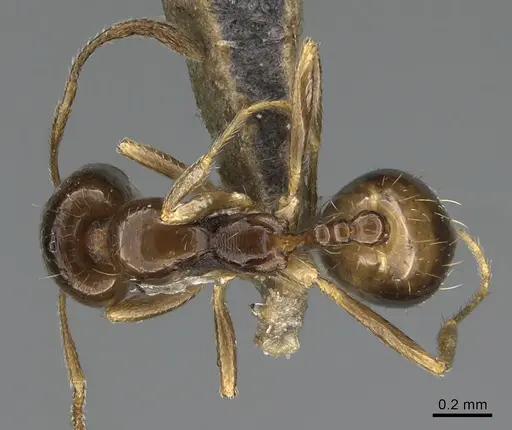
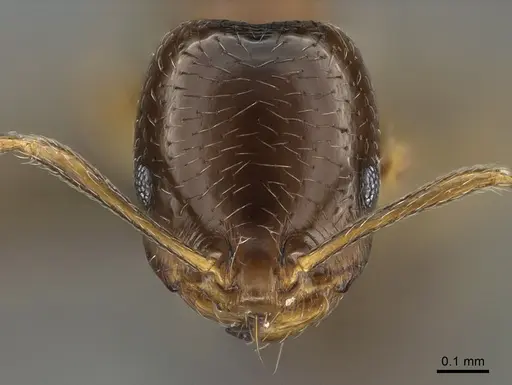
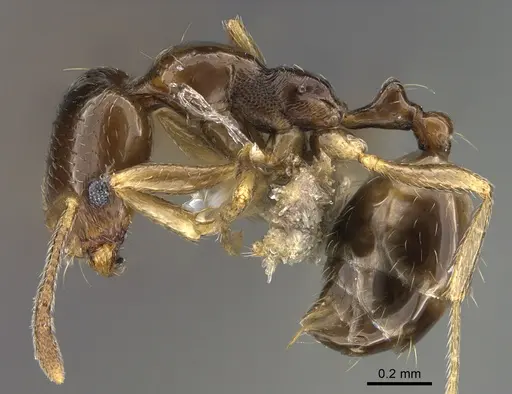
CASENT0249902
View on AntWeb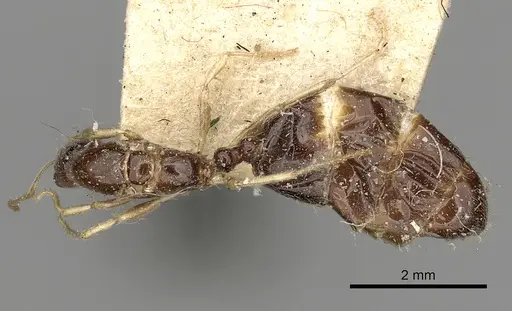
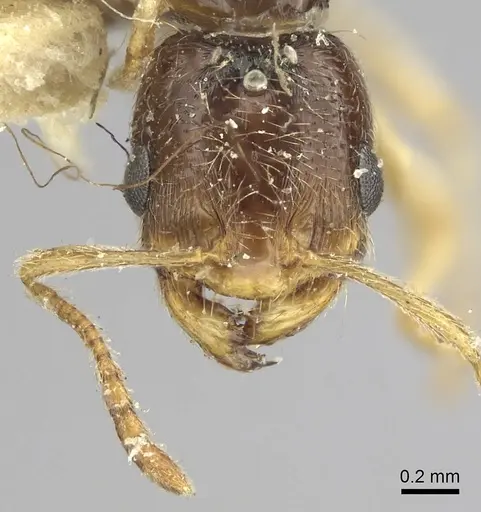
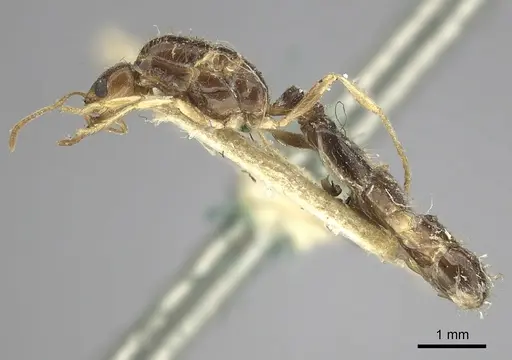
CASENT0249903
View on AntWeb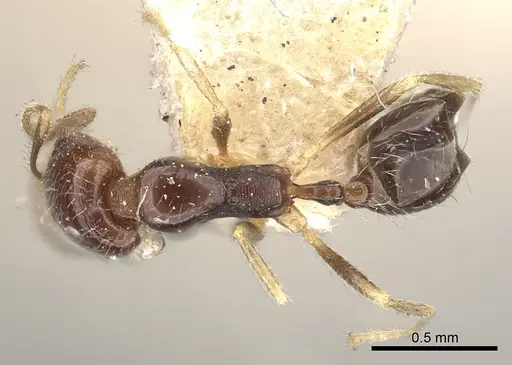
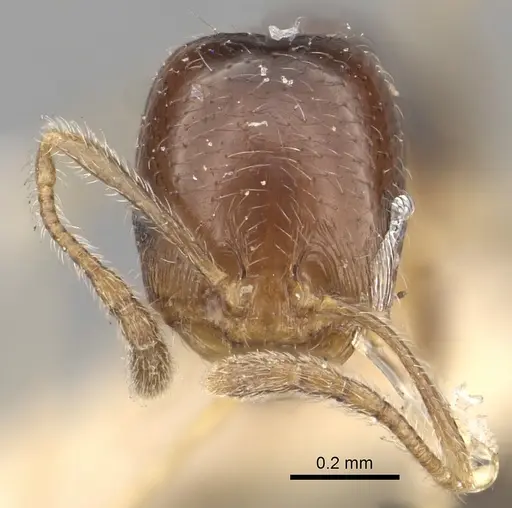
CASENT0249904
View on AntWeb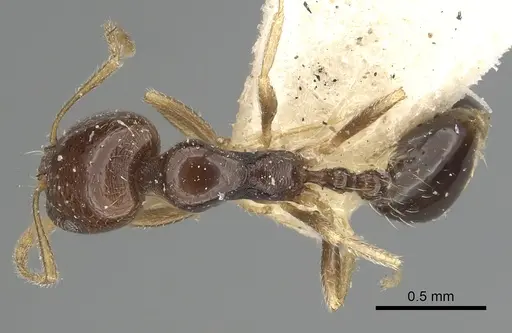
CASENT0746625
View on AntWeb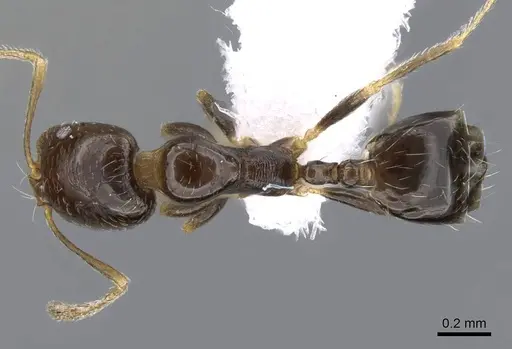
CASENT0908753
View on AntWeb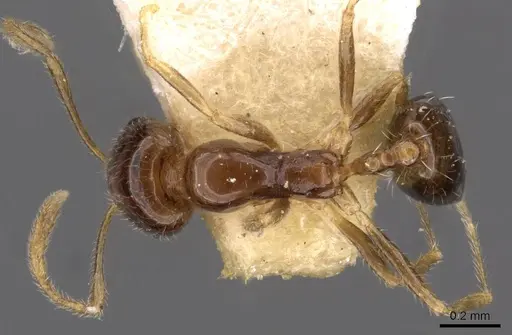
CASENT0919809
View on AntWeb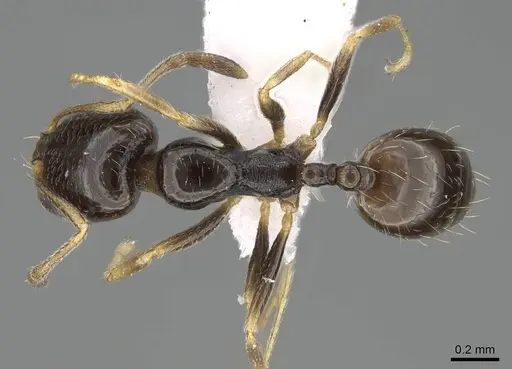
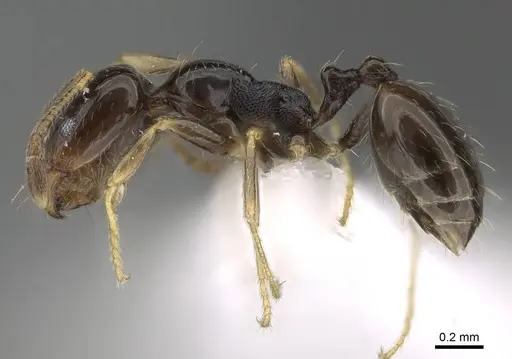
CASENT0922297
View on AntWeb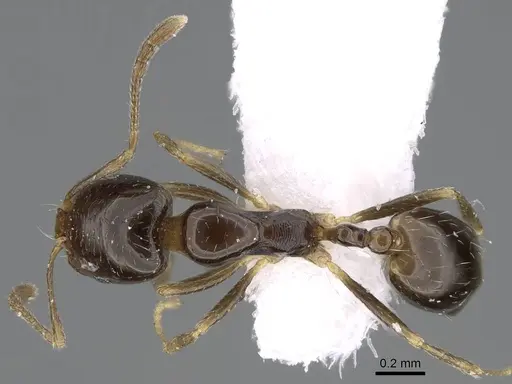
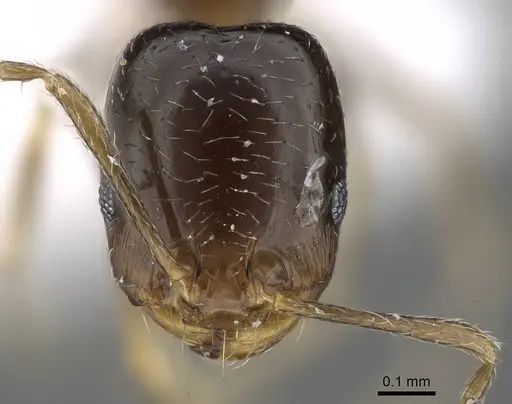
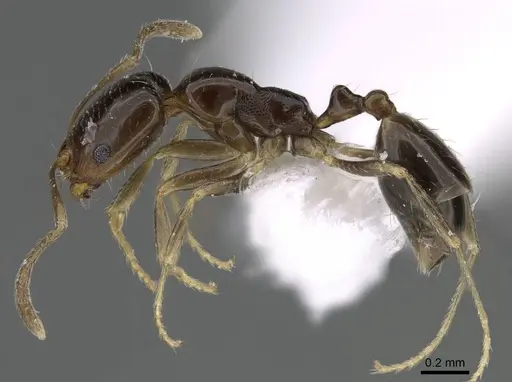
CASENT0922869
View on AntWeb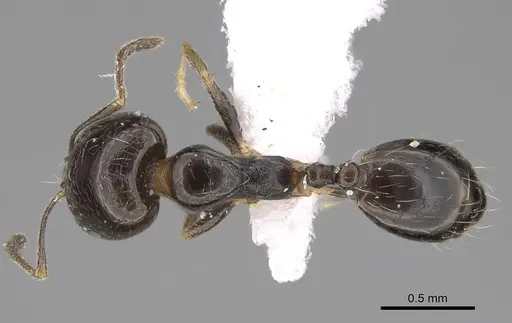
Literature
Loading...Loading products...