
Tranopelta gilva shows a April to December flight window. Peak activity occurs in November and December, with nuptial flights distributed across 5 months.
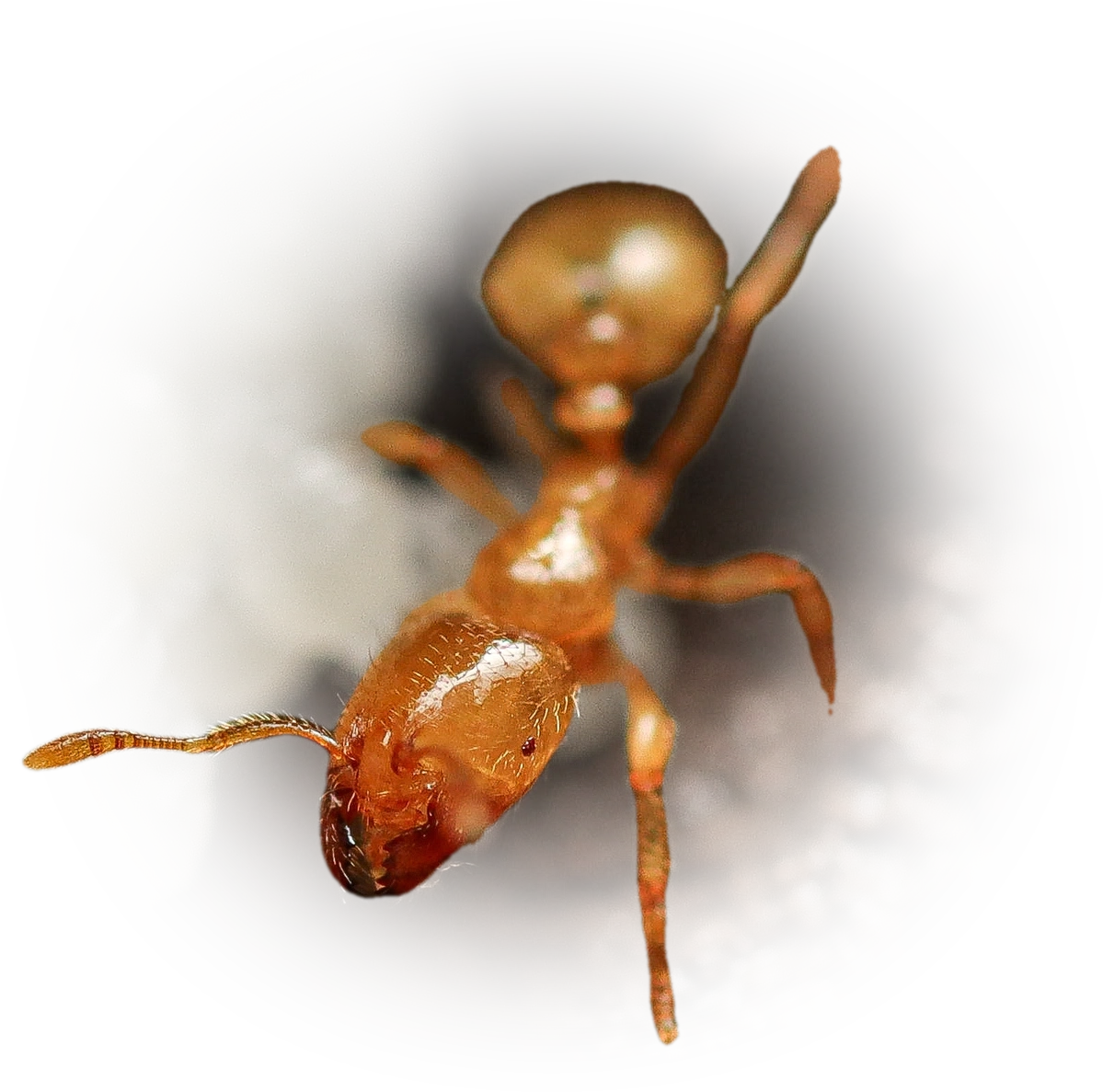
Tranopelta gilva
- Scientific Name
- Tranopelta gilva
- Tribe
- Attini
- Subfamily
- Myrmicinae
- Author
- Mayr, 1866
- Distribution
- Found in 6 countries
- Nuptial Flight
- from April to December, peaking in November
AI Identifiable
try →
Tranopelta gilva Overview
Tranopelta gilva is an ant species of the genus Tranopelta. It is primarily documented in 6 countries , including Brazil, Colombia, Costa Rica. Detailed taxonomic data and occurrence records can be further explored via authoritative databases such as AntWeb or the Global Biodiversity Information Facility (GBIF).
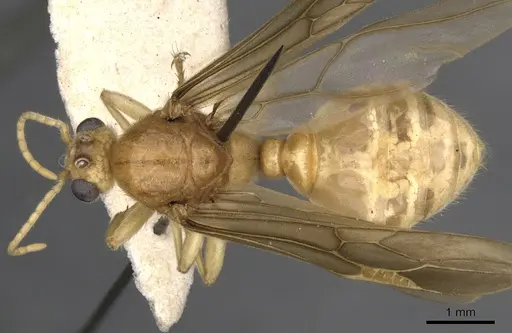
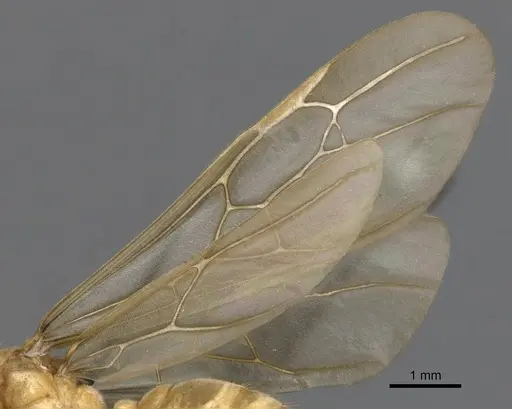
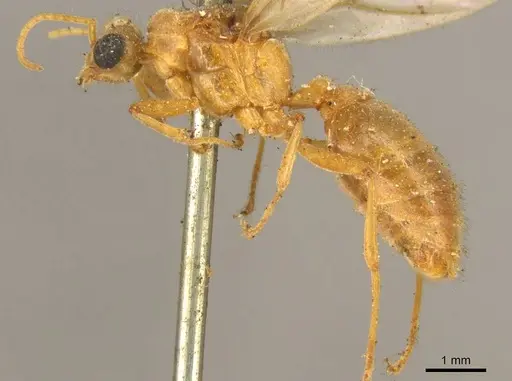
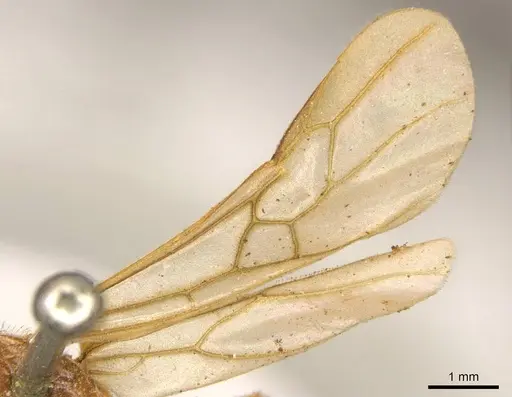
The nuptial flight of Tranopelta gilva is a significant biological event, typically occurring from April to December, peaking in November. During this time, winged queens and males leave the nest to mate and establish new colonies.
Tranopelta gilva
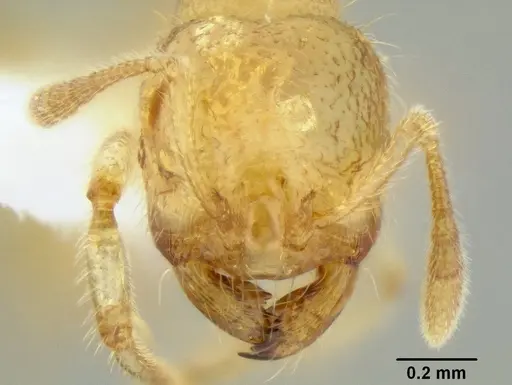
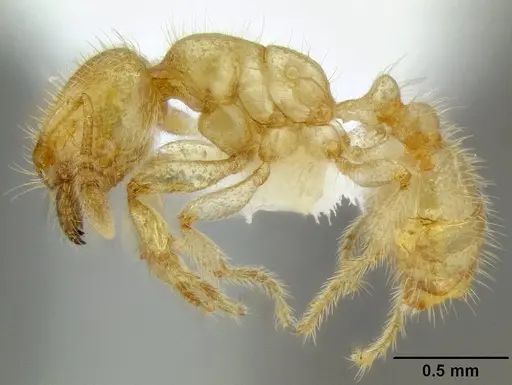
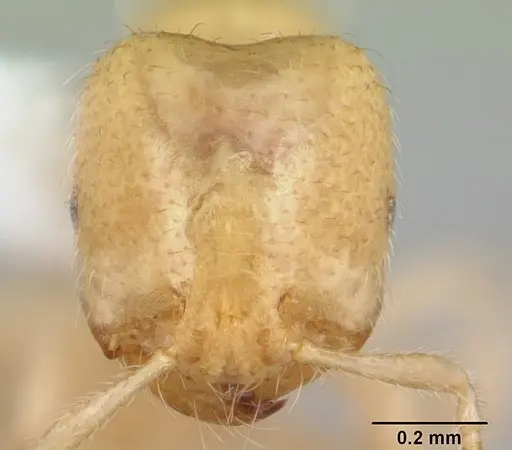
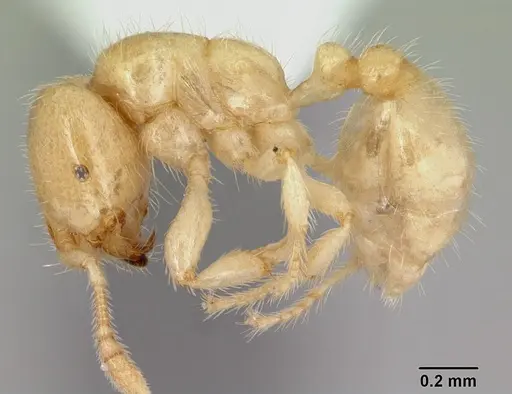
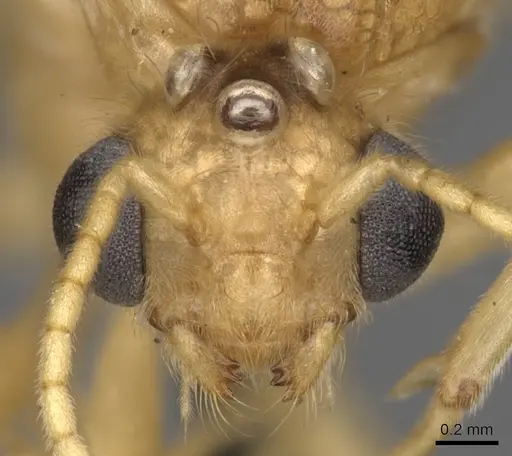
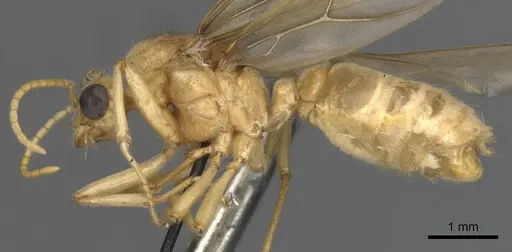
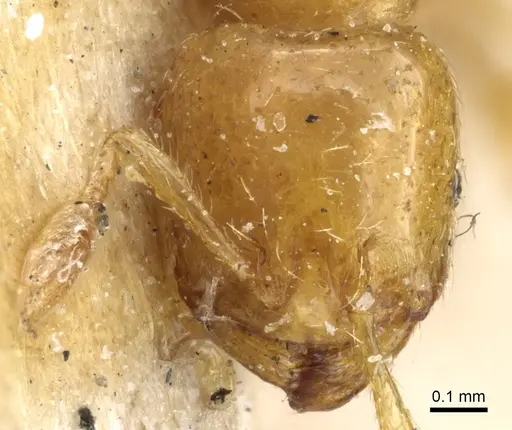
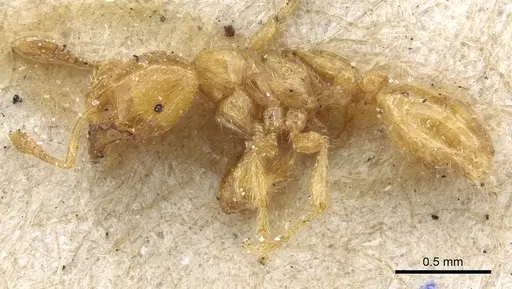
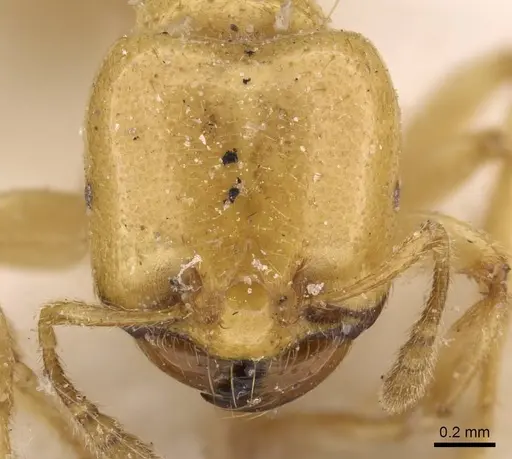
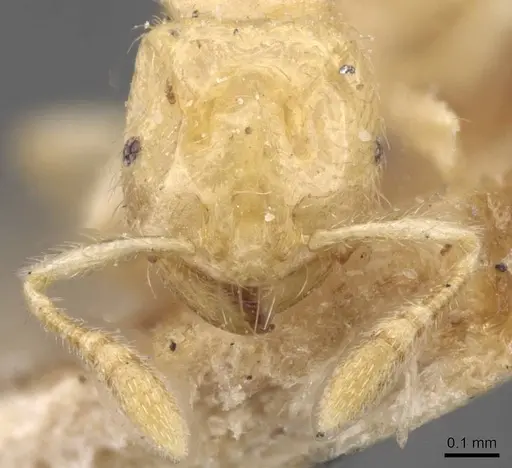
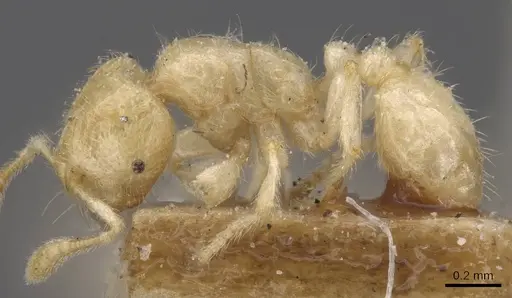
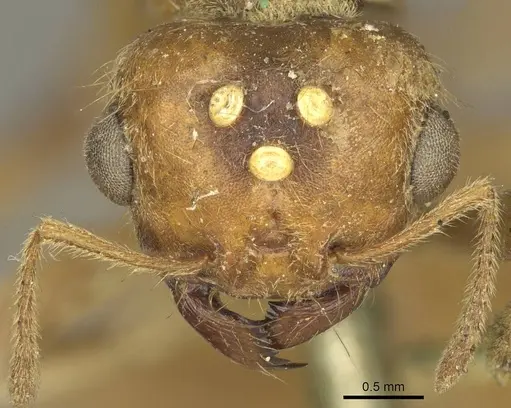
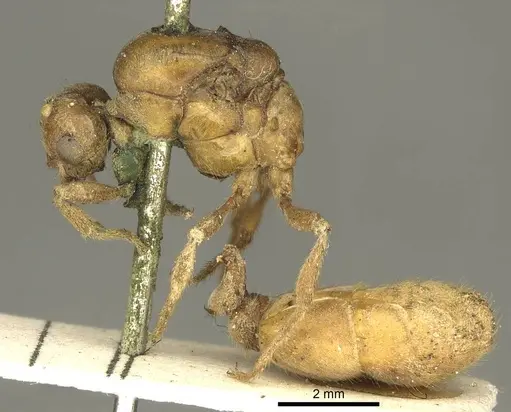
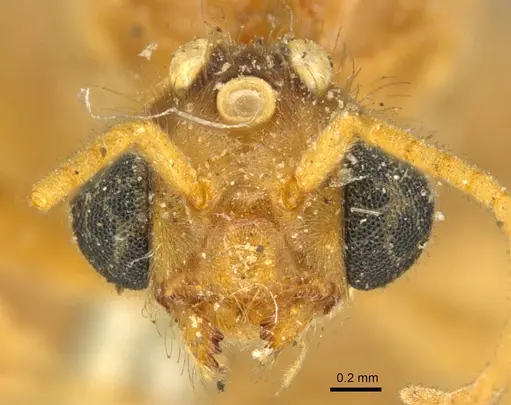
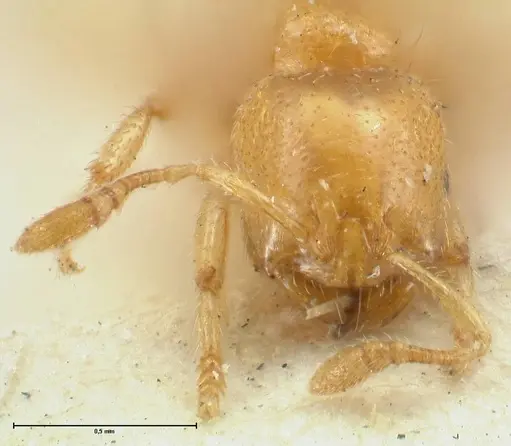
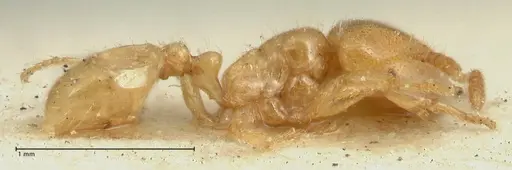
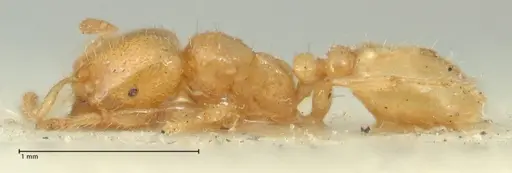
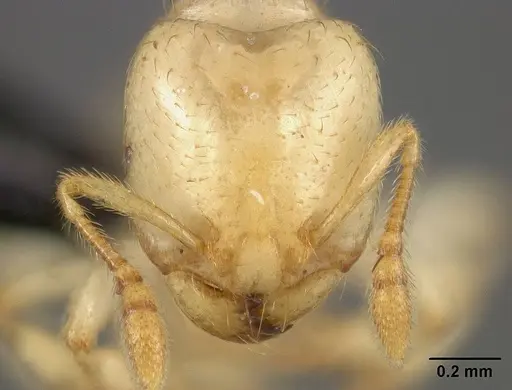
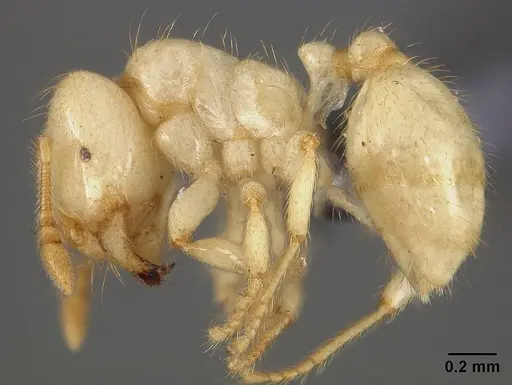
Tranopelta gilva is a small, pale subterranean ant native to the Neotropical region, ranging from Costa Rica down to Brazil [1]. Workers are tiny at 2-4mm, with a light brown to yellowish body that can sometimes appear partially or completely white [1]. They are feebly polymorphic, meaning some workers develop larger heads (majors) while others stay smaller (minors) [1]. Queens are dramatically larger than workers, measuring around 11mm, one of the most size-dimorphic queen-worker relationships in the ant world [1]. These ants live almost entirely underground or in leaf litter, making them rarely seen on the surface. They resemble the genus Acropyga in general appearance [2]. This species is considered a cryptic soil specialist, typically found under rocks in clay soil, in rotting logs, or within leaf litter samples [3][2].
Quick Summary
- Difficulty: Medium
- Origin & Habitat: Neotropical region, found in Costa Rica, Panama, Colombia, Venezuela, Brazil, Ecuador, Peru, Paraguay, and surrounding countries. Inhabits lowland rainforest leaf litter and soil, often under rocks or in rotting wood [2][1].
- Colony Type: Unconfirmed colony structure. Queens are dramatically larger than workers, suggesting possible claustral founding, but this has not been directly studied.
- Size & Growth:
- Queen: ~11mm (TL 11.41mm, HW 1.70mm) [1]
- Worker: 2-4mm (TL 2.06-4.37mm, HW 0.46-1.03mm) [1]
- Colony: Unknown, likely small to moderate based on cryptic habits
- Growth: Unknown
- Development: Unconfirmed, likely 6-10 weeks based on typical Myrmicinae patterns (No direct development data exists for this species. Estimates based on related Attini tribe members suggest several months from egg to first worker.)
- Antkeeping:
- Temperature: Keep at 24-28°C, these are lowland tropical ants that need warmth [2]. Room temperature in most homes should work well, but a heating cable on one side of the nest can help maintain stability.
- Humidity: High humidity preferred, they naturally live in rainforest leaf litter and soil. Keep the nest substrate consistently moist but not waterlogged. These ants are sensitive to drying out.
- Diapause: Unlikely, as a tropical species, they probably do not require a hibernation period. However, slight temperature reduction during winter months may be beneficial.
- Nesting: Prefers humid, dark environments. A naturalistic setup with moist substrate (like a dirt colony or plaster nest) works well. They will nest in leaf litter layers or under stones in a naturalistic setup. Test tubes can work but need careful humidity management.
- Behavior: Very cryptic and docile. Workers rarely forage on the surface, they stay hidden in the substrate. This makes them a 'watching-only' species for most of the time. Escape risk is low since they don't climb aggressively, but their small size means they can still slip through loose connections. They are not aggressive and have no functional stinger (Myrmicinae Attini tribe).
- Common Issues: Very limited information means care is based on inference rather than confirmed species-specific data, Subterranean habits make them difficult to observe, keepers may rarely see their ants, Humidity management is critical, they easily die if substrate dries out, Wild-caught colonies may be stressed from collection and have high mortality, Growth rate is unknown, which makes it hard to know if the colony is thriving
Nuptial Flight Activity Analysis 78 observations
Flight Activity by Hour 78 observations
Tranopelta gilva nuptial flight activity peaks around 20:00 during the evening. Activity is spread across a 24-hour window (00:00–23:00). Times may be influenced by human observation patterns.
Housing and Nest Setup
Tranopelta gilva is a subterranean species that thrives in humid, dark conditions. A naturalistic setup works best, a dirt colony or plaster nest with a layer of moist substrate allows these ants to tunnel and create their own chambers. You can also use a test tube setup, but you'll need to maintain high humidity by keeping the water reservoir filled and possibly wrapping the tube in damp material. Because they are cryptic soil dwellers, they spend most of their time hidden in the substrate, so a nest that allows you to add a layer of leaf litter or small stones gives them natural hiding spots. Avoid bright lighting, these ants prefer darkness and will be more active in dim conditions. A small outworld for feeding is sufficient since they rarely forage on the surface [1][2].
Feeding and Diet
The diet of Tranopelta gilva in the wild is not well documented, but as a member of the tribe Attini (which includes fungus-growers and related genera), they likely have varied feeding habits. Based on related species, they probably consume small insects, honeydew from root aphids, and may tend mealybugs. In captivity, offer small protein sources like fruit flies, tiny crickets, or other small insects. Sugar water or honey can be offered occasionally, though acceptance is uncertain. Because they are subterranean, place food directly on the substrate rather than on a foraging platform. Remove uneaten food promptly to prevent mold. Feed small amounts 2-3 times per week and adjust based on colony consumption [1][3].
Temperature and Care
As a lowland tropical species, Tranopelta gilva needs warm temperatures, aim for 24-28°C. They are found in Costa Rica and other tropical regions where temperatures remain consistently warm year-round [2]. Room temperature in most homes (20-24°C) may be acceptable, but a small heating cable on one side of the nest can help maintain optimal conditions. Place the heating element on top of the nest, not underneath, to avoid evaporating moisture too quickly. Temperature stability matters more than exact numbers, avoid drafts and sudden temperature swings. Since they come from humid rainforest environments, they need high humidity. Monitor the substrate moisture regularly and rehydrate when the surface begins drying [1][2].
Behavior and Observation
These ants are among the most cryptic species you can keep. Workers spend almost all their time hidden in the substrate, rarely emerging onto the surface. In the wild, they are described as 'subterranean ants that are never seen foraging on the surface' [2]. This means you won't have the engaging foraging displays you get from more visible species. What makes them interesting is their dramatic size polymorphism, the queen is roughly three times larger than the workers, which is unusual. Workers may show slight polymorphism with some majors having larger heads. They are not aggressive and pose no threat to keepers. Observation requires patience and possibly a red film over the nest or dim lighting to encourage activity. The best time to see them is during colony maintenance when workers move brood around [1][2].
Colony Establishment
Establishing a colony of Tranopelta gilva can be challenging because they are rarely available in the antkeeping hobby. If you obtain a queen (most queens are collected at lights, suggesting nocturnal nuptial flights), she will need claustral conditions, a small, dark, humid chamber where she can seal herself in and raise the first workers [1]. Use a small test tube setup with a water reservoir and keep it in darkness. The founding period may take several months as she lays eggs and raises larvae through to workers. Do not disturb the queen during founding. Once workers emerge, they are tiny and need time to develop into a visible colony. Growth is likely slow based on their cryptic habits. If you obtain a colony from the wild, expect high stress and possible mortality as they adjust to captive conditions [1][2].
Frequently Asked Questions
How long does it take for Tranopelta gilva queens to raise their first workers?
The exact timeline is unconfirmed, but based on typical Myrmicinae development, expect 6-10 months from founding to the first workers emerging. This is a slow process, the queen must lay eggs, tend the larvae, and wait for them to develop without any assistance. Be patient and keep conditions stable.
Can I keep Tranopelta gilva in a test tube setup?
Yes, test tubes work for founding colonies. Keep the water reservoir filled to maintain humidity, and wrap the tube in something dark to simulate the subterranean conditions they prefer. However, once the colony grows, transfer to a naturalistic setup with moist substrate for better long-term success.
Are Tranopelta gilva good for beginners?
No, this is not a beginner-friendly species. Very little is known about their specific care requirements, they are rarely available, and their subterranean habits make them difficult to observe and monitor. They also require high humidity and stable tropical temperatures. If you're interested in cryptic ants, start with more documented species like Strumigenys or basic Myrmicinae.
What do Tranopelta gilva eat?
Based on related species, they likely accept small insects (fruit flies, pinhead crickets), and may take sugar sources like honey water. Place food directly on the substrate since they don't forage openly. Remove uneaten food quickly to prevent mold in their humid environment.
How big do Tranopelta gilva colonies get?
Colony size is not well documented. Based on their cryptic habits and the single populous colony observation in the wild (under a rotting log), colonies likely reach several hundred workers at most. They are not large colony builders.
Do Tranopelta gilva need hibernation?
No. As a tropical species from lowland rainforests, they do not require a diapause period. However, slight temperature reduction during winter months (a few degrees) may be appropriate if your room temperature drops significantly.
Why can't I see my Tranopelta gilva ants?
This is normal, they are subterranean ants that almost never come to the surface. In the wild, they are 'never seen foraging on the surface' [2]. They tunnel through soil and leaf litter, staying hidden. Use dim lighting or a red film to observe them when they do move around.
Can I keep multiple Tranopelta gilva queens together?
This has not been studied. The colony structure (monogyne vs polygyne) is unconfirmed. Do not attempt to combine unrelated queens, there is no data on whether they accept pleometrosis (multiple queen founding) or will fight.
Where is Tranopelta gilva found in the wild?
They range from Costa Rica through Panama, Colombia, Venezuela, Ecuador, Peru, Brazil, and into Paraguay [1]. They live in lowland rainforest leaf litter and soil, often under rocks or in rotting logs. They prefer shaded, humid environments and are more abundant in natural forest patches than disturbed areas [3].
References

This caresheet is licensed under CC BY-SA 4.0 .
CASENT0010793
View on AntWeb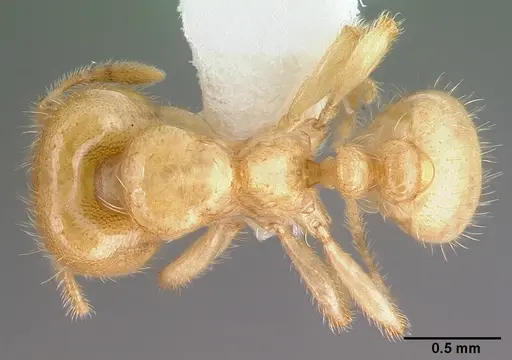
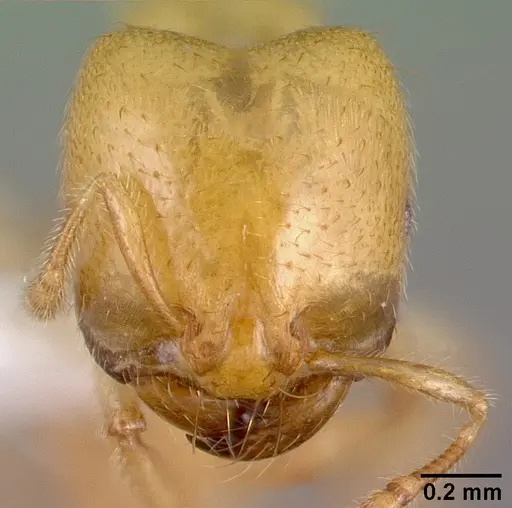
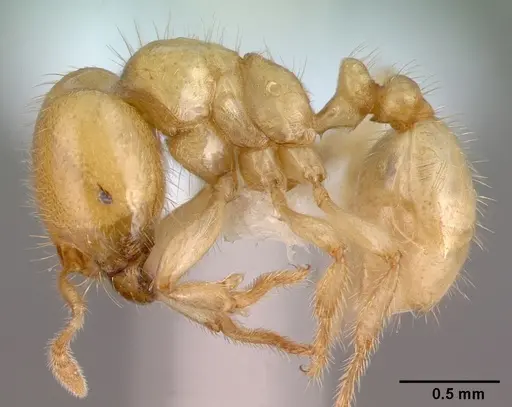
CASENT0106206
View on AntWeb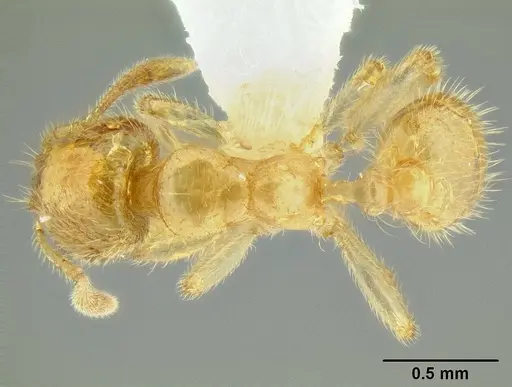
CASENT0178097
View on AntWeb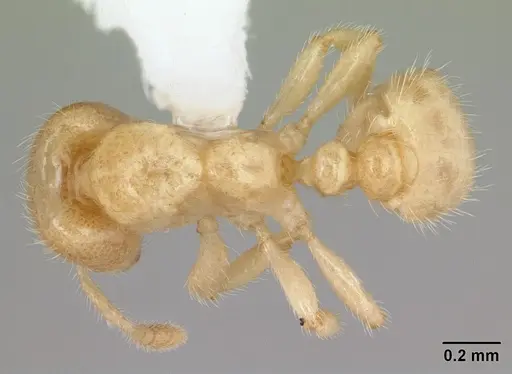
CASENT0900747
View on AntWeb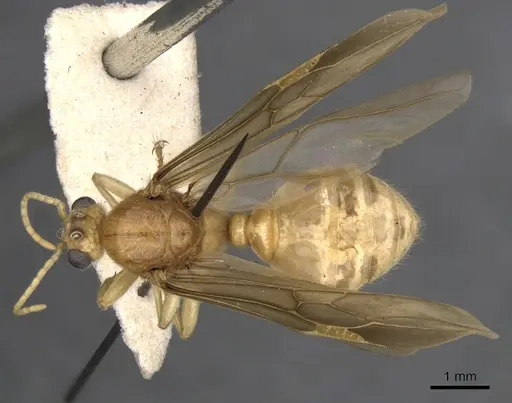
CASENT0904617
View on AntWeb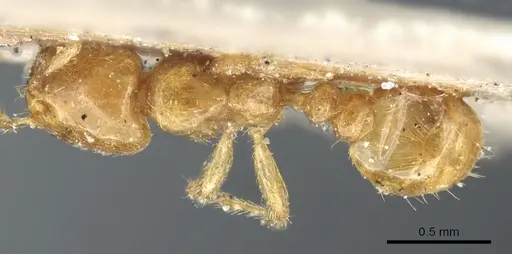
CASENT0908790
View on AntWeb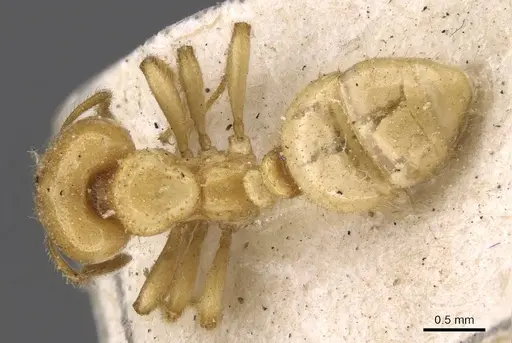
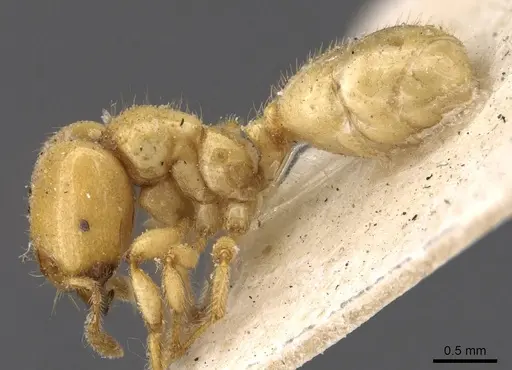
CASENT0913105
View on AntWeb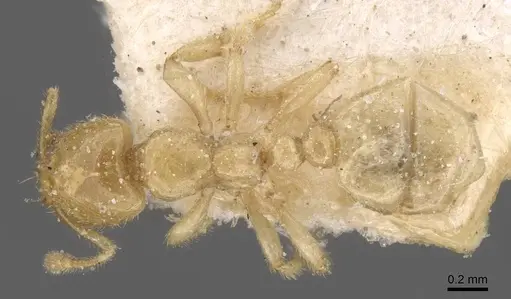
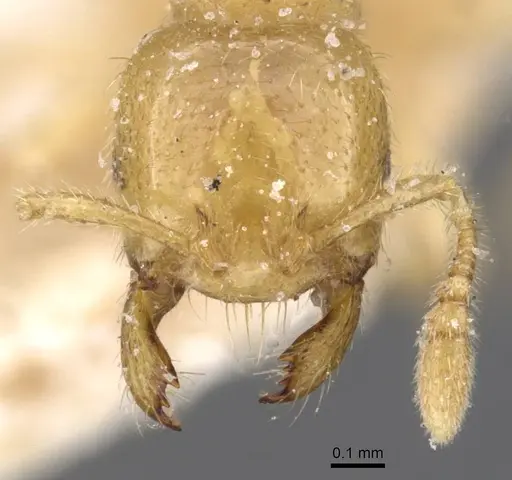
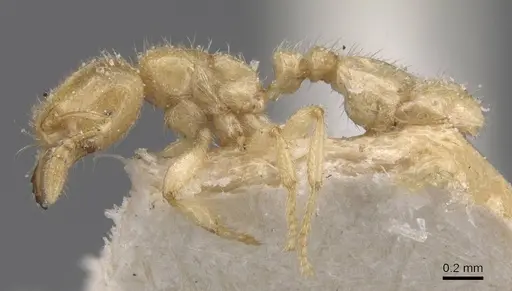
CASENT0913106
View on AntWeb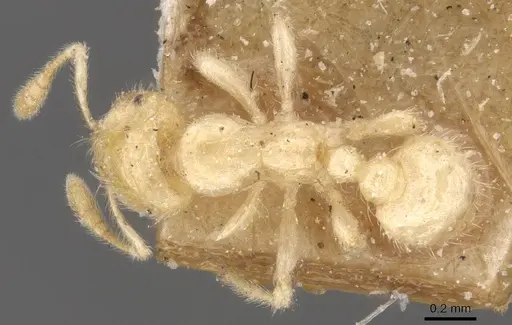
CASENT0916040
View on AntWeb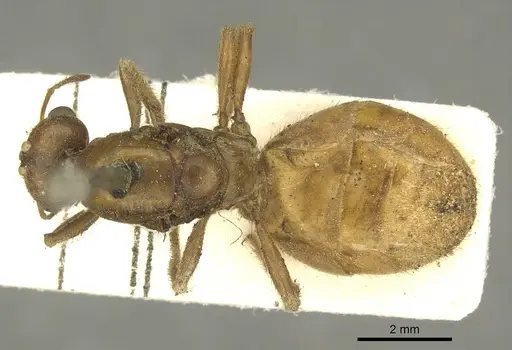
CASENT0916041
View on AntWeb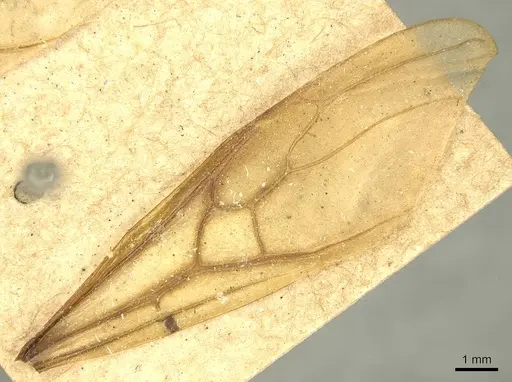
CASENT0916042
View on AntWeb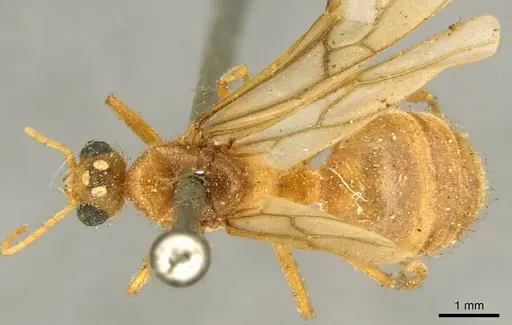
CBUMAGENT41927
View on AntWeb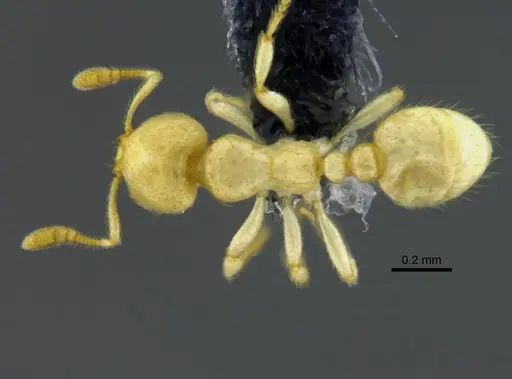
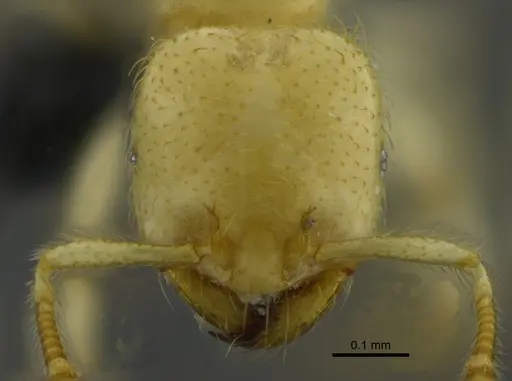
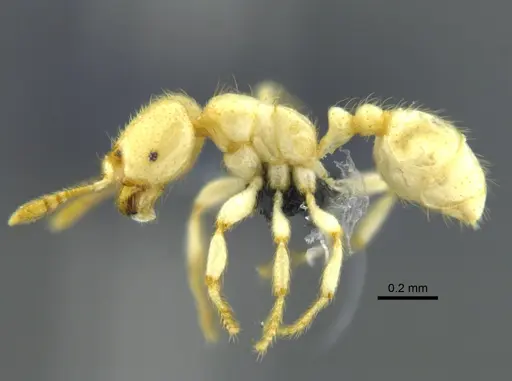
ECOFOG-IT14-0109-95
View on AntWeb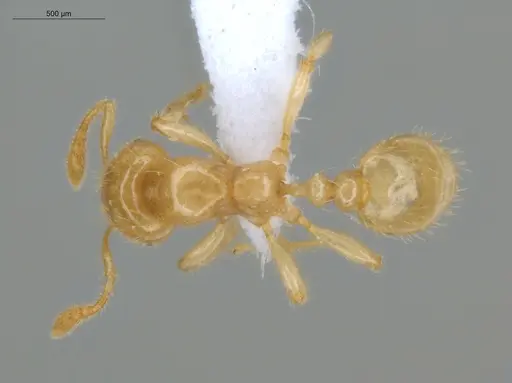
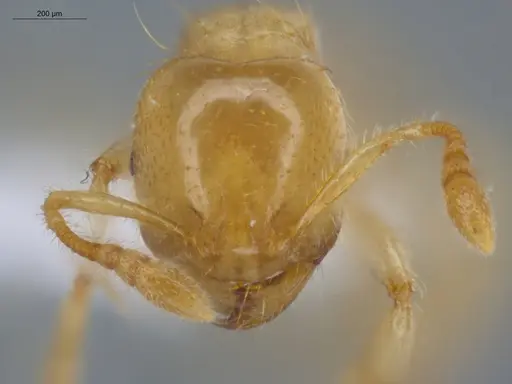
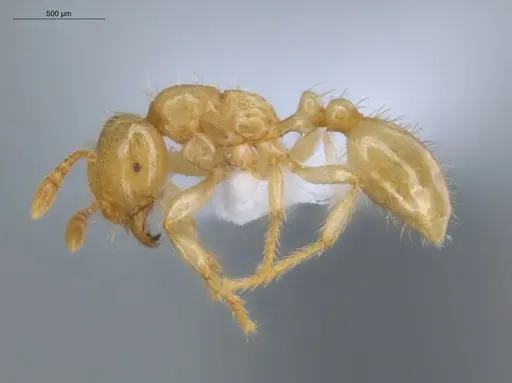
FOCOL1883
View on AntWeb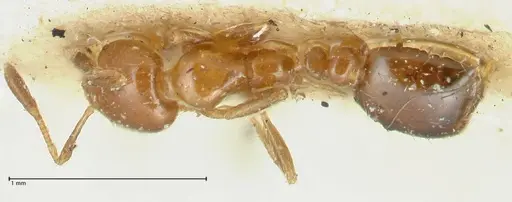
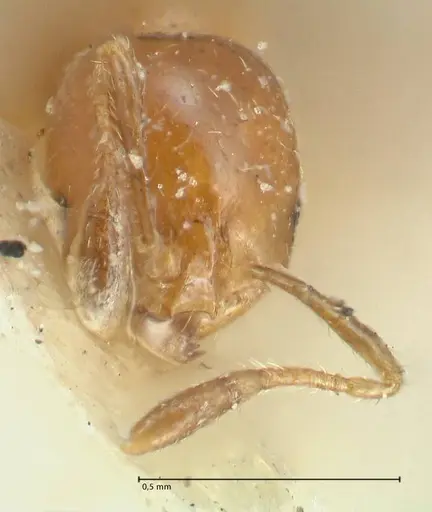
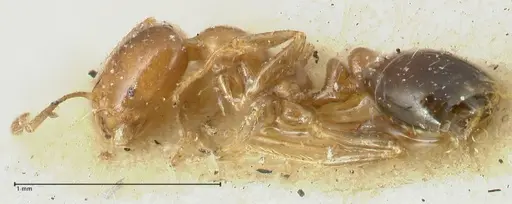
FOCOL1884
View on AntWeb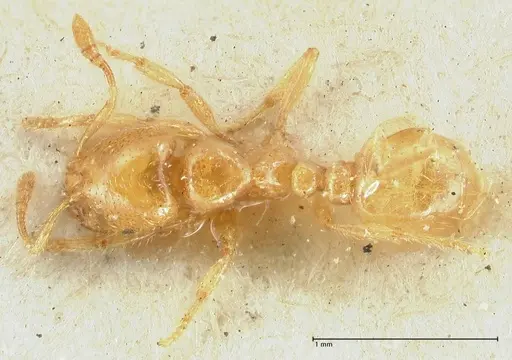
USNMENT00445763
View on AntWeb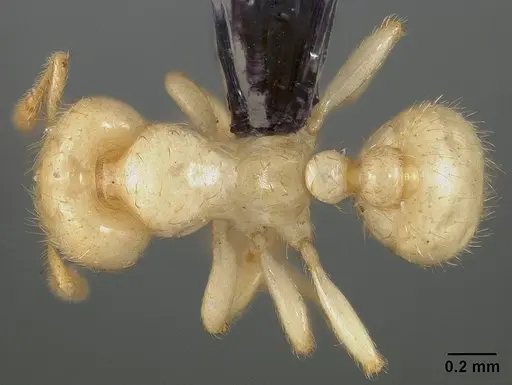
Literature
Loading...Loading products...