

Trachymyrmex desertorum
- Scientific Name
- Trachymyrmex desertorum
- Tribe
- Attini
- Subfamily
- Myrmicinae
- Author
- Wheeler, 1911
- Distribution
- Found in 2 countries
Trachymyrmex desertorum Overview
Trachymyrmex desertorum is an ant species of the genus Trachymyrmex. It is primarily documented in 2 countries , including Mexico, United States of America. Detailed taxonomic data and occurrence records can be further explored via authoritative databases such as AntWeb or the Global Biodiversity Information Facility (GBIF).
Trachymyrmex desertorum
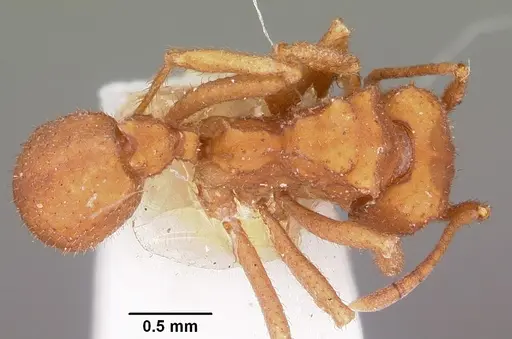
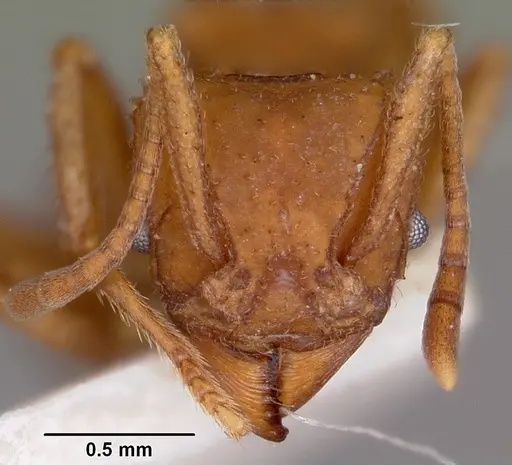
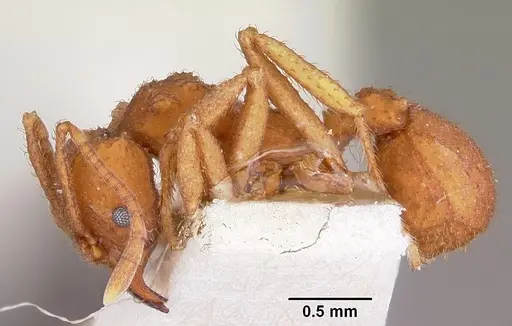
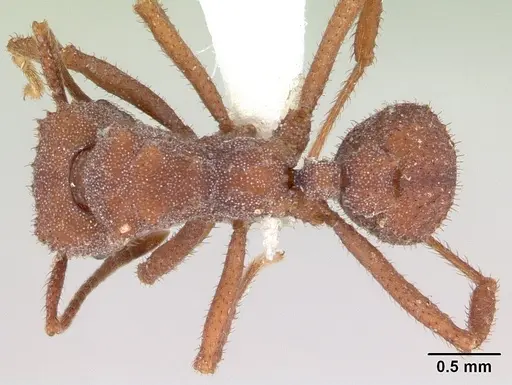
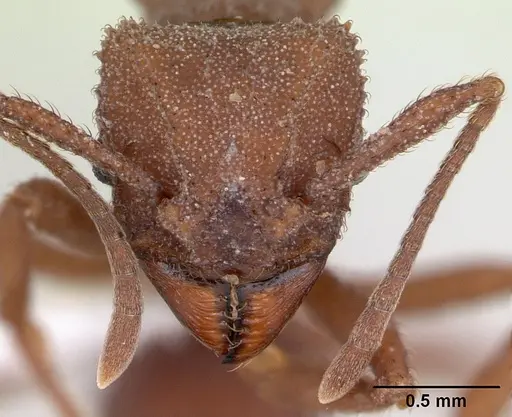
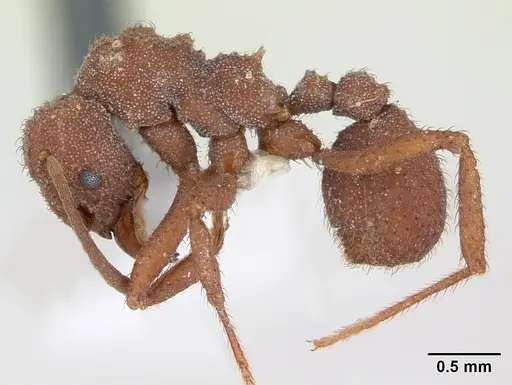
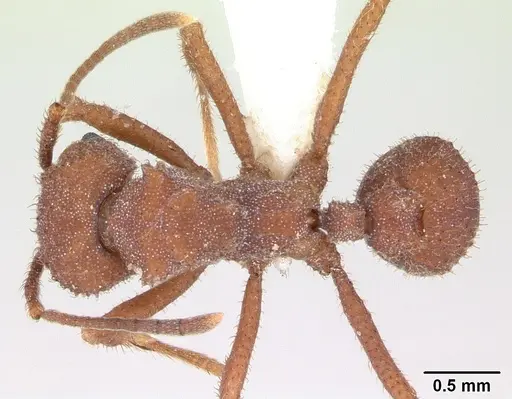
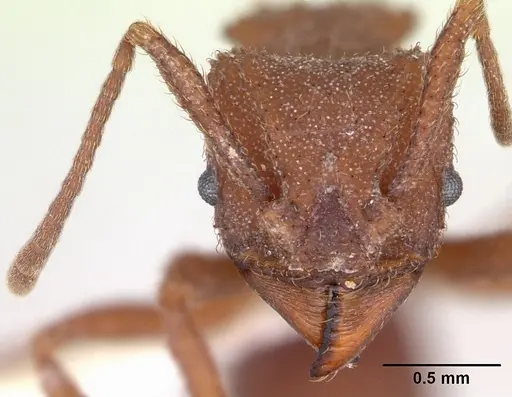
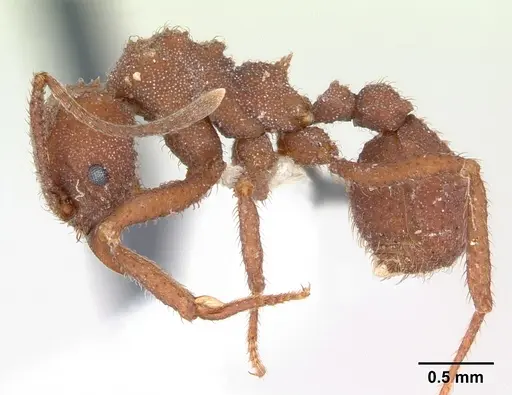
Trachymyrmex desertorum is a medium-sized fungus-farming ant native to the Sonoran Desert, found in central and southern Arizona and the Mexican state of Sonora at elevations between 530-840 meters [1]. Workers measure 0.8-1.12mm in head length and have a robust build with relatively short antennal scapes [1]. Their coloration ranges from brownish yellow to medium reddish-brown, and they have distinctive tubercles (small bumps) covering their body surface [1]. Unlike their famous relatives the leafcutter ants, T. desertorum does not cut live vegetation, instead, foragers collect fallen green leaflets and fresh flower petals from the ground [1]. This species nests in very rocky desert soil, often under the shade of palo verde or mesquite trees, with nest chambers reaching up to 120cm below the surface [1]. As a fungus-farming ant, T. desertorum cultivates a specialized fungal garden (Leucoagaricus gongylophorus) for food, the fungus breaks down the plant material the ants collect, and the ants then eat the specialized nutrient-rich structures the fungus produces [2][3].
Quick Summary
- Difficulty: Expert
- Origin & Habitat: Sonoran Desert in central and southern Arizona and Sonora, Mexico (530-840m elevation). Found in desert habitats with palo verde, creosote bush, Acacia, jojoba, honey mesquite, and saguaro cacti. Nests in rocky soil under trees or in washes [1][4].
- Colony Type: Single-queen (monogyne) colonies. Queens found new nests alone and cultivate their fungal garden from scratch.
- Colony: Monogyne
- Founding: Claustral
- Size & Growth:
- Queen: 1.2-1.25mm head length [1]
- Worker: 0.8-1.12mm head length [1]
- Colony: Likely several hundred workers based on related Trachymyrmex species. Nests contain 1-3 chambers [1].
- Growth: Moderate, fungus farming adds time to colony development
- Development: Estimated 8-12 weeks at warm temperatures based on related Trachymyrmex species. The fungus must establish before larvae can develop properly. (Development is slower than typical ants because the queen must cultivate fungus before producing workers. First workers (nanitics) are smaller than mature workers.)
- Antkeeping:
- Temperature: Keep nest area at 24-28°C. This species is adapted to warm desert conditions and needs consistent warmth for fungal growth [1].
- Humidity: Low to moderate. Desert species, keep substrate moderately dry, not waterlogged. Provide a shallow water dish for drinking but avoid excess moisture that harms fungus.
- Diapause: Partial dormancy in winter. Reduce temperatures to 15-18°C during winter months (November-February) in temperate climates. Reduce feeding but maintain light fungal garden care.
- Nesting: Y-tong (AAC) nests work well for their size. Provide small chambers scaled to their medium build. Avoid overly compact spaces since they naturally have 1-3 chambers in rocky soil. A naturalistic setup with rocky substrate also works.
- Behavior: Generally docile and non-aggressive. Workers are small but active foragers that search for plant material to feed their fungus. They are not known to sting, Myrmicinae have stingers but these ants are not aggressive defenders. Escape prevention is critical due to their small size, they can squeeze through standard test tube openings. Use fine mesh barriers and fluon on container edges.
- Common Issues: Fungal colony collapse is the biggest risk, the fungus can die if conditions are too wet, too dry, or too cold, Small size means escape prevention must be excellent, use fine mesh and tight-fitting lids, Slow growth frustrates beginners, the fungus must establish before workers can be produced, Finding suitable fungal substrate can be challenging, they need fresh plant material, not typical ant foods, Temperature drops can kill both ants and fungus, avoid cold drafts and maintain warmth
Fungal Cultivation - The Heart of Their Care
Trachymyrmex desertorum belongs to the Attini tribe of fungus-farming ants, and unlike most ants that eat protein or sugar, these ants cultivate a specialized fungus for food [5][2]. This is the most critical aspect of their care, the fungal garden is the colony's food source, and if the fungus dies, the colony starves. In the wild, foragers collect green leaflets and flower petals, which they feed to the fungus. The fungus then produces specialized nutrient-rich structures called gongylidia that the ants eat [2][3]. In captivity, you must provide fresh plant material regularly, small pieces of green leaves, flower petals, or other soft plant matter. The fungus will grow on this material, and you should see the garden expand over time. Never feed these ants typical ant foods like sugar water or insects, they cannot digest these. The fungal relationship is obligate, meaning both the ants and fungus depend on each other to survive [2].
Feeding and Nutrition
Feeding Trachymyrmex desertorum is fundamentally different from keeping other ants. You must provide plant material for the fungus, not directly for the ants. Offer small pieces of fresh green leaves, flower petals, or soft plant stems every few days. Remove any uneaten plant material after 2-3 days to prevent mold. The ants will cut or tear the material into smaller pieces and feed it to their fungal garden. Over time, you should see the fungus produce small, rounded gongylidia that the ants harvest and eat. Do not offer sugar water, honey, or protein sources like insects, these will not be accepted and can harm the fungus. The fungal garden is white to off-white and should look fuzzy or thread-like. If the fungus turns dark, slimy, or stops growing, something is wrong with the conditions. Some keepers report success offering tiny amounts of oat flour or rice cereal as fungal substrate, but fresh plant material is more reliable [2][1].
Temperature and Heating Requirements
As a desert species from the Sonoran Desert, Trachymyrmex desertorum requires warm conditions to thrive. Keep the nest area at 24-28°C consistently, both the ants and their fungal garden need warmth [1]. A heating cable on one side of the nest creates a temperature gradient that allows the colony to regulate. Place the heating element on top of the nest, not underneath, to avoid drying out the fungus too quickly. Temperature drops below 20°C can slow fungal growth significantly and may stress the colony. During winter in temperate climates, you can reduce temperatures to 15-18°C to simulate seasonal cooling, but avoid cold temperatures below 10°C. The fungus is sensitive to temperature changes, so aim for stability rather than extremes. Room temperature (around 22-24°C) is acceptable if your home stays in this range [1].
Nesting and Habitat Setup
In the wild, T. desertorum nests in very rocky soil where limited space between boulders creates irregularly shaped fungus chambers [1]. The nests contain 1-3 chambers placed up to 120cm below the surface, often under the shade of palo verde or mesquite trees [1]. For captivity, a Y-tong (AAC) nest with small to medium chambers works well. The chambers should be scaled to their medium size, not too tight, but not overly spacious either. A naturalistic setup with a rocky substrate mixture can also work, though it makes observing the colony more difficult. Provide a water dish in the outworld for drinking, but keep the nest itself relatively dry, these are desert ants adapted to arid conditions. Good ventilation is essential to prevent mold growth on the fungal garden. Avoid test tubes for long-term housing as they don't provide enough space for the fungus garden to develop properly.
Colony Founding and Early Development
Starting a colony of Trachymyrmex desertorum requires patience. A newly mated queen will seal herself in a chamber and begin cultivating fungus from an initial inoculum she carries (this is inferred from genus patterns, as founding behavior is not directly documented for this species). The queen cannot forage during founding, she relies on stored energy and the developing fungus to survive. She will produce a small fungal garden first, then lay eggs. The larvae depend entirely on the fungus for food, so the fungus must establish before larvae can develop properly. This makes founding slower than typical ants, expect 2-3 months before you see the first workers (nanitics), and these initial workers will be smaller than mature workers. Do not disturb the queen during founding, she needs peace and stable conditions. Once workers emerge, they will take over fungal garden maintenance and foraging for plant material. [1]
Behavior and Temperament
Trachymyrmex desertorum is a docile, non-aggressive species that poses no danger to keepers. Workers are active foragers that search the outworld for plant material to bring back to the fungal garden. They are not territorial or aggressive toward humans, and they do not sting, while Myrmicinae ants have stingers, this species is not known for defensive stinging behavior. The main concern for keepers is their small size and escape potential. Workers can squeeze through tiny gaps that larger ants cannot fit through, so excellent escape prevention is essential. Use fine mesh (at least 0.5mm), tight-fitting lids, and apply fluon or similar barriers to all container edges. These ants are also sensitive to their fungal garden's needs, if the fungus declines, the colony will struggle even if conditions seem fine for the ants alone. [1]
Frequently Asked Questions
Can I keep Trachymyrmex desertorum in a test tube?
Test tubes are not ideal for long-term housing. These ants need space for their fungal garden to develop, and a test tube doesn't provide enough room. Use a Y-tong (AAC) nest or a small formicarium with appropriately sized chambers. Test tubes work for temporary housing during founding but plan to move the colony to proper housing once workers emerge.
What do Trachymyrmex desertorum eat?
They do not eat typical ant foods. These are fungus-farming ants that cultivate a fungal garden for food. Offer fresh plant material like green leaf fragments, flower petals, or soft plant stems. The ants feed this material to their fungus, which then produces gongylidia (nutrient-rich structures) that the ants eat. Never feed sugar water, honey, or insects, they cannot digest these.
How long does it take for the first workers to emerge?
Expect 8-12 weeks from founding to first workers, depending on temperature. The queen must first establish the fungal garden before she can raise brood. This makes Trachymyrmex slower to establish than typical ants. First workers (nanitics) will be smaller than mature workers.
Are Trachymyrmex desertorum good for beginners?
No, this is an expert-level species. Their obligate fungal cultivation requirement makes them significantly more difficult than typical ants. The fungus can die from improper temperature, humidity, or substrate, which kills the entire colony. They also require a specialized diet of plant material rather than common ant foods. Only experienced antkeepers should attempt this species.
Do Trachymyrmex desertorum need hibernation?
They benefit from a cooler winter period but not true hibernation. Reduce temperatures to 15-18°C during winter (November-February in temperate regions) and reduce feeding. The colony will remain somewhat active but slow down. Do not allow temperatures below 10°C as both the ants and fungus are sensitive to cold.
Why is my fungal garden dying?
Fungal gardens fail due to improper conditions. Common causes: too much moisture (keep substrate moderately dry, not wet), temperatures below 20°C (fungi need warmth), mold from uneaten plant material (remove uneaten food after 2-3 days), or contaminated substrate. Ensure good ventilation, stable warmth, and only offer clean plant material. If the fungus turns dark or slimy, it may be too late to save it.
How big do Trachymyrmex desertorum colonies get?
Based on related Trachymyrmex species, colonies likely reach several hundred workers. The wild nests have 1-3 chambers, suggesting moderate colony size. Growth is slow due to fungal cultivation requirements, expect several months to reach 50+ workers and a year or more for larger colonies.
Can I keep multiple queens together?
No, this is a single-queen (monogyne) species. Multiple unrelated queens will fight. Only keep one queen per colony. In the wild, each colony has a single reproductive queen.
How often should I feed Trachymyrmex desertorum?
Offer fresh plant material every 2-3 days. Remove any uneaten material after 2-3 days to prevent mold. The amount depends on colony size, start with small pieces and increase as the fungal garden grows. Watch how quickly the ants process the material into the fungus. Overfeeding leads to mold problems.
References

This caresheet is licensed under CC BY-SA 4.0 .
Literature
Loading...Loading products...