

Thaumatomyrmex ferox
- Scientific Name
- Thaumatomyrmex ferox
- Tribe
- Ponerini
- Subfamily
- Ponerinae
- Author
- Mann, 1922
- Distribution
- Found in 7 countries
Thaumatomyrmex ferox Overview
Thaumatomyrmex ferox is an ant species of the genus Thaumatomyrmex. It is primarily documented in 7 countries , including Colombia, Costa Rica, Guatemala. Detailed taxonomic data and occurrence records can be further explored via authoritative databases such as AntWeb or the Global Biodiversity Information Facility (GBIF).
Thaumatomyrmex ferox - "Fork-Jawed Ant"
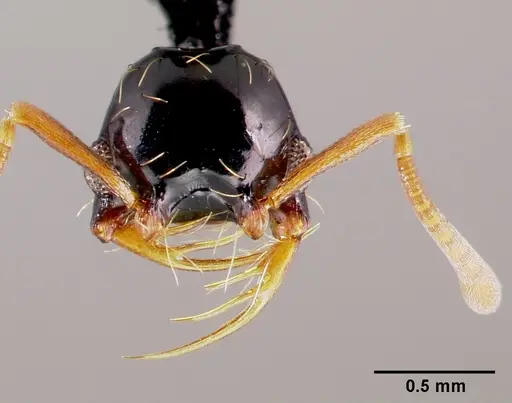
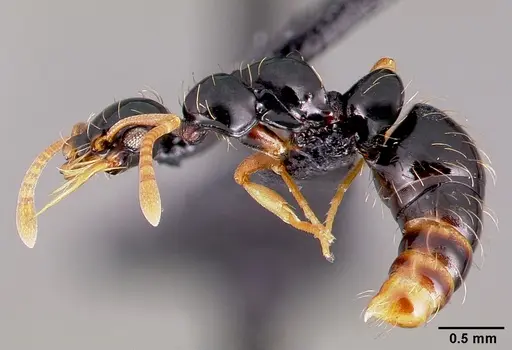
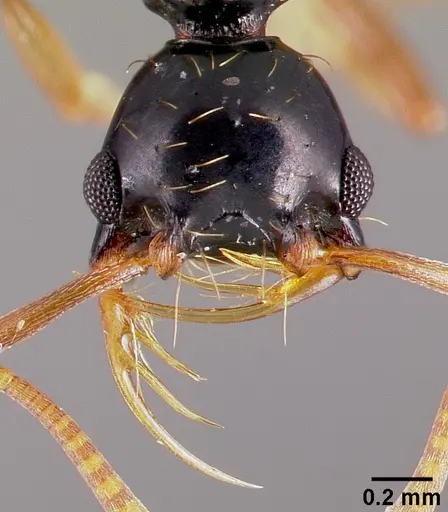
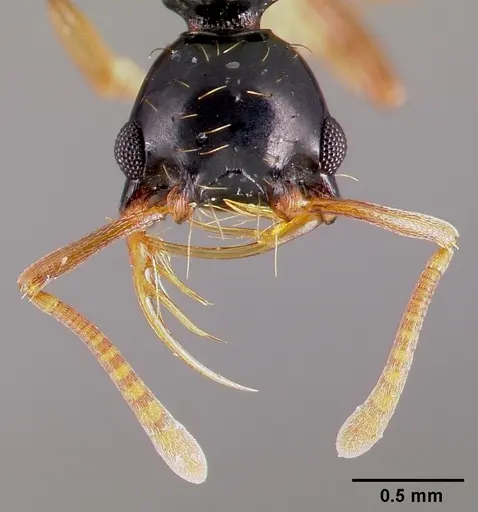
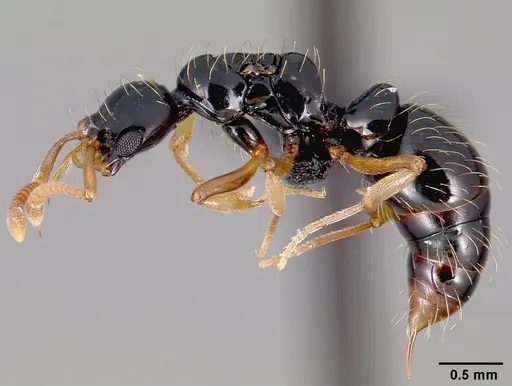
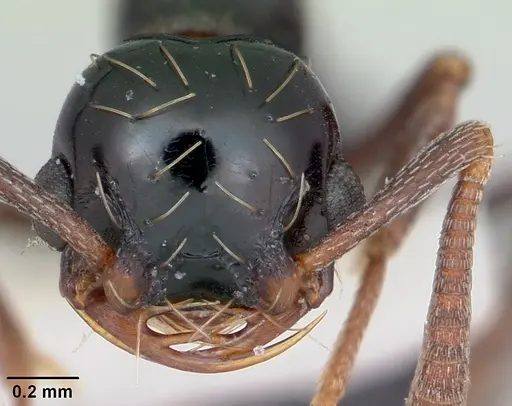
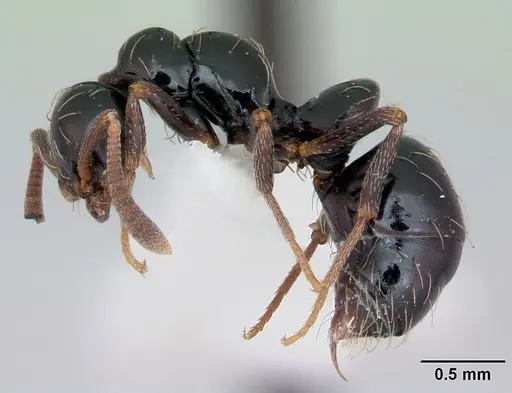
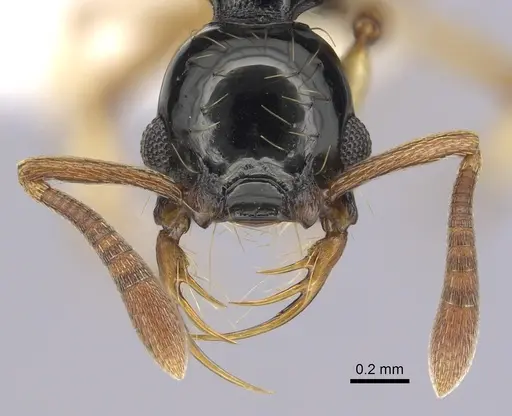
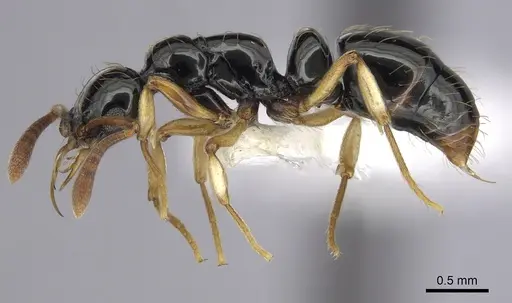
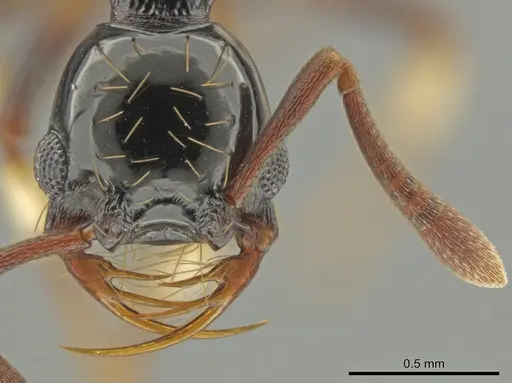
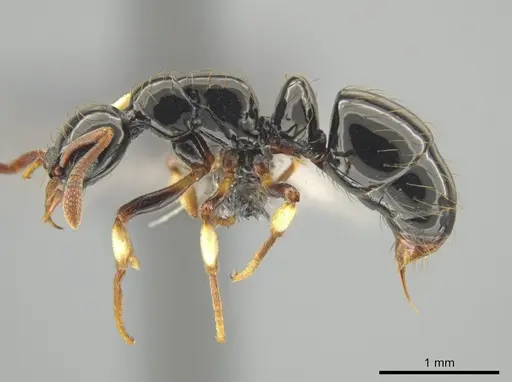
Thaumatomyrmex ferox is a fascinating ant species known for its incredibly unique and specialized morphology. Workers are small, typically ranging from 3.3 to 5.0 mm in length, and boast a striking glossy black appearance with elegant golden-brown to yellowish legs and antennae. Their most distinctive feature, and indeed the origin of their common name, are their bizarre, pitchfork-shaped mandibles, armed with three exceptionally long, spine-like teeth. These ants are highly specialized predators, focusing exclusively on Polyxenid millipedes. When disturbed, these cryptic ants often feign death, a common defensive behavior among many Ponerine species.
- Difficulty: Expert
- Origin & Habitat: Neotropics (Mexico to Brazil, including parts of Central America like Honduras, Guatemala, and Panama) in Dry tropical forests, transitional forests, wet montane forests, hardwood forests, and cloud forests. They are primarily found foraging and nesting within leaf litter, but also in natural cavities in the soil or decaying tree trunks..
- Colony Type: Typically functionally monogyne, meaning either a single queen or a single reproductive gamergate leads the colony. However, winged queens have been observed coexisting with reproductive gamergates in this species. Colonies are exceptionally small., semi-claustral (queen likely forages and requires early feeding, or gamergates take over reproduction in established but small colonies) founding.
- Size & Growth:
- Queen: 4.5-4.6mm
- Worker: 3.3-5.0mm
- Colony: Small (typically 3-4 individuals, rarely exceeding 9 workers). Slow growth.
- Antkeeping:
- Temperature: Aim for stable tropical temperatures, ideally between 24-28°C (75-82°F). Avoid significant fluctuations..
- Humidity: High humidity is crucial, mimicking their rainforest and leaf litter habitat. Maintain 80-95% humidity within the nest and outworld..
- Diapause: Not required. Not specified at Not specified.
- Nesting: Prefers naturalistic setups mimicking decaying wood, soil, or leaf litter. Test tube setups might work for very small founding colonies, but a small, custom-built formicarium with fine substrate and high humidity is ideal for established colonies..
- Behavior: High (towards specialized prey), Low (towards handler) aggressiveness.
- Common Issues: Obtaining and culturing Polyxenid millipedes for food, Maintaining consistently high humidity levels, Small colony size making them fragile and prone to stress, Finding suitable nesting materials that mimic natural habitat, Mold growth in high-humidity setups.
Keeping Thaumatomyrmex ferox is an endeavor reserved for expert antkeepers due to their highly specialized predatory diet. These ants are obligate predators of Polyxenid millipedes, and providing a consistent and ample supply of this specific prey is the single most significant challenge. They will not readily accept other typical ant foods like feeder insects or sugar water, making their dietary requirements exceptionally demanding. Sourcing and maintaining a culture of these tiny millipedes is absolutely essential for any successful attempt at keeping this species.
The hunting strategy of Thaumatomyrmex ferox is truly remarkable. When they encounter a Polyxenid millipede, they use their distinctive pitchfork mandibles to grasp it securely. The millipedes are covered in hooked, barbed setae that can entangle predators, but Thaumatomyrmex workers counteract this by stinging the millipede to immobilize it. Following immobilization, they meticulously strip off the protective bristles using their specialized leg hairs and mandibles before consuming their prey. This intricate predatory behavior highlights their unique adaptations and makes observing them a rare privilege.
Colony sizes for Thaumatomyrmex ferox are exceptionally small, often numbering fewer than ten individuals, even in mature colonies. This tiny colony size, combined with their cryptic nature and preference for foraging individually in leaf litter, contributes to their perceived rarity in the wild. When housing them, it's crucial to use a small, compact setup that prevents workers from getting lost and minimizes stress, as vast outworlds might overwhelm them and lead to foraging difficulties.
Maintaining stable high humidity is paramount for Thaumatomyrmex ferox as they hail from humid tropical environments. A consistent moisture gradient within the nest area is vital to prevent desiccation of the brood and workers. Sudden drops in humidity can be detrimental to their delicate well-being. Coupled with humidity, proper ventilation is also important to prevent mold growth, which can be a common issue in high-humidity setups and can quickly decimate a small, sensitive colony.
Frequently Asked Questions
What makes Thaumatomyrmex ferox so difficult to keep for antkeepers?
Their extreme difficulty stems almost entirely from their hyper-specialized diet. Thaumatomyrmex ferox are obligate predators of Polyxenid millipedes and will rarely, if ever, accept alternative food sources. Sourcing and maintaining a stable culture of these specific millipedes is a monumental challenge for most hobbyists, making them an expert-level species for even the most dedicated antkeepers.
How do Thaumatomyrmex ferox ants hunt their prey?
These ants have a fascinating and unique hunting method. They use their distinctive, pitchfork-shaped mandibles to grab Polyxenid millipedes. Since these millipedes are covered in protective, barbed hairs, the ants first sting them to immobilize them. After the millipede is subdued, the workers meticulously strip off the defensive bristles using their specialized leg hairs and mandibles before consuming the soft-bodied prey. It's truly a sight to behold!
What is the typical colony size for Thaumatomyrmex ferox?
Thaumatomyrmex ferox colonies are remarkably small, even for Ponerine ants. Mature colonies usually consist of only a handful of individuals, often just 3 to 4 workers, and rarely exceed 9. This tiny population size means each individual worker is incredibly valuable to the colony's survival.
Do Thaumatomyrmex ferox have a queen, or do workers reproduce?
This species can be quite intriguing in its reproductive structure. While winged queens have been described and observed, Thaumatomyrmex ferox is also known to have gamergates, which are reproductive workers. In some cases, these gamergates can even coexist and reproduce alongside a primary queen, adding a layer of complexity to their colony dynamics. This flexibility is characteristic of some Ponerinae ants.
What kind of nest setup is best for Thaumatomyrmex ferox?
Given their natural habitat in leaf litter, decaying wood, and soil cavities, a highly humid and naturalistic setup is crucial. A small, custom-built formicarium with a deep, fine substrate (like loam or a mix with decaying wood fragments and leaf litter) is recommended. The nest should be compact to prevent workers from getting lost and to maintain stable high humidity levels, ideally within a humidifying chamber or container.
Are Thaumatomyrmex ferox aggressive ants?
Towards their specific prey, Polyxenid millipedes, they are highly aggressive and efficient predators, utilizing their sting and unique mandibles. However, towards antkeepers or other non-prey insects, they are generally not aggressive. When disturbed, workers are known to feign death, a common defense mechanism among many cryptic ant species.
Do I need to worry about diapause for Thaumatomyrmex ferox?
No, Thaumatomyrmex ferox originates from tropical regions (Neotropics), which do not experience significant seasonal temperature drops. Therefore, a diapause period (hibernation) is not required for this species in captivity. Consistent warm temperatures year-round are preferred.
How do I maintain the high humidity required for Thaumatomyrmex ferox?
Maintaining high humidity involves regularly misting the substrate and potentially using a formicarium with a dedicated hydration system, like a hydration sponge or water reservoir. Enclosing the nest within a larger container (e.g., a plastic tub) can also help trap humidity. Monitoring with a hygrometer is essential to ensure levels remain consistently above 80%.
What are the common challenges when trying to keep Thaumatomyrmex ferox?
The primary challenge is their highly specialized diet of Polyxenid millipedes, which are difficult to source and culture. Other challenges include maintaining extremely high and stable humidity without fostering mold, their very small colony size which makes them delicate and prone to stress, and providing a nest environment that closely mimics their specific natural conditions (leaf litter, decaying wood).
Can I feed Thaumatomyrmex ferox other small insects or sugar water?
Unfortunately, no. Thaumatomyrmex ferox are highly specialized and obligate predators of Polyxenid millipedes. They have not been observed to accept other feeder insects or sugary solutions. Attempting to feed them alternatives will likely lead to starvation and colony failure, underscoring the necessity of providing their natural prey.
Is there a specific caste system in Thaumatomyrmex ferox beyond workers and queens?
Unlike some ant species that have distinct minor and major workers or soldier castes, Thaumatomyrmex ferox workers are generally monomorphic, meaning they don't show significant size variation to constitute different castes. However, they do have winged queens and reproductive gamergates (workers capable of reproduction), which are key components of their colony structure.
Why are Thaumatomyrmex ferox ants considered rare to collect in the wild?
Their perceived rarity historically stemmed from their cryptic nature, extremely small colony sizes, and their preference for foraging individually within leaf litter, making them hard to spot. Improved sampling techniques have shown higher densities in some areas, but they remain a species that is not commonly encountered or collected due to these behavioral traits.
Do the workers sting, and is it dangerous to humans?
Yes, Thaumatomyrmex ferox workers possess a sting, which they use effectively to paralyze their millipede prey. While they do sting, there is no information suggesting their sting is dangerous to humans. Given their small size and tendency to feign death when disturbed, their primary defense against threats larger than their prey is evasion rather than aggression towards antkeepers.

This caresheet is licensed under CC BY-SA 4.0 .
CASENT0006627
View on AntWeb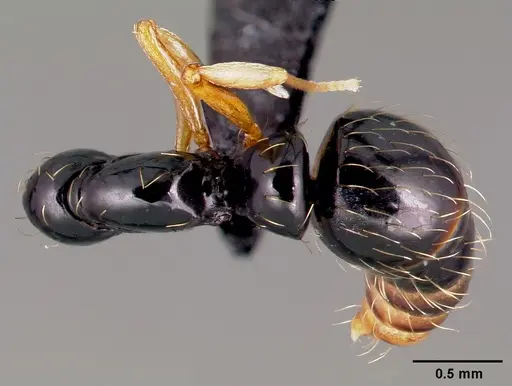
CASENT0006628
View on AntWeb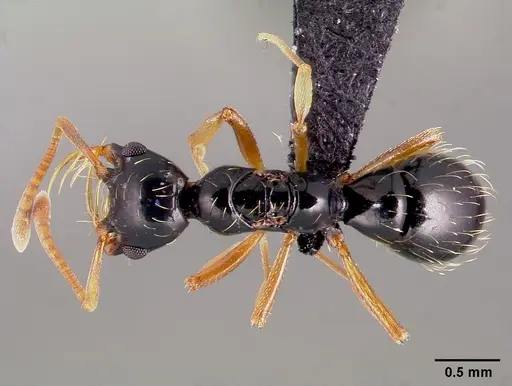
CASENT0173035
View on AntWeb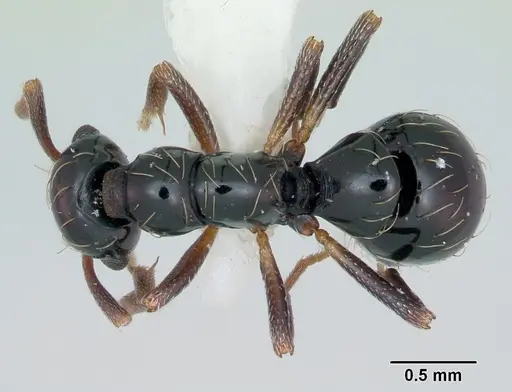
CASENT0249251
View on AntWeb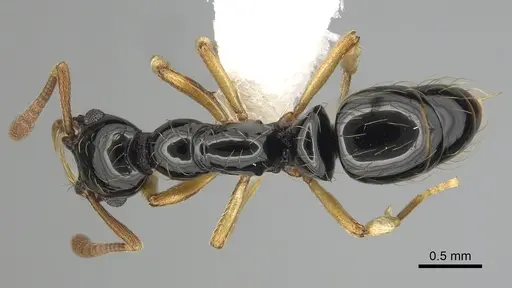
CASENT0649093
View on AntWeb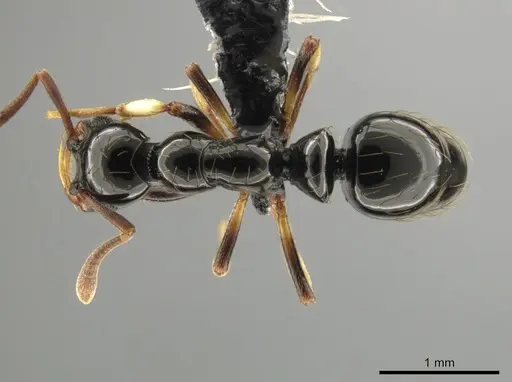
Literature
Loading...Loading products...