

Thaumatomyrmex atrox
- Scientific Name
- Thaumatomyrmex atrox
- Tribe
- Ponerini
- Subfamily
- Ponerinae
- Author
- Weber, 1939
- Distribution
- Found in 8 countries
Thaumatomyrmex atrox Overview
Thaumatomyrmex atrox is an ant species of the genus Thaumatomyrmex. It is primarily documented in 8 countries , including Brazil, Colombia, Costa Rica. Detailed taxonomic data and occurrence records can be further explored via authoritative databases such as AntWeb or the Global Biodiversity Information Facility (GBIF).
Thaumatomyrmex atrox - "Ants with Pitchfork-Shaped Mandibles"
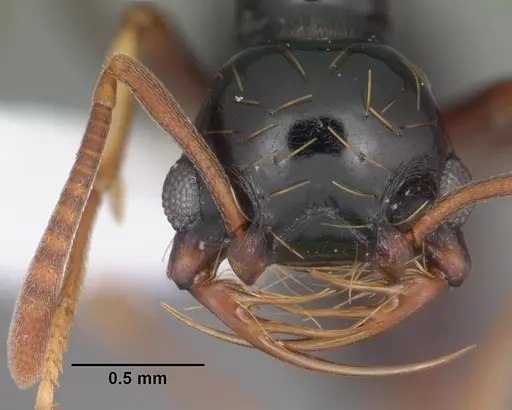
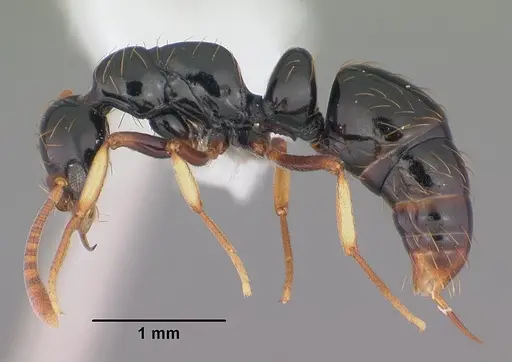
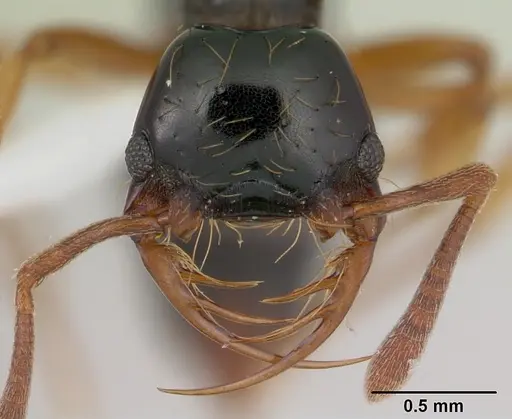
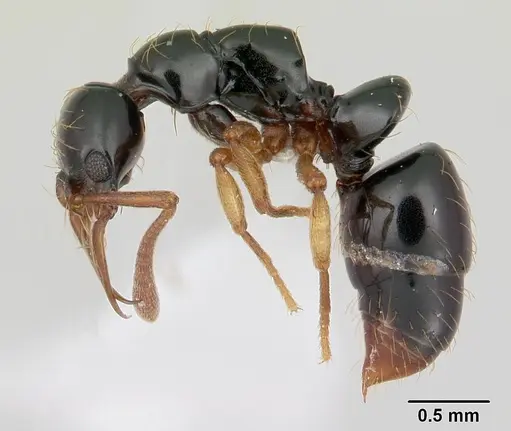
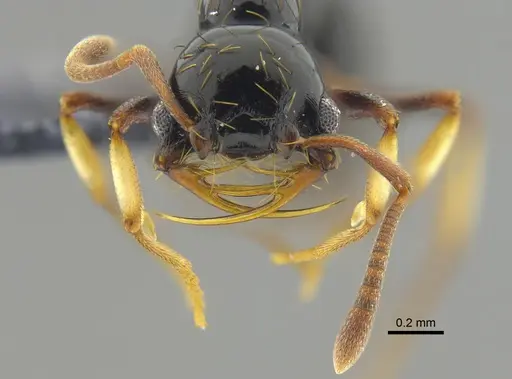
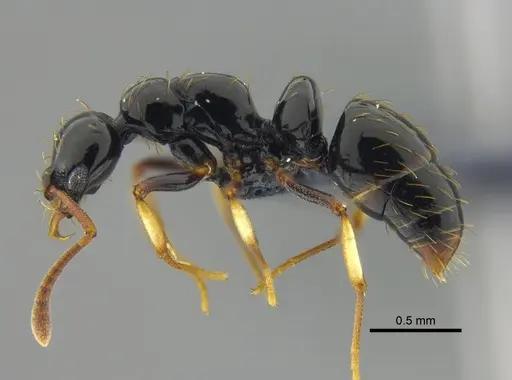
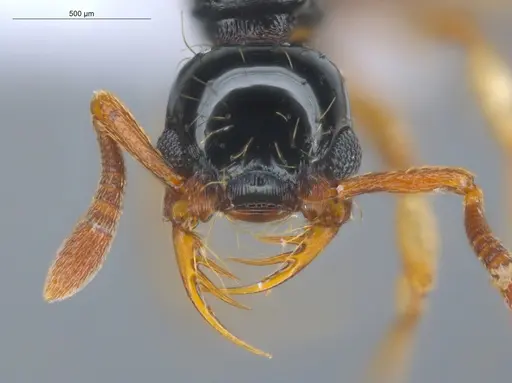
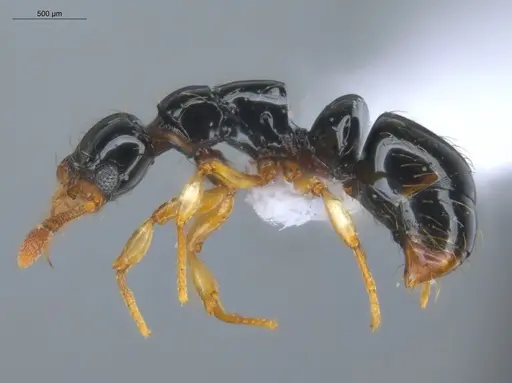
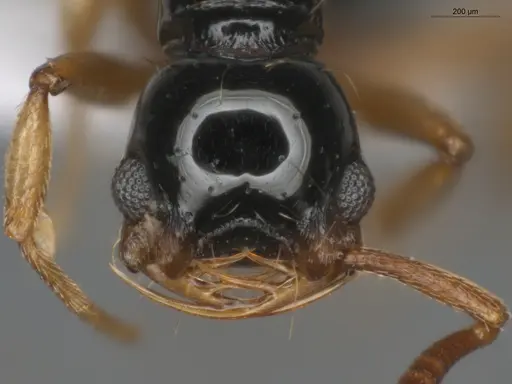
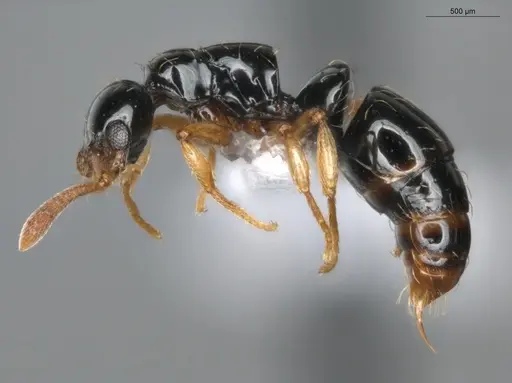
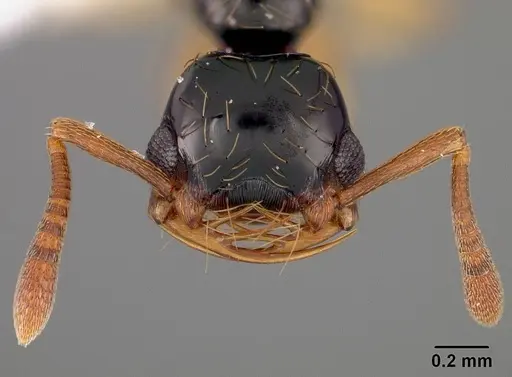
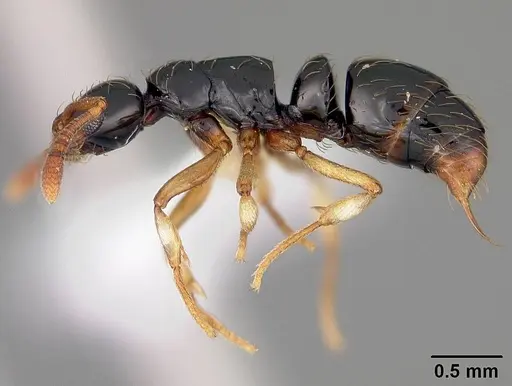
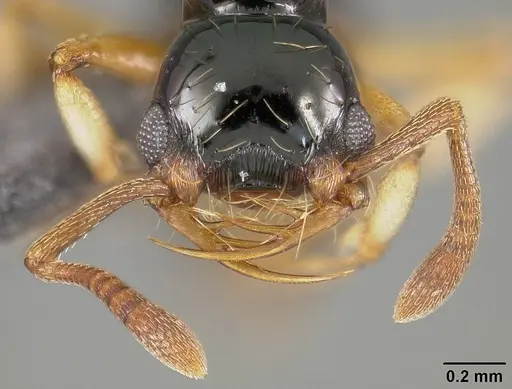
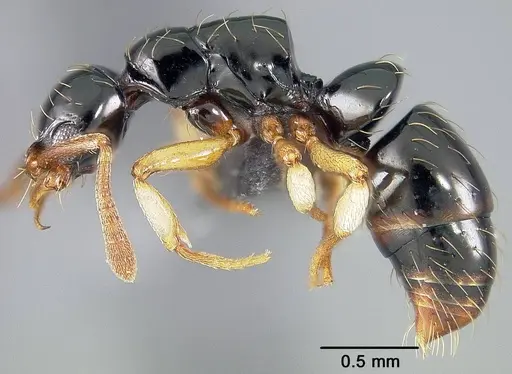
Thaumatomyrmex atrox is a fascinating and highly specialized ant species known for its distinctive pitchfork-shaped mandibles, which are unlike those of most other ants. These ants are small, typically ranging from 3.3 to 5.0 mm in length, and have a glossy black body with golden brown to yellowish appendages, including their unique mandibles and antennae. Their unusual morphology is a direct adaptation to their highly specialized diet. Unlike many ant species, Thaumatomyrmex atrox colonies are exceptionally small, often consisting of fewer than five workers and rarely exceeding nine. They are primarily found lurking in the leaf litter of South American rainforests, where they hunt their specific prey.
- Difficulty: Expert
- Origin & Habitat: Neotropical region (Mexico to Brazil, including Caribbean islands) in Tropical wet or dry forests, savannas, semi-arid regions with xerophytic vegetation, primarily in leaf litter, under bark, in rotting wood, or in natural soil cavities..
- Colony Type: Monogyne, with gamergates, semi-claustral (requires specialized prey) founding.
- Size & Growth:
- Queen: Not specified
- Worker: 3.3-5.0mm
- Colony: Small (fewer than 10 individuals). Slow - Colonies are naturally very small and their highly specialized diet can make growth difficult in captivity. growth.
- Antkeeping:
- Temperature: Maintain a stable temperature between 24-28°C (75-82°F) to mimic their tropical habitat. Avoid significant fluctuations..
- Humidity: High humidity is crucial, ideally 80-95%, given their rainforest leaf litter habitat. Ensure good ventilation to prevent mold while maintaining humidity..
- Diapause: Not required. Not specified at Not specified.
- Nesting: Small, natural cavity setups are ideal. Options include tiny wooden inserts, small sections of rotting wood, or specialized plaster/yttong nests designed for small, humidity-loving species. A very small outworld for foraging is necessary..
- Behavior: Low (towards handler, primarily defensive if disturbed, but will sting prey) aggressiveness.
- Common Issues: Failure to provide specialized diet, Mold in nest due to high humidity, Colony stalling/decline, Stress from vibrations/light/disturbance, Lack of suitable nesting space.
Keeping Thaumatomyrmex atrox is a significant challenge even for seasoned ant enthusiasts, primarily due to their extremely specialized dietary needs. These ants exclusively prey on polyxenid millipedes, which are tiny, bristly creatures found in specific microhabitats. Sourcing a consistent and healthy supply of these specific millipedes is exceptionally difficult and often impossible for the average ant keeper. Without this precise food source, a colony will quickly decline, making their long-term survival in captivity a rarity.
The unique morphology of their mandibles, resembling miniature pitchforks, is perfectly adapted for capturing and stripping the barbed setae from their polyxenid prey. Workers meticulously sting the millipedes to paralyze them, then use their mandibles and specialized foreleg hairs to scrape off the defensive bristles before consuming the softened prey. This intricate predatory behavior is a marvel to observe but underscores the strict requirements for their diet. Providing alternative food sources has not been successful, as they are not generalist predators.
Colony size is remarkably small, often just a handful of workers and a queen or a gamergate (reproductive worker). This means that even a minor loss of individuals can be devastating to the entire colony. Their small numbers also make them incredibly sensitive to disturbances and environmental changes. Maintaining a stable, high-humidity environment with minimal vibrations and constant temperatures is paramount to their delicate existence in a captive setup.
Nest requirements for these ants are very specific, mirroring their natural inclination to inhabit tiny cavities in leaf litter, rotting wood, or even abandoned wasp nests. A suitable artificial nest would need to be exceptionally small, provide high and stable humidity, and offer a dark, secure environment. Overly large nests can quickly lead to issues with waste management, mold, or stress for such a small colony, emphasizing the need for a precise and controlled setup.
Frequently Asked Questions
What makes Thaumatomyrmex atrox so challenging to keep?
These ants are considered expert-level to keep, mainly because of their highly specific diet. They are obligate predators of polyxenid millipedes, a food source that is incredibly difficult for most ant keepers to reliably obtain and maintain. Without this specialized prey, colonies simply won't survive long-term.
Can I feed Thaumatomyrmex atrox other insects like fruit flies or mealworms?
Unfortunately, no. Thaumatomyrmex atrox are extreme specialists; their unique pitchfork-shaped mandibles and specialized hunting behaviors are designed exclusively for capturing and processing polyxenid millipedes. Other insects or sugars will not be accepted, and attempting to feed them anything else will likely lead to starvation.
How large do Thaumatomyrmex atrox colonies get?
These are among the smallest ant colonies known in the Formicidae family. They typically consist of fewer than five workers, and very rarely will a colony grow to more than nine individuals. This tiny colony size is a natural characteristic of the species.
Do Thaumatomyrmex atrox have a queen, or do they have gamergates?
Thaumatomyrmex atrox are known to reproduce via gamergates, which are reproductive female workers. While alate (winged) queens have been mentioned in historical records for the genus, their existence for this specific species isn't definitively confirmed in many contexts, and gamergates are the primary known reproductive caste.
What kind of nest is best for Thaumatomyrmex atrox?
Given their tiny colony size and natural habitat, a very small, humid setup is essential. Think natural cavities in rotting wood or dense leaf litter. For captive antkeeping, custom-made mini-formicariums out of ytong or plaster with excellent humidity retention and a small foraging area are often attempted. Humidity is key, but good ventilation is also needed to prevent mold.
Are Thaumatomyrmex atrox aggressive?
Towards handlers or other ant species, they are generally not aggressive. Their aggression is focused on subduing their millipede prey. When disturbed, they may feign death rather than becoming defensive, a behavior observed in the genus.
Do they sting?
Yes, Thaumatomyrmex workers possess a sting, which they use to immobilize their millipede prey. While they primarily use it for hunting, like many ponerine ants, it can be used defensively if they feel threatened.
What is unique about their mandibles?
Their mandibles are truly extraordinary, resembling three-pronged pitchforks. These highly specialized tools are used to grab and hold their bristly millipede prey, allowing them to sting and then meticulously strip off the protective setae before the millipede is consumed.
Where are Thaumatomyrmex atrox found in the wild?
This unique ant species is native to the Neotropics, with its distribution stretching from Mexico down to Brazil, including some Caribbean islands. They primarily inhabit tropical forests, savannas, and semi-arid regions.
Is diapause (hibernation) required for Thaumatomyrmex atrox?
No, as a species originating from tropical regions, Thaumatomyrmex atrox does not require a diapause period. Consistent warm temperatures and high humidity year-round are necessary for their well-being.
Why are they considered so rare to find in the wild?
While once considered rare due to their elusive nature and specific microhabitats, improved sampling methods have shown that their colony density can actually be quite high in their natural range. However, individual colonies are tiny and they blend into the leaf litter, making them difficult to spot.

This caresheet is licensed under CC BY-SA 4.0 .
CASENT0010852
View on AntWeb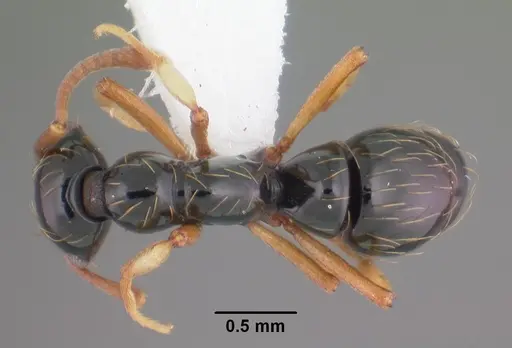
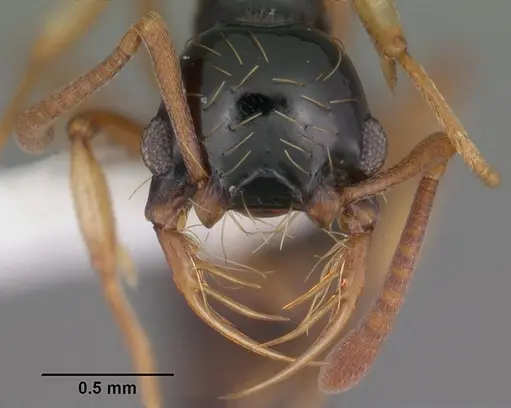
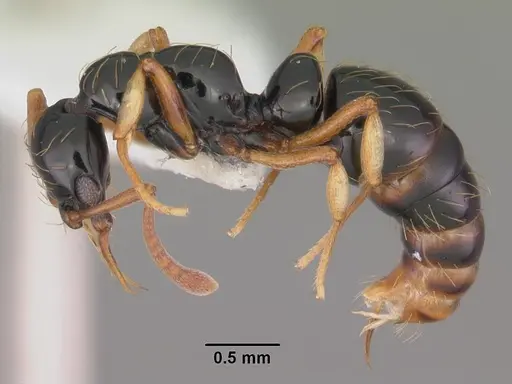
CASENT0010857
View on AntWeb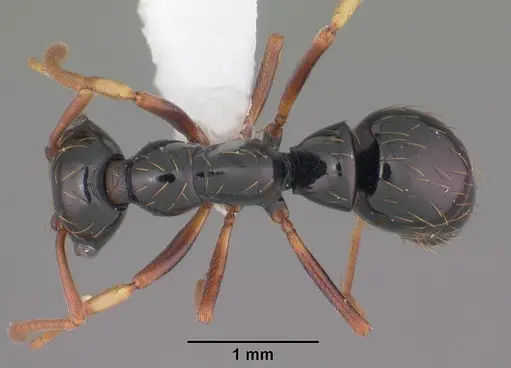
CASENT0178703
View on AntWeb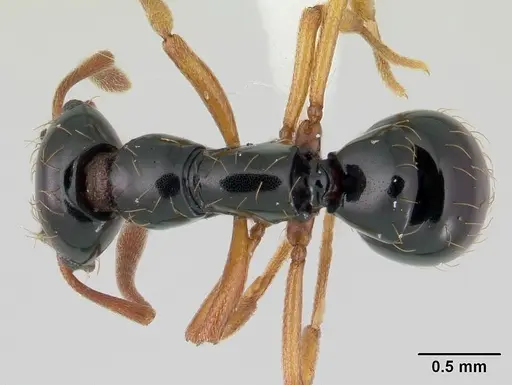
CBUMAGENT41671
View on AntWeb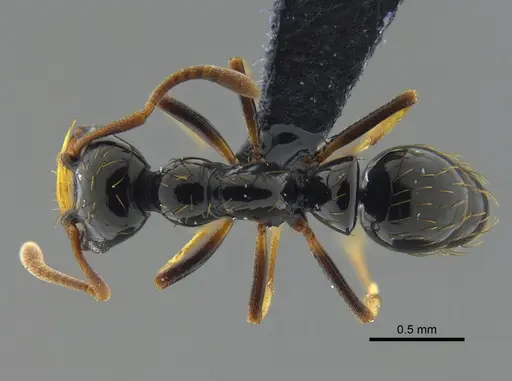
ECOFOG-GAL18-0145-20
View on AntWeb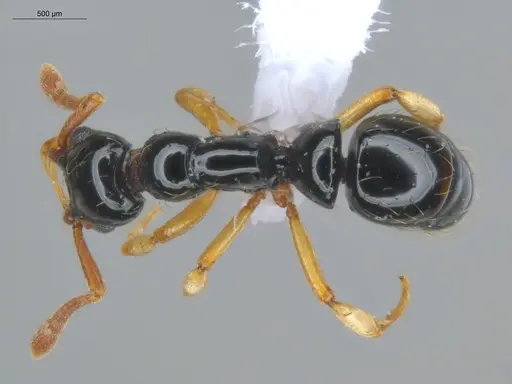
ECOFOG-MI15-0087-34
View on AntWeb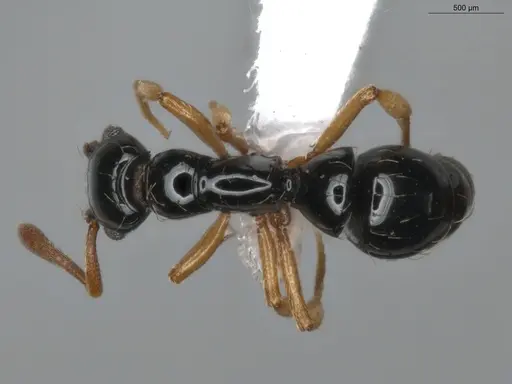
USNMENT00412378
View on AntWeb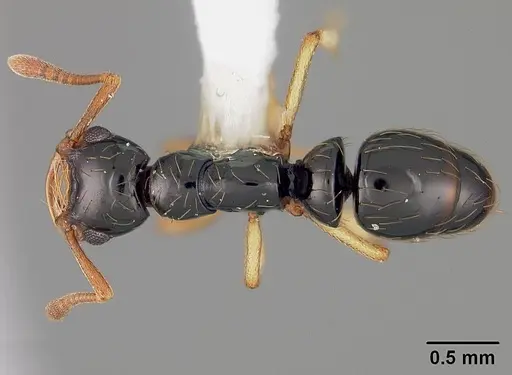
USNMENT01124293
View on AntWeb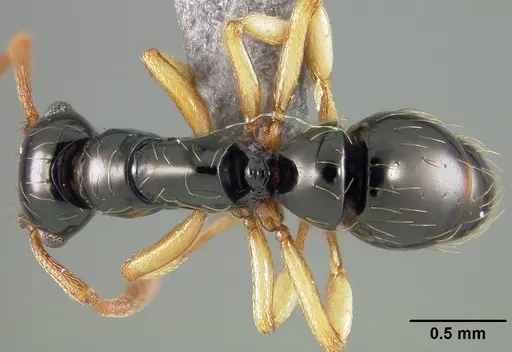
Literature
Loading...Loading products...