

Tetraponera schulthessi
- Scientific Name
- Tetraponera schulthessi
- Tribe
- Pseudomyrmecini
- Subfamily
- Pseudomyrmecinae
- Author
- Santschi, 1915
- Distribution
- Found in 4 countries
Tetraponera schulthessi Overview
Tetraponera schulthessi is an ant species of the genus Tetraponera. It is primarily documented in 4 countries , including Kenya, Mozambique, Tanzania. Detailed taxonomic data and occurrence records can be further explored via authoritative databases such as AntWeb or the Global Biodiversity Information Facility (GBIF).
Tetraponera schulthessi
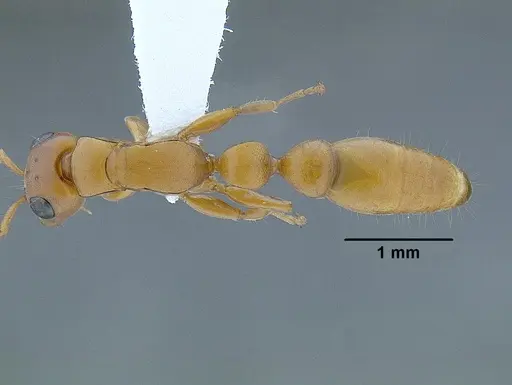
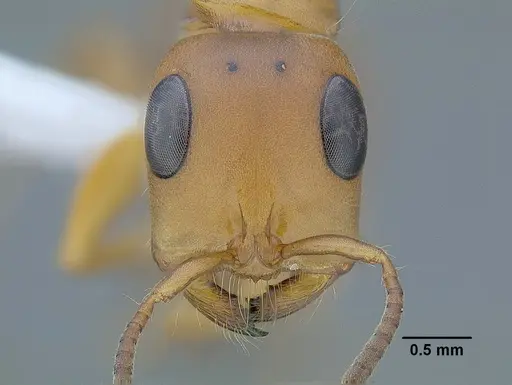
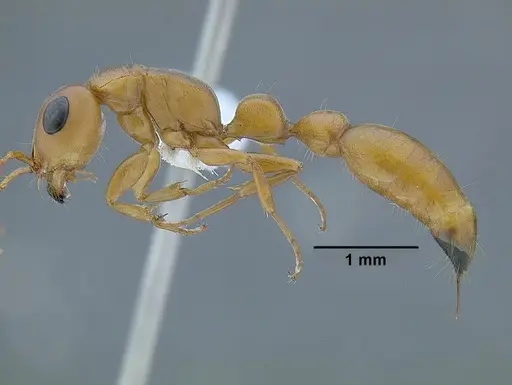
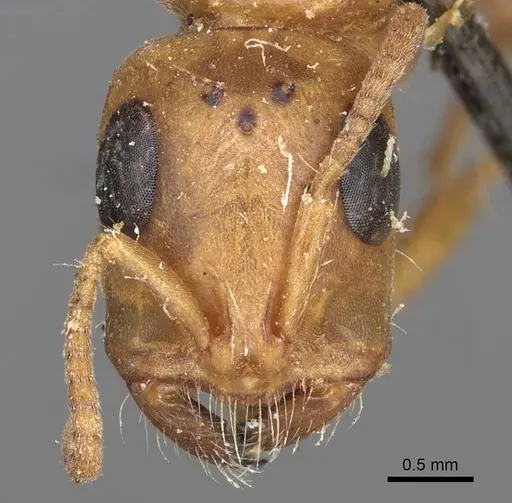
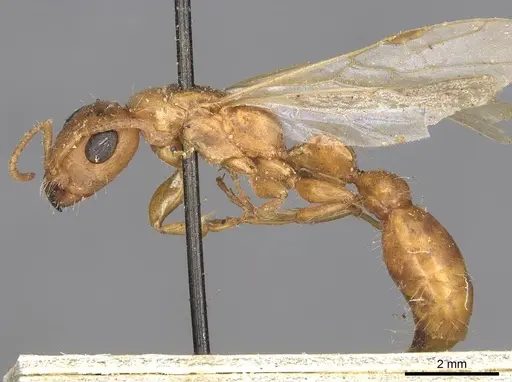
Tetraponera schulthessi is a slender, elongated ant belonging to the Pseudomyrmecinae subfamily. Workers are typically 4-6mm with the characteristic long legs and relatively large eyes typical of this genus. The species is found across eastern and southern Africa, including Kenya, Mozambique, South Africa, and Zimbabwe [1]. As a tropical African species, they inhabit warm regions and likely nest in hollow twigs, stems, or rotting wood in forested areas. The genus Tetraponera is known for its active, fast-moving ants that are often predatory or omnivorous, with some species capable of delivering painful stings.
Quick Summary
- Difficulty: Medium
- Origin & Habitat: Eastern and southern Africa (Kenya, Mozambique, South Africa, Zimbabwe). Found in tropical and subtropical forested habitats, likely nesting in hollow twigs or rotting wood [1].
- Colony Type: Likely monogyne (single queen colonies) based on typical Tetraponera genus patterns. Colony size is unknown but likely moderate, possibly reaching a few hundred workers.
- Size & Growth:
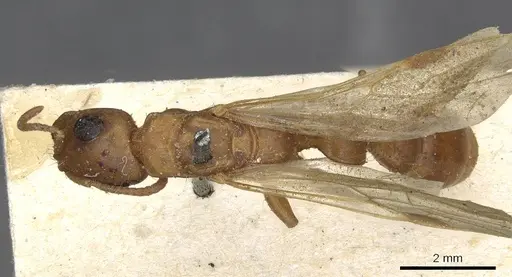
- Queen:{.size-link} Approximately 6-8mm, estimated from genus patterns [1].
- Worker:{.size-link} 4-6mm [1].
- Colony: Unknown, estimated at several hundred workers based on related species.
- Growth: Moderate, estimated based on tropical ant development patterns.
- Development: Estimated 6-8 weeks at optimal tropical temperatures (25-28°C), based on typical Pseudomyrmecinae development. (Development time is estimated from genus-level data, as species-specific development has not been documented.)
- Antkeeping:
- Temperature: Keep at 24-28°C. As a tropical African species, they require warm conditions year-round. A heating cable on one side of the nest can create a suitable gradient.
- Humidity: Moderate to high humidity (60-80%). These forest-dwelling ants prefer damp conditions but not waterlogged substrate. Mist occasionally and provide a water tube.
- Diapause: No true diapause required. As a tropical species, they do not need hibernation. However, a slight reduction in temperature during winter months (down to around 20-22°C) may be beneficial if room temperature drops significantly.
- Nesting: Provide a naturalistic setup with access to hollow twigs, cork, or a Y-tong/plaster nest. They prefer tight, enclosed spaces that mimic their natural nesting in twigs and stems.
- Behavior: Active and fast-moving ants. They are likely omnivorous, feeding on small insects, honeydew, and nectar. Some Tetraponera species can deliver a mild sting when threatened. Escape prevention is important as they are agile and quick. Monitor colony activity and provide enrichment.
- Common Issues: tropical warmth requirements mean colonies can struggle in cool rooms, limited species-specific care information means keepers must adapt from genus knowledge, escape prevention is important due to their small size and speed, humidity balance is critical, too dry causes desiccation, too wet causes mold, wild-caught colonies may have parasites or stress-related issues
Temperature and Heating
As a tropical African species, Tetraponera schulthessi requires warm conditions to thrive. Keep the nest area at 24-28°C year-round. A heating cable placed on one side of the nest creates a temperature gradient that allows ants to regulate their own temperature by moving between warmer and cooler areas. Avoid temperatures below 20°C for extended periods, as this can slow colony development and potentially cause health issues. Room temperature within this range is acceptable during warmer months, but supplemental heating may be needed in cooler climates.
Humidity and Water
These forest-dwelling ants prefer moderate to high humidity, roughly 60-80%. Keep the nest substrate consistently moist but not waterlogged. A water tube attached to the test tube or formicarium provides a constant water source. Monitor for condensation, some condensation is good, but excessive moisture leads to mold problems. If you notice persistent condensation or mold, improve ventilation and reduce watering frequency. The substrate should feel damp to the touch but not soggy.
Feeding and Diet
Tetraponera ants are typically omnivorous, feeding on small insects, honeydew, and nectar. Offer a varied diet including small live prey like fruit flies, pinhead crickets, or mealworms. Sugar sources such as honey water or sugar water should be available, especially for colony establishment. Feed protein prey 2-3 times per week, and keep sugar water available at all times. Remove uneaten prey after 24-48 hours to prevent mold. As they are active foragers, ensure food is accessible but not overwhelming the colony.
Nesting Preferences
In the wild, Tetraponera species typically nest in hollow twigs, stems, or rotting wood. In captivity, they do well in Y-tong (AAC) nests, plaster nests, or naturalistic setups with cork or wooden structures. They prefer tight, enclosed chambers that mimic their natural twig-nesting behavior. Avoid tall, open spaces that can make them feel exposed. A test tube setup works well for founding colonies, with a transition to a more elaborate nest as the colony grows.
Colony Development
Colony growth is likely moderate, with queens producing eggs that develop through larval and pupal stages to emerge as workers. First workers (nanitics) are typically smaller than mature workers. Development from egg to worker likely takes 6-8 weeks at optimal temperatures. Once established, colonies can grow to several hundred workers over time. Be patient, initial growth may seem slow, but once the first workers emerge, colony development typically accelerates.
Behavior and Temperament
These ants are active and fast-moving, characteristic of the Pseudomyrmecinae subfamily. They are generally not aggressive toward keepers but may defend their nest if threatened. Some Tetraponera species can deliver a mild sting, though this varies by species. They are excellent escape artists due to their small size and speed, so use tight-fitting lids and appropriate barriers. Provide enrichment such as additional foraging areas to keep them active and engaged.
Frequently Asked Questions
How long does it take for Tetraponera schulthessi to raise their first workers?
Based on typical Pseudomyrmecinae development, expect 6-8 weeks from egg to first worker at optimal temperatures (24-28°C). This is an estimate since species-specific development data is not available.
What temperature do Tetraponera schulthessi ants need?
Keep them at 24-28°C year-round. As a tropical African species, they require warm conditions. A heating cable on one side of the nest can help maintain appropriate temperatures.
Can I keep Tetraponera schulthessi in a test tube?
Yes, test tubes work well for founding colonies. Ensure the water reservoir is appropriately sized and provide a dark area for the queen. Once the colony grows to 20-30 workers, consider transitioning to a more elaborate nest.
Do Tetraponera schulthessi ants sting?
Some Tetraponera species can deliver a mild sting when threatened, though this varies. Handle gently and avoid provoking the colony. The sting is not considered dangerous to healthy humans.
How big do Tetraponera schulthessi colonies get?
Colony size is not documented, but based on related species, colonies likely reach several hundred workers over time. Growth is moderate.
Do Tetraponera schulthessi need hibernation?
No, they do not require true hibernation. As a tropical species, they need warm conditions year-round. A slight temperature reduction in winter (to around 20-22°C) is acceptable if room temperature drops significantly.
What do Tetraponera schulthessi eat?
They are omnivorous, feeding on small insects and sugar sources. Offer live prey like fruit flies or small crickets 2-3 times per week, and provide honey water or sugar water constantly.
Are Tetraponera schulthessi good for beginners?
This species is rated as Medium difficulty. While not the hardest species, the need for constant warmth and humidity makes them better suited for keepers with some experience. Beginners should ensure they can maintain appropriate temperatures year-round.
Why are my Tetraponera schulthessi dying?
Common causes include temperatures below 20°C, too dry or too wet conditions, mold from excess moisture, stress from excessive disturbance, or poor nutrition. Review your temperature, humidity, and feeding regimen. Wild-caught colonies may also have parasites.
When should I move my colony to a formicarium?
Transition to a larger nest when the colony reaches 20-30 workers or when the test tube shows signs of degradation. Ensure the new nest maintains appropriate humidity and has enough space for colony growth.
Report an Issue
The current care sheet is based fully on literature. See inconsistencies, or something that's incorrect? Please , it will be resolved after review from an admin. Contributing to the blogs tab also helps providing information, to make us be able to further improve the caresheets. Thank you for your support!
References

This caresheet is licensed under CC BY-SA 4.0 .


Literature
Loading...Loading products...