

Tetraponera pumila
- Scientific Name
- Tetraponera pumila
- Tribe
- Pseudomyrmecini
- Subfamily
- Pseudomyrmecinae
- Author
- Ward, 2022
- Distribution
- Found in 1 countries
Tetraponera pumila Overview
Tetraponera pumila is an ant species of the genus Tetraponera. It is primarily documented in 1 countries , including Tanzania, United Republic of. Detailed taxonomic data and occurrence records can be further explored via authoritative databases such as AntWeb or the Global Biodiversity Information Facility (GBIF).
Tetraponera pumila
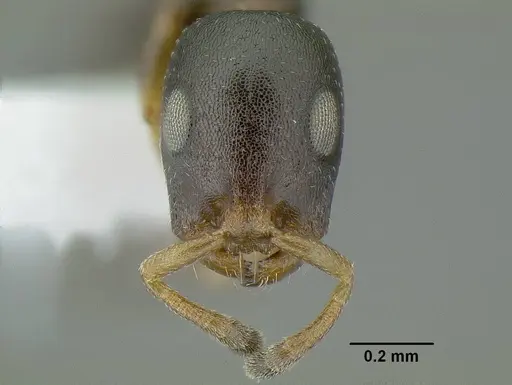
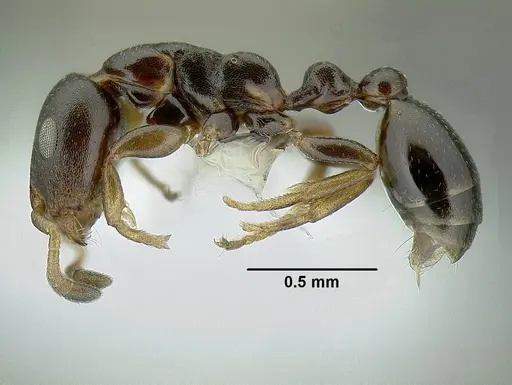
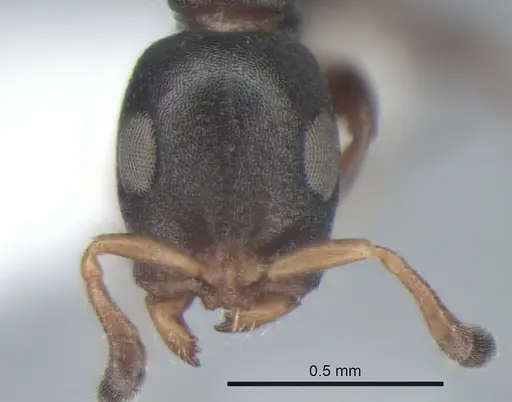
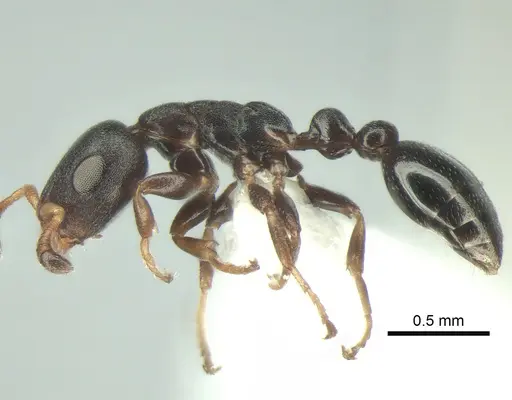
Tetraponera pumila is a slender, wasp-like ant belonging to the subfamily Pseudomyrmecinae. Workers are typically 4-6mm with a distinctive long, narrow body and relatively large eyes. The species was formally described in 2022 and belongs to the allaborans species group. These ants are found across the Afrotropical region, including Burundi, Democratic Republic of Congo, Ghana, Kenya, Uganda, and Zimbabwe [1]. In the wild, Tetraponera species are typically arboreal, nesting in hollow twigs, stems, and bamboo. This arboreal lifestyle means they are adapted to drier, well-ventilated conditions compared to ground-nesting ants.
Quick Summary
- Difficulty: Medium
- Origin & Habitat: Afrotropical region, found in Burundi, Democratic Republic of Congo, Ghana, Kenya, Uganda, and Zimbabwe. Naturally nests in hollow twigs, stems, and bamboo (arboreal nesting) [2].
- Colony Type: Likely monogyne (single queen) based on typical Tetraponera patterns. Colony sizes in the genus typically remain moderate, usually under a few hundred workers.
- Colony: Monogyne
- Size & Growth:
- Queen: Approximately 6-8mm (estimated from genus patterns)
- Worker: 4-6mm [1]
- Colony: Likely several hundred workers at maturity based on typical Tetraponera colony sizes
- Growth: Moderate
- Development: Estimated 6-10 weeks at optimal temperature based on related Pseudomyrmecinae (Development timeline is not specifically documented for this species, estimates based on genus patterns)
- Antkeeping:
- Temperature: Keep around 24-28°C. They prefer warm conditions typical of tropical arboreal ants. A gentle gradient allowing warmer and cooler areas is ideal.
- Humidity: Moderate humidity (50-60%). Being arboreal nesters, they tolerate drier conditions better than ground-nesting ants. Provide some moisture but ensure good ventilation to prevent mold.
- Diapause: Likely minimal or no true diapause, as tropical ants they may only slow down slightly during cooler periods.
- Nesting: Provide arboreal-style accommodations: bamboo sections, hollow twigs, or a Y-tong (AAC) nest with narrow chambers. They prefer tight, enclosed spaces similar to their natural hollow stem nests.
- Behavior: Tetraponera pumila workers are active and alert. Like other Pseudomyrmecinae, they possess a functional stinger and can deliver a mildly painful sting if provoked. They are typically aggressive when defending their nest. Workers are fast-moving and excellent climbers, expect them to explore vertical surfaces readily. Escape prevention is important as they are agile and may squeeze through small gaps.
- Common Issues: escape prevention is critical, they are excellent climbers and will explore any gap, being newly described in 2022,specific care requirements are not well-documented so some trial and error may be needed, poor ventilation combined with high humidity can lead to mold problems in arboreal-style nests, wild-caught colonies may carry parasites that can devastate captive colonies, they may be aggressive, handle with care and use proper protection
Housing and Nest Setup
Tetraponera pumila is an arboreal species, so your housing should reflect their natural nesting preferences. In the wild, these ants nest in hollow twigs, stems, and bamboo. For captivity, you have several good options: bamboo sections (natural hollow stems), a Y-tong (AAC) formicarium with narrow chambers, or a small acrylic nest with tight passages. The key is providing enclosed, tunnel-like spaces rather than open areas. They do well in relatively dry conditions with good ventilation, avoid overly humid, stagnant setups that can cause mold. An outworld with some vertical surfaces (like cork bark or twigs) gives them space to forage and explore. Because they are excellent climbers, apply fluon or a similar barrier to prevent escapes [2].
Feeding and Diet
In their natural habitat, Tetraponera species are predatory and also tend to honeydew from aphids and scale insects. For captive colonies, offer a varied diet: small live insects (fruit flies, pinhead crickets, small mealworms) as their primary protein source, and sugar water or honey as an energy source. They typically accept sugar water readily. Feed protein 2-3 times per week, and keep a constant sugar source available. Remove uneaten prey after 24-48 hours to prevent mold. Being a recently described species, individual colony preferences may vary, observe what your specific colony accepts best. [2]
Temperature and Seasonal Care
As a tropical Afrotropical species, Tetraponera pumila prefers warm conditions. Maintain temperatures between 24-28°C for optimal colony health and development. A slight temperature gradient (warmer on one side, cooler on the other) allows the colony to self-regulate. They do not require true hibernation like temperate species, but may show slightly reduced activity during cooler periods. Avoid temperatures below 20°C for extended periods. Room temperature within this range is often suitable, but you may need a small heating cable or mat if your space runs cool. Monitor colony behavior, active, foraging workers indicate good conditions. [2]
Behavior and Temperament
These ants are active and can be aggressive when their nest is disturbed. Like all Pseudomyrmecinae, T. pumila has a functional stinger and will use it if threatened, expect a mildly painful sting. Workers are fast-moving and excellent climbers, constantly exploring their environment. They are not timid, you will see workers readily patrolling the outworld and investigating new items. This species does best with minimal disturbance during the founding stage. Once established, they are engaging to watch but handle any nest maintenance carefully. Always use proper escape prevention since they are skilled climbers that can exploit even tiny gaps. [2]
Colony Establishment
Since Tetraponera pumila was only described in 2022,there is limited documented information on their specific founding behavior. Based on typical Pseudomyrmecinae patterns, founding queens likely seal themselves in a chamber (claustral founding) and raise their first workers alone using stored fat reserves. Provide a founding queen with a small, enclosed space (like a test tube with a cotton plug or small bamboo section) and keep her undisturbed in darkness at around 24-26°C. Do not feed during the founding stage, queens of claustral species do not forage. Wait until the first workers emerge (nanitics) before offering food. Founding colonies are vulnerable, avoid temperature fluctuations and excessive humidity during this critical period. [2]
Frequently Asked Questions
Can I keep Tetraponera pumila in a test tube?
Yes, test tubes work well for founding colonies. Provide a small water reservoir (cotton ball with water) and keep the tube in darkness at 24-26°C. Once the colony grows to 20+ workers, consider moving to a more spacious arboreal-style nest (bamboo or Y-tong).
Do Tetraponera pumila ants sting?
Yes, they can sting. Like all Pseudomyrmecinae, they have a functional stinger and will use it if threatened. The sting is mildly painful but not dangerous to healthy humans. Handle with care and avoid provoking them.
How long does it take for Tetraponera pumila to raise first workers?
Based on typical Pseudomyrmecinae development, expect 6-10 weeks from egg to first worker (nanitic) at optimal temperature (24-28°C). This is an estimate since the specific development timeline has not been documented for this newly described species.
Are Tetraponera pumila good for beginners?
This species is rated as medium difficulty. While not the hardest ant to keep, being newly described means less documented care information is available. Some antkeeping experience is helpful. They have specific arboreal nesting needs and can sting, so they are better suited for intermediate keepers.
What do Tetraponera pumila eat?
They are predatory and will accept small live insects (fruit flies, pinhead crickets, small mealworms) as their primary food. They also readily consume sugar water or honey. Feed protein 2-3 times per week with constant sugar water available.
How big do Tetraponera pumila colonies get?
Based on typical Tetraponera colony sizes, expect several hundred workers at maturity. This is a moderate-sized colony for an arboreal species.
Do Tetraponera pumila need hibernation?
No, they do not require true hibernation. As tropical Afrotropical ants, they may only slow down slightly during cooler periods. Simply maintain temperatures above 20°C year-round.
When should I move Tetraponera pumila to a formicarium?
Move from test tube to a proper nest once the colony reaches 15-25 workers and the test tube shows signs of crowding or mold. Arboreal-style nests (bamboo sections, Y-tong with narrow chambers) work best.
Why are my Tetraponera pumila dying?
Common causes include: poor escape prevention (they are excellent climbers), excessive humidity causing mold, temperatures below 20°C, or parasites from wild-caught colonies. Review each of these factors and adjust accordingly. Being a newly documented species, some trial and error in care may be needed.
Can I keep multiple Tetraponera pumila queens together?
This is not recommended. Based on typical Tetraponera behavior, they are likely monogyne (single queen). Combining unrelated queens has not been studied and likely results in fighting.
References

This caresheet is licensed under CC BY-SA 4.0 .
CASENT0794042
View on AntWeb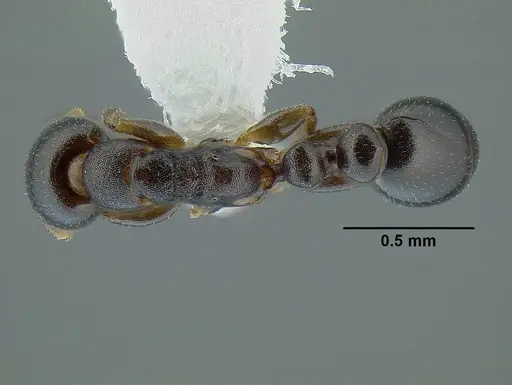
CASENT0863337
View on AntWeb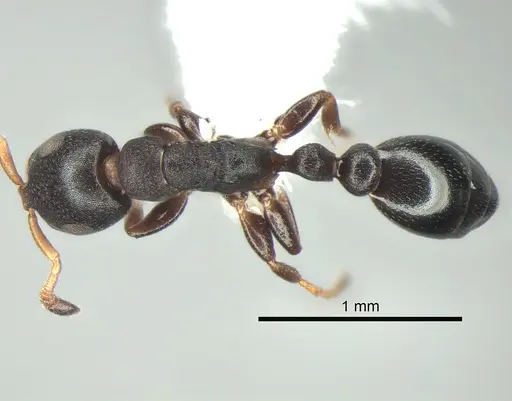
Literature
Loading...Loading products...