

Tetraponera nodosa
- Scientific Name
- Tetraponera nodosa
- Tribe
- Pseudomyrmecini
- Subfamily
- Pseudomyrmecinae
- Author
- Ward, 2001
- Distribution
- Found in 1 countries
Tetraponera nodosa Overview
Tetraponera nodosa is an ant species of the genus Tetraponera. It is primarily documented in 1 countries , including Indonesia. Detailed taxonomic data and occurrence records can be further explored via authoritative databases such as AntWeb or the Global Biodiversity Information Facility (GBIF).
Tetraponera nodosa
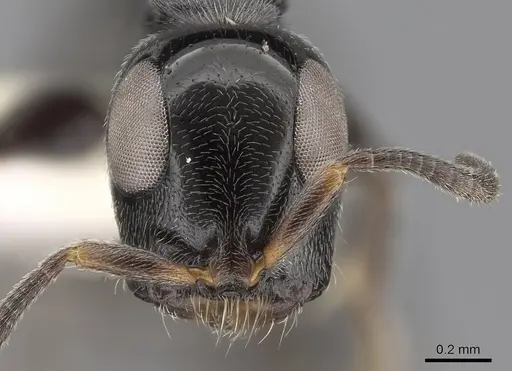
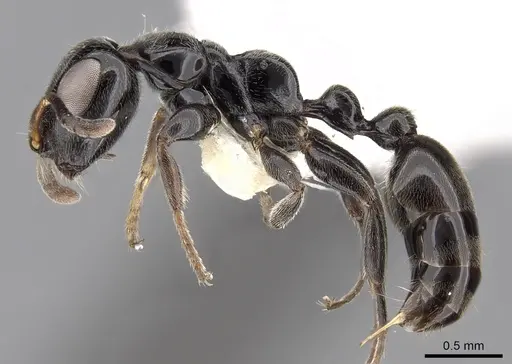
Tetraponera nodosa is a medium-sized ant species belonging to the Pseudomyrmecinae subfamily, known for their slender, elongated bodies and fast movements. Workers measure 0.83-0.94mm in head width and 0.98-1.14mm in head length, making them relatively small ants [1]. They are primarily black in color with dark brown to medium brown mandibles, antennae, tarsi, and tibiae. This species is characterized by a thick mat of appressed pubescence on the postpetiole and gaster that obscures the sheen of the integument, along with well-developed median clypeal lobe and widely separated frontal carinae [1].
These ants are found in Southeast Asia, specifically in Borneo, Sumatra (Indonesia), Sarawak (Malaysia), and Thailand, with the type material collected from mangrove habitat in Bako National Park, Sarawak [2]. The Pseudomyrmecinae subfamily contains arboreal ants that typically nest in hollow twigs, stems, or bark cavities, and T. nodosa follows this pattern as a mangrove-dwelling species.
Quick Summary
- Difficulty: Medium
- Origin & Habitat: Southeast Asia, found in Borneo, Sumatra (Indonesia), Sarawak (Malaysia), and Thailand (Songkhla: Hat Yai). Type material collected from mangrove habitat in Bako National Park, Sarawak [3][2].
- Colony Type: Colony structure is not well-documented in scientific literature. Based on genus-level patterns, likely single-queen (monogyne) colonies with claustral founding.
- Size & Growth:
- Queen: Not specifically documented for this species, estimated 5-7mm based on genus patterns for medium-sized Tetraponera
- Worker: 0.83-0.94mm HW,0.98-1.14mm HL [1]
- Colony: Based on abundance data from rainforest studies, colonies can reach moderate sizes with several dozen to over 100 workers [4]
- Growth: Moderate, estimated based on tropical arboreal ant patterns
- Development: Estimated 6-8 weeks at optimal tropical temperatures (25-28°C), based on typical Pseudomyrmecinae development (Development timeline not specifically studied for this species, estimate based on genus-level patterns for tropical arboreal ants)
- Antkeeping:
- Temperature: Keep at 24-28°C, these are tropical ants from mangrove and rainforest habitats requiring warm, stable temperatures [2]
- Humidity: High humidity (70-85%), their natural mangrove habitat is consistently humid. Provide moist nesting substrate but ensure ventilation to prevent mold
- Diapause: No diapause required, as a tropical species, they do not need hibernation. Maintain warm temperatures year-round
- Nesting: Arboreal nesting preferences, in captivity, provide setups that mimic their natural hollow twig/stem nesting sites. Y-tong (AAC) nests or test tube setups with access to vertical spaces work well. They prefer tight-fitting chambers close to their small body size
- Behavior: Tetraponera ants are fast-moving and alert. As arboreal ants, they are typically more active and can move quickly when disturbed. They are likely predatory like other Pseudomyrmecinae species, hunting small arthropods. Their small size (under 1mm workers) means escape prevention is critical, use fine mesh barriers and tight-fitting lids. They may be more nervous/flighty compared to ground-nesting species. Likely accepts sugar sources (honeydew) in addition to protein prey.
- Common Issues: escape prevention is critical due to their very small size, they can squeeze through standard gaps, tropical humidity requirements can lead to mold issues if ventilation is poor, wild-caught colonies may be stressed from their arboreal habitat being disrupted, limited availability in the antkeeping hobby makes this a harder species to acquire, temperature drops below 22°C can slow activity and potentially harm the colony
Housing and Nest Setup
Tetraponera nodosa is an arboreal ant species, meaning they naturally nest in hollow twigs, stems, or bark cavities rather than underground. In captivity, you can house them in several ways. A Y-tong (AAC) nest works well because it provides tight, appropriately-sized chambers that these small ants prefer. Test tube setups can also work, especially when connected to an outworld with vertical climbing space. Avoid large, open formicarium spaces, these ants feel more secure in compact chambers scaled to their tiny size. The nest should be kept humid but not waterlogged, and you'll want to provide some vertical space or branches for them to climb on, mimicking their natural arboreal lifestyle [2].
Feeding and Diet
Like other Pseudomyrmecinae ants, T. nodosa is likely primarily predatory, hunting small arthropods in their natural habitat. In captivity, offer small live prey such as fruit flies, pinhead crickets, and small mealworms. They should also have access to sugar sources, a drop of honey water or sugar water can be offered occasionally, though acceptance may vary. Feed protein prey 2-3 times per week, and remove any uneaten prey after 24 hours to prevent mold. Since these are small ants, prey items should be appropriately sized, anything larger than their head width will likely be ignored. Monitor their acceptance of different foods and adjust accordingly [2].
Temperature and Humidity
As a tropical species from Southeast Asian mangroves and rainforests, T. nodosa requires warm and humid conditions. Maintain temperatures between 24-28°C year-round, this is essential for their health and brood development. Temperatures below 22°C can cause sluggishness and potentially harm the colony. For humidity, aim for 70-85%, their natural mangrove habitat is consistently moist. Use a water reservoir in your nest setup to maintain humidity, but ensure adequate ventilation to prevent mold growth. A heating cable on one side of the nest can help maintain stable temperatures, but place it carefully to avoid overheating or drying out the nest too quickly. Monitor both temperature and humidity regularly with a digital meter [2].
Behavior and Temperament
Tetraponera nodosa workers are fast-moving and alert, characteristic of the Pseudomyrmecinae subfamily. They are likely more nervous and quick to flee compared to slower ground-nesting ants. When threatened, they may move rapidly rather than stand their ground. Their small size (under 1mm) means they are excellent escape artists, you must use fine mesh barriers, tight-fitting lids, and escape prevention gel or fluon on any edges. These ants are not aggressive toward keepers but their speed and small size make them challenging to handle. They are arboreal by nature, so they will use any vertical space available and prefer to forage and explore in elevated areas. Expect them to be more active and visible compared to ground-nesting species [2].
Colony Development
Colony development for T. nodosa has not been specifically studied, but based on genus patterns for tropical Pseudomyrmecinae, you can expect the following timeline. After a claustral founding (queen seals herself in), eggs should appear within 1-2 weeks. First workers (nanitics) typically emerge after 6-8 weeks at optimal temperatures of 25-28°C. Initial colonies will grow slowly, the first batch of workers is usually small. As the colony establishes, growth rate should increase. A mature colony may reach several dozen to over 100 workers based on abundance data from field studies [4]. Patience is key with this species, moderate growth is normal, and rushing by overfeeding can lead to mold issues. Do not disturb the queen during founding, stress can cause her to abandon or eat her brood.
Frequently Asked Questions
Can I keep Tetraponera nodosa in a test tube?
Yes, test tube setups work well for this species. Use a test tube with a water reservoir and cotton plug, connected to an outworld. The small chamber size suits their tiny workers. Make sure to use fine mesh on any ventilation holes since they can escape through standard gaps. Consider adding a second tube connected to the first so you can refill water without disturbing the colony.
How long does it take for Tetraponera nodosa to produce first workers?
Based on typical Pseudomyrmecinae development, expect first workers (nanitics) in about 6-8 weeks at optimal temperatures of 25-28°C. This timeline is an estimate since specific development data for this species is not documented. The queen will seal herself in during claustral founding and should not be disturbed. Cooler temperatures will slow development significantly.
Do Tetraponera nodosa ants sting?
Pseudomyrmecinae ants do not have functional stingers. Instead, they may bite if threatened and can spray formic acid or use chemical defenses like many ants in this subfamily. They are not considered dangerous to humans. Their small size means any bite would be minimal.
Are Tetraponera nodosa good for beginners?
This species is rated as Medium difficulty. While not the hardest species, they require specific conditions (high humidity, warm temperatures) that beginners may find challenging to maintain consistently. Their tiny size also makes escape prevention critical. If you're experienced with tropical arboreal ants, this can be a rewarding species. For complete beginners, consider starting with more hardy species like Lasius or Camponotus.
What do Tetraponera nodosa eat?
They are primarily predatory, accepting small live prey like fruit flies, pinhead crickets, and small mealworms. They will likely also accept sugar sources such as honey water or sugar water, though acceptance may vary. Feed protein prey 2-3 times per week and provide a constant sugar source. Remove uneaten prey after 24 hours to prevent mold.
Do Tetraponera nodosa need hibernation?
No, they do not require hibernation. As a tropical species from Southeast Asia, they need warm temperatures year-round (24-28°C). Hibernation at cool temperatures would likely harm or kill the colony. Maintain consistent tropical conditions throughout the year.
Why are my Tetraponera nodosa escaping?
Their very small size (under 1mm workers) makes them excellent escape artists. They can squeeze through the tiniest gaps. Use excellent escape prevention: apply fluon or barrier gel around the edges of the outworld, use fine mesh (0.5mm or smaller) on any ventilation, and ensure all lids fit tightly. Check for any gaps around tubing connections. Inspect the setup daily until you identify and seal all escape routes.
How big do Tetraponera nodosa colonies get?
Based on field abundance data, colonies likely reach several dozen to over 100 workers at maturity [4]. They are not among the largest ant species, but they can establish substantial colonies over time. Growth rate is moderate, expect 1-2 years to reach significant colony size under good conditions.
References

This caresheet is licensed under CC BY-SA 4.0 .
CASENT0281874
View on AntWeb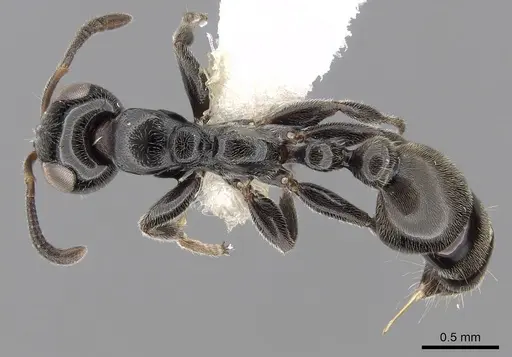
Literature
Loading...Loading products...