

Tetraponera nitida
- Scientific Name
- Tetraponera nitida
- Tribe
- Pseudomyrmecini
- Subfamily
- Pseudomyrmecinae
- Author
- Smith, 1860
- Distribution
- Found in 9 countries
Tetraponera nitida Overview
Tetraponera nitida is an ant species of the genus Tetraponera. It is primarily documented in 9 countries , including Australia, Brunei Darussalam, Hong Kong. Detailed taxonomic data and occurrence records can be further explored via authoritative databases such as AntWeb or the Global Biodiversity Information Facility (GBIF).
Tetraponera nitida
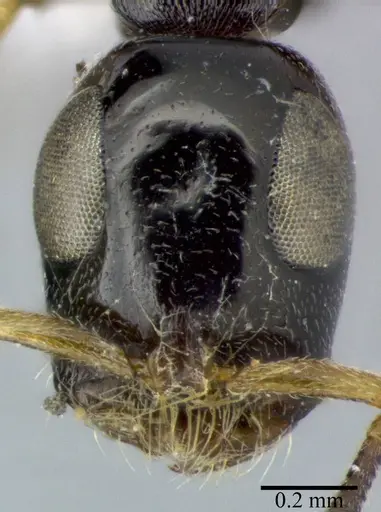
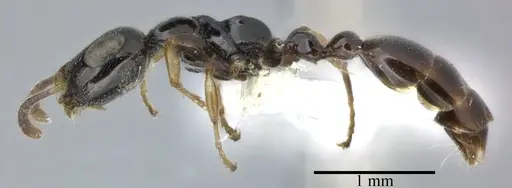
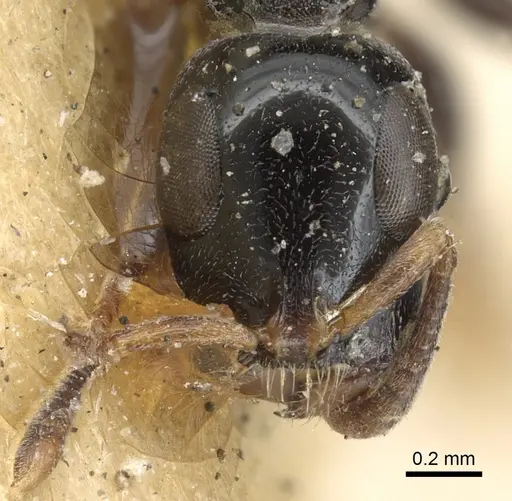
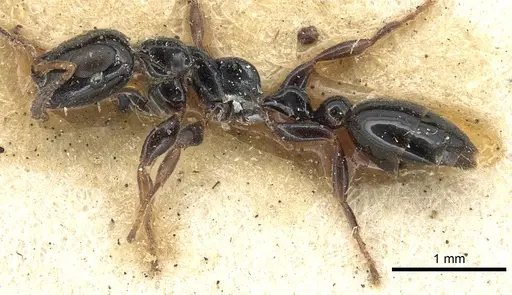
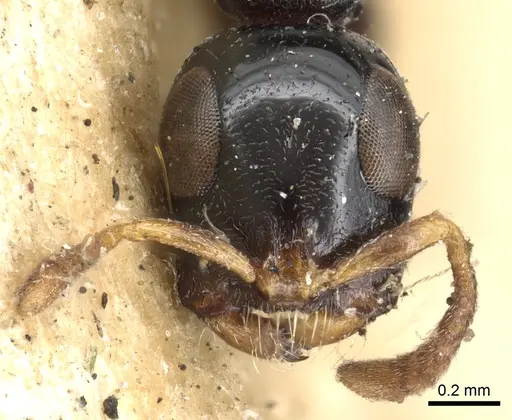
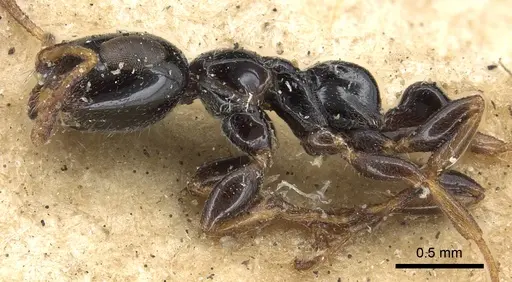
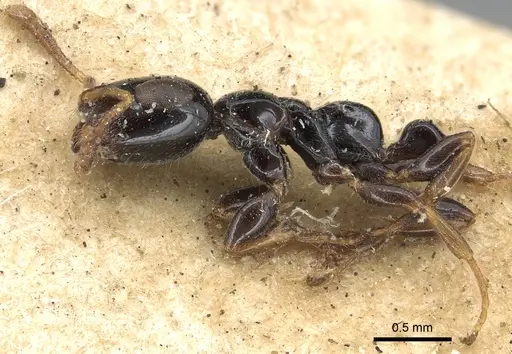
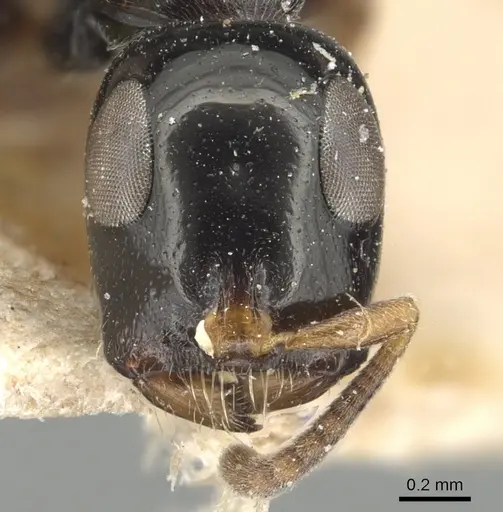
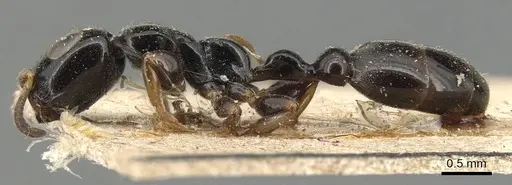
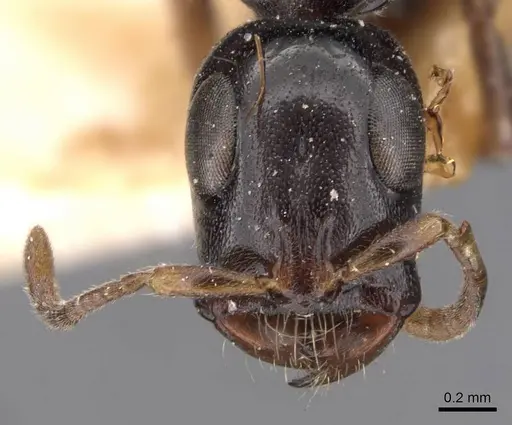
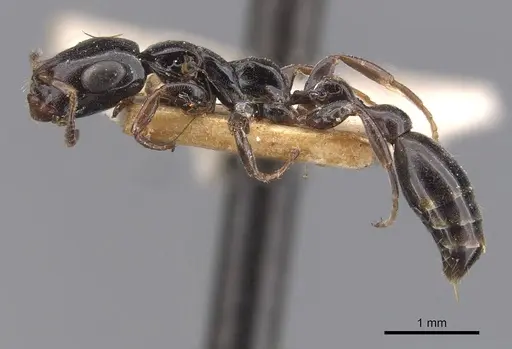
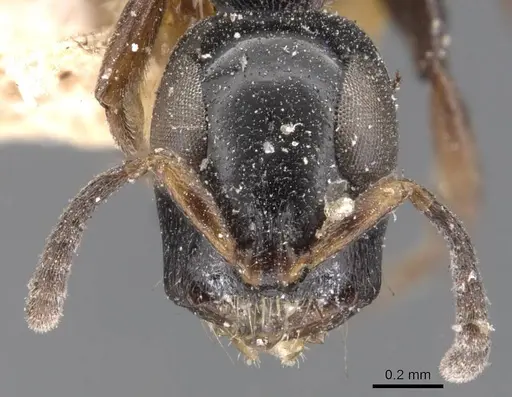
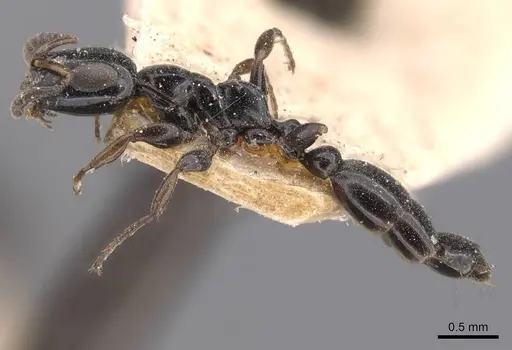
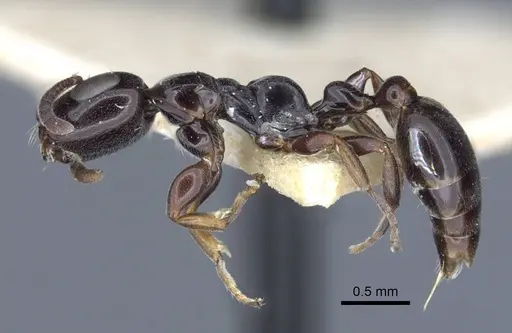
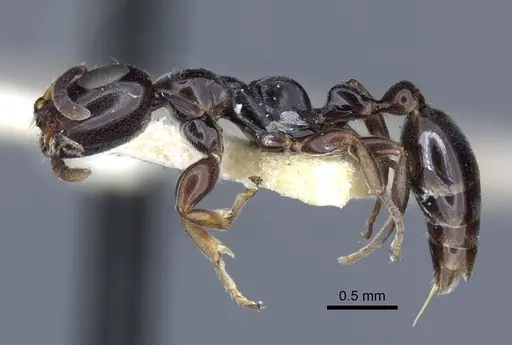
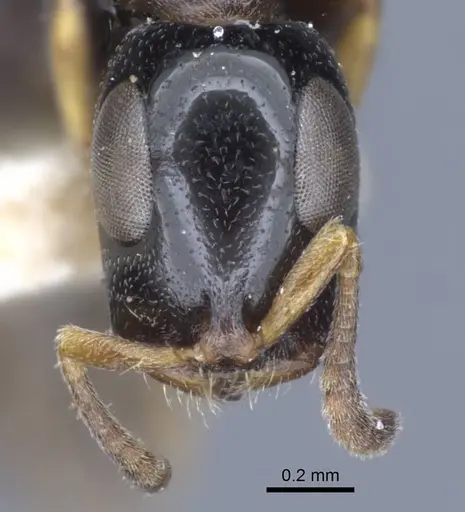
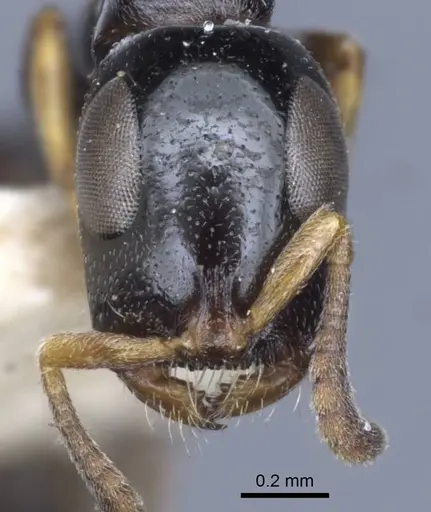
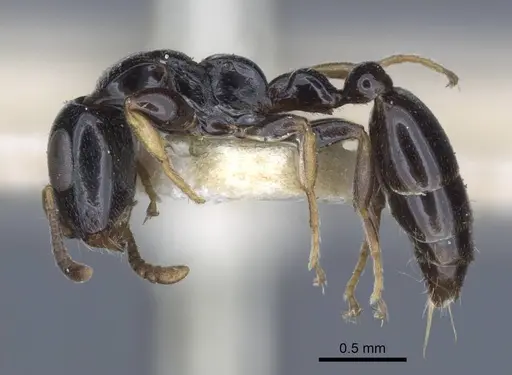
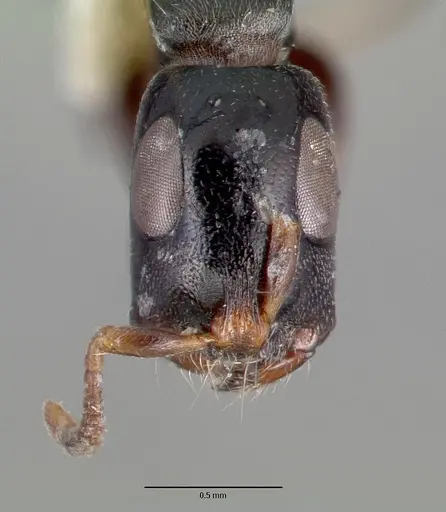
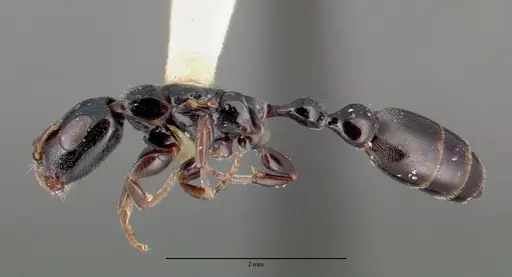
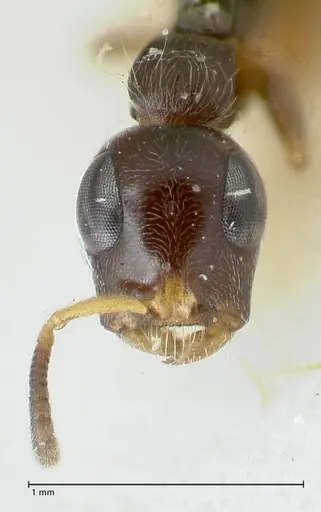
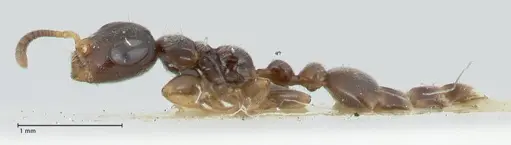
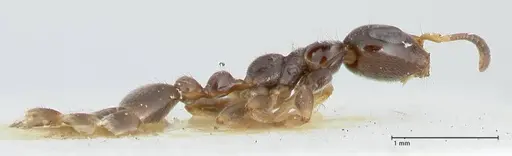
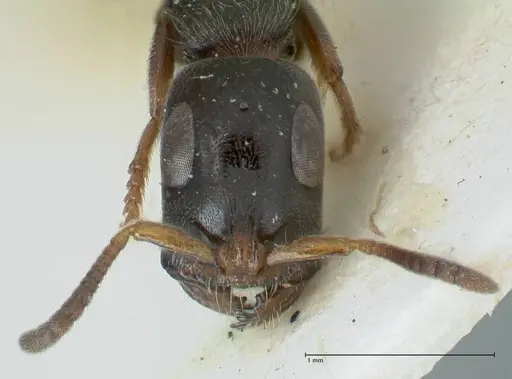
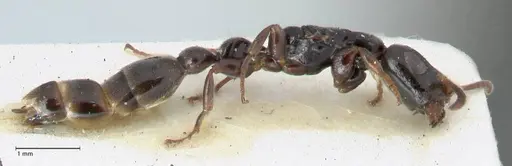
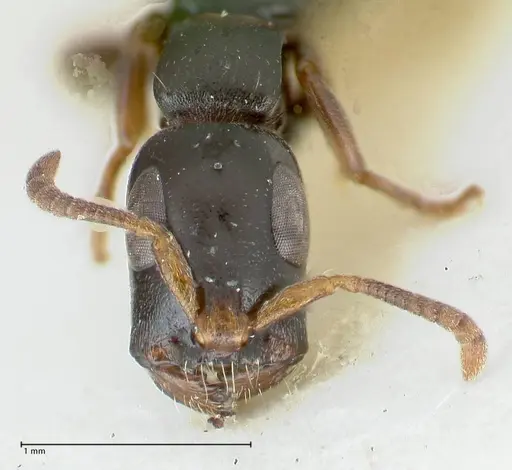
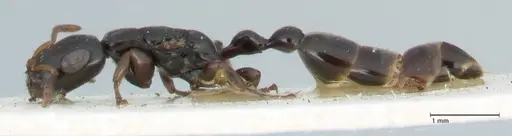
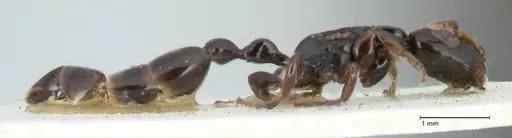
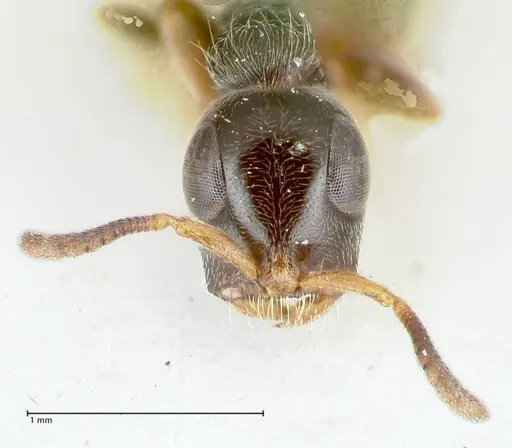
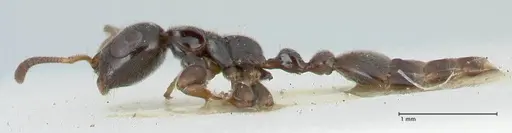
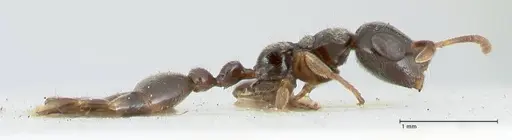
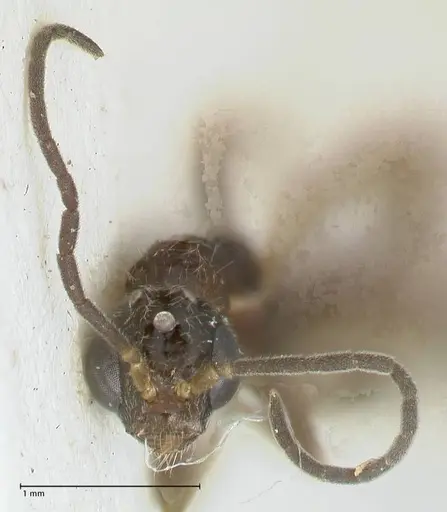
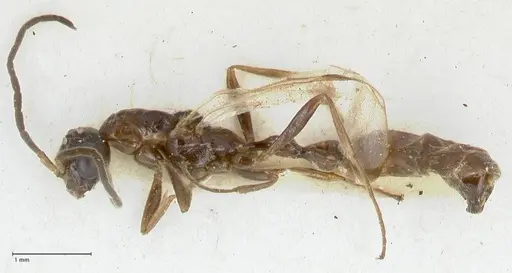
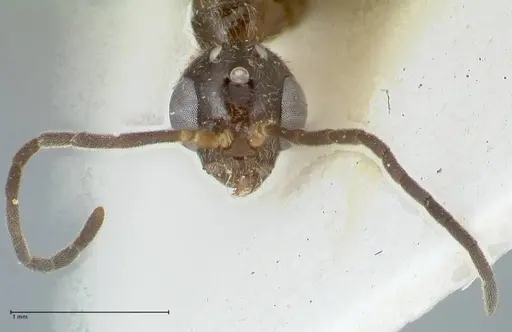
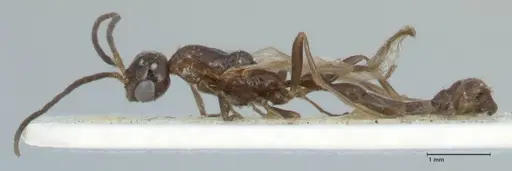
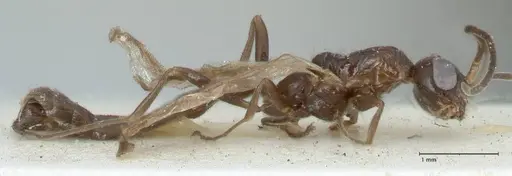
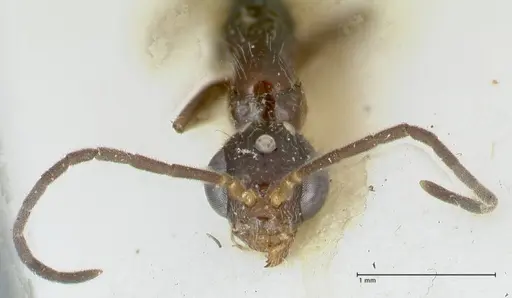
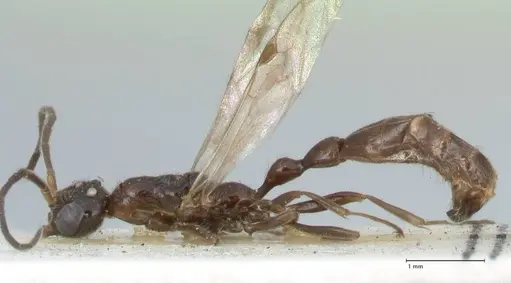
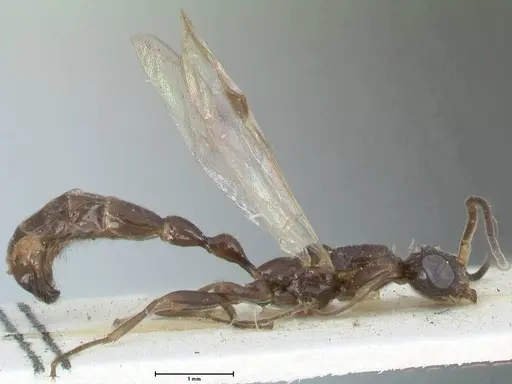
Tetraponera nitida is a tiny, jet-black shiny ant belonging to the subfamily Pseudomyrmecinae. Workers measure just 0.63-0.83mm in head width, making them one of the smaller ant species you'll encounter [1]. They have remarkably large eyes that span about half the length of their head, giving them excellent vision for navigating their arboreal habitat [1]. The species is characterized by its smooth, glossy black integument and distinctive small ventral teeth on the petiole [2].
This ant is a generalist that nests in dead twigs and stems of various plants, showing remarkable adaptability across habitat types. In the wild, colonies have been found in everything from mangrove swamps and rainforest to dry Eucalyptus woodland and coastal littoral vegetation [3]. This flexibility in nesting preferences, combined with their wide geographic range stretching from India to Australia, makes them a fascinating species to observe.
Quick Summary
- Difficulty: Medium
- Origin & Habitat: Native to the Indomalayan and Australasian regions, ranging from India and southern China south through Indonesia, Papua New Guinea, and northern Australia. They inhabit dead twigs and stems of various plants including mangroves (Avicennia, Rhizophora), rainforest trees (Chionanthus, Gnetum), and littoral vegetation (Hibiscus, Premna) [3].
- Colony Type: Colony structure is not well documented in scientific literature. Based on related Tetraponera species, they likely form small to moderate colonies in single-queen (monogyne) colonies. As arboreal ants, they nest in hollow twigs and stems rather than underground.
- Colony: Monogyne
- Founding: Claustral
- Size & Growth:
- Queen: Not directly measured for this species, estimated 4-5mm based on related Tetraponera species
- Worker: 0.63-0.83mm head width (very small) [4]
- Colony: Likely small colonies of several dozen to a few hundred workers based on typical Tetraponera colony sizes
- Growth: Moderate, inferred from related species
- Development: Estimated 6-8 weeks at tropical temperatures based on related Pseudomyrmecinae species (Development time is estimated as no direct study exists for this species)
- Antkeeping:
- Temperature: Keep at 24-28°C as they are a tropical/subtropical species. Room temperature in most homes should work well. Avoid temperatures below 20°C for extended periods.
- Humidity: Moderate to high humidity (60-80%). As arboreal ants from tropical regions, they benefit from some moisture. Provide a water source but avoid waterlogging their nesting material.
- Diapause: No, these are tropical ants that do not require hibernation. They remain active year-round in captivity.
- Nesting: These are arboreal ants that naturally nest in dead twigs and stems. In captivity, they do well in small acrylic nests, test tubes with twig inserts, or Y-tong nests with appropriately sized chambers. They prefer tight, enclosed spaces that mimic their natural twig-nesting behavior.
- Behavior: These ants are generally calm and non-aggressive. As Pseudomyrmecinae, they have functional stingers but rarely use them, preferring to flee rather than fight. They are active foragers that search for small prey and honeydew. Their large eyes suggest they may rely more on visual cues than many other ants. Escape prevention is critical due to their very small size, they can squeeze through standard mesh barriers.
- Common Issues: escape prevention is critical due to their tiny size, use fine mesh and tight-fitting lids, small colony size means slow population growth, patience is required, arboreal nesting means they need appropriate small-scale housing, not standard large formicaria, wild-caught colonies may be stressed from removal from their twig nests, limited information on captive care means some trial and error may be needed
Housing and Nest Setup
Tetraponera nitida is an arboreal species that naturally nests in hollow twigs and dead stems, so your captive setup should mimic this. Small acrylic nests or test tubes with inserted twigs work well. The chambers should be appropriately sized for their tiny workers, oversized nests can cause stress. These ants do not need soil or substrate in the nest area, making cleanup easier. A small outworld with a sugar water feeder and occasional protein offerings completes the setup. Because they are so small, even standard test tube setups need careful attention to escape prevention, these ants can slip through remarkably small gaps. [1][3]
Feeding and Diet
In the wild, Tetraponera species are generalist foragers that collect honeydew from aphids and scale insects, plus small insects. In captivity, offer sugar water or honey diluted with water as a constant energy source. For protein, provide small prey items like fruit flies, pinhead crickets, or other tiny insects. Because of their small size, prey items should be appropriately scaled, anything too large will go uneaten. Observe your colony's preferences and adjust accordingly. Fresh water should always be available. [3]
Temperature and Seasonal Care
As a tropical to subtropical species, T. nitida prefers temperatures in the 24-28°C range. They can tolerate slightly cooler conditions but growth will slow below 20°C. No hibernation or winter rest is required, these ants remain active year-round. Room temperature in most heated homes (around 22-24°C) is generally suitable. Avoid placing the nest near air conditioning vents or drafty areas that might cause temperature fluctuations. Stable, warm conditions will support the best colony growth. [3]
Behavior and Observation
These are active, visually-oriented ants thanks to their large eyes. They tend to be peaceful and non-aggressive, more likely to flee than engage threats. Watching their foraging behavior can be fascinating, they move with purpose and seem to use visual cues more than chemical trails compared to many ants. Colonies are relatively small, so you can observe individual interactions clearly. Their shiny black coloration makes them easy to spot against lighter backgrounds. The small ventral teeth on their petiole are a distinguishing feature visible under magnification. [1][2][3]
Frequently Asked Questions
Can I keep Tetraponera nitida in a test tube?
Yes, test tubes work well for this species, especially when fitted with a small twig or stem section for them to nest in. Their tiny size means even standard test tubes provide more than enough space. Just ensure the cotton plug is packed tightly and consider adding a secondary barrier for escape prevention.
How long does it take for Tetraponera nitida to produce first workers?
Exact development time is unconfirmed for this species, but based on related Pseudomyrmecinae ants, expect around 6-8 weeks from egg to first worker at optimal tropical temperatures (24-28°C). Growth is moderate, colonies will remain small initially but can expand to several hundred workers over time with proper care.
Do Tetraponera nitida ants sting?
Yes, Pseudomyrmecinae ants have functional stingers. However, T. nitida is not aggressive and rarely stings. Their first response to threat is typically flight rather than combat. The sting, if used, would be very mild due to their tiny size.
Are Tetraponera nitida good for beginners?
They are rated as medium difficulty. While their small size and specific arboreal nesting requirements present some challenges, their peaceful nature and lack of aggressive behavior make them manageable for intermediate antkeepers. Beginners may struggle with escape prevention due to their minute size.
What do Tetraponera nitida eat?
They are generalists that accept sugar sources (honey water, sugar water) and small protein prey like fruit flies, tiny crickets, or other small insects. Offer sugar water constantly and protein 2-3 times per week. Remove uneaten prey after 24 hours to prevent mold.
How big do Tetraponera nitida colonies get?
Based on related species, colonies likely reach several hundred workers at maximum. They are not among the large colony species, expect moderate-sized colonies rather than the thousands seen in some genera.
Do Tetraponera nitida need hibernation?
No, they are tropical ants that do not require hibernation. They remain active year-round and should be kept at warm temperatures (24-28°C) throughout the year. Do not attempt to cool them for winter dormancy.
Why are my Tetraponera nitida escaping?
Their tiny size makes escape a constant risk. Use fine mesh (at least 0.5mm or finer), ensure all connections are sealed, and consider applying fluon or other barriers to escape-prone areas. Check all seams and lid edges regularly.
When should I move Tetraponera nitida to a formicarium?
These arboreal ants do well in small setups long-term. A test tube or small acrylic nest is often sufficient even for established colonies. Only consider moving if the colony has outgrown the available space significantly, they actually prefer tighter spaces than many ants.
Can I keep multiple Tetraponera nitida queens together?
Not recommended. While colony structure is not fully documented, related Tetraponera species are typically monogyne (single queen). Combining unrelated queens risks fighting. If you obtain a multi-queen colony, keep them together only if they are clearly cooperating.
References

This caresheet is licensed under CC BY-SA 4.0 .
CASENT0246307
View on AntWeb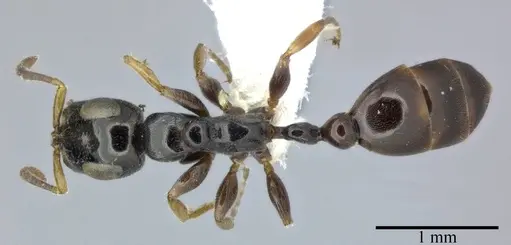
CASENT0901929
View on AntWeb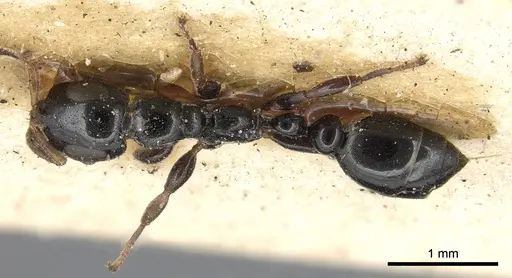
CASENT0901931
View on AntWeb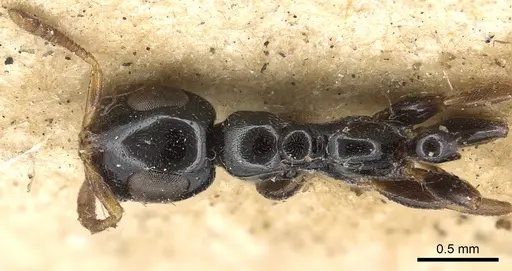
CASENT0904039
View on AntWeb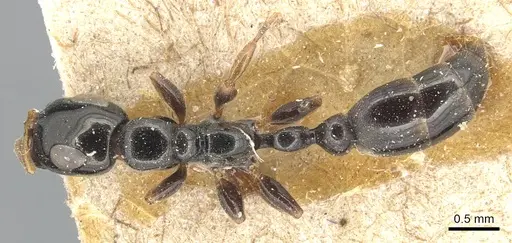
CASENT0907460
View on AntWeb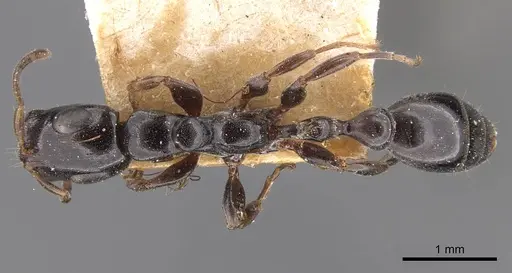
CASENT0907464
View on AntWeb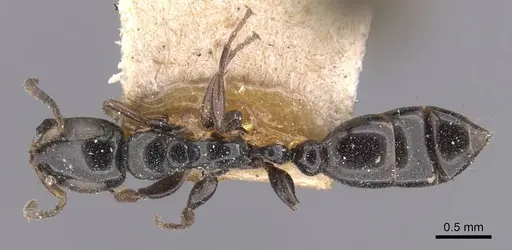
CASENT0907465
View on AntWeb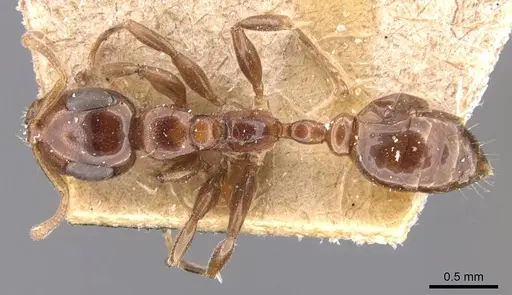
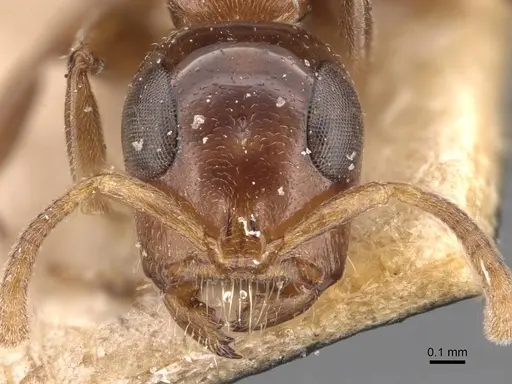
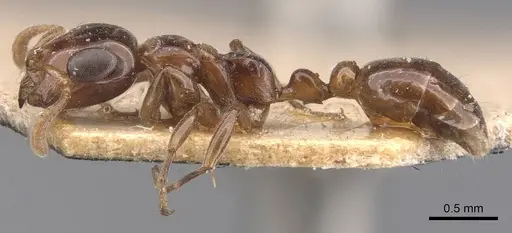
CASENT0916867
View on AntWeb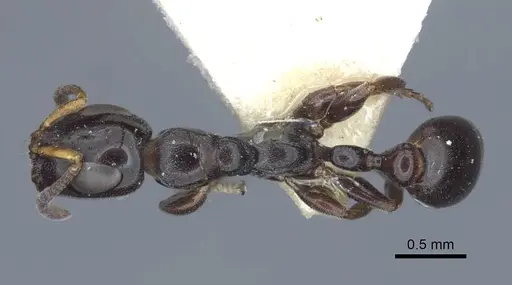
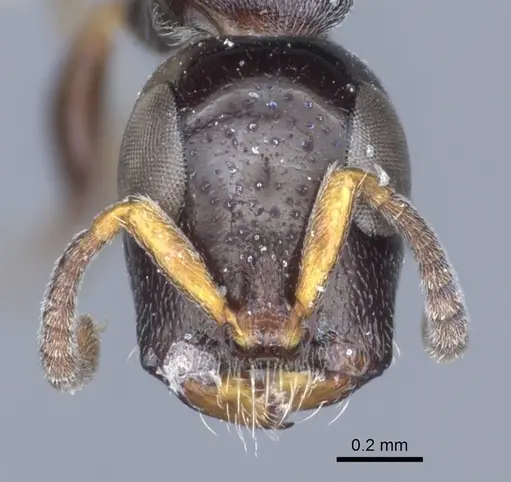
CASENT0916868
View on AntWeb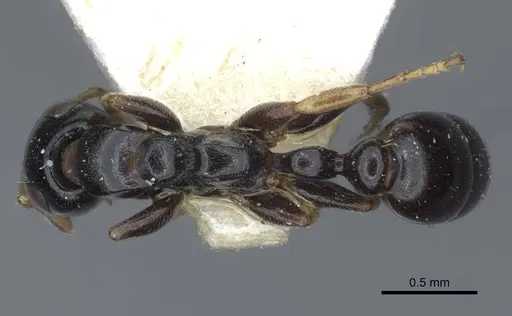
CASTYPE06947
View on AntWeb
FOCOL1172
View on AntWeb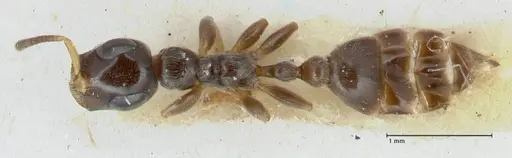
FOCOL1173
View on AntWeb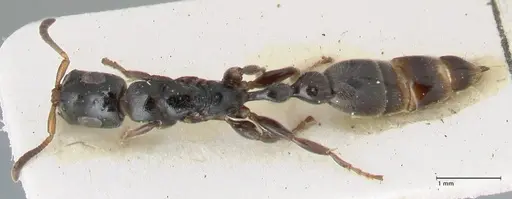
FOCOL1174
View on AntWeb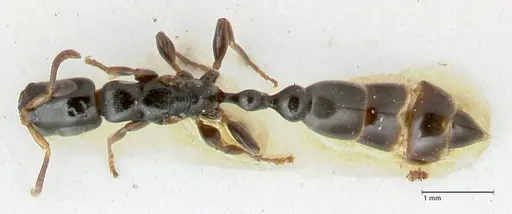
FOCOL1175
View on AntWeb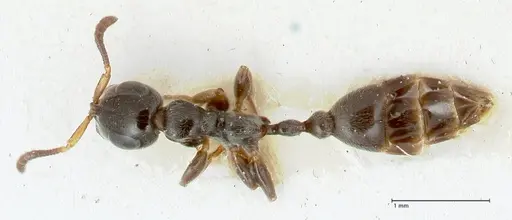
FOCOL1182
View on AntWeb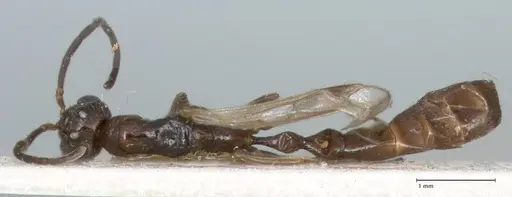
FOCOL1183
View on AntWeb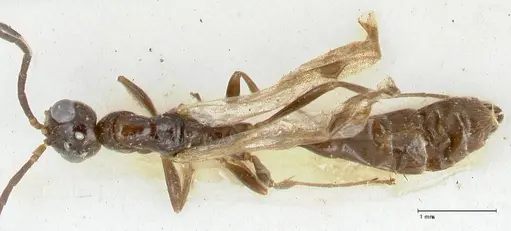
FOCOL1184
View on AntWeb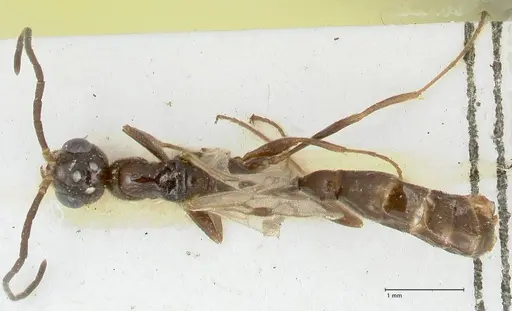
Literature
Loading...Loading products...