

Tetraponera modesta
- Scientific Name
- Tetraponera modesta
- Tribe
- Pseudomyrmecini
- Subfamily
- Pseudomyrmecinae
- Author
- Smith, 1860
- Distribution
- Found in 8 countries
Tetraponera modesta Overview
Tetraponera modesta is an ant species of the genus Tetraponera. It is primarily documented in 8 countries , including Brunei Darussalam, China, Indonesia. Detailed taxonomic data and occurrence records can be further explored via authoritative databases such as AntWeb or the Global Biodiversity Information Facility (GBIF).
Tetraponera modesta - "Slender Twig Ant"
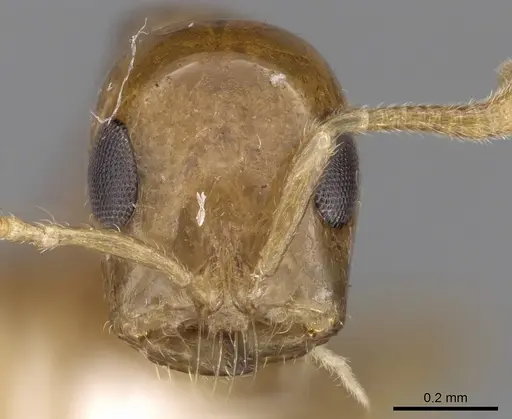
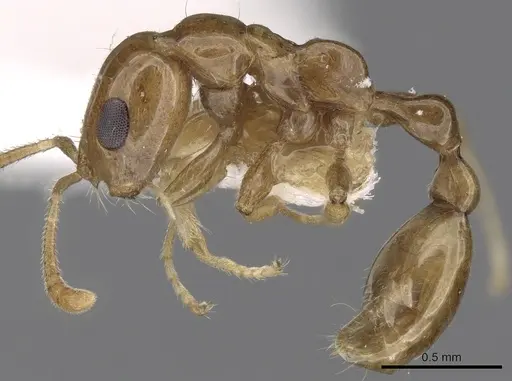
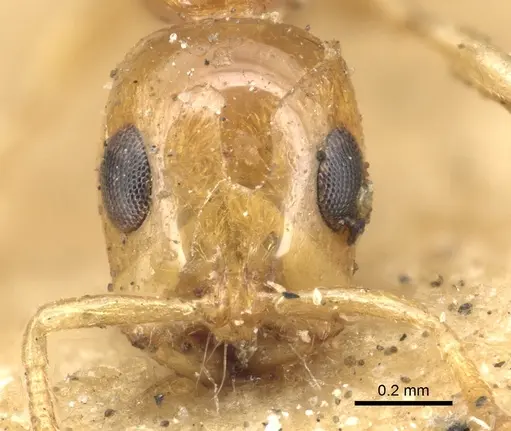
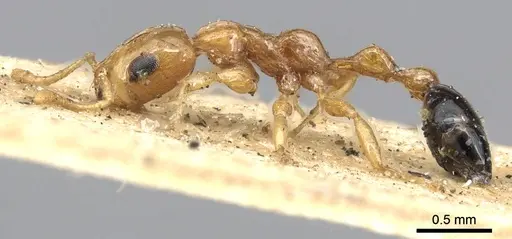
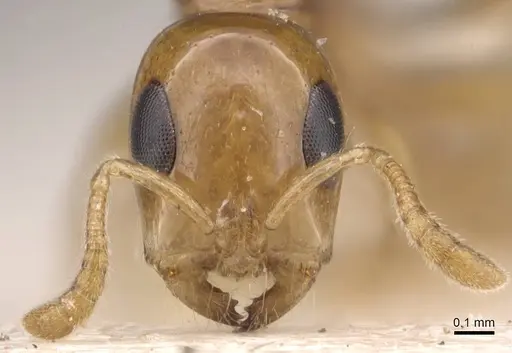
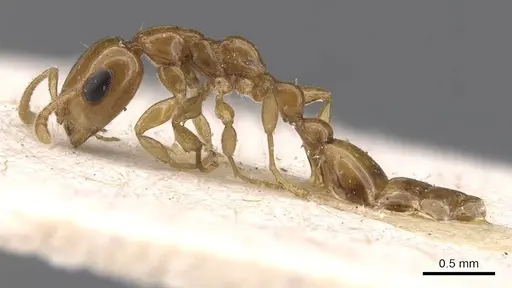
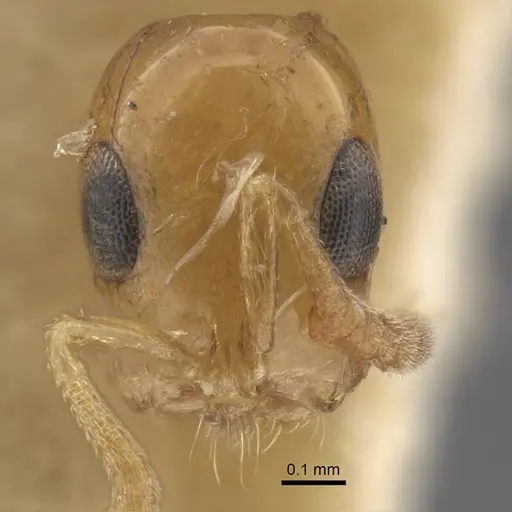
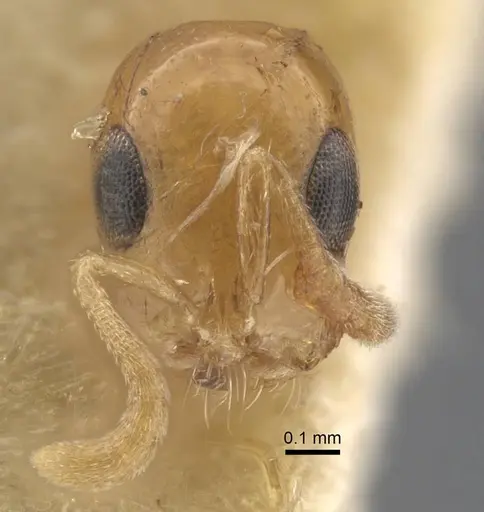
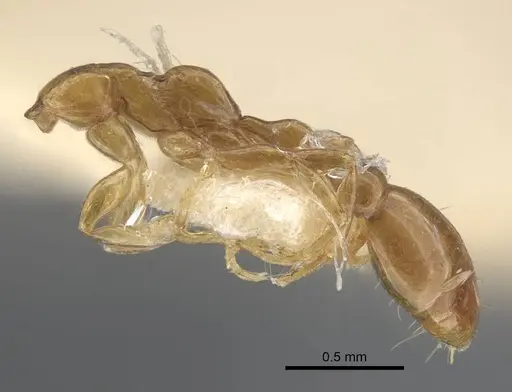
Tetraponera modesta is a truly fascinating small, slender ant species renowned for its arboreal lifestyle. These ants typically display a lovely yellow to orange-brown coloration on their head and mesosoma, though their gaster can vary, sometimes showing a uniform dark brown. Workers are characterized by their large, prominent eyes and a distinct two-segmented waist, featuring a petiole and a postpetiole that's broadly connected to their gaster. In the wild, they are primarily found nesting within the hollow structures of various plants, often forming intricate mutualistic relationships where they defend their plant hosts. Be aware, these active ants are known for their potent sting and highly defensive nature, making them a captivating yet challenging species for ant enthusiasts.
- Difficulty: Medium
- Origin & Habitat: Indo-Australian Region (Borneo, Indonesia, Malaysia, New Guinea, Philippines, Singapore), Oriental Region (India, Taiwan, Thailand, Vietnam), and parts of the Palaearctic Region (China, North Korea, Sri Lanka). in These ants thrive in warm, humid lowland rainforests, mixed dipterocarp forests, and lower montane dipterocarp forests. They are strictly arboreal, establishing their colonies within the natural hollows and cavities of dead twigs, branches, and other plant structures, often forming myrmecophytic associations with their host plants..
- Colony Type: Monogyne (single queen) or Polygyne (multiple queens), semi-claustral (queen forages during founding) founding.
- Size & Growth:
- Queen: 3-5mm
- Worker: 2-4mm
- Colony: Medium (thousands). Fast (after initial establishment) growth.
- Antkeeping:
- Temperature: Maintain a warm environment between 25-29°C for optimal activity and growth. While they can tolerate slightly lower temperatures, consistent warmth is key for their development..
- Humidity: High humidity is crucial for this tropical species, ideally ranging from 70-80%. It's beneficial to provide a humidity gradient within the nest, offering both damper and slightly drier areas..
- Diapause: Not required. Not specified at Not specified.
- Nesting: As an arboreal species, Tetraponera modesta prefers hollow nesting spaces. In captivity, acrylic, 3D printed mesh nests, or Ytong setups with integrated hollow tubes or chambers are highly recommended. Avoid nests made entirely of natural wood, as they can chew through these materials over time..
- Behavior: High (towards handler, food or other ants) aggressiveness.
- Common Issues: Escape artists (can chew through soft materials and exploit gaps), Humidity fluctuations (requires consistent high humidity with gradients), Colony stalling (if diet or environment is not optimal), Queen stress (due to improper setup or disturbance).
One of the most defining characteristics of Tetraponera modesta is their strictly arboreal nature. In their natural habitat, these slender ants build their nests exclusively within the hollows of living plants, dead twigs, or tree branches. This unique nesting preference means that successful antkeepers must replicate these conditions, providing appropriate hollow structures within their formicarium setup. Simply offering a flat, open nest or a substrate-only setup will not cater to their natural instincts and could lead to significant stress or colony failure.
When it comes to feeding, Tetraponera modesta are active and opportunistic foragers. They thrive on a varied diet of insect protein and sugary solutions, such as honey or sugar water. It's particularly important to offer live feeder insects, as their keen eyesight and hunting instincts are stimulated by movement. Observing them actively hunt down prey in the outworld is one of the most rewarding aspects of keeping this species, demonstrating their natural predatory behaviors.
Keepers should be aware that Tetraponera modesta are known for their highly aggressive nature and potent sting. While this aggression is primarily directed at defending their colony and host plants from threats in the wild, it can also extend to handlers if they feel disturbed. Always exercise caution when performing maintenance or feeding, using appropriate anti-escape barriers and tools to minimize direct contact and ensure safety for both you and your ants.
These ants are also notorious escape artists, possessing the ability to chew through softer materials and exploit even the tiniest gaps in a formicarium. This makes a highly secure setup absolutely essential for successful long-term keeping. Investing in escape-proof nests made of durable materials like acrylic, 3D printed mesh with fine holes, or well-sealed Ytong is critical to prevent colony breakouts and ensure your ants remain safely contained within their habitat.
Frequently Asked Questions
What do Tetraponera modesta ants typically eat?
These slender ants enjoy a diverse diet, favoring both sugary liquids like honey or sugar water and a steady supply of insect protein. They especially appreciate live feeder insects, as their natural hunting instincts are triggered by movement.
What type of nest is most suitable for keeping Tetraponera modesta?
Given their arboreal nature, Tetraponera modesta thrive in nests that mimic hollow plant structures. Opt for formicaria made from materials like acrylic, 3D printed mesh, or Ytong, specifically designed with internal chambers or tubes. Avoid nests crafted entirely from wood, as these clever ants can chew through such materials over time.
Are Tetraponera modesta ants aggressive towards their keepers?
Yes, these ants are known for their high level of aggression, especially when defending their nest. While this is a natural defensive behavior, it means keepers should always handle them with care, using proper anti-escape measures and tools to avoid direct contact and potential stings.
Do Tetraponera modesta possess a sting, and if so, is it potent?
Indeed, Tetraponera modesta ants do have a sting, and it's quite potent. Their sting can be painful, so it’s always best to exercise caution and avoid situations where you might provoke them.
What are the ideal temperature and humidity levels for Tetraponera modesta?
For optimal health and colony growth, maintain a warm temperature range of 25-29°C. Humidity is also crucial; aim for a high humidity of 70-80%, ensuring there's a gradient within the nest to provide both damper and slightly drier zones.
Do Tetraponera modesta require a diapause or hibernation period?
No, as a tropical species originating from consistently warm climates, Tetraponera modesta does not require a diapause or hibernation period. They will continue to grow and be active year-round if their environmental needs are met.
What is the estimated maximum colony size for Tetraponera modesta?
Tetraponera modesta colonies can reach a considerable size, often expanding to include thousands of workers, especially when conditions are favorable and multiple queens are present.
How fast can I expect a Tetraponera modesta colony to grow?
While initial founding might be slow, once established, Tetraponera modesta colonies exhibit a fast growth rate. Queens are highly productive, leading to a rapid increase in worker count after the first brood emerges.
Are Tetraponera modesta ants known for being escape artists?
Absolutely! These ants are notorious escape artists. They are remarkably adept at finding and exploiting even the smallest gaps and can chew through many common nesting materials. A highly secure and escape-proof setup is vital for keeping them contained.
What do Tetraponera modesta workers look like?
Tetraponera modesta workers are small and slender, typically displaying a yellow to orange-brown body with varying shades on their gaster. They have distinctive large eyes and a two-segmented waist, giving them their characteristic 'slender' appearance.
Where do Tetraponera modesta ants live in their natural habitat?
Naturally, these ants inhabit lowland rainforests and various forest types across the Indo-Australian and Oriental regions, extending into parts of East Asia. They are strictly arboreal, making their homes inside hollow plant structures, twigs, and branches.
Can Tetraponera modesta chew through materials used for ant nests?
Yes, they can. Tetraponera modesta are capable of chewing through softer nesting materials like wood, Ytong, and plaster. Even harder acrylic can be breached if there are pre-existing cracks or weak points, reinforcing the need for very durable and secure formicaria.
Is Tetraponera modesta a good species for beginner antkeepers?
Due to their aggressive nature, potent sting, and remarkable ability to escape, Tetraponera modesta is generally not recommended for beginners. They are better suited for experienced antkeepers who can provide a secure environment and manage their specific care requirements.
Do Tetraponera modesta workers have different sizes or forms?
No, Tetraponera modesta workers are monomorphic. This means that all the workers within a colony are similar in size and form, without distinct soldier or major castes.
How do Tetraponera ants protect the plants they inhabit?
Tetraponera ants, including T. modesta, form a mutualistic relationship with their host plants. They aggressively defend these plants by attacking herbivorous insects and even larger threats like mammals, effectively deterring them with their powerful sting. They also trim surrounding vegetation to reduce competition for their host.

This caresheet is licensed under CC BY-SA 4.0 .
CASENT0281872
View on AntWeb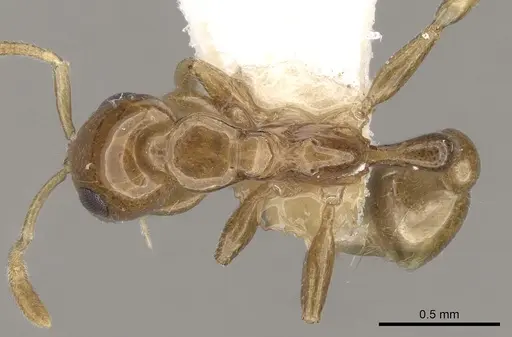
CASENT0901930
View on AntWeb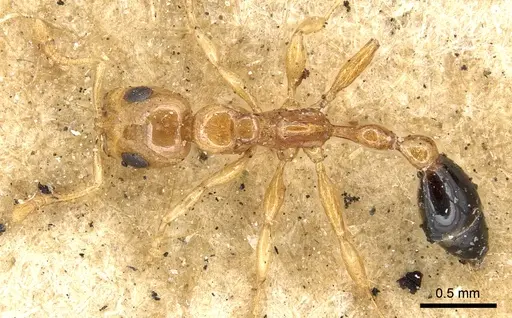
CASENT0907461
View on AntWeb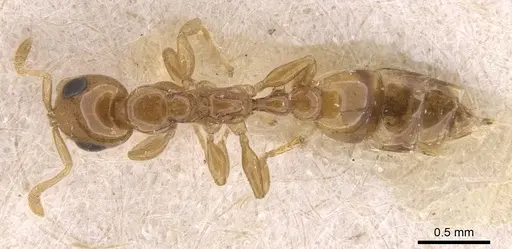
CASENT0917206
View on AntWeb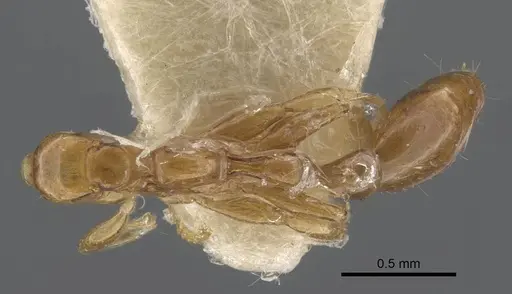
Literature
Loading...Loading products...