

Tetraponera laeviceps
- Scientific Name
- Tetraponera laeviceps
- Tribe
- Pseudomyrmecini
- Subfamily
- Pseudomyrmecinae
- Author
- Smith, 1859
- Distribution
- Found in 5 countries
Tetraponera laeviceps Overview
Tetraponera laeviceps is an ant species of the genus Tetraponera. It is primarily documented in 5 countries , including Australia, Micronesia, Federated States of. Detailed taxonomic data and occurrence records can be further explored via authoritative databases such as AntWeb or the Global Biodiversity Information Facility (GBIF).
Tetraponera laeviceps
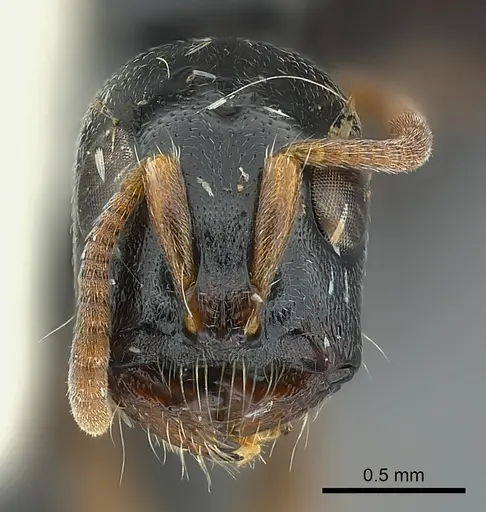
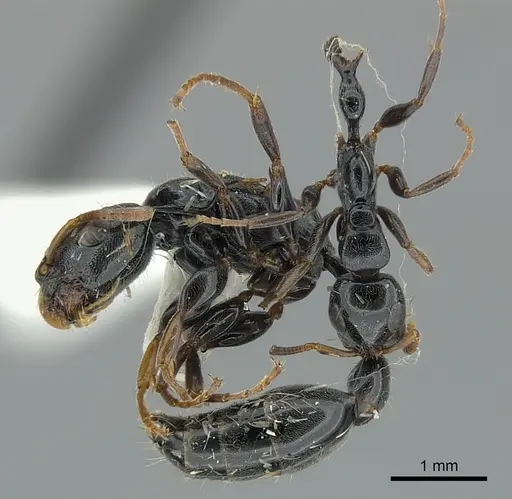
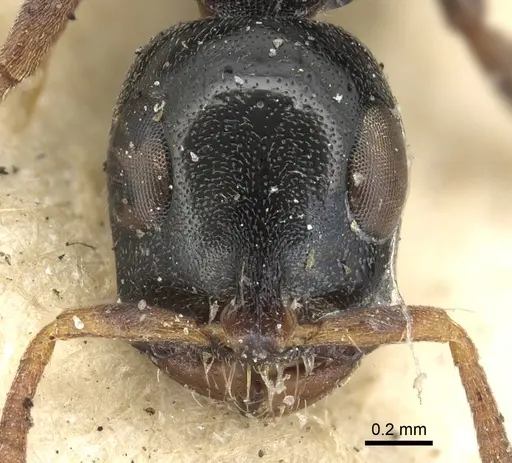
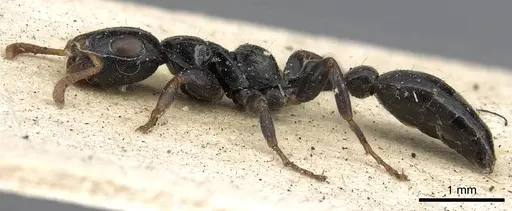
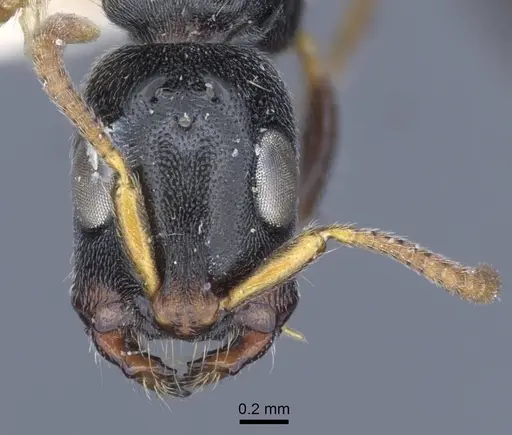
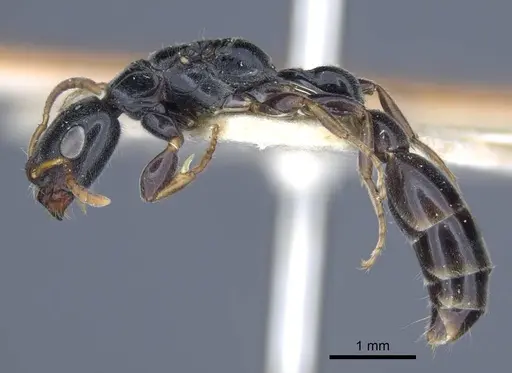
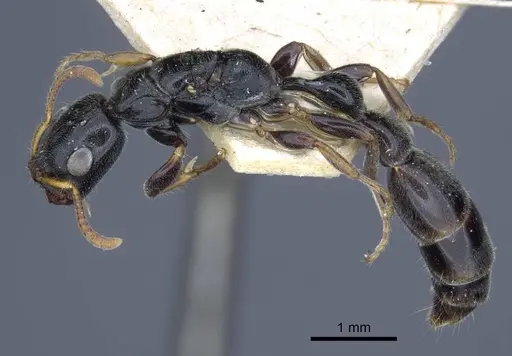
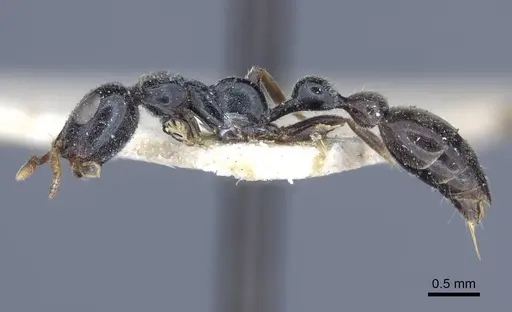
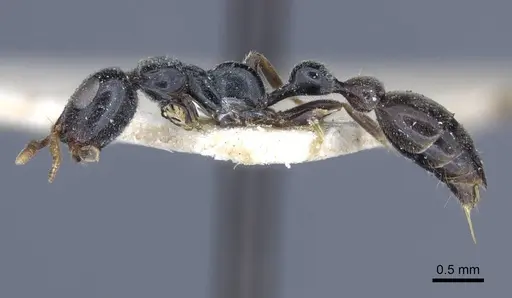
Tetraponera laeviceps is a medium-sized ant species belonging to the subfamily Pseudomyrmecinae, known for their slender bodies and remarkably large eyes. Workers measure 0.75-0.91mm in head width and have a distinctive appearance: black to dark brownish-black body with often strikingly yellow-brown appendages including the scape, front tibia, and tarsi. These ants are found across the Australasian region, ranging from the Maluku Islands through New Guinea to northern Australia and the Solomon Islands [1][2]. They inhabit tropical rainforests, secondary forests, and littoral vegetation zones, where they serve as arboreal predators in the ecosystem [1].
What makes T. laeviceps particularly interesting is their nesting behavior, they are opportunistic colonizers of dead plant cavities, specifically seeking out hollow twigs and branches in various tree and shrub species including Hibiscus tiliaceus, Gnetum, and Premna serratifolia [1]. This arboreal lifestyle means they are typically found in the canopy and trunk regions rather than on the forest floor. They also appear in the foliage and trunks of recently felled rainforest trees in New Guinea and Cape York, northern Australia [1]. Their population density drops significantly with elevation, being most abundant at around 200m and virtually absent above 900m in tropical forests [3].
Quick Summary
- Difficulty: Medium
- Origin & Habitat: Tropical Australasian region, found in Maluku Islands, New Guinea, northern Australia (Cape York), and Solomon Islands. Inhabits secondary forest, littoral vegetation, and rainforest at low elevations, typically below 200m [1][2][3].
- Colony Type: Colony structure is unconfirmed. Based on typical Pseudomyrmecinae patterns, likely single-queen (monogyne) colonies, though this requires verification for this specific species.
- Size & Growth:
- Queen: Unconfirmed, no specific measurements available for queens in the research data [1].
- Worker: 0.75-0.91mm head width (HW) [1].
- Colony: Unknown, no colony size data available. Based on related species and their arboreal lifestyle, colonies are likely moderate in size, possibly reaching several hundred workers.
- Growth: Moderate, inferred from typical Pseudomyrmecinae development patterns.
- Development: 6-10 weeks, estimated based on typical Pseudomyrmecinae development at tropical temperatures. (Development time is estimated. Warm tropical temperatures (24-28°C) will likely accelerate development compared to temperate species.)
- Antkeeping:
- Temperature: Keep at 24-28°C, these are tropical ants requiring warm conditions. A gentle gradient allowing them to self-regulate is ideal. Avoid temperatures below 22°C as they are adapted to lowland tropical warmth.
- Humidity: High humidity (70-85%), they naturally inhabit humid tropical forests. Keep the nest substrate moist but not waterlogged. Provide a water tube and ensure the nest area maintains consistent humidity without drying out.
- Diapause: No, as a tropical species from low latitudes, they do not require hibernation or winter dormancy. Maintain warm conditions year-round.
- Nesting: Arboreal specialists, they nest in dead twigs and plant cavities in nature. In captivity, they do well in Y-tong (AAC) nests or naturalistic setups with hollow twigs/branches. Avoid fully underground setups, they prefer above-ground nest chambers that mimic their natural tree-hole habitat [1].
- Behavior: Tetraponera laeviceps are active, fast-moving ants with large eyes adapted for visual hunting. As Pseudomyrmecinae, they are predatory and likely hunt small insects and arthropods. They are alert and may be quick to flee from disturbance. Their small size (under 1mm) means escape prevention is important, use fine mesh and secure barriers. They are arboreal by nature and will explore upward, so ensure the outworld provides climbing surfaces.
- Common Issues: escape prevention is critical due to their very small size, they can squeeze through standard gaps easily, tropical humidity requirements can lead to mold issues if ventilation is poor, lack of colony data means founding and early stages may be challenging without prior experience, arboreal nesting means they may not adapt well to ground-level test tube setups, warm temperature requirements year-round can be expensive in temperate climates
Housing and Nest Setup
Tetraponera laeviceps requires an arboreal-focused setup that mimics their natural tree-hole nesting preferences. In the wild, they colonize dead twigs and hollow branches in various tropical trees and shrubs [1]. For captivity, Y-tong (AAC) nests work well because they provide the narrow, enclosed chambers these ants prefer. You could also create a naturalistic setup using hollow twigs or small branches secured in an outworld. Avoid standard test tube setups buried in substrate, these ants are not ground-nesters and may not thrive in underground-style formicariums. The nest should be positioned above ground level if possible, reflecting their natural arboreal behavior. Include plenty of climbing structures in the outworld since these ants are agile climbers.
Feeding and Diet
As members of the Pseudomyrmecinae subfamily, T. laeviceps are predatory ants that hunt small insects and arthropods. In captivity, their primary food should be small live prey such as fruit flies (Drosophila), springtails, and other tiny arthropods. You can also offer small mealworms, pinhead crickets, and similar appropriately-sized insects. Sugar sources may be accepted, you can offer a drop of honey water or sugar water occasionally, but protein-rich prey should form the bulk of their diet. Feed them every 2-3 days, removing any uneaten prey after 24 hours to prevent mold. Since they are fast-moving hunters with large eyes, they will likely be most active when hunting live prey. [1]
Temperature and Care
These tropical ants require warm conditions year-round. Maintain temperatures between 24-28°C in the nest area. A slight temperature gradient is beneficial, allowing the colony to self-regulate. You can achieve this with a low-wattage heating cable on one side of the nest, but ensure the heat source is placed on top of the nest rather than underneath to prevent excessive drying. Since they come from lowland tropical habitats in northern Australia, New Guinea, and the Solomon Islands, they have no requirement for hibernation or cooling periods [2]. Room temperature in most homes may be too cool, consider using a thermostat-controlled heater or heat mat in colder climates. Monitor humidity closely as heating can dry out the nest.
Behavior and Temperament
Tetraponera laeviceps are active, alert ants with excellent vision thanks to their relatively large eyes, a characteristic of the Pseudomyrmecinae subfamily. They are fast-moving and will quickly explore their surroundings. In the wild, they are found in tree hollows and recently fallen trees, suggesting they are adaptable to disturbed habitats [1]. They are likely more skittish than aggressive, preferring to flee rather than engage when threatened. Their small size (under 1mm) makes them excellent escape artists, ensure all connections are sealed with fine mesh or fluon barriers. Provide them with a well-structured outworld with climbing branches or structures to satisfy their natural arboreal behavior.
Colony Establishment
Establishing a colony of T. laeviceps may present challenges due to limited available information about their founding behavior. Based on typical Pseudomyrmecinae patterns, the queen likely seals herself in a chamber (claustral founding) and raises her first workers alone using stored fat reserves. However, this is an inference rather than a confirmed behavior for this species. When establishing a colony, provide a quiet, dark location and minimize disturbances. The founding chamber should be appropriately sized, not too large. Once workers emerge, they will need access to hunting territory in the outworld. Be patient during the founding phase as tropical species may develop faster but also require more precise conditions.
Distribution and Range
T. laeviceps has a broad distribution across the Australasian and Indomalayan regions. They are found throughout the Maluku Islands (Indonesia), New Guinea (both Indonesian and Papua New Guinea territory), northern Australia (Cape York region), and the Solomon Islands [2]. Within this range, they show a strong preference for lowland areas, research shows 14 nests at 200m elevation, dropping to just 1 nest at 900m, and none at 1800m [3]. Their habitat preferences include secondary forest, littoral (coastal) vegetation, and primary rainforest. They are opportunistic nesters, colonizing whatever dead plant cavities they find suitable, from large trees to small shrubs [1].
Frequently Asked Questions
Can I keep Tetraponera laeviceps in a test tube?
Test tubes are not ideal for this species. They are arboreal ants that naturally nest in hollow twigs and branches, not in underground chambers. A Y-tong (AAC) nest or a naturalistic setup with hollow twigs works better. If you must use a test tube for founding, provide a horizontal setup with a cotton ball for humidity and transfer them to a more appropriate arboreal setup once workers emerge.
How long does it take for Tetraponera laeviceps to develop from egg to worker?
Exact development time is unconfirmed for this species. Based on typical Pseudomyrmecinae development patterns at tropical temperatures (24-28°C), estimate approximately 6-10 weeks from egg to first worker. Warmer temperatures within their range may speed development, while cooler conditions will slow it down.
Do Tetraponera laeviceps ants sting?
Pseudomyrmecinae ants do not have functional stingers. Instead, like other members of this subfamily, they rely on their speed and large eyes to detect and escape threats. They may bite if handled, but they are not considered dangerous to humans.
Are Tetraponera laeviceps good for beginners?
This species is rated as Medium difficulty and may not be ideal for complete beginners. Limited species-specific information is available, they require specific arboreal nesting conditions, and their small size demands excellent escape prevention. However, antkeepers with some experience should be able to establish successful colonies with proper attention to their tropical temperature and humidity requirements.
What do Tetraponera laeviceps eat?
They are predatory ants that hunt small insects and arthropods. Feed them small live prey such as fruit flies, springtails, and tiny crickets. They may occasionally accept sugar sources like honey water, but protein-rich prey should form the main part of their diet. Remove uneaten prey after 24 hours to prevent mold.
Do Tetraponera laeviceps need hibernation?
No, they do not require hibernation. As a tropical species from lowland Australia, New Guinea, and the Solomon Islands, they need warm conditions year-round. Maintain temperatures between 24-28°C throughout the year. Attempting to cool them for winter would likely stress or kill the colony.
How big do Tetraponera laeviceps colonies get?
Exact colony size is unknown for this species. Based on related Pseudomyrmecinae and their arboreal nesting habits, colonies likely reach several hundred workers at maximum. They are not known for forming supercolonies. Their nesting in tree hollows likely imposes natural limits on colony size.
When should I move Tetraponera laeviceps to a formicarium?
Wait until the colony has at least 20-30 workers before moving to a larger formicarium. For arboreal species like T. laeviceps, a Y-tong nest or naturalistic twig setup is preferable to traditional formicariums. Ensure the new setup maintains appropriate humidity and provides climbing structures. Move them during evening when they are less active.
Why are my Tetraponera laeviceps dying?
Common causes include: temperatures below 22°C (they need tropical warmth), low humidity causing desiccation, escape through small gaps due to their tiny size, and inadequate prey. Check that your heating is consistent, humidity is high (70-85%), and all connections are sealed with fine mesh. Also ensure they have appropriate-sized live prey for hunting.
Can I keep multiple Tetraponera laeviceps queens together?
Colony structure is unconfirmed for this species. Based on typical Pseudomyrmecinae, they are likely monogyne (single queen). Combining unrelated queens has not been documented and is not recommended. If you acquire a multi-queen colony, keep them separate unless you observe clear peaceful cohabitation.
What is the best nest type for Tetraponera laeviceps?
Y-tong (AAC) nests are ideal because they provide the narrow, enclosed chambers these arboreal ants prefer. Naturalistic setups with hollow twigs or small branches also work well. Avoid plaster nests that may dry out too quickly or traditional underground formicariums. The key is mimicking their natural tree-hole habitat.
Where is Tetraponera laeviceps found in the wild?
They range from the Maluku Islands (Indonesia) through New Guinea to northern Australia (Cape York) and the Solomon Islands. They live in tropical rainforests, secondary forests, and coastal vegetation at low elevations, typically below 200m. They nest in dead twigs and hollow branches of various trees and shrubs [1][2][3].
References

This caresheet is licensed under CC BY-SA 4.0 .
CASENT0217592
View on AntWeb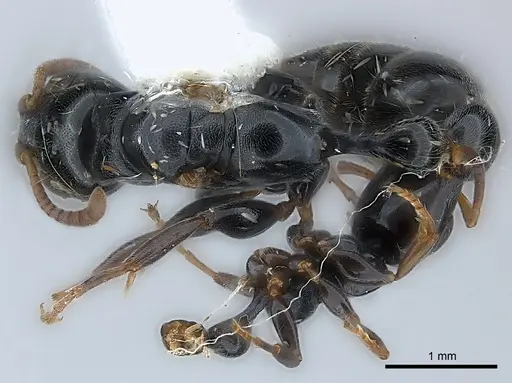
CASENT0901932
View on AntWeb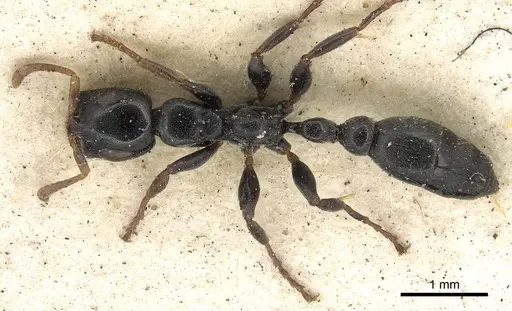
CASENT0902833
View on AntWeb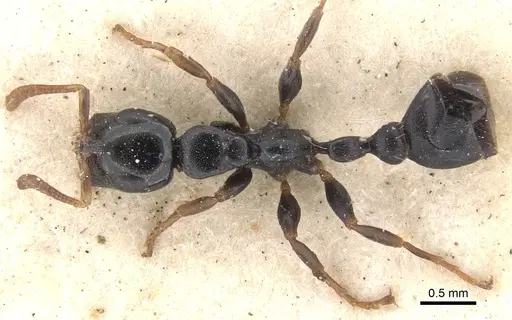
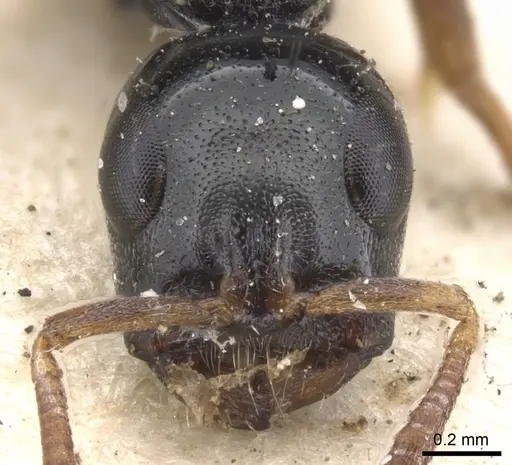
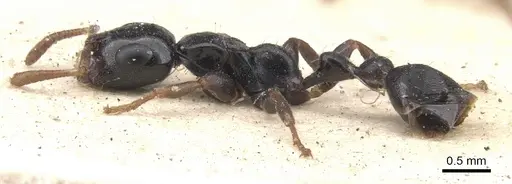
CASENT0904041
View on AntWeb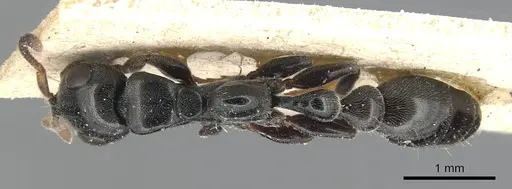
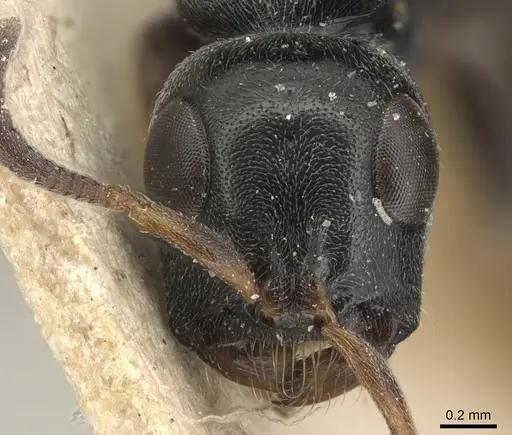
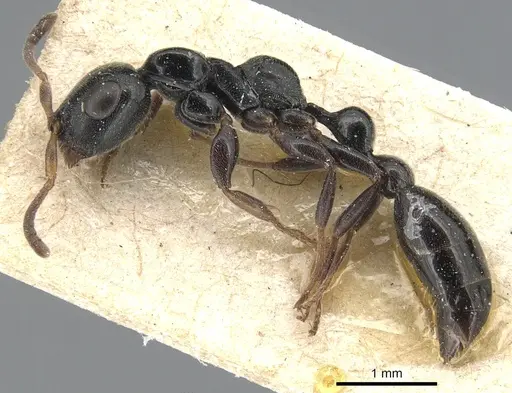
CASENT0916870
View on AntWeb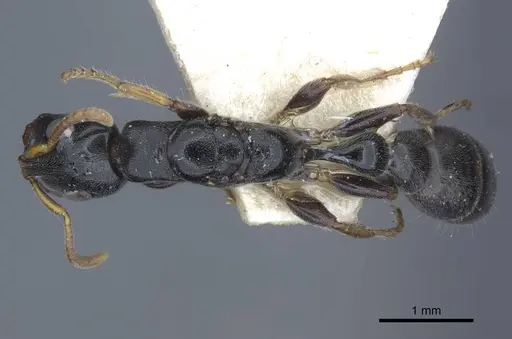
CASENT0916872
View on AntWeb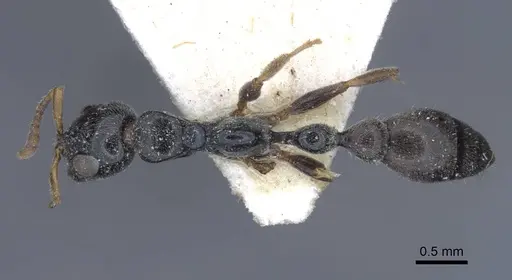
Literature
Loading...Loading products...