

Tetraponera extenuata
- Scientific Name
- Tetraponera extenuata
- Tribe
- Pseudomyrmecini
- Subfamily
- Pseudomyrmecinae
- Author
- Ward, 2001
- Distribution
- Found in 6 countries
Tetraponera extenuata Overview
Tetraponera extenuata is an ant species of the genus Tetraponera. It is primarily documented in 6 countries , including Brunei Darussalam, China, Indonesia. Detailed taxonomic data and occurrence records can be further explored via authoritative databases such as AntWeb or the Global Biodiversity Information Facility (GBIF).
Tetraponera extenuata - "Slender Ant"
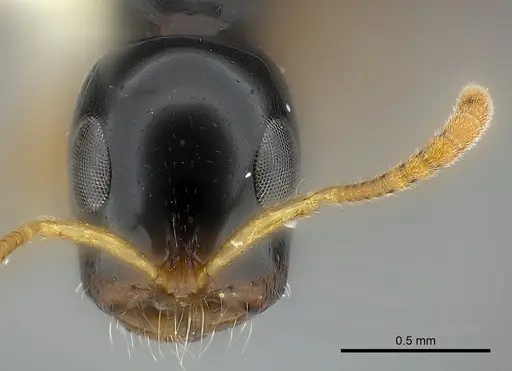
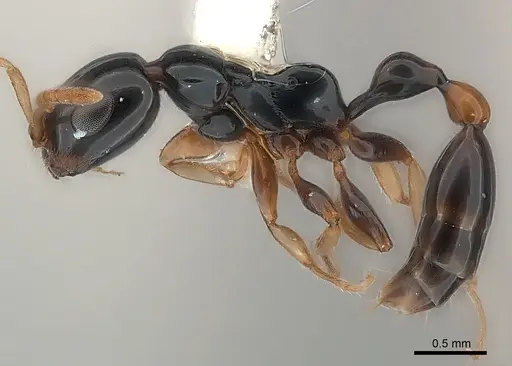
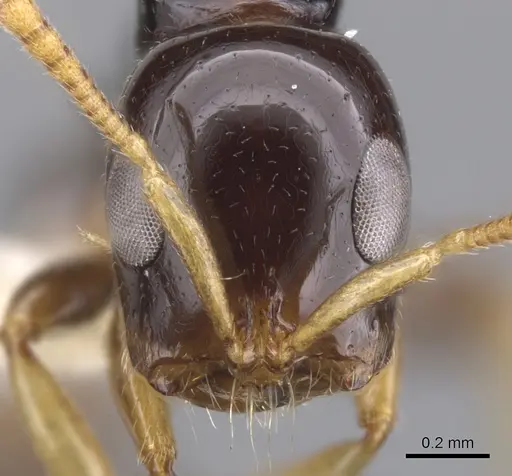
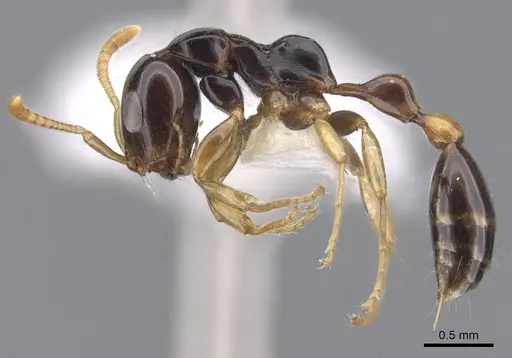
Tetraponera extenuata is a fascinating arboreal ant species known for its slender body and generally dark, often black or dark brownish-black, coloration. However, their appearance can vary, with some workers exhibiting a striking contrast between their dark body and an orange-brown postpetiole, tibiae, tarsi, and scapes. In some populations, the legs might be conspicuously bicolored. These ants are small to medium-sized, with workers typically ranging from 0.54 to 0.79 mm in head width, indicating a body length in the 3-7 mm range for the genus. They are part of the Pseudomyrmecinae subfamily and are characterized by their large eyes and two-segmented waist, where the second segment (postpetiole) is broadly attached to the gaster. This species is often found in association with host plants, utilizing hollow structures for nesting.
- Difficulty: Medium
- Origin & Habitat: Southeast Asia, including Borneo, Brunei Darussalam, Indonesia, Malaysia, Philippines, Singapore (type locality), and Thailand. in Arboreal, found in primary and secondary lowland rainforest, lower montane mixed dipterocarp forest, and relict rainforest. They typically nest in dead twigs and branches, and occasionally in the canopy of dipterocarp forests..
- Colony Type: Monogyne (single queen) or potentially polygynous (multiple queens). While the genus Tetraponera often has one or a few queens, detailed information on T. extenuata specifically for this trait is limited., semi-claustral (queen forages for food during the founding stage). founding.
- Size & Growth:
- Queen: Not specified
- Worker: 3-7mm
- Colony: Medium (thousands). Other species in the Tetraponera genus can reach several thousands of workers.. Medium growth.
- Antkeeping:
- Temperature: Ideally, keep the nest temperature between 26-30°C and the outworld/foraging area between 24-30°C to encourage good activity and development..
- Humidity: While they are arboreal and can tolerate relatively dry conditions, it's recommended to provide a humidity gradient. Aim for 60-80% humidity in the nest area and 60-70% in the foraging area. Some keepers note that while they are arboreal, they originate from humid environments, so consistent hydration is important..
- Diapause: Not required. Not specified at Not specified.
- Nesting: As an arboreal species, they prefer nesting in hollow structures like dead twigs, branches, or purpose-built arboreal setups. Nests made from materials like plexiglass or natural wood/bamboo with intricate tunnels mimicking their natural habitat are suitable. They do not require high humidity within the nest itself but need access to water..
- Behavior: High (towards prey and potential threats) aggressiveness.
- Common Issues: Humidity fluctuations, Lack of suitable arboreal nesting options, Escape attempts due to their slender bodies and agility, Stressing the queen during founding if not fed adequately.
One crucial aspect of keeping Tetraponera extenuata is their semi-claustral founding. Unlike fully claustral queens that can sustain themselves until the first workers emerge, a T. extenuata queen needs regular feeding during this initial stage. Providing a consistent supply of small insects and sugar water in a temporary outworld, or feeding area, is vital. This mimics their natural foraging behavior and ensures the queen has the energy to raise her first brood successfully.
These slender ants are known for their active and aggressive nature, especially when defending their nest. In their natural habitat, they are formidable hunters with excellent eyesight and quick movements. They can deliver a painful sting, comparable to a wasp sting, which they use to neutralize prey and deter threats. This requires careful handling and ensuring your formicarium is completely escape-proof to prevent accidental stings.
Tetraponera species are largely arboreal, meaning they thrive in setups that mimic their natural tree-dwelling environment. Providing hollow tubes, bamboo sections, or multi-level nests with good climbing opportunities in the outworld will cater to their natural behaviors. They are also known to trim neighboring plants to prevent intrusion, so observing their natural behaviors can be very rewarding in a well-designed habitat.
While not strictly myrmecophytes (plant-ants that live exclusively in specialized plant structures), many Tetraponera species, including this one, are found nesting in dead twigs and branches. This suggests that incorporating natural wood elements into their artificial nests can be beneficial. They may also form mutualistic relationships with hemipteran trophobionts, like aphids, for honeydew, so offering a variety of sugar sources is important.
The coloration of Tetraponera extenuata can be quite variable, with individuals showing differences in the contrast between their dark bodies and lighter postpetioles or legs. This natural variation is interesting to observe within a colony. Despite these color differences, the species is consistently identifiable by its slender build, large eyes, and the specific shape of its pronotal margins and propodeum.
Frequently Asked Questions
What kind of nest is best for Tetraponera extenuata?
For these slender ants, an arboreal setup is key. Think hollowed-out wood, bamboo sections, or acrylic nests with narrow tunnels that mimic their natural preference for nesting inside dead twigs and branches. They thrive in environments that allow them to climb and explore.
Do Tetraponera extenuata sting, and is it painful?
Yes, they do sting, and their sting is reported to be quite painful, often compared to a wasp sting. This is why having an escape-proof formicarium and handling them with care is paramount for antkeepers.
What do Tetraponera extenuata eat?
These ants are primarily insectivores, so a good protein source like freshly killed feeder insects (crickets, mealworms, roaches) is essential. They also love sugary foods, so offer honey, sugar water, or ant nectar.
Are Tetraponera extenuata difficult to keep for a beginner?
They are considered a 'Medium' difficulty species, primarily due to their semi-claustral founding, which requires feeding the queen from the start, and their potent sting, which means extra precautions are necessary for their enclosure. Their specific arboreal nesting needs also add a layer of complexity compared to ground-nesting species.
Do Tetraponera extenuata need a diapause or hibernation period?
No, as a tropical species originating from warm climates, Tetraponera extenuata does not require a diapause or hibernation period. They thrive in consistent warmth.
How big do Tetraponera extenuata colonies get?
While specific numbers for T. extenuata are limited, other species in the Tetraponera genus can grow to colonies of several thousand workers. Expect a medium-sized colony with a single queen.
How fast do Tetraponera extenuata colonies grow?
Their colony growth rate is generally considered medium. The development time from egg to worker can be relatively long, but once established, colonies can reproduce rapidly in warm conditions.
What is the ideal temperature and humidity for Tetraponera extenuata?
Maintain a nest temperature between 26-30°C and an outworld temperature of 24-30°C. For humidity, aim for 60-80% in the nest and 60-70% in the outworld. Consistent hydration, especially in the outworld, is beneficial, despite their tolerance for drier nest conditions.
What should I do if my Tetraponera extenuata queen isn't laying eggs?
Ensure she's receiving consistent and varied nutrition, especially protein and sugars, as they are semi-claustral. Verify that temperature and humidity levels are within the optimal range and that she feels secure in her founding setup. Stress or inadequate nutrition can hinder egg-laying.
Are there any specific behaviors I should watch for with Tetraponera extenuata?
These ants are very active and exhibit impressive hunting behaviors. You might observe their precise movements and rapid recruitment when prey is detected. Their natural arboreal habits mean they'll likely explore all climbing opportunities in their outworld.
What kind of substrate do Tetraponera extenuata need?
Given their arboreal nature, a specific substrate isn't usually needed within the nest itself if using an artificial setup like acrylic or natural wood. However, if using an outworld, a simple, clean substrate or no substrate at all is generally fine, as their focus is on climbing and hunting.
How long do Tetraponera extenuata queens live?
The queen of a Tetraponera colony can have a considerable lifespan, with some reports suggesting up to 10-15 years for related species, indicating a good potential for long-term colony observation.
Can I keep multiple Tetraponera extenuata queens together?
While the genus Tetraponera can exhibit polygyny (multiple queens), it's crucial to confirm if this specific species, T. extenuata, is reliably polygynous before attempting to keep multiple queens together. Starting with a single queen is generally the safest approach unless specific information confirms pleometrosis and polygyny for T. extenuata.
Why is my Tetraponera extenuata colony stalling?
Colony stalling can often be attributed to improper feeding (especially for a semi-claustral species), unsuitable temperature or humidity, or stress. Review your feeding schedule, ensuring enough protein and sugar. Double-check your temperature and humidity to make sure they're within the recommended ranges. Also, minimize disturbances to the nest.

This caresheet is licensed under CC BY-SA 4.0 .
CASENT0217591
View on AntWeb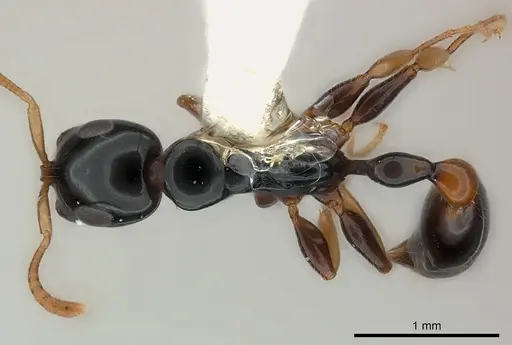
CASENT0902824
View on AntWeb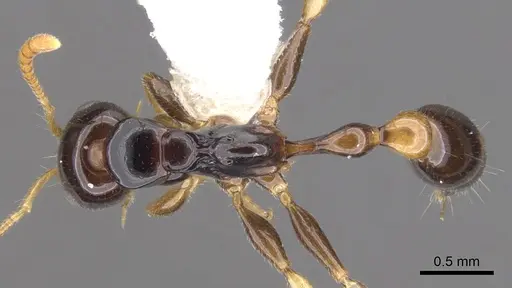
Literature
Loading...Loading products...