

Tetraponera cortina
- Scientific Name
- Tetraponera cortina
- Tribe
- Pseudomyrmecini
- Subfamily
- Pseudomyrmecinae
- Author
- Ward, 2022
- Distribution
- Found in 1 countries
Tetraponera cortina Overview
Tetraponera cortina is an ant species of the genus Tetraponera. It is primarily documented in 1 countries , including Congo, Democratic Republic of the. Detailed taxonomic data and occurrence records can be further explored via authoritative databases such as AntWeb or the Global Biodiversity Information Facility (GBIF).
Tetraponera cortina
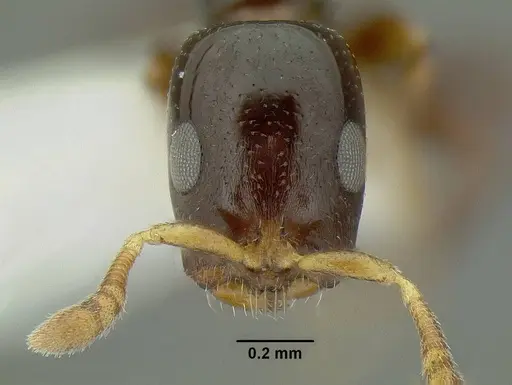
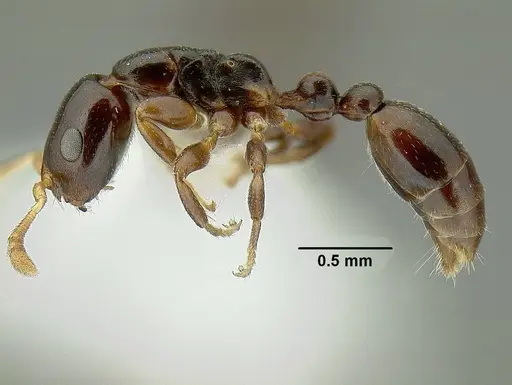
Tetraponera cortina is a slender, elongated ant species belonging to the Pseudomyrmecinae subfamily, recently described in 2022 from Central Africa. Workers are typically small and graceful with the characteristic long legs and relatively large eyes typical of this genus. The species belongs to the allaborans species group and has been documented in the Democratic Republic of Congo, Central African Republic, and Gabon [1]. These ants are arboreal or semi-arboreal in nature, typically nesting in hollow twigs, dead stems, or rotting wood in forest environments. Their distribution spans the Afrotropical region, specifically the Congo basin area where humid tropical forest provides ideal habitat.
Quick Summary
- Difficulty: Medium
- Origin & Habitat: Central African Republic, Democratic Republic of Congo, and Gabon, humid tropical forest environments in the Congo basin region [1][2]
- Colony Type: Likely monogyne (single queen) based on typical genus patterns, though colony structure has not been directly documented for this species
- Colony: Monogyne
- Founding: Semi-claustral
- Size & Growth:
- Queen: Estimated 7-9mm based on genus-level morphology for Tetraponera species in the allaborans group
- Worker: Estimated 3-5mm based on typical Tetraponera worker dimensions
- Colony: Unknown for this species, related Tetraponera species typically reach several hundred workers
- Growth: Moderate, estimated based on related species
- Development: Estimated 6-10 weeks at optimal tropical temperatures based on genus patterns (Development time inferred from related Pseudomyrmecinae species, direct measurements unavailable for this species)
- Antkeeping:
- Temperature: Keep at 24-28°C, these are tropical forest ants requiring warm conditions [1]
- Humidity: High humidity (70-85%), humid forest floor environment. Keep substrate consistently moist but not waterlogged
- Diapause: Unlikely, as a tropical species, they probably do not require a diapause period. However, slight temperature reduction during winter months may be beneficial
- Nesting: Provide arboreal-style nesting options, hollow twigs, cork nests, or test tubes with tight-fitting connections. They prefer enclosed spaces similar to their natural twig-nesting habitat
- Behavior: These ants are active foragers with good vision. They are likely predatory based on genus typical behavior, hunting small insects and arthropods. Workers are probably quick-moving and may be somewhat nervous. Escape prevention is important as they are agile climbers. Their semi-arboreal nature means they will readily explore vertical spaces.
- Common Issues: tropical humidity requirements can be difficult to maintain consistently, colony size remains unknown making it hard to plan for growth, escape prevention needed due to their active foraging and climbing abilities, limited availability as a newly described species, winter temperature management may require heating in cooler climates
Housing and Nest Setup
Tetraponera cortina is an arboreal species that naturally nests in hollow twigs, dead stems, and rotting wood. In captivity, you can simulate this with several approaches. A Y-tong (AAC) nest works well as it provides the dark, enclosed chambers these ants prefer. Alternatively, you can use a cork nest or create a naturalistic setup with actual twigs or bamboo sections. Test tubes can work for founding colonies but may need to be connected to a forager area as the colony grows. Because they are semi-arboreal, include plenty of climbing surfaces and vertical space in their outworld. A small water tube attached to the nest helps maintain humidity. Ensure all connections between nest and outworld are secure, these active ants will find any gap. [1]
Feeding and Diet
Based on typical Tetraponera behavior, these ants are predatory and will hunt small insects and arthropods. Offer live prey such as fruit flies, small crickets, springtails, and other tiny insects. They likely also consume honeydew and may accept sugar water or honey as an energy source. Feed protein-rich foods several times per week, adjusting based on colony size and appetite. Remove uneaten prey after 24-48 hours to prevent mold. A constant sugar source should be available, a cotton ball soaked in diluted honey or sugar water works well. [1]
Temperature and Humidity
As a tropical species from Central Africa, Tetraponera cortina requires warm and humid conditions. Maintain temperatures between 24-28°C year-round. A heating cable or mat on one side of the nest creates a gentle gradient while allowing the ants to choose their preferred temperature. Humidity should stay high at 70-85%. Use a water tube or moisture reservoir attached to the nest to provide humidity. Mist the outworld occasionally but avoid direct misting of the nest. Good ventilation is important to prevent mold while maintaining humidity, small ventilation holes or mesh work well. [1]
Colony Development
This species was only described in 2022,so detailed colony development information is limited. Based on related Tetraponera species in the allaborans group, expect moderate growth rates. The founding queen will need to raise her first workers (nanitics) over several weeks. Initial colonies grow slowly as the queen tends to only a few eggs at a time. Once the first workers emerge, colony growth typically accelerates. A mature colony may reach several hundred workers. Be patient with founding colonies, they can take several months to establish firm footing. Avoid disturbing the queen during the founding phase.
Behavior and Temperament
Tetraponera ants are known for their excellent vision and active foraging behavior. Workers are quick-moving and will actively search for prey throughout their territory. They are not typically aggressive toward humans but will defend their nest if threatened. Their semi-arboreal nature means they are good climbers and may attempt to explore vertical spaces. Watch for escape attempts and ensure your barrier system is reliable. They likely use chemical communication like other Pseudomyrmecinae ants. The workers probably communicate about food sources and potential threats through pheromone trails. [1]
Frequently Asked Questions
How long does it take for Tetraponera cortina to produce first workers?
Based on related species in the genus, expect 6-10 weeks from egg to first worker at optimal temperatures (24-28°C). The exact timing for T. cortina specifically has not been documented, so this is an estimate based on typical Pseudomyrmecinae development.
What do Tetraponera cortina ants eat?
They are predatory ants that hunt small insects. Offer live fruit flies, small crickets, springtails, and other tiny arthropods. They also likely accept sugar sources like honey water or sugar water for energy. Remove uneaten prey after a day to prevent mold.
Can I keep Tetraponera cortina in a test tube?
Yes, test tubes work for founding colonies. Keep the cotton moist but not flooded, and connect the tube to a small outworld for foraging. As the colony grows, you may need to move them to a larger nest like a Y-tong or cork setup.
Do Tetraponera cortina ants need hibernation?
No, as a tropical species from Central Africa, they do not require hibernation. Maintain warm temperatures (24-28°C) year-round. A slight temperature reduction in winter is acceptable but not necessary.
How big do Tetraponera cortina colonies get?
Colony size has not been documented for this specific species. Based on related Tetraponera species, a mature colony likely reaches several hundred workers.
Are Tetraponera cortina ants good for beginners?
This species is rated as Medium difficulty. While not the hardest species, the specific humidity and temperature requirements of this tropical arboreal ant may present challenges. Their newly described status also means limited availability and care information.
Do Tetraponera cortina ants sting?
Pseudomyrmecinae ants have functional stingers. While not typically aggressive, they may sting if threatened or handled roughly. The sting is not considered dangerous to healthy humans but may cause mild irritation.
What temperature is best for Tetraponera cortina?
Keep them at 24-28°C. Use a heating cable on one side of the nest to create a temperature gradient so ants can self-regulate. Avoid temperatures below 22°C or above 30°C.
Why are my Tetraponera cortina dying?
Common causes include: temperature too low (below 24°C), humidity too low (below 70%), poor escape prevention, or inadequate protein in their diet. Check that your setup maintains proper tropical conditions consistently.
When should I move my colony to a formicarium?
Move to a larger nest when the test tube becomes crowded or the colony reaches around 20-30 workers. A Y-tong or cork nest works well for this semi-arboreal species.
References

This caresheet is licensed under CC BY-SA 4.0 .
CASENT0794352
View on AntWeb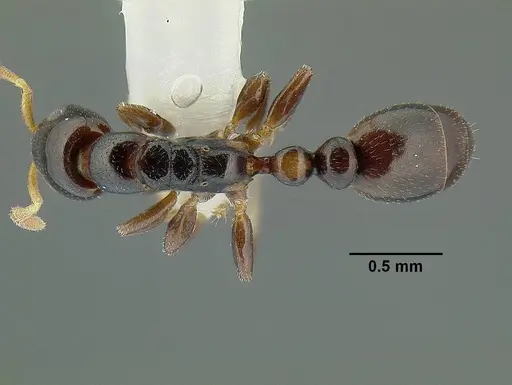
Literature
Loading...Loading products...