

Tetraponera caffra
- Scientific Name
- Tetraponera caffra
- Tribe
- Pseudomyrmecini
- Subfamily
- Pseudomyrmecinae
- Author
- Santschi, 1914
- Distribution
- Found in 3 countries
Tetraponera caffra Overview
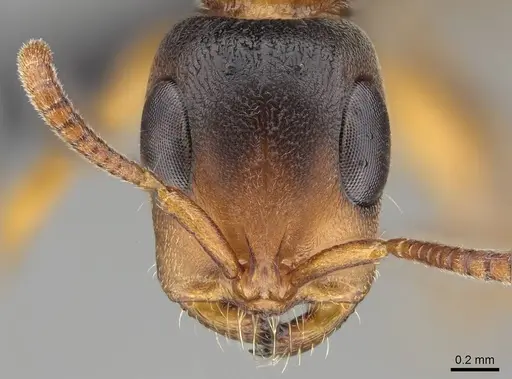
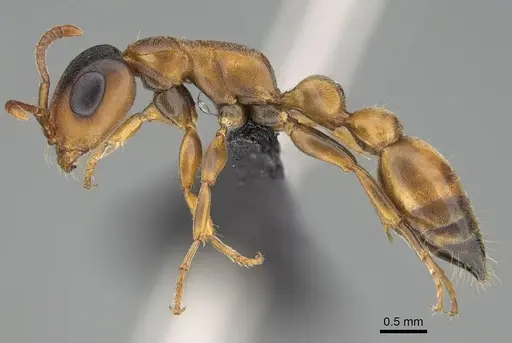
Tetraponera caffra is an ant species of the genus Tetraponera. It is primarily documented in 3 countries , including Mozambique, Eswatini, South Africa. Detailed taxonomic data and occurrence records can be further explored via authoritative databases such as AntWeb or the Global Biodiversity Information Facility (GBIF).
Tetraponera caffra
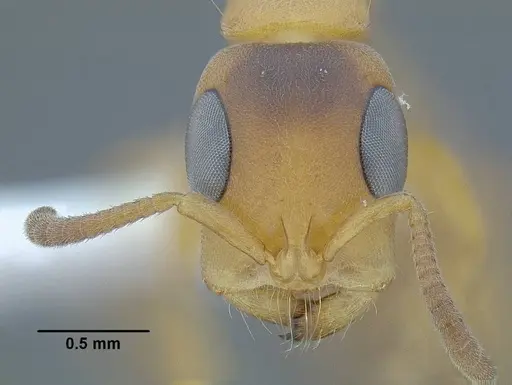
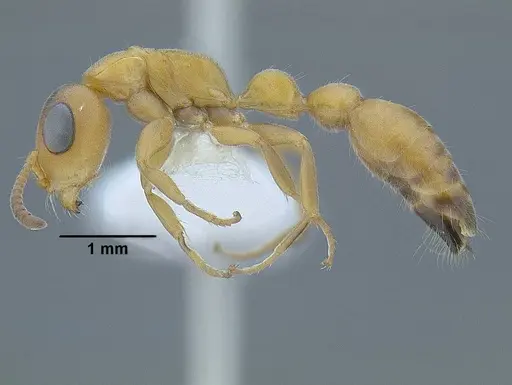
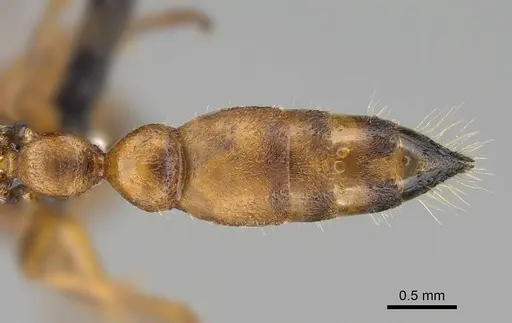
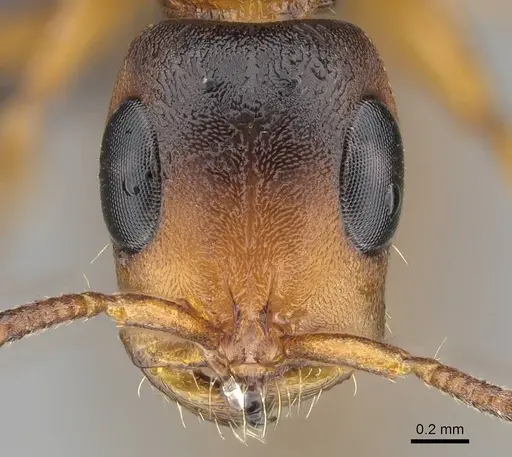
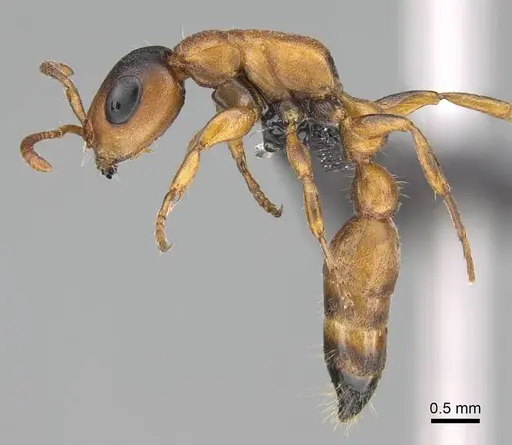
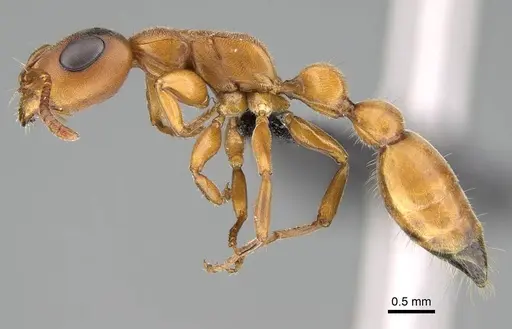
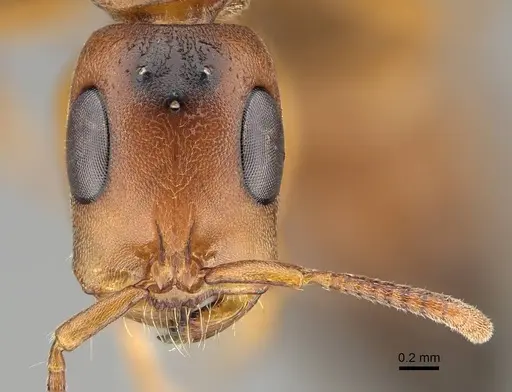
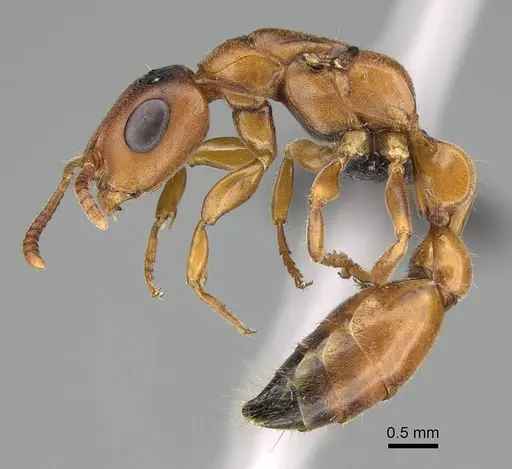
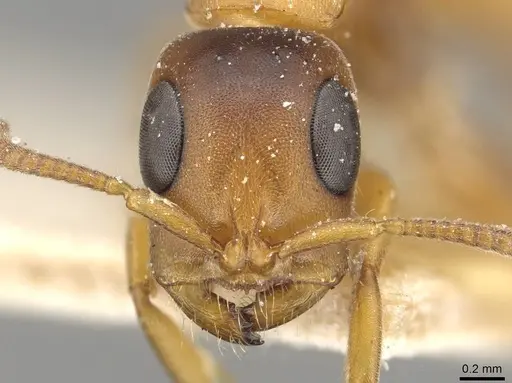
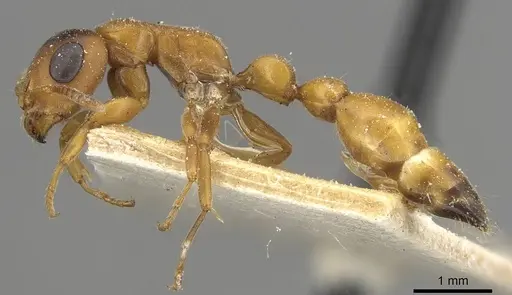
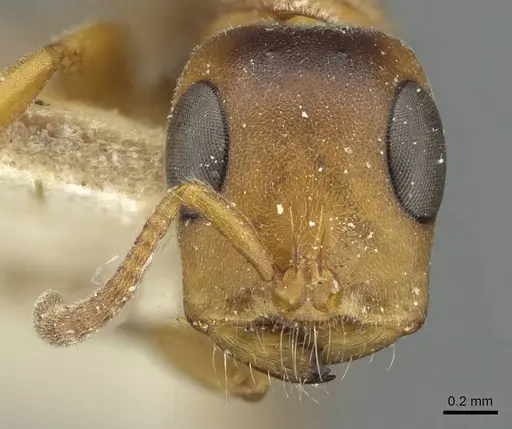
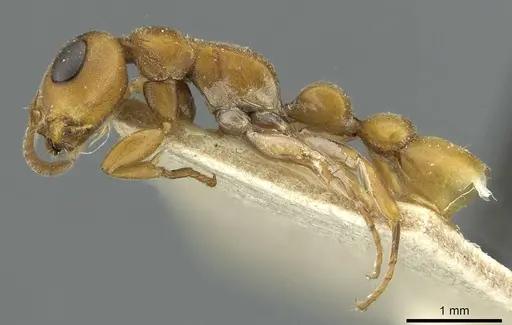
Tetraponera caffra is a small to medium-sized ant species belonging to the subfamily Pseudomyrmecinae, commonly known as big-eyed ants or twig ants due to their notably large eyes. Workers measure approximately 4-7mm, while queens are slightly larger. This species is native to South Africa in the Afrotropical region and was originally classified as a subspecies of Tetraponera natalensis before being elevated to full species status in 2005. Like all Pseudomyrmecinae, T. caffra has characteristic large compound eyes adapted for visual hunting, a slender body, and typically nests in hollow twigs, dead branches, or rotting wood in trees and shrubs. These ants are fast-moving and predatory, actively hunting small insects and arthropods in their arboreal habitat.
Quick Summary
- Difficulty: Medium
- Origin & Habitat: South Africa (Afrotropical region). These ants live in trees and shrubs, nesting in hollow twigs, dead branches, and rotting wood [1]. The natalensis species group is known from southern African habitats.
- Colony Type: Likely monogyne (single queen colony) based on typical Pseudomyrmecinae patterns. Colony size is relatively small, typically under a few hundred workers.
- Colony: Monogyne
- Founding: Claustral
- Size & Growth:
- Queen: Approximately 6-8mm, estimated based on genus-level data for Tetraponera species
- Worker: Approximately 4-7mm [2]
- Colony: Likely several hundred workers at maturity, typical for Pseudomyrmecinae
- Growth: Moderate, based on typical genus development patterns
- Development: Estimated 6-10 weeks at optimal temperature based on related Pseudomyrmecinae species (Development time is temperature-dependent, warmer conditions within safe range accelerate development)
- Antkeeping:
- Temperature: Keep at 22-26°C. Provide a gentle temperature gradient so ants can self-regulate. Avoid temperatures above 30°C.
- Humidity: Moderate to high humidity (60-80%). These arboreal ants prefer damp but not waterlogged conditions. Mist the outworld occasionally and provide a water source.
- Diapause: Likely a mild winter slowdown period given South African origin. Reduce temperature to 15-18°C for 2-3 months during winter months.
- Nesting: Arboreal specialists, they need dead twigs, branches, or a formicarium with narrow chambers that mimic hollow twig environments. Y-tong (AAC) nests or custom acrylic nests with thin chambers work well. Provide climbing structures and branches in the outworld.
- Behavior: Tetraponera caffra is an active, fast-moving ant species with excellent vision thanks to their large eyes. They are predatory and will actively hunt small insects and arthropods. Workers are agile climbers and spend considerable time in the upper reaches of their enclosure. They may be somewhat shy or wary rather than aggressive, using their speed to escape threats. Escape prevention is important, they are good climbers and can squeeze through small gaps. These ants benefit from a well-structured outworld with climbing opportunities and hunting terrain.
- Common Issues: escape prevention is critical, they are excellent climbers and can squeeze through small gaps in lids and connections, arboreal nesting means they need vertical space and climbing structures, not just horizontal floor space, predatory diet requires consistent live prey, colonies can struggle if they only receive dead insects, small colony sizes mean they are vulnerable to disturbance, avoid excessive handling or moving, humidity control matters, too dry and brood desiccates, too wet and mold becomes a problem
Housing and Nest Setup
Tetraponera caffra is an arboreal species that naturally nests in hollow twigs, dead branches, and rotting wood in trees. In captivity, you should replicate these conditions as closely as possible. Y-tong (AAC) nests work well because they provide the narrow, enclosed chambers these ants prefer. Alternatively, custom acrylic nests with thin horizontal chambers (around 3-5mm height) mimic the tight spaces of hollow twigs. The nest should be kept dark, these ants prefer dim conditions and will be more active when the nest is covered. In the outworld, provide plenty of vertical climbing space with branches, twigs, or mesh that allows them to traverse the enclosure. These ants are excellent climbers, so ensure all connections are secure and use fluon or other barriers on smooth surfaces to prevent escapes. A well-structured outworld with hunting terrain (small substrate areas, leaf litter) encourages natural foraging behavior. [1][2]
Feeding and Diet
As predatory Pseudomyrmecinae, Tetraponera caffra needs a protein-rich diet based on live small insects and arthropods. Offer small live prey such as fruit flies, small crickets, mealworms, waxworms, and other appropriately-sized insects. They will actively hunt and capture prey, using their good vision to spot and chase down moving targets. You can also occasionally offer protein jelly, frozen fruit flies, or other prepared protein sources, but live prey should form the bulk of their diet. Sugar sources are also appreciated, a small drop of honey water or sugar water can be offered occasionally, though these ants are primarily predatory. Feed every 2-3 days, adjusting based on colony size and consumption. Remove uneaten prey after 24 hours to prevent mold. A constant clean water source is essential. [2]
Temperature and Seasonal Care
Maintain temperatures between 22-26°C for optimal colony health and development. A gentle temperature gradient allows the colony to self-regulate, they will move between warmer and cooler areas as needed. Avoid temperatures above 30°C, which can stress and kill the colony. Given their South African origin, these ants likely experience a mild winter and may benefit from a reduced temperature period during colder months. From roughly November to February (or matching your local winter), lower temperatures to 15-18°C for 2-3 months to simulate winter conditions. During this time, reduce feeding significantly and disturb the colony as little as possible. This winter rest period supports queen health and may improve subsequent brood production. Resume normal temperatures gradually in spring. [1]
Behavior and Colony Dynamics
Tetraponera caffra workers are characterized by their large eyes, slender build, and remarkably fast movement. They are diurnal and visually oriented, you'll notice them actively patrolling and hunting during daylight hours. Workers are not particularly aggressive toward humans but will defend the nest if threatened. Their primary defense is speed, they will quickly flee or scatter when disturbed. Colonies are relatively small compared to many common ant species, typically reaching only a few hundred workers at maturity. The queen lays eggs continuously once established, and brood development is temperature-dependent. These ants are more active and visible than many ground-nesting species, making them engaging to watch as they hunt and patrol their territory. [1][2]
Growth and Development
Colony growth is moderate rather than explosive. A newly mated queen will seal herself in a small chamber (claustral founding) and raise her first brood using stored fat reserves. The first workers (nanitics) are typically smaller than mature workers and emerge after approximately 6-10 weeks at optimal temperature. After the first workers eclose, the queen resumes egg-laying and the colony begins growing. Growth rate depends heavily on temperature, feeding frequency, and prey availability. Warmer temperatures (within the 22-26°C range) accelerate development, while cooler conditions slow it. A well-established colony of T. caffra may reach several hundred workers over 1-2 years. Patience is key, these ants grow more slowly than many common species, but their active hunting behavior makes them rewarding to keep.
Frequently Asked Questions
Can I keep Tetraponera caffra in a test tube?
Test tubes can work for founding colonies but are not ideal long-term. These arboreal ants prefer narrow, enclosed spaces that mimic hollow twigs, a Y-tong (AAC) nest or custom acrylic nest with thin chambers is much better. If using test tubes, provide a large outworld with climbing structures.
How long does it take for Tetraponera caffra to produce first workers?
Expect first workers (nanitics) approximately 6-10 weeks after the queen lays eggs, assuming temperatures around 24-26°C. This timeline varies based on temperature, cooler conditions slow development significantly.
What do Tetraponera caffra ants eat?
They are predatory and need live small insects like fruit flies, small crickets, and mealworms. They will also occasionally accept sugar sources like honey water. Protein should make up the majority of their diet.
Are Tetraponera caffra ants aggressive?
They are not particularly aggressive toward keepers but will defend their nest if threatened. Their primary defense is speed, they flee from disturbance rather than attacking. They are engaging predators that actively hunt prey.
Do Tetraponera caffra ants need hibernation?
Given their South African origin, they likely benefit from a mild winter rest period. Reduce temperatures to 15-18°C for 2-3 months during winter (roughly November-February). Reduce feeding during this time but maintain water access.
How big do Tetraponera caffra colonies get?
Colonies typically reach several hundred workers at maturity. They remain smaller than many common ant species, which is typical for Pseudomyrmecinae.
Can I keep multiple Tetraponera caffra queens together?
This species is likely monogyne (single queen per colony). Combining unrelated queens is not recommended as they likely will fight. Only attempt multi-queen colonies if you have specific information about this species' behavior.
Why are my Tetraponera caffra ants dying?
Common causes include: escape-related mortality (they're excellent climbers), insufficient live prey (they need hunting opportunities), improper humidity (too dry causes brood death), or temperature stress (above 30°C is dangerous). Check these parameters and adjust accordingly.
Are Tetraponera caffra good for beginners?
They are rated as medium difficulty. They require more specific arboreal housing and a steady supply of live prey compared to easier species, but their active behavior makes them rewarding for keepers willing to meet their needs.
Do Tetraponera caffra ants sting?
Pseudomyrmecinae ants have functional stingers and can sting if handled roughly or when defending their nest. The sting is mild for most species, comparable to a minor bee sting, but reactions vary.
References

This caresheet is licensed under CC BY-SA 4.0 .
CASENT0220752
View on AntWeb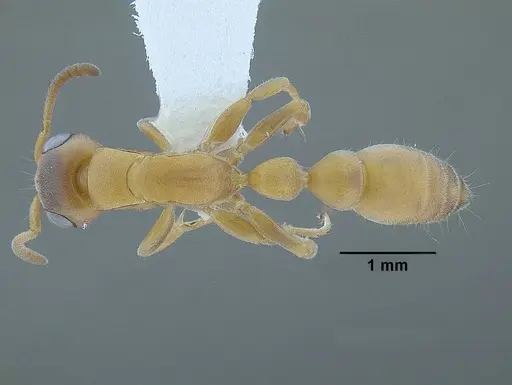
CASENT0822190
View on AntWeb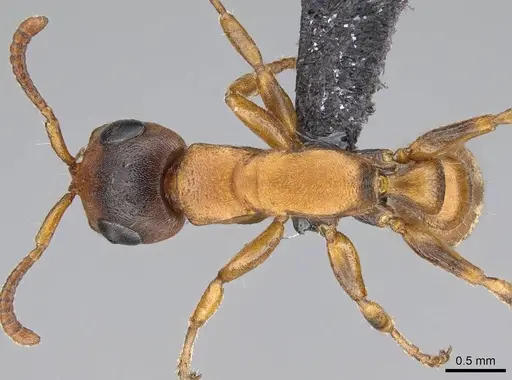
CASENT0822192
View on AntWeb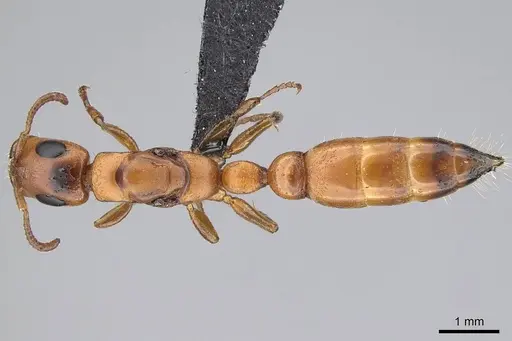
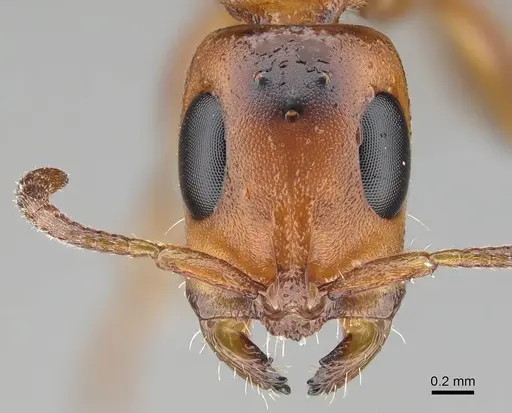
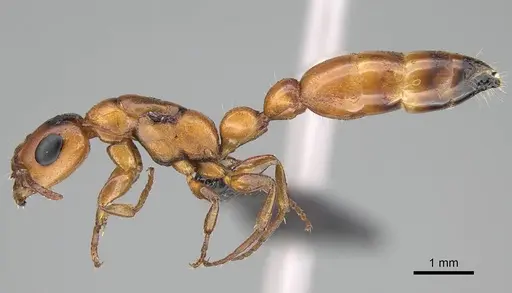
CASENT0822194
View on AntWeb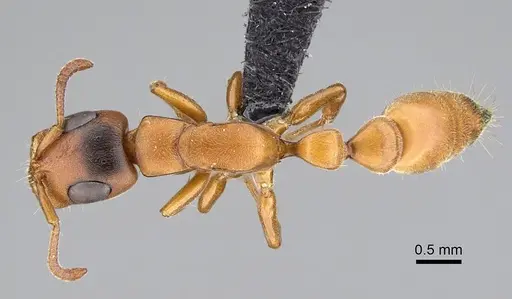
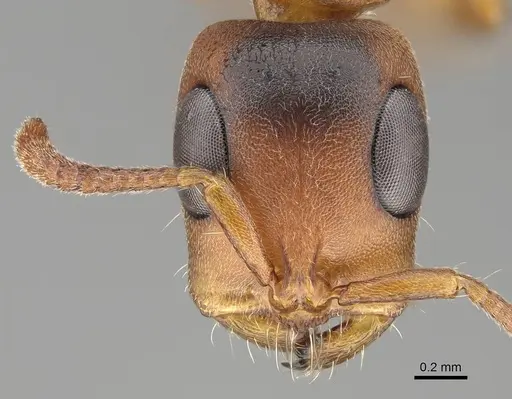
CASENT0822195
View on AntWeb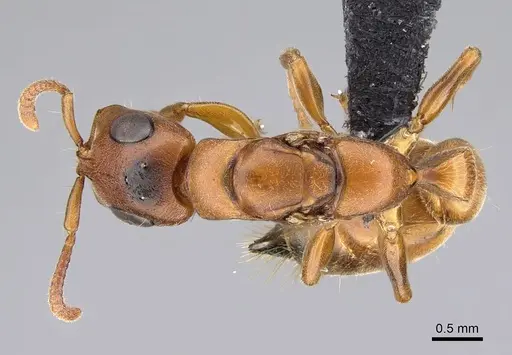
CASENT0822197
View on AntWeb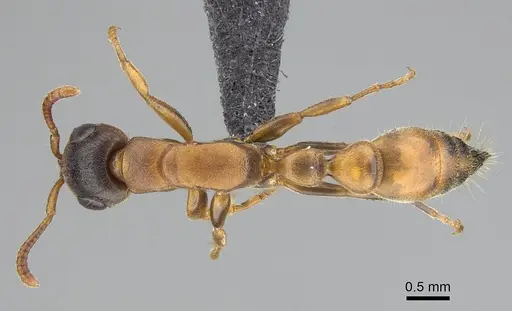
CASENT0915532
View on AntWeb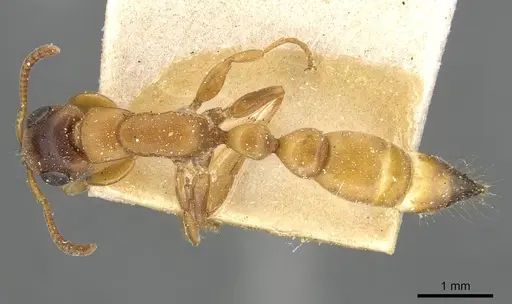
RMCAENT000017746
View on AntWeb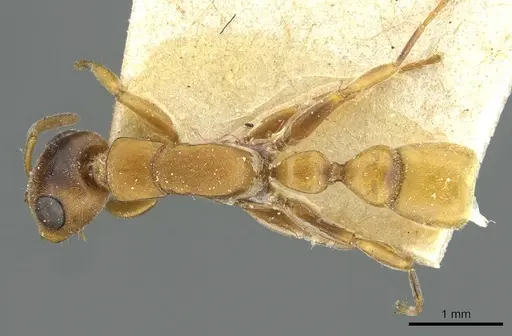
Literature
Loading...Loading products...