

Tetraponera ambigua
- Scientific Name
- Tetraponera ambigua
- Tribe
- Pseudomyrmecini
- Subfamily
- Pseudomyrmecinae
- Author
- Emery, 1895
- Distribution
- Found in 6 countries
Tetraponera ambigua Overview
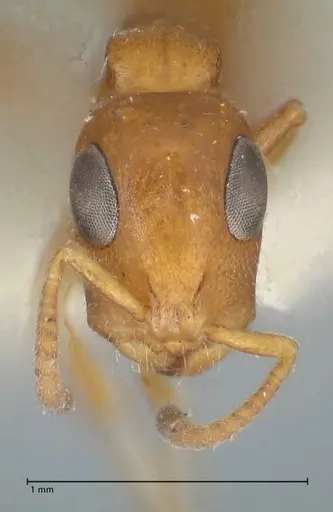
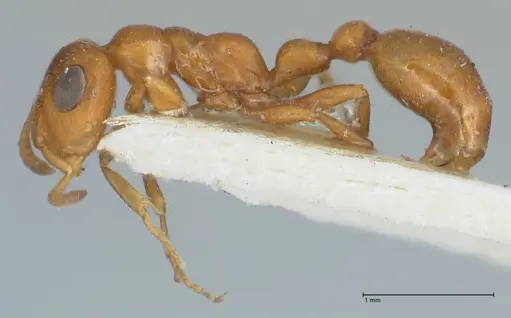
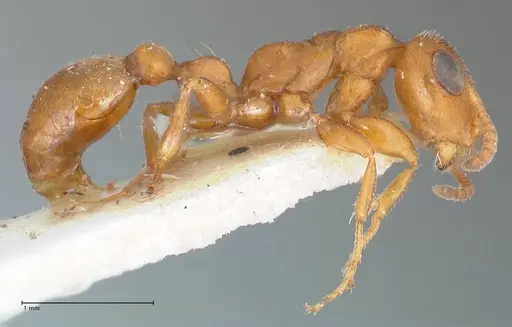
Tetraponera ambigua is an ant species of the genus Tetraponera. It is primarily documented in 6 countries , including Mozambique, Namibia, Saudi Arabia. Detailed taxonomic data and occurrence records can be further explored via authoritative databases such as AntWeb or the Global Biodiversity Information Facility (GBIF).
Tetraponera ambigua - "Ambiguous Slender Ant"
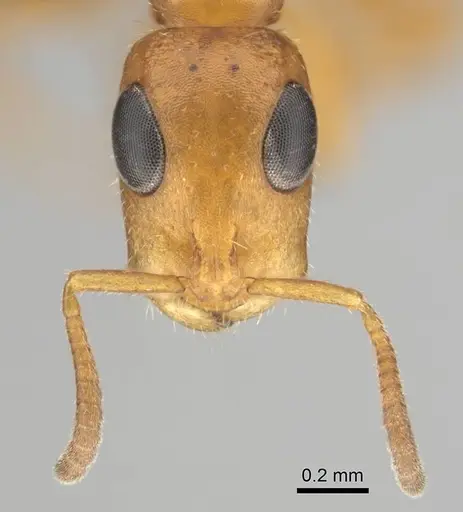
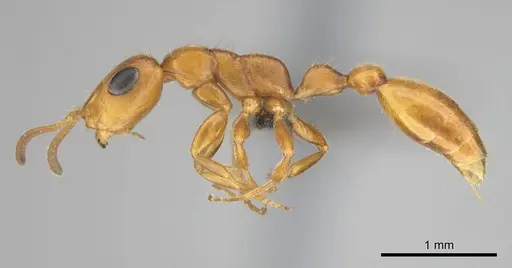
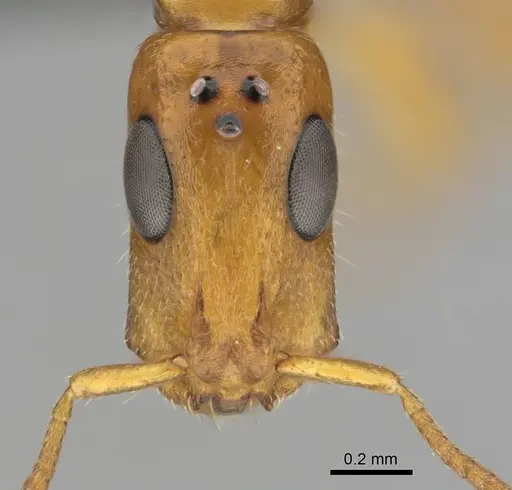
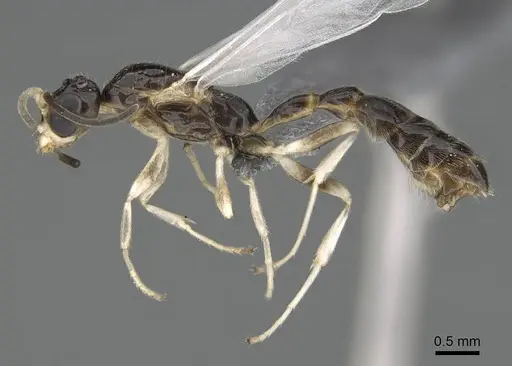
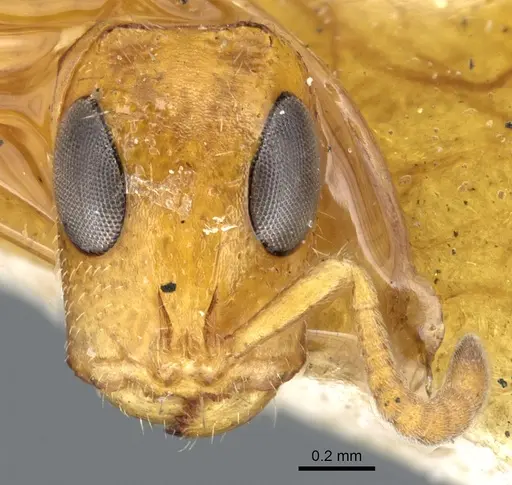
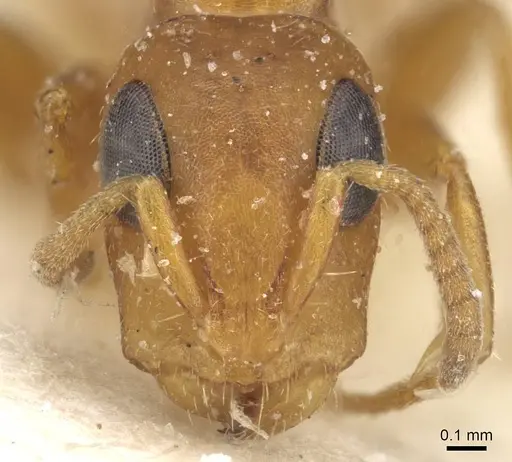
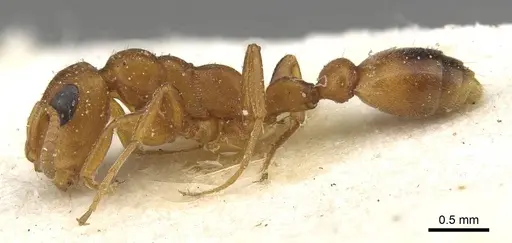
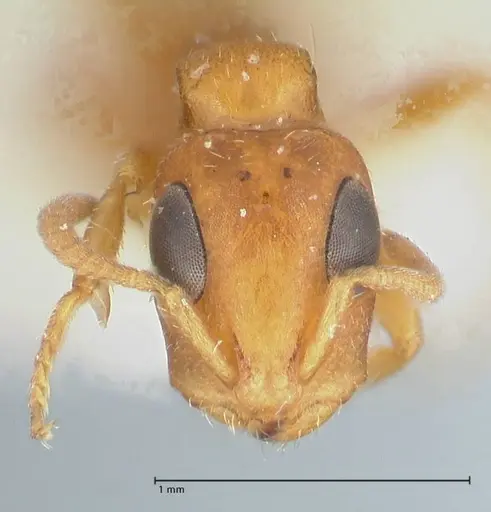
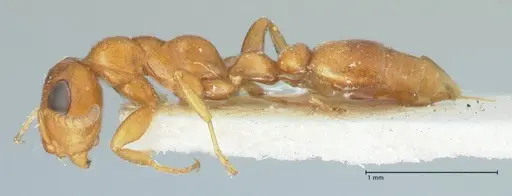
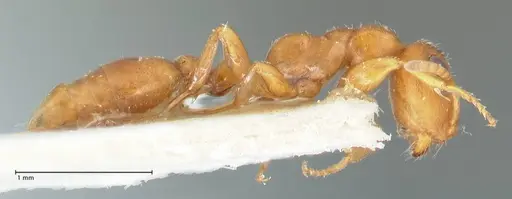
Tetraponera ambigua is a fascinating arboreal ant species, part of the 'slender ant' genus, known for their elongated, sleek bodies. Workers are relatively small, typically ranging from 0.61 to 0.71 mm in head width, with small eyes and a somewhat flattened mesosoma profile. A notable characteristic of the T. ambigua group is their dimorphic worker caste, meaning they have both minor and major workers, which is unusual for their subfamily, Pseudomyrmecinae. These ants are known to inhabit dead twigs and branches, and they possess a potent sting.
- Difficulty: Medium
- Origin & Habitat: Africa, Arabian Peninsula, and Madagascar in Semi-arid environments, rainforest edges, nesting within dead twigs, branches, or pre-existing insect-bored cavities in plants..
- Colony Type: Polygyne (multiple queens), semi-claustral (queen forages with early workers) founding.
- Size & Growth:
- Queen: 1.0-1.5mm
- Worker: 0.6-1.0mm
- Colony: Medium (thousands). Medium to Fast growth.
- Antkeeping:
- Temperature: Maintain temperatures between 25-29°C for optimal growth and activity. Consistent warmth is beneficial for their development..
- Humidity: A humidity gradient is crucial, with parts of the nest ranging from 60-80%. They naturally inhabit rotting wood, which retains moisture..
- Diapause: Not required. Not specified at Not specified.
- Nesting: As arboreal nesters, they thrive in setups mimicking hollow twigs or branches. Suitable artificial nests include acrylic, 3D printed designs, or Ytong. Avoid nests made entirely of natural wood as they can chew through it, and ensure good humidity retention..
- Behavior: High (towards handler, food or other ants) aggressiveness.
- Common Issues: Escape artists (can chew through soft nest materials), Humidity fluctuations (require consistent moisture gradient), Queen stress during founding (semi-claustral needs early feeding).
One of the most distinguishing features of Tetraponera ambigua and its relatives within the T. ambigua group is their arboreal lifestyle. In the wild, these ants are experts at making homes inside hollow structures found in plants, like dead twigs and branches. This specialized nesting habit means that when you're setting up a formicarium for them, you'll want to think 'vertical' and 'enclosed' rather than deep soil or open trays. Offering them sections of natural, rotting wood or specifically designed arboreal setups will make them feel right at home.
These ants are known for their defensive prowess. When an intruder, be it a curious insect or even a larger animal, approaches their host plant or nest, Tetraponera ambigua workers are quick to respond. They utilize a strong grip and can deliver a painful sting to deter threats. This assertive behavior is a key part of their survival strategy in nature, where they protect their plant homes from herbivores.
A fascinating biological aspect of Tetraponera ambigua is the presence of gut symbionts. These specialized bacteria allow the ants to efficiently digest certain amino acid-deficient foods provided by their host plants, especially vital for species that heavily rely on plant-derived sustenance. While not strictly myrmecophytic in the same way as some other Tetraponera species (which form intricate mutualisms with specific plants), this adaptability in digestion highlights their strong connection to their arboreal environment and plant-based resources.
Keepers should be aware of their material-chewing capabilities. While they typically nest in pre-existing cavities, given enough time and motivation, Tetraponera ambigua can potentially chew through softer nest materials. It's advisable to use durable materials like acrylic, glass, or hard plastics for their primary nest to prevent escapes. Ensuring all connections are secure and any ventilation holes are adequately screened will minimize the risk of them finding a way out of your setup.
Frequently Asked Questions
What is unique about Tetraponera ambigua workers?
The most unique feature for Tetraponera ambigua within its subfamily, Pseudomyrmecinae, is having a dimorphic worker caste, meaning colonies contain both smaller minor workers and larger major workers, often specialized for different tasks.
Are Tetraponera ambigua good for beginners in antkeeping?
Tetraponera ambigua is generally considered a 'Medium' difficulty species. While not exceptionally challenging, their arboreal nesting requirements, need for specific humidity, potent sting, and tendency to be escape artists make them less ideal for absolute beginners. They're best for keepers with some prior experience.
What type of nest is best for Tetraponera ambigua?
Since these are arboreal ants, they thrive in nests designed to mimic hollow twigs or branches. Acrylic, 3D printed nests with appropriate designs, or Ytong setups can work well. It's crucial to ensure a good humidity gradient within the nest and to avoid soft wooden nests, as they can chew through them.
Do Tetraponera ambigua sting?
Yes, Tetraponera ambigua workers possess a potent sting. They are known for being quite aggressive in defending their nest and territory. Keepers should exercise caution and use appropriate tools when interacting with their colony to avoid stings.
What should I feed my Tetraponera ambigua colony?
Like many ant species, Tetraponera ambigua needs a balanced diet of sugars for energy and protein for colony growth. You can offer sugar water, honey, or fruit for sugars, and small feeder insects (like roaches, crickets, or mealworms) for protein. Given their natural mutualisms, they might also benefit from various types of plant exudates.
Do Tetraponera ambigua need a hibernation period (diapause)?
No, Tetraponera ambigua does not typically require a diapause or hibernation period. Hailing from warmer regions of Africa and the Arabian Peninsula, they are accustomed to consistent temperatures and activity year-round, making them an excellent choice for continuous observation.
How large can a Tetraponera ambigua colony get?
While specific numbers for T. ambigua can vary, other Tetraponera species can reach colony sizes in the thousands. Given their polygyne nature (multiple queens), established colonies can grow to a medium to large size, potentially numbering several thousand workers.
Are Tetraponera ambigua prone to escaping?
Yes, Tetraponera ambigua can be quite adept at escaping, especially if their nest material is soft or if there are any small gaps. Their slender bodies and ability to chew through some materials necessitate very secure setups with appropriate barriers and tightly sealed connections.

This caresheet is licensed under CC BY-SA 4.0 .
CASENT0217586
View on AntWeb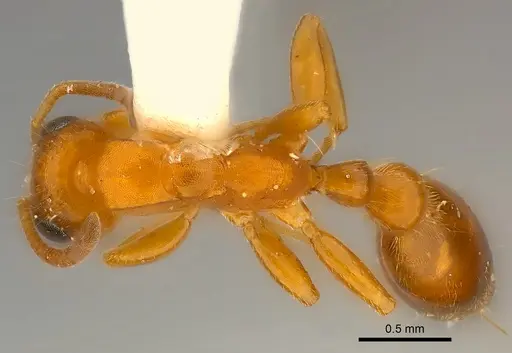
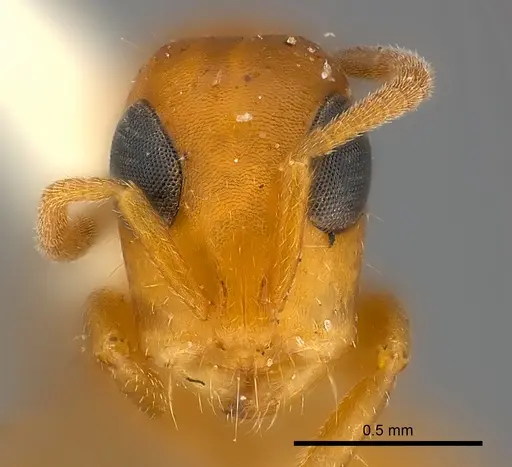
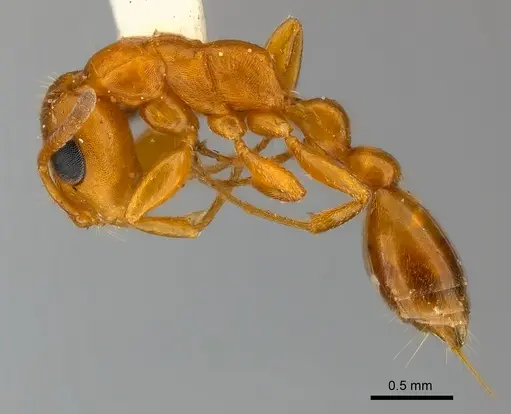
CASENT0235821
View on AntWeb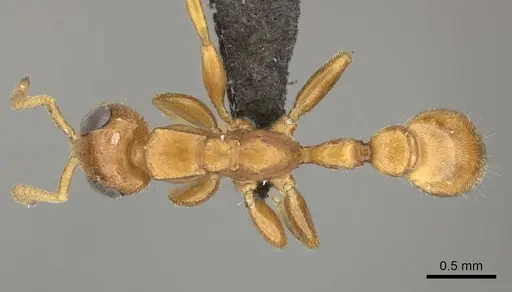
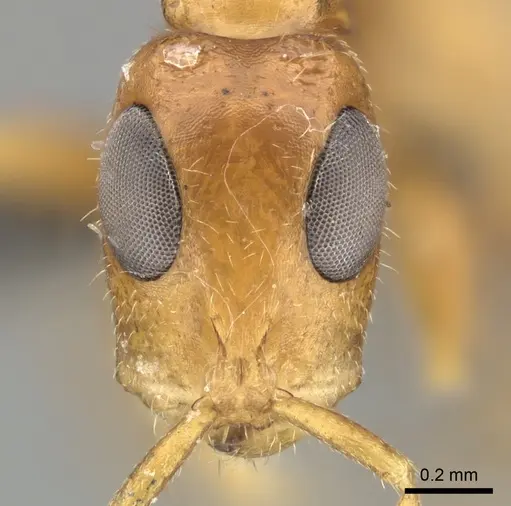
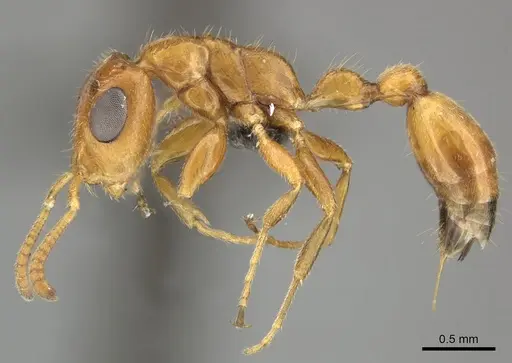
CASENT0249824
View on AntWeb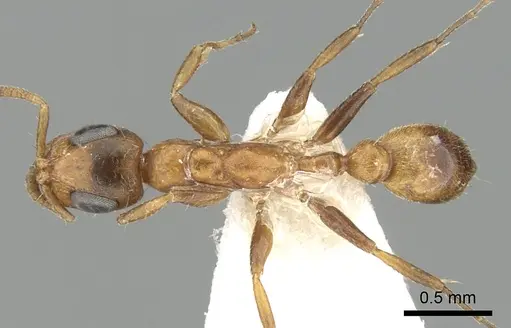
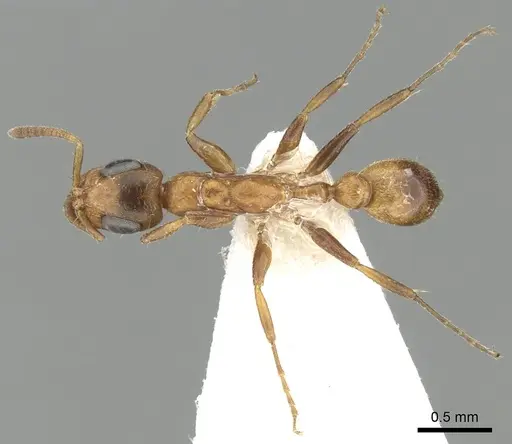
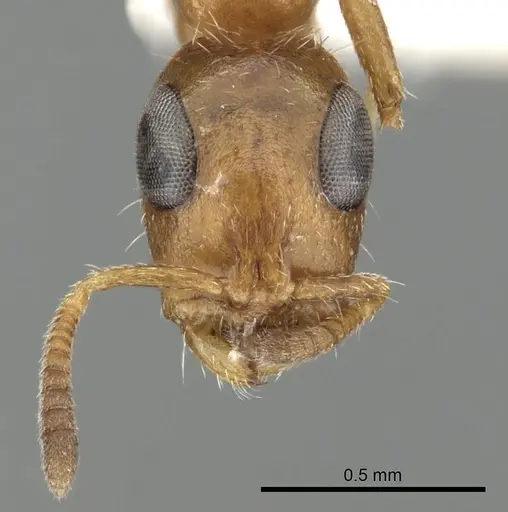
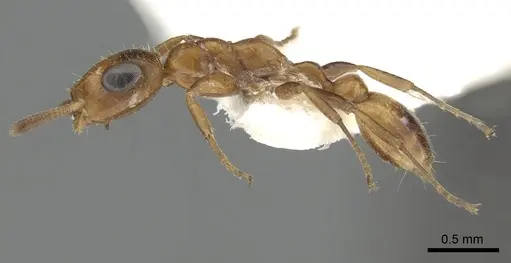
CASENT0257172
View on AntWeb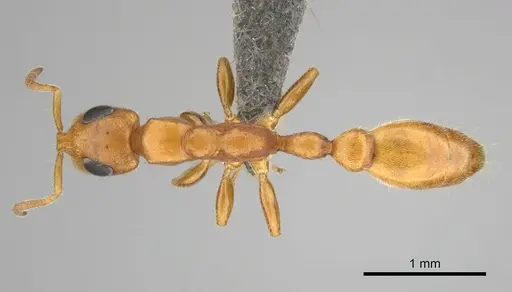
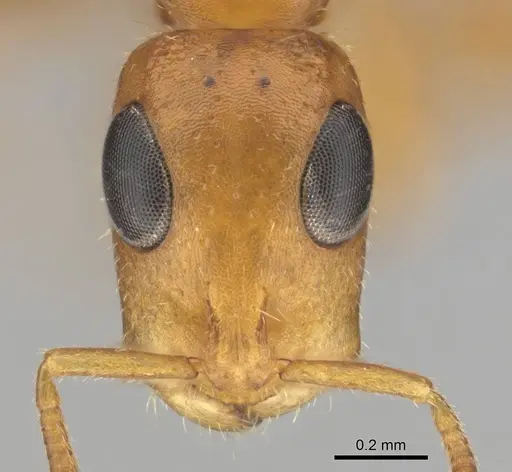
CASENT0257308
View on AntWeb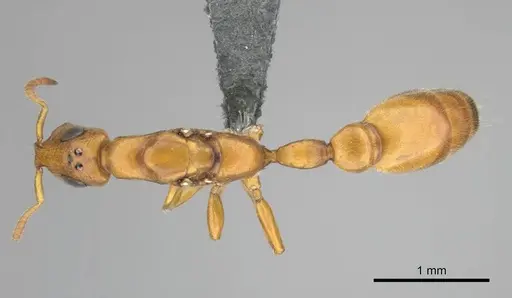
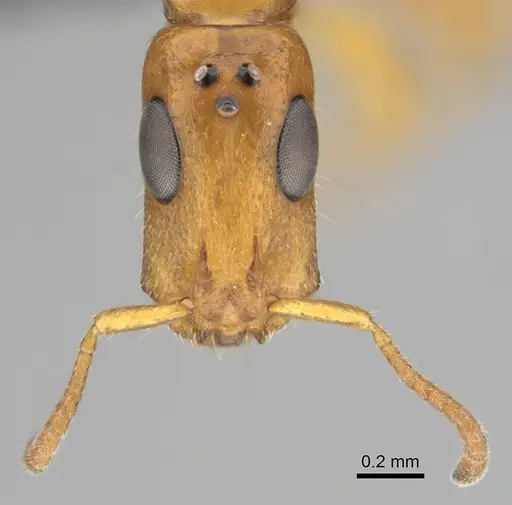
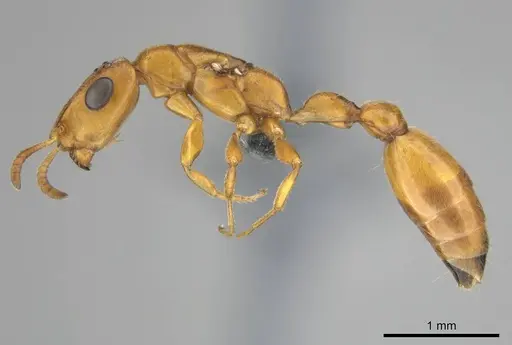
CASENT0770305
View on AntWeb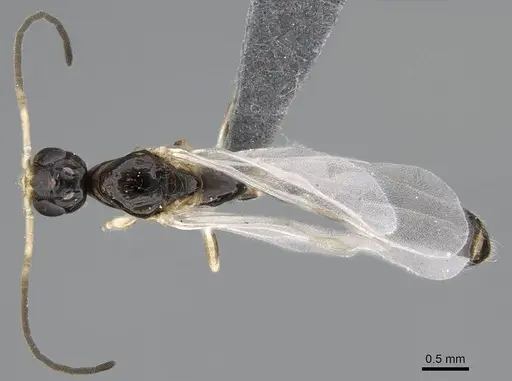
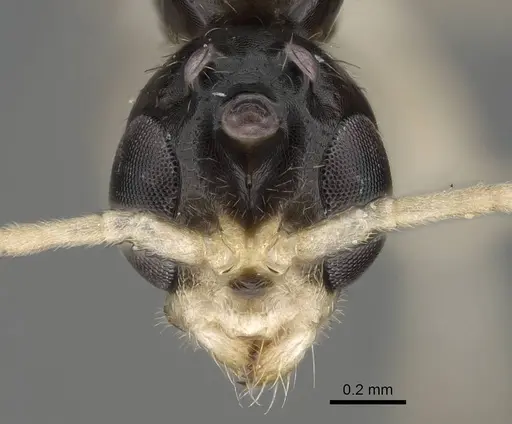
CASENT0902814
View on AntWeb
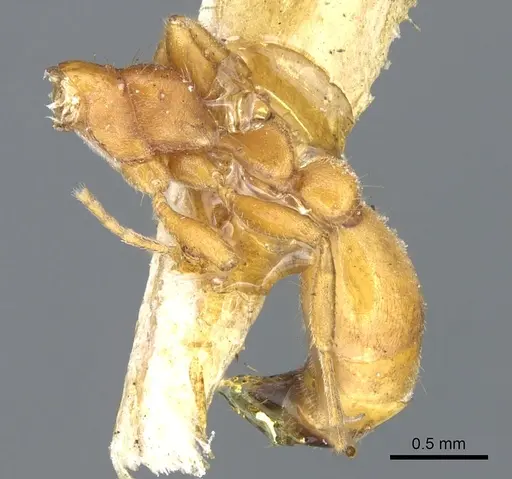
CASENT0904033
View on AntWeb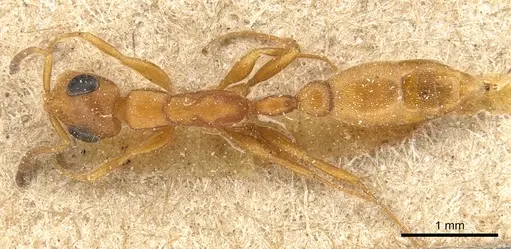
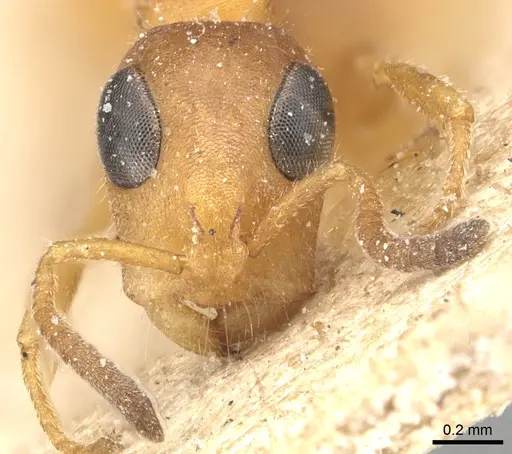
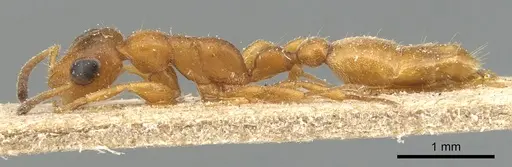
CASENT0904034
View on AntWeb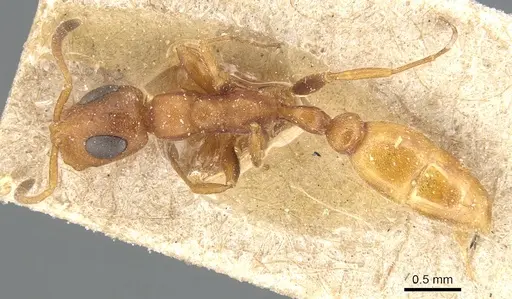
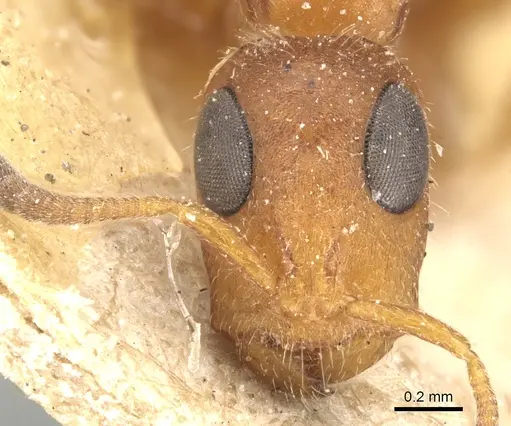
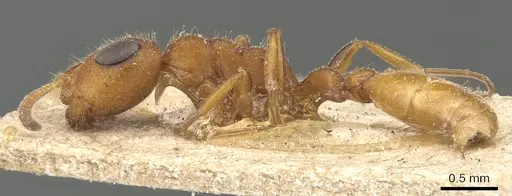
CASENT0906480
View on AntWeb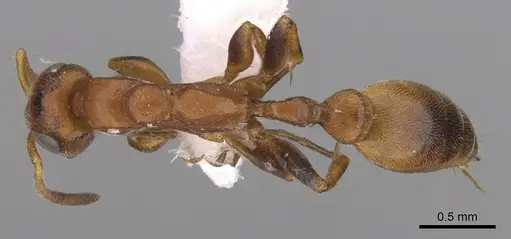
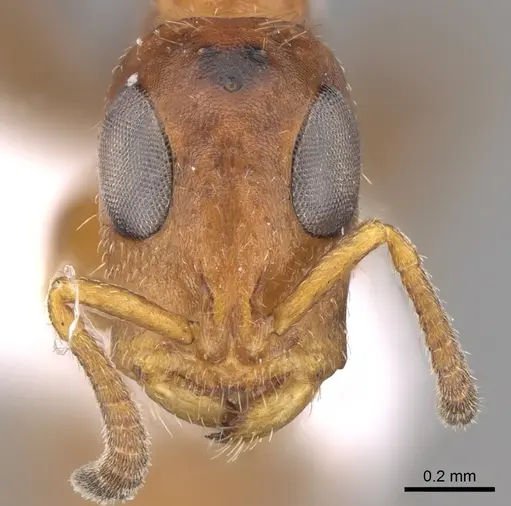
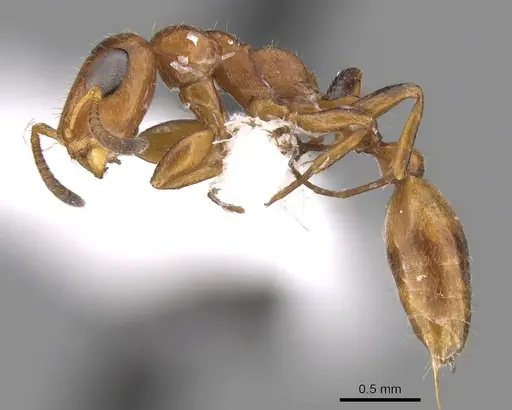
CASENT0907469
View on AntWeb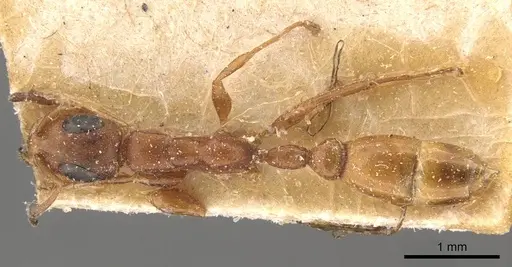
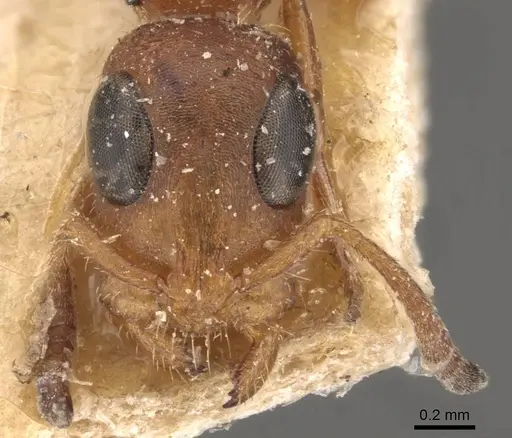
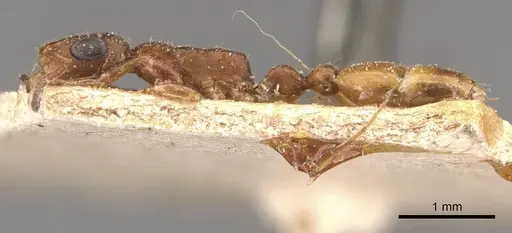
CASENT0915525
View on AntWeb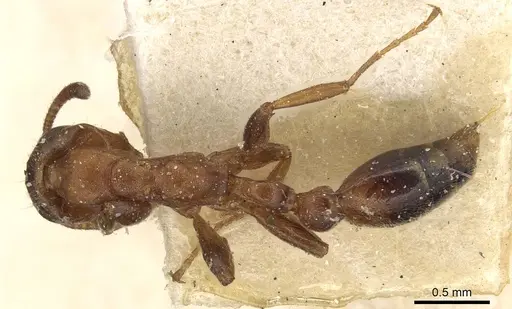
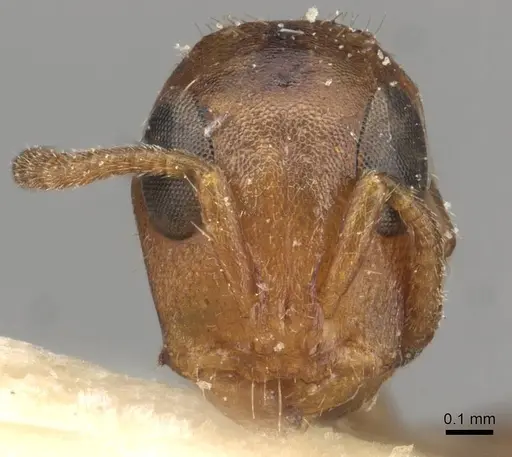
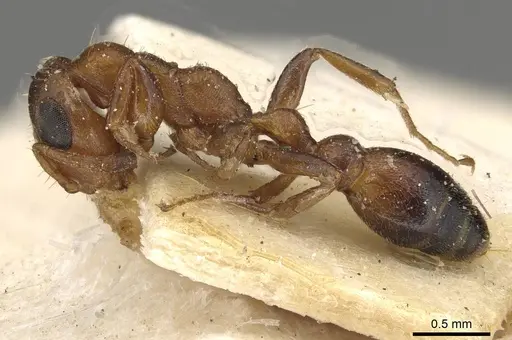
CASENT0915526
View on AntWeb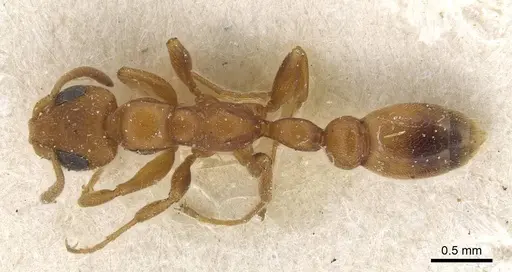
CASENT0915528
View on AntWeb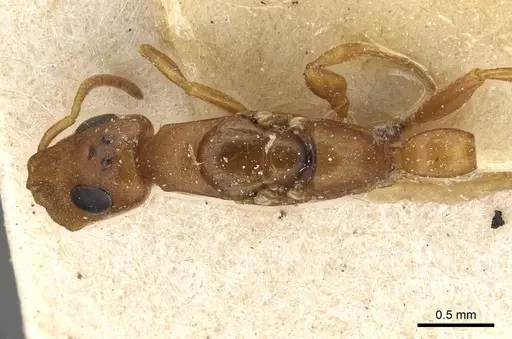
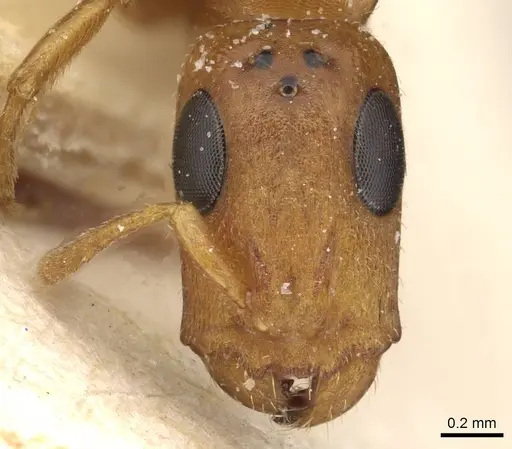
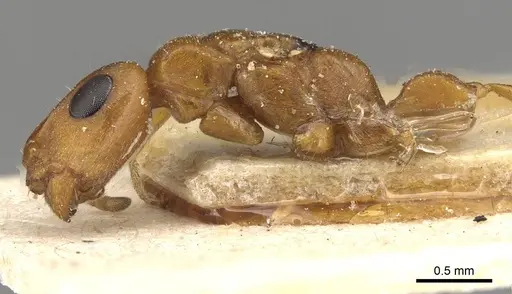
CASENT0915536
View on AntWeb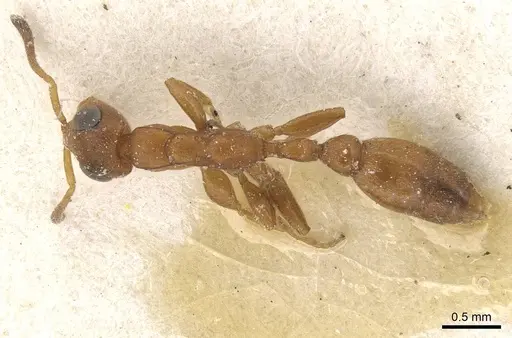
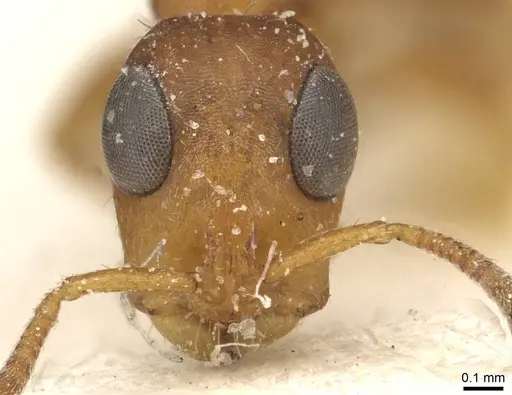
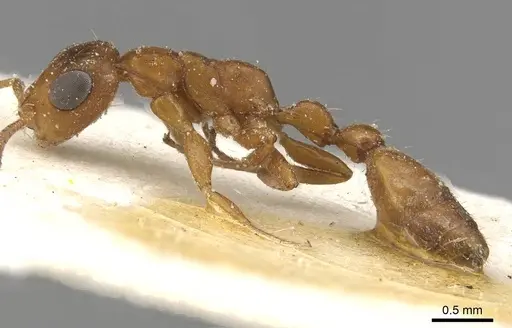
CASENT0915849
View on AntWeb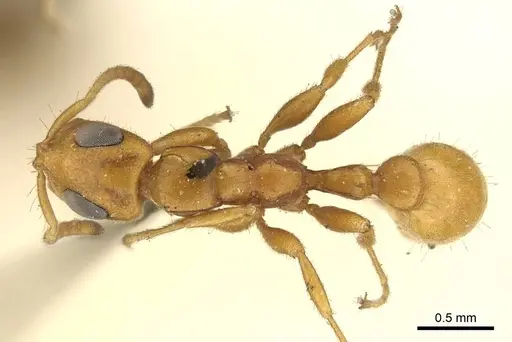
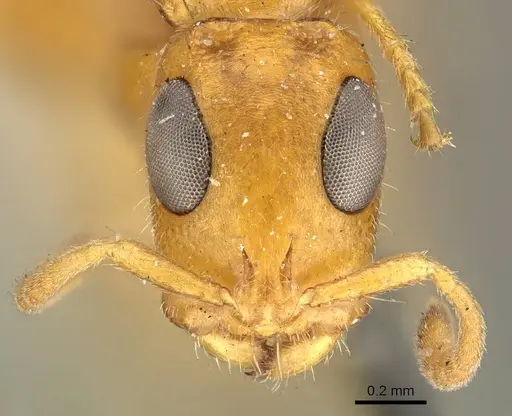
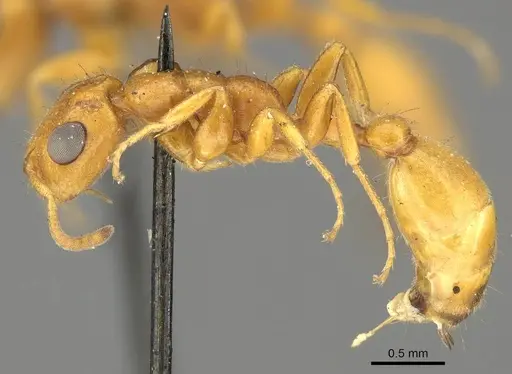
FOCOL1169
View on AntWeb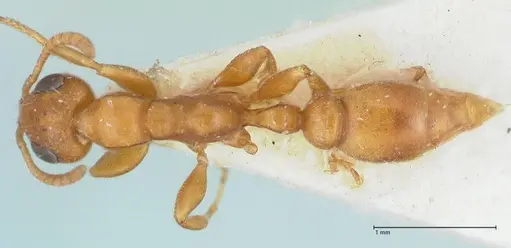
FOCOL1170
View on AntWeb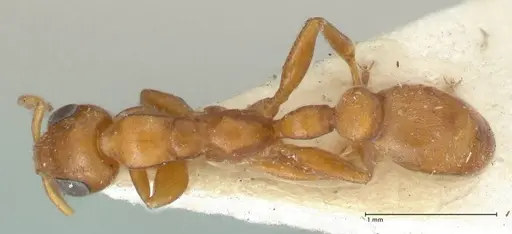
Literature
Loading...Loading products...