

Tetramorium wroughtonii
- Scientific Name
- Tetramorium wroughtonii
- Tribe
- Crematogastrini
- Subfamily
- Myrmicinae
- Author
- Forel, 1902
- Distribution
- Found in 9 countries
Tetramorium wroughtonii Overview
Tetramorium wroughtonii is an ant species of the genus Tetramorium. It is primarily documented in 9 countries , including Australia, China, Hong Kong. Detailed taxonomic data and occurrence records can be further explored via authoritative databases such as AntWeb or the Global Biodiversity Information Facility (GBIF).
Tetramorium wroughtonii
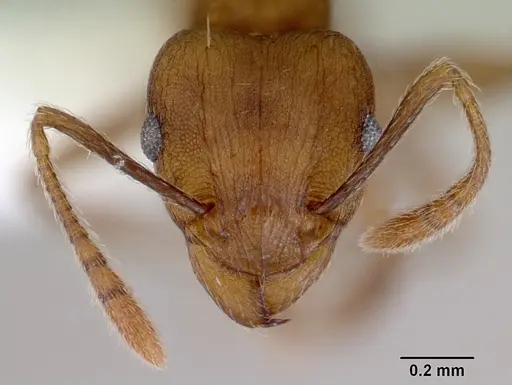
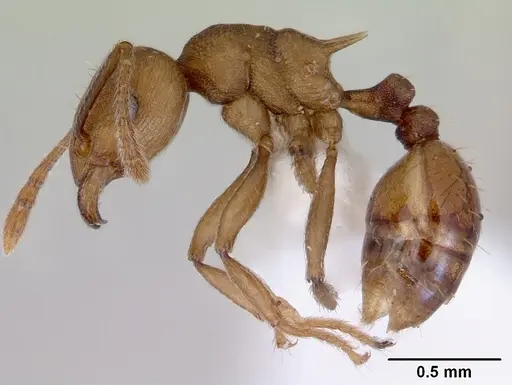
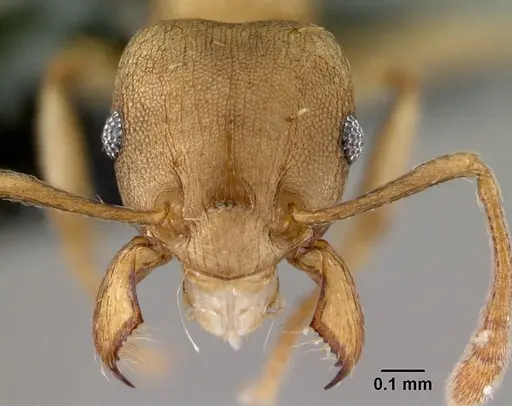
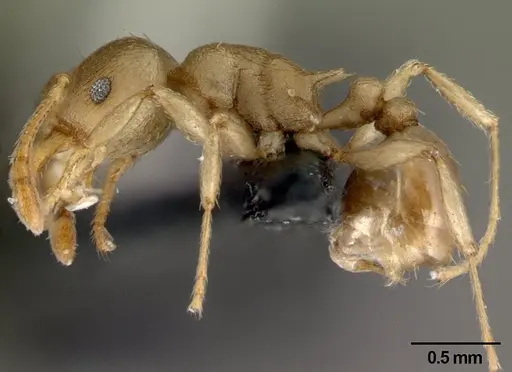
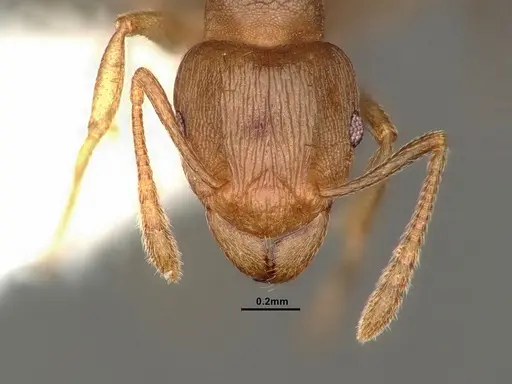
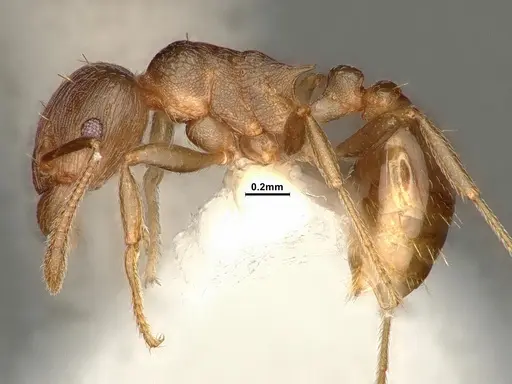
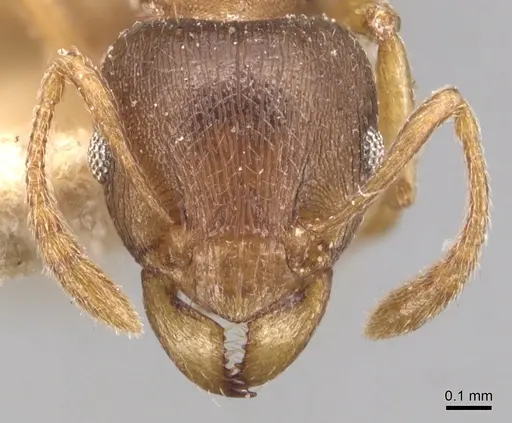
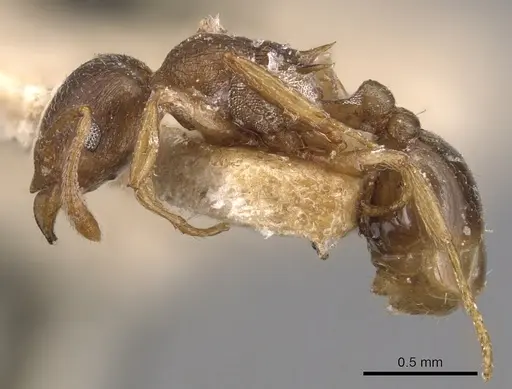
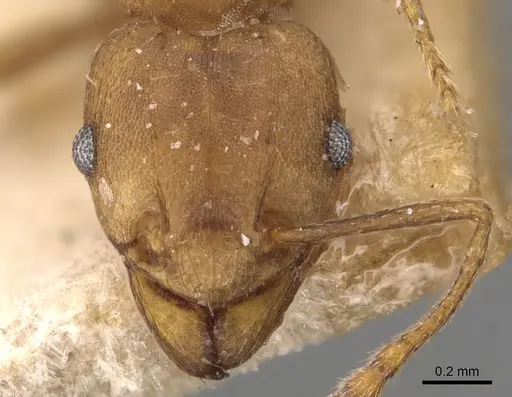
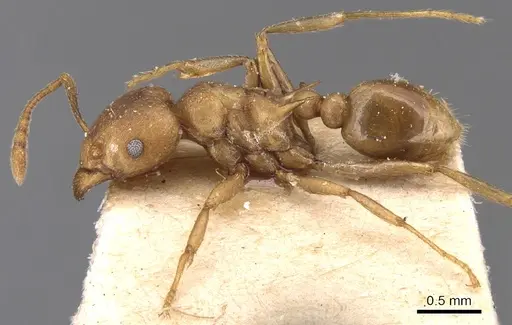
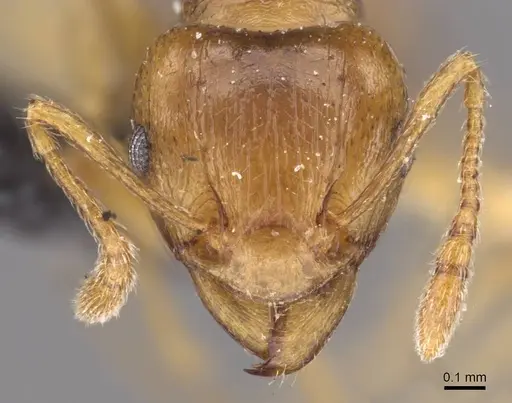
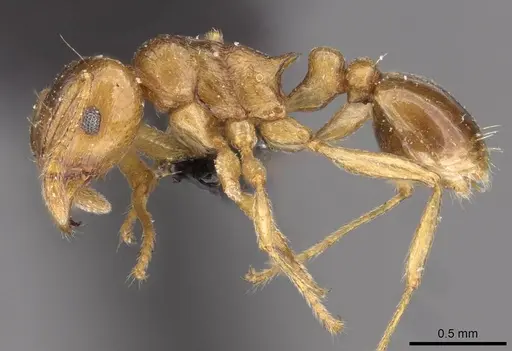
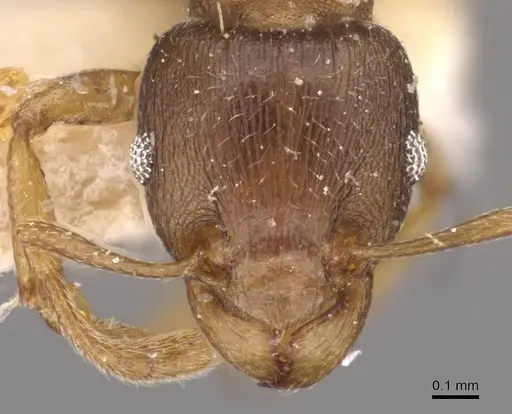
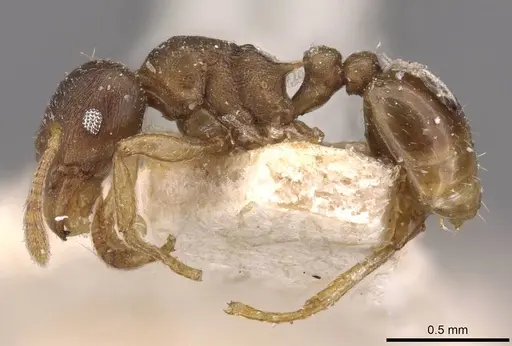
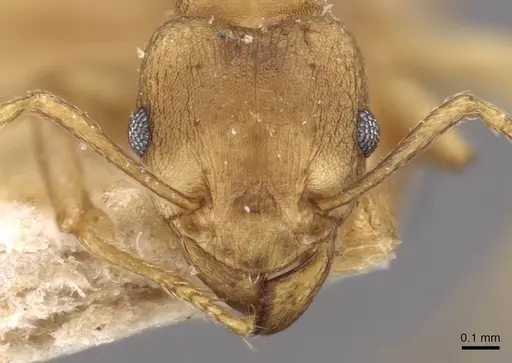
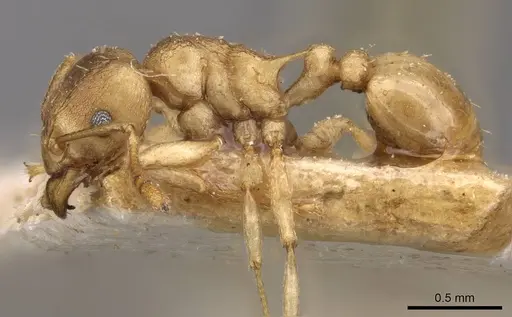
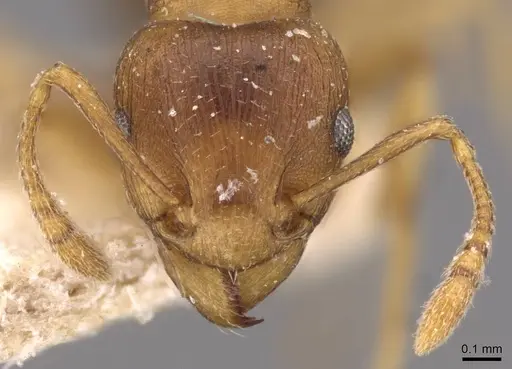
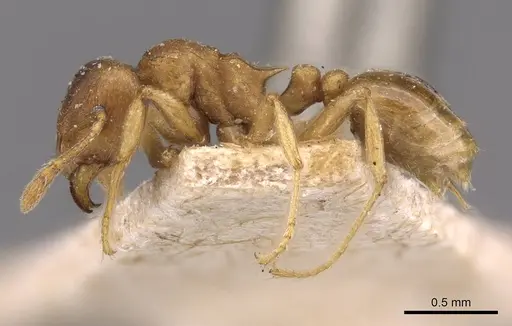
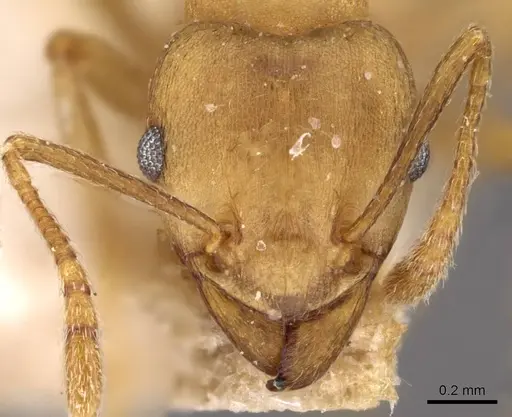
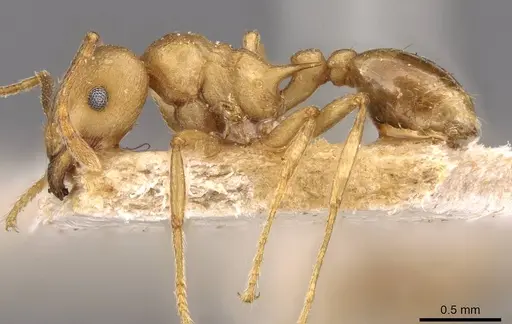
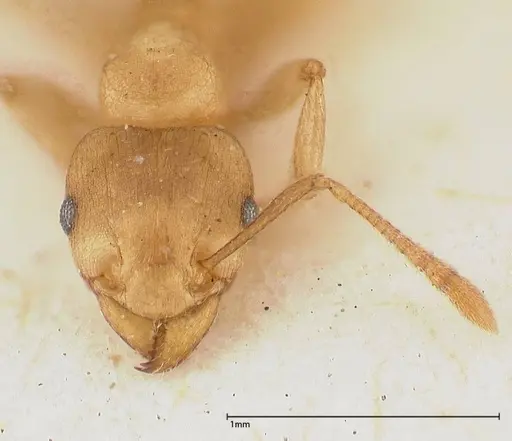
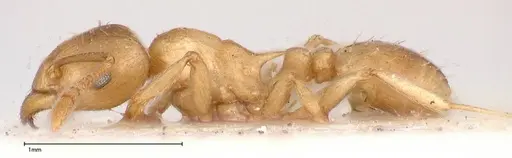
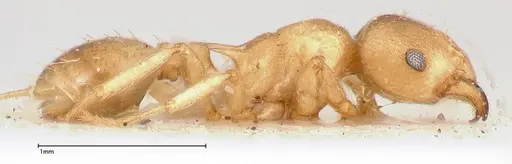
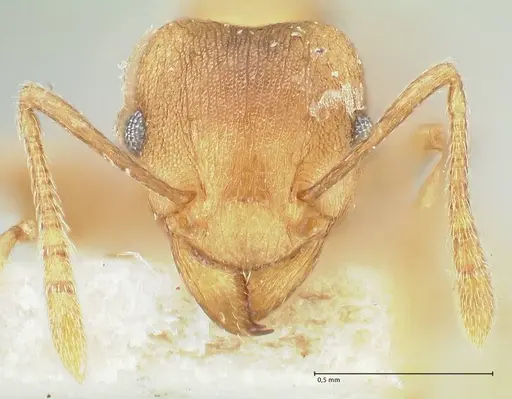
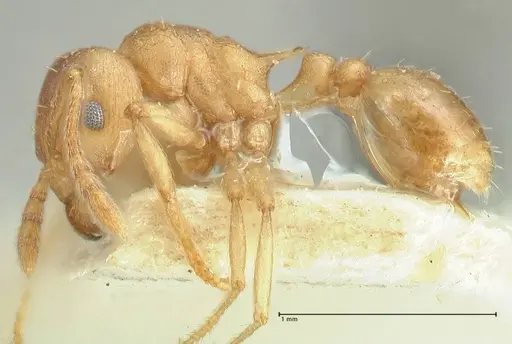
Tetramorium wroughtonii is a small to medium-sized myrmicine ant originally described as Tetramorium wroughtonii before being reclassified into the genus Tetramorium in 2015 [1]. Workers measure 2.5-3.6mm with a brownish-yellow to dark brown coloration, and feature distinctive dense longitudinal striations on the head and mesosoma [2][3]. The species belongs to the Tetramorium melleum group and is now recognized as a likely complex of multiple cryptic species across its range from India through Southeast Asia to Australia [4][5]. This ant inhabits leaf litter in lowland dipterocarp forests and disturbed areas, making it a common find in secondary forests and rubber plantations [6].
One of the most interesting aspects of T. wroughtonii is its mutualistic relationships with other organisms. In nature, these ants attend lac insects and have been observed tending lycaenid butterfly caterpillars, demonstrating a trophobiotic lifestyle typical of some tropical myrmicines [7][8]. They patrol plant shoots seeking honeydew and show minimal aggression toward myrmecophilous caterpillars, making them a peaceful partner in mutualistic interactions.
Quick Summary
- Difficulty: Medium
- Origin & Habitat: Native to the Indomalayan region, ranging from India through Southeast Asia to Australia. Found across southern China (Yunnan, Sichuan, Hainan, Taiwan), Thailand, Vietnam, Philippines, and Brunei. Inhabits leaf litter in lowland dipterocarp forests, secondary forests, and rubber plantations [5][6].
- Colony Type: Colony structure is unconfirmed. Based on typical Tetramorium patterns, likely single-queen (monogyne) colonies, though this requires direct observation.
- Size & Growth:
- Queen:{.size-link} Unconfirmed, no direct measurements found in available research
- Worker:{.size-link} 2.5-3.6mm [2][3][9]
- Colony: Likely moderate colonies, typical for Tetramorium species, estimated up to several hundred workers based on related species
- Growth: Moderate, inferred from typical Tetramorium development patterns
- Development: 6-10 weeks, estimated based on typical Tetramorium genus development at warm temperatures (Development time is estimated as no specific data exists for this species. Tropical distribution suggests faster development (4-8 weeks) at optimal warm temperatures.)
- Antkeeping:
- Temperature: Keep at 24-28°C, these are tropical/subtropical ants from warm forests. A gentle gradient allowing warmer and cooler areas is ideal. Room temperature in most homes should work well during summer, supplemental heating may be needed in cooler climates.
- Humidity: Moderate to high, they inhabit leaf litter in tropical forests. Keep the nest substrate consistently moist but not waterlogged, with some drier areas available. Think damp forest floor conditions.
- Diapause: Unlikely, being a tropical/subtropical species, they do not require hibernation. However, slight temperature reduction during winter months may slow activity naturally.
- Nesting: These ants naturally nest in leaf litter and rotting wood. In captivity, they do well in naturalistic setups with soil substrates, Y-tong nests, or plaster nests that retain moisture. Provide a deep substrate layer for their litter-dwelling habits.
- Behavior: Tetramorium wroughtonii is a relatively peaceful, non-aggressive species that forages in leaf litter and on low vegetation. They form mutualistic relationships with sap-feeding insects like lac insects and lycaenid caterpillars, attending them for honeydew [7]. Workers are active foragers but not particularly aggressive or territorial. Their small size (under 4mm) means escape prevention requires attention, use fine mesh and tight-fitting barriers. They are not known to be stingers in the traditional sense, as Myrmicinae have functional stingers but their sting is mild.
- Common Issues: escape prevention is critical, their small size allows them to squeeze through tiny gaps, tropical humidity requirements can lead to mold if ventilation is poor, slow founding phase may cause beginners to abandon colonies prematurely, wild-caught colonies may harbor parasites that can devastate captive colonies, overfeeding can attract pests and cause mold problems in the nest
Housing and Nest Setup
For Tetramorium wroughtonii, you'll want to replicate their natural leaf-litter habitat. A naturalistic setup with a deep soil substrate (at least 5-8cm) works well, allowing the ants to create their own tunnels. You can also use Y-tong (AAC) nests or plaster nests, which help maintain the humidity they need. Whatever nest type you choose, ensure it retains moisture well since these ants come from damp forest environments. The outworld should be simple with easy access to food, and because they're small (under 4mm), use fine mesh on any barriers to prevent escapes [2]. A water test tube connected to the nest area helps maintain humidity through evaporation.
Feeding and Diet
In the wild, T. wroughtonii feeds primarily on honeydew from tending sap-feeding insects like lac insects and lycaenid caterpillars, plus small insects and arthropods they find in leaf litter [7][8]. In captivity, offer a varied diet: sugar water or honey as an energy source (they'll readily take this given their mutualistic nature), and protein sources like small crickets, fruit flies, or other tiny insects. Since they're small, prey items should be appropriately sized, no larger than their own body size. Feed sugar sources 2-3 times per week and protein every few days, adjusting based on colony size and consumption. Remove uneaten food promptly to prevent mold.
Temperature and Seasonal Care
Keep your colony at 24-28°C, which matches their tropical to subtropical range across Asia and Australia [5]. They can tolerate slightly cooler temperatures but will be more active and develop faster in warmth. A heating cable on one side of the nest creates a useful temperature gradient. Since they're from regions with minimal seasonal temperature variation, they don't require a true hibernation diapause. However, slight cooling in winter (down to around 20°C) is natural and may slightly slow brood development, this is fine and mimics their natural cycle. Avoid temperatures below 18°C for extended periods.
Humidity Management
These ants need moderate to high humidity matching their leaf-litter forest habitat. Keep the nest substrate consistently moist, it should feel damp but not have standing water. A moisture gradient with wetter and slightly drier areas lets the ants choose their preferred zone. In naturalistic setups, mist the substrate occasionally and allow it to dry partially between waterings. Watch for condensation on nest walls, which indicates good humidity. However, balance humidity with adequate ventilation to prevent mold, which can kill colonies. Poor ventilation combined with excessive moisture is one of the most common killers of captive ant colonies. [5][6]
Colony Development and Growth
Starting a new colony requires patience. A newly mated queen will typically seal herself in a small chamber (claustral founding is typical for Tetramorium, though not confirmed for this specific species). She'll lay eggs and raise the first workers (nanitics) on her stored energy reserves. The first brood may take 6-10 weeks to develop into workers at optimal temperatures. Once the first workers emerge, the colony enters a growth phase. Expect moderate growth rates, colonies likely reach several hundred workers over 1-2 years under good conditions. The key to success is not disturbing the queen during founding and providing stable conditions. Many beginners fail by checking too frequently or by not maintaining proper humidity and temperature. [2][3]
Behavior and Observation
Tetramorium wroughtonii workers are active foragers that search through leaf litter and low vegetation. They're not particularly aggressive and typically flee rather than fight when threatened. One of the most fascinating behaviors to observe is their mutualism with other insects, in captivity, you might see them tending honeydew sources if offered. They communicate through chemical trails and can recruit nestmates to food sources. Watch for their distinctive striated head and mesosoma, which helps identify them. Their small size makes them less conspicuous than larger ants, but their activity patterns and foraging behavior make them engaging pets. [7][8][2]
Common Problems and Solutions
The biggest challenge with T. wroughtonii is escape prevention, at 2.5-3.6mm, they can slip through gaps that would hold larger ants. Use fluon on test tube rims and fine mesh on any openings. Mold is another major issue, it thrives in the humid conditions these ants need. Prevent it by ensuring some ventilation and removing uneaten food promptly. Slow colony growth frustrates some keepers, but this is normal, don't overfeed or disturb the nest trying to speed things up. Finally, wild-caught colonies may carry parasites. Quarantine and observe new colonies for several weeks before introducing them to established setups. If workers die in large numbers, check for mold, parasites, or temperature extremes.
Frequently Asked Questions
How long does it take for Tetramorium wroughtonii to produce first workers?
Expect 6-10 weeks from egg to first worker at optimal temperatures (24-28°C). This is typical for Tetramorium species and matches their tropical distribution. The queen seals herself in during founding and raises the first brood alone, so be patient and avoid disturbing the nest during this critical period.
Do Tetramorium wroughtonii ants sting?
As Myrmicinae, they have a functional stinger, but their sting is mild and they are not aggressive. These ants are generally peaceful and prefer to flee rather than fight. They are safe to handle and unlikely to sting unless directly provoked.
What do Tetramorium wroughtonii eat?
They feed on sugar sources (honeydew, sugar water, honey) and protein (small insects like fruit flies, pinhead crickets, or other tiny arthropods). In nature, they attend lac insects and lycaenid caterpillars for honeydew, so they readily accept sweet liquids.
Can I keep Tetramorium wroughtonii in a test tube?
Yes, test tubes work well for founding colonies and small colonies. Use a water reservoir setup to maintain humidity. However, because they're small, ensure excellent escape prevention, apply fluon to the cotton barrier and use fine mesh on any coverings. As the colony grows, you may need to move them to a larger formicarium.
Do Tetramorium wroughtonii need hibernation?
No, they don't require hibernation. Being a tropical/subtropical species from Asia and Australia, they remain active year-round in warm conditions. You can slightly reduce temperatures in winter (to around 20°C), but this is optional and they do fine at room temperature.
How big do Tetramorium wroughtonii colonies get?
Based on related Tetramorium species, colonies likely reach several hundred workers over 1-2 years under good conditions. They are not among the largest Tetramorium species but can still form substantial colonies.
Are Tetramorium wroughtonii good for beginners?
They are moderate difficulty, not the easiest but not challenging either. Their small size and humidity needs require attention, but they are peaceful and don't have extreme temperature requirements. Beginners willing to monitor humidity and escape prevention can succeed with this species.
Why are my Tetramorium wroughtonii dying?
Common causes include: poor escape prevention (they're tiny), mold from excessive humidity without ventilation, temperature extremes (too cold slows them drastically), or parasites from wild-caught colonies. Check your setup for these issues. A few workers dying is normal, mass deaths indicate a problem.
When should I move my colony to a formicarium?
Move to a larger nest when the test tube becomes crowded or the colony reaches around 50-100 workers. This is typically after 6-12 months. Make sure the new setup maintains similar humidity levels to reduce stress during the transition.
Can I keep multiple Tetramorium wroughtonii queens together?
Combining unrelated queens is not recommended, this has not been studied for this species and queens typically fight. If you catch multiple founding queens, house them separately. In the wild, they likely establish single-queen colonies like most Tetramorium species.
What temperature is ideal for Tetramorium wroughtonii?
Keep them at 24-28°C. This matches their natural tropical habitat. A slight gradient allowing cooler areas (around 22°C) is beneficial. They can tolerate room temperature (20-24°C) but will be more active and develop faster in the warmer range.
Is Tetramorium wroughtonii invasive anywhere?
No, they are not considered invasive. They are native across their range from India through Southeast Asia to Australia. However, they have been recorded in new areas like Macao as recent as 2021,likely through natural range expansion rather than human introduction [10].
Report an Issue
The current care sheet is based fully on literature. See inconsistencies, or something that's incorrect? Please , it will be resolved after review from an admin. Contributing to the blogs tab also helps providing information, to make us be able to further improve the caresheets. Thank you for your support!
References

This caresheet is licensed under CC BY-SA 4.0 .
CASENT0172463
View on AntWeb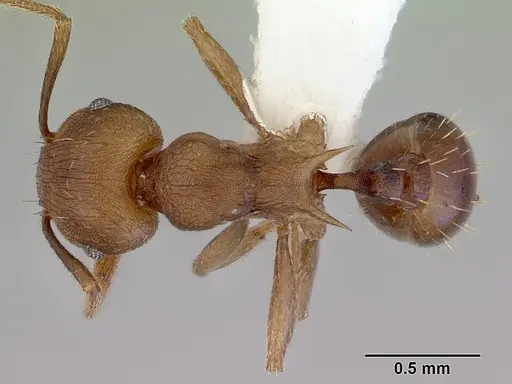
CASENT0179659
View on AntWeb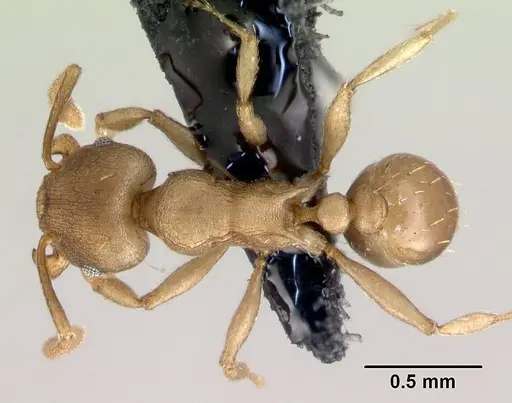
CASENT0202144
View on AntWeb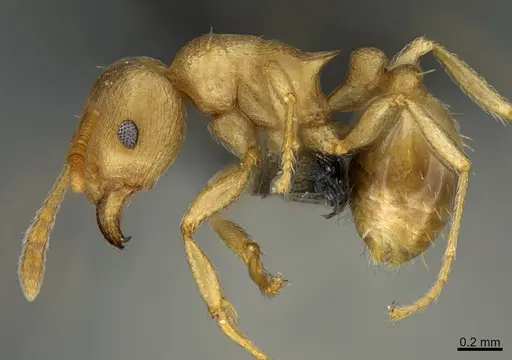
CASENT0884334
View on AntWeb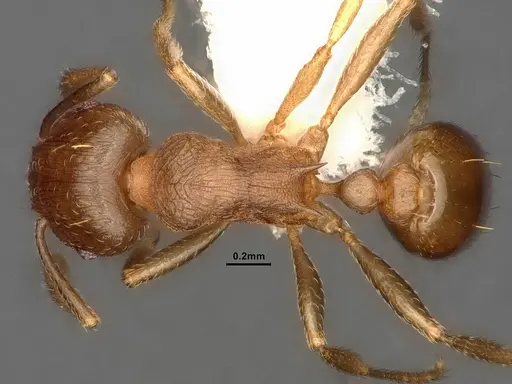
CASENT0904860
View on AntWeb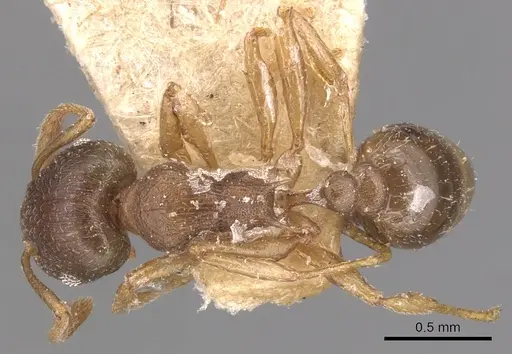
CASENT0904861
View on AntWeb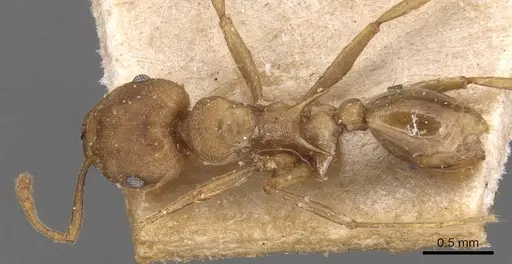
CASENT0909204
View on AntWeb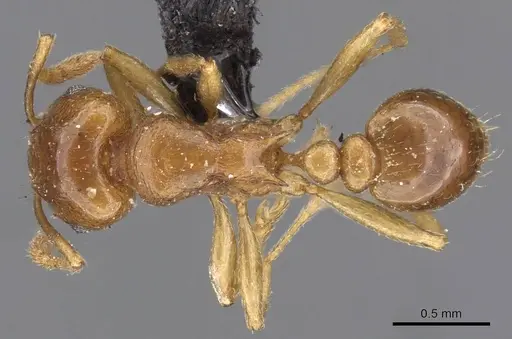
CASENT0909205
View on AntWeb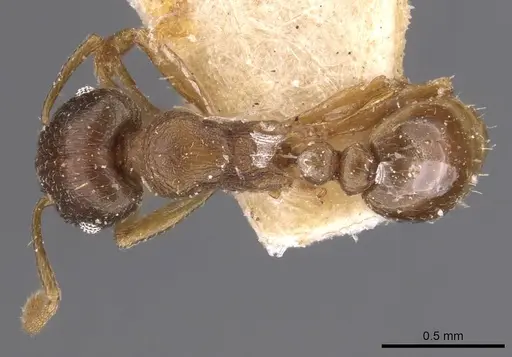
CASENT0909206
View on AntWeb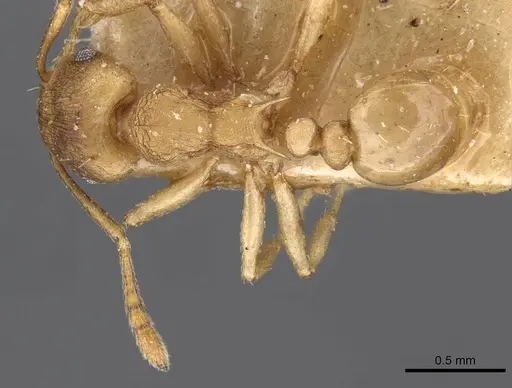
CASENT0909207
View on AntWeb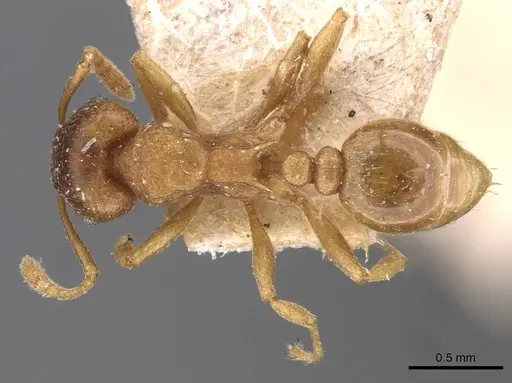
CASENT0909208
View on AntWeb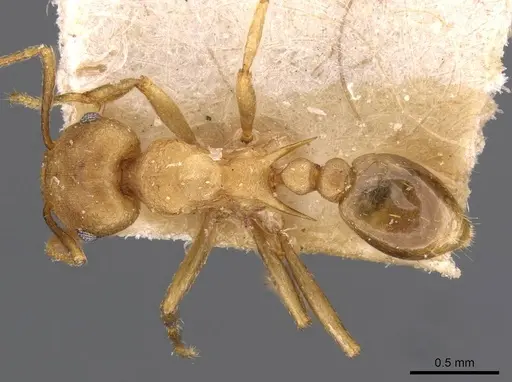
FOCOL0427
View on AntWeb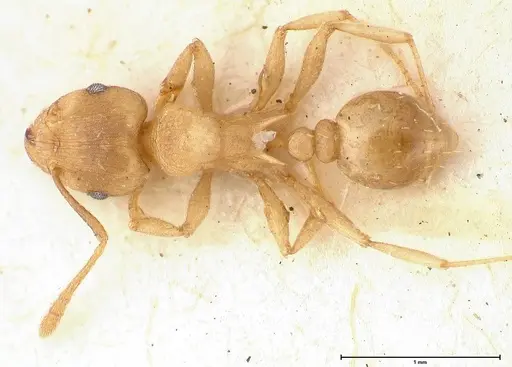
FOCOL2101
View on AntWeb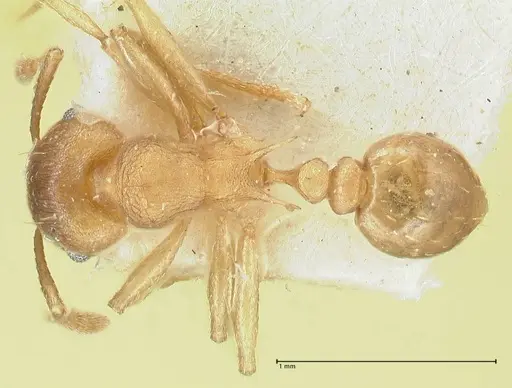
Literature
Loading...Loading products...