

Tetramorium viticola
- Scientific Name
- Tetramorium viticola
- Tribe
- Crematogastrini
- Subfamily
- Myrmicinae
- Author
- Weber, 1943
- Distribution
- Found in 4 countries
Tetramorium viticola Overview
Tetramorium viticola is an ant species of the genus Tetramorium. It is primarily documented in 4 countries , including Central African Republic, Gabon, Kenya. Detailed taxonomic data and occurrence records can be further explored via authoritative databases such as AntWeb or the Global Biodiversity Information Facility (GBIF).
Tetramorium viticola - "Vineyard Ant"
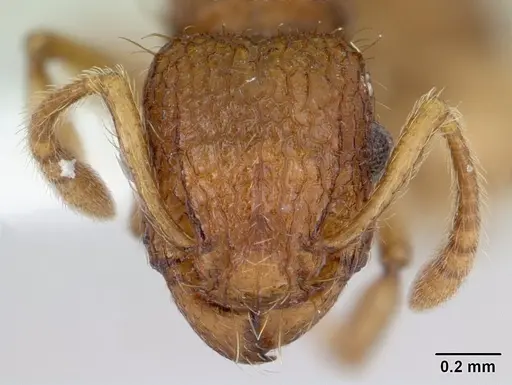
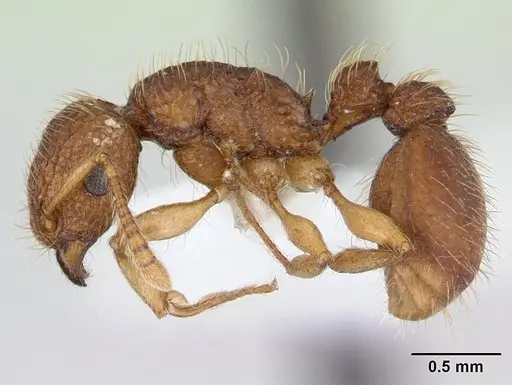
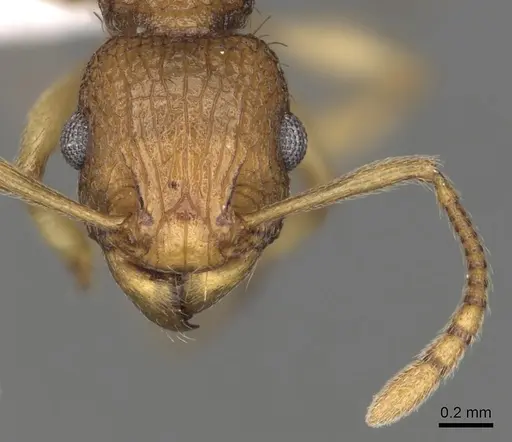
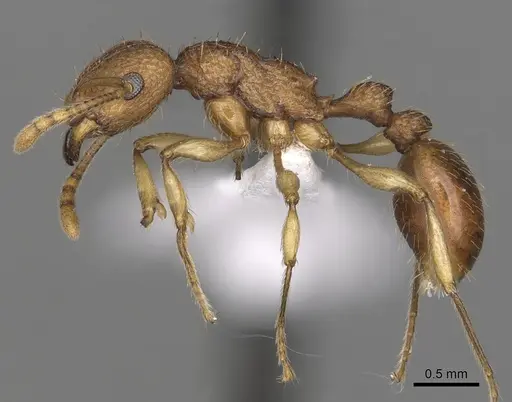
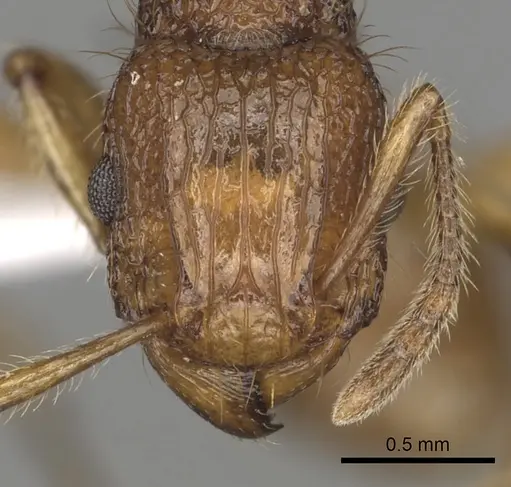
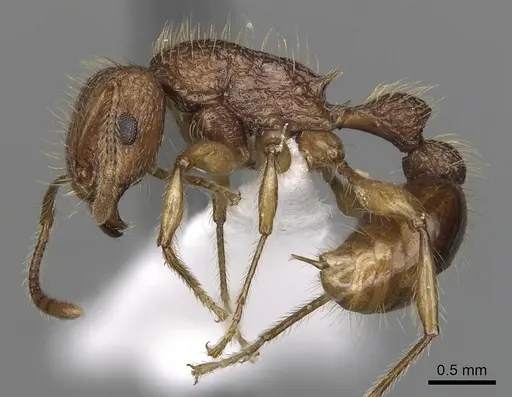
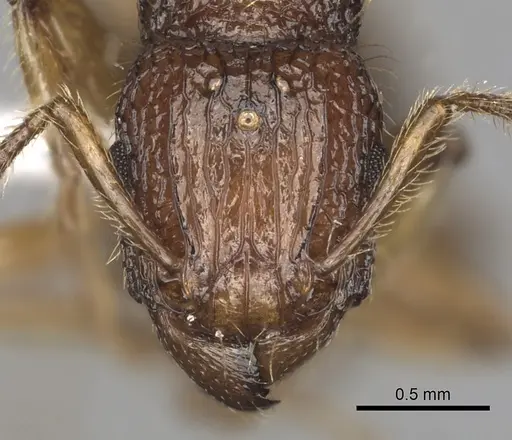
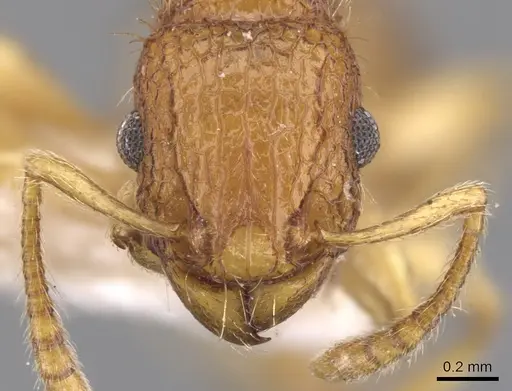
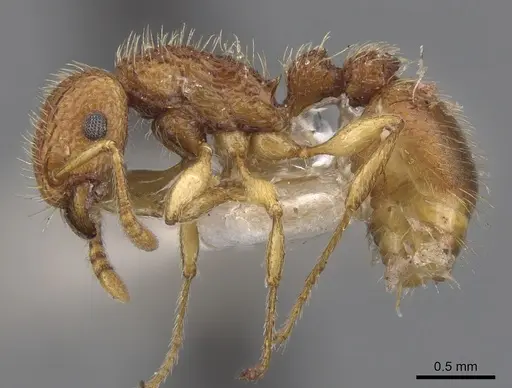
The Tetramorium viticola, often referred to as the Vineyard Ant, is a fascinating species from the diverse Tetramorium genus. Workers typically measure between 3.7-3.9 mm in total length. These ants are characterized by their uniformly dark yellow or brownish-yellow coloring, with conspicuous semicircular, dome-like eyes. Their bodies, including the head, petiole, postpetiole, and first gastral tergite, exhibit a coarse, reticulate-rugose sculpture, with fine but noticeable punctulation on the gaster. Propodeal spines are short, stout, and slightly upcurved. This species is known to be a wet forest species, and evidence suggests they are arboreal nesters, often found in dead above-ground twigs and low vegetation.
- Difficulty: Medium
- Origin & Habitat: Afrotropical Region (Central African Republic, Gabon, Kenya, Sudan, Uganda). in Wet forests, primarily arboreal (in dead twigs, low vegetation), with some ground-level collections from rotten branches..
- Colony Type: Monogyne or Polygyne, claustral founding.
- Size & Growth:
- Queen: Not specified
- Worker: 3.7-3.9mm
- Colony: Medium (thousands). Fast growth.
- Antkeeping:
- Temperature: Maintain a temperature range of 22-28°C for optimal growth, with a heating cable or mat recommended if room temperature is consistently lower..
- Humidity: These ants prefer medium to low humidity (40-60%) in the nest, with a drier foraging area. Avoid overly dry conditions..
- Diapause: Not required. Not specified at Not specified.
- Nesting: They will thrive in various well-made formicaria that provide a humidity and heat gradient. Acrylic nests are often recommended due to their fast growth and potential for escape if tunnels are not tight..
- Behavior: Medium (towards other ant species, low towards conspecifics in some Tetramorium) aggressiveness.
- Common Issues: Mold in nest, Mites, Colony stalling (often due to lack of diverse protein), Humidity fluctuations, Escape artists.
Tetramorium viticola, like many other Tetramorium species, is known for its voracious appetite and rapid colony growth. Keepers often report that their colonies become very active and dynamic, quickly responding to external stimuli. Providing a varied diet is crucial to support this quick development and help the queen maintain consistent egg production. Ensure you offer both liquid sugars and insect protein regularly to keep your colony thriving and expanding.
While some Tetramorium species, such as Tetramorium immigrans, are known to be quite adaptable regarding diapause, the specific requirements for Tetramorium viticola are not as widely documented. However, generally, if a species does not strictly require diapause, it can still benefit the queen's long-term health and the colony's vitality to provide a cool period. If you choose to diapause, a temperature around 10-15°C for 2-3 months could be beneficial, though it is not strictly necessary for this tropical forest species.
These ants are generalist foragers and will readily accept a wide variety of foods. Beyond typical insect proteins and sugary liquids like honey or sugar water, Tetramorium species have been observed to consume seeds, nuts, and even certain starches. Some keepers have noted a particular fondness for oily or greasy foods, such as potato chips, though these should be offered as a treat and not a dietary staple. A diverse diet ensures your colony receives all necessary nutrients for robust growth.
One important consideration for Tetramorium viticola, given their active nature and quick growth, is ensuring proper escape prevention. They are known to be quite adept at finding vulnerabilities in nest setups. Using barriers like talcum powder mixed with rubbing alcohol or a generous application of Vaseline around the outworld rim can effectively contain them. Regularly checking your setup for any potential escape routes is always a good practice.
As an arboreal nesting species in their natural habitat, Tetramorium viticola may appreciate nesting setups that mimic tree cavities or elevated structures, such as acrylic nests with multiple levels or even natural wood inserts within a larger formicarium. While they are adaptable, providing a nest that aligns with their natural behaviors can contribute to a more content and flourishing colony. Ensuring a humidity gradient within the nest is also beneficial, allowing the ants to choose their preferred moisture level.
Frequently Asked Questions
What is the best type of nest for a Tetramorium viticola colony?
For a thriving Tetramorium viticola colony, you'll want a formicarium that offers both a heat and humidity gradient. Many ant keepers find that acrylic nests work exceptionally well, especially given this species' rapid growth and their knack for finding tiny escape routes. The tight construction of acrylic setups makes them difficult to breach. Some keepers also suggest incorporating natural elements like cork bark or wood into the outworld to give them climbing opportunities, mimicking their natural arboreal nesting habits.
How quickly do Tetramorium viticola colonies grow?
These ants are known for their impressive growth rate! Once established, Tetramorium viticola colonies can expand quite rapidly, often reaching thousands of workers within a year or two, especially with consistent feeding and appropriate heating. The queen is a prolific egg layer, constantly producing new brood, which contributes to this fast development. Many new ant keepers find this growth exhilarating.
What should I feed my Tetramorium viticola colony?
Tetramorium viticola are true generalists, meaning they're not picky eaters at all. Your colony will thrive on a diverse diet. Offer them a steady supply of sugary liquids like diluted honey, sugar water, or maple syrup for carbohydrates. For protein, small insects like crickets, mealworms, fruit flies, and roaches are excellent. Don't be surprised if they also enjoy seeds, nuts, and even some starchy foods! A varied diet is key to a healthy, booming colony.
Do Tetramorium viticola need diapause (hibernation)?
While Tetramorium viticola originates from warmer, tropical regions, a strict diapause isn't typically considered essential for their survival in captivity, unlike many temperate species. However, some ant keepers find that a short cool-down period can still be beneficial for the queen's longevity and overall colony health. If you choose to provide one, a few months at a slightly lower temperature (around 10-15°C) might be sufficient. This allows the queen a 'rest' period from constant egg-laying.
What are common problems to watch out for with this species?
Even though Tetramorium viticola are quite hardy, a few common issues can pop up. Humidity fluctuations can be a problem, so ensure your nest has a good moisture gradient and doesn't dry out too quickly. Like any ant species, mold can be an issue if food waste isn't removed promptly from the outworld. Also, because they're such active and fast-growing ants, they can be escape artists if your setup isn't completely secure. Regular checks for breaches and proper use of barriers are highly recommended.
How big do Tetramorium viticola workers and queens get?
Worker ants of Tetramorium viticola are on the smaller side, typically measuring around 3.7 to 3.9 mm in total length. The queens are larger, as expected, though specific measurements for Tetramorium viticola queens are not as commonly cited as for some other Tetramorium species like Tetramorium immigrans, where queens can reach about 6-8mm. However, you'll definitely notice the size difference between the queen and her workers.
Can multiple Tetramorium viticola queens live together (polygyny)?
Yes, like many species within the Tetramorium genus, Tetramorium viticola can be polygynous, meaning they can have multiple queens in a single colony. This trait contributes significantly to their ability to grow into very large and populous colonies quickly, as more queens mean more egg-laying power. However, it's worth noting that while pleometrosis (multiple queens founding together) can occur, some keepers prefer to allow a single queen to establish to avoid potential conflicts as the colony matures.
What's the ideal temperature for keeping Tetramorium viticola?
To really get your Tetramorium viticola colony booming, aim for a temperature range between 22 and 28°C. Keeping them on the warmer side of this spectrum will accelerate their metabolism and encourage faster brood development. If your room temperature isn't consistently in this range, a heating cable or heat mat can be a great investment to provide that optimal warmth to a portion of their nest, allowing them to thermoregulate.
How long does it take for an egg to develop into a worker ant?
The development time from egg to worker in Tetramorium viticola is relatively fast, which is another reason why their colonies grow so quickly. You can generally expect an egg to mature into a full-fledged worker ant within approximately 3 to 6 weeks. This timeline can be even shorter if you maintain optimal temperatures within their nest, as warmth speeds up brood development.
Are Tetramorium viticola aggressive?
While many Tetramorium species, particularly the 'pavement ants' (T. immigrans), are known for their territorial battles with other ant colonies, their aggression towards other ant species is generally considered medium. Interestingly, within their own species, some Tetramorium have shown a lack of intraspecific aggression, meaning different colonies of the same species might not fight each other. Towards keepers, their aggression is typically very low, and their sting, if it occurs, is usually mild.
Do Tetramorium viticola workers have a sting?
Yes, like many species in the Myrmicinae subfamily, Tetramorium viticola workers do possess a sting. However, it's generally considered mild and is unlikely to cause significant discomfort to humans. While they might use it defensively if feeling threatened, it's not a major concern for ant keepers.
Where can Tetramorium viticola be found in the wild?
Tetramorium viticola is native to the Afrotropical region, with documented occurrences in countries such as the Central African Republic, Gabon, Kenya, Sudan (its type locality), and Uganda. They are primarily found in wet forest environments, often nesting in dead twigs, low vegetation, and occasionally rotten branches on the ground, indicating their preference for arboreal or semi-arboreal habitats.
Are Tetramorium viticola suitable for beginner ant keepers?
While they do have a few specific needs, such as a strong emphasis on escape prevention due to their rapid growth and activity, Tetramorium viticola can be a rewarding species for diligent beginners. Their fast colony growth and voracious appetites make them very engaging to observe. As long as you're prepared for their expansion and ensure a secure setup, they can be a great species to start with.
What should I use as a barrier to prevent escapes?
Given their active nature and ability to find small gaps, a good barrier is essential. Many ant keepers successfully use a mixture of talcum powder and rubbing alcohol applied to the top inner rim of the outworld. Once it dries, it creates a slippery surface they can't climb. Vaseline can also be effective, creating a sticky barrier. Ensure the barrier is wide enough and applied consistently for the best results.

This caresheet is licensed under CC BY-SA 4.0 .
CASENT0178339
View on AntWeb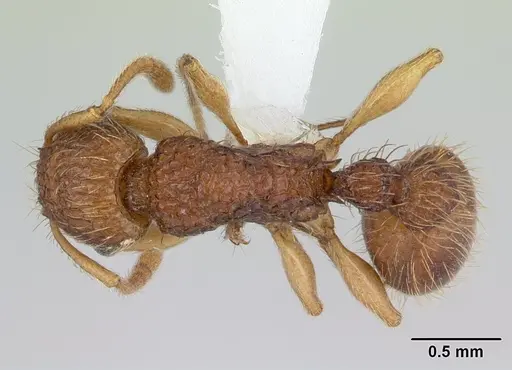
CASENT0297656
View on AntWeb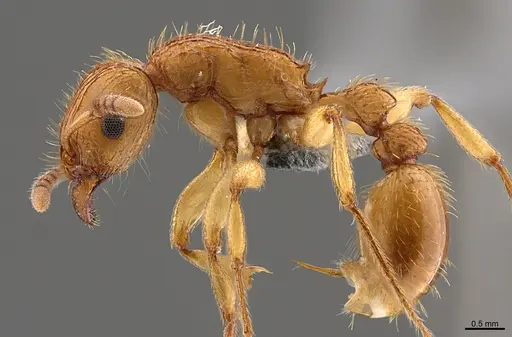
CASENT0316974
View on AntWeb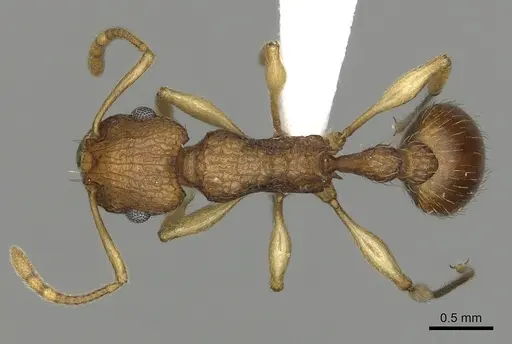
CASENT0403806
View on AntWeb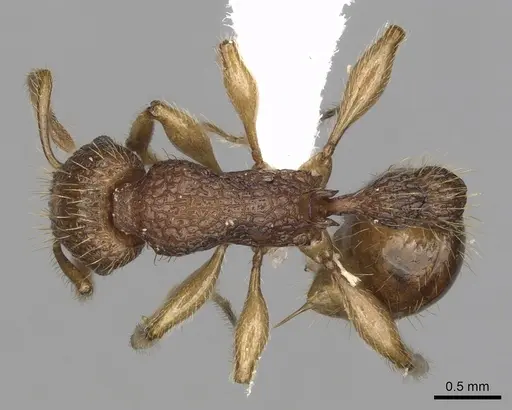
CASENT0403808
View on AntWeb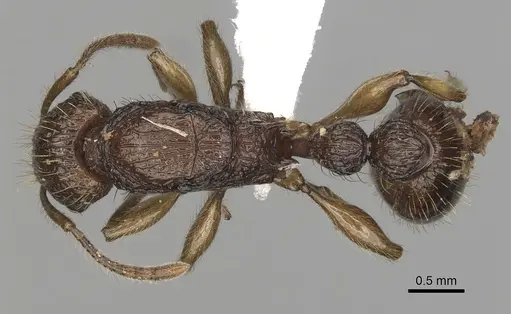
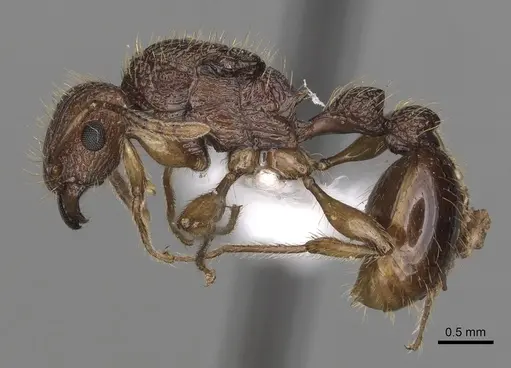
CASENT0404036
View on AntWeb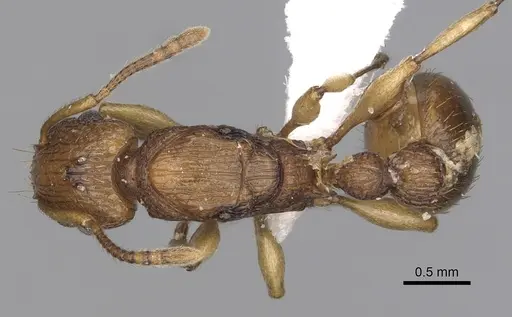
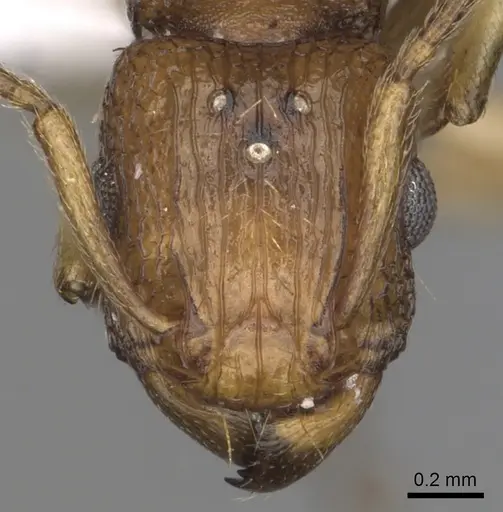
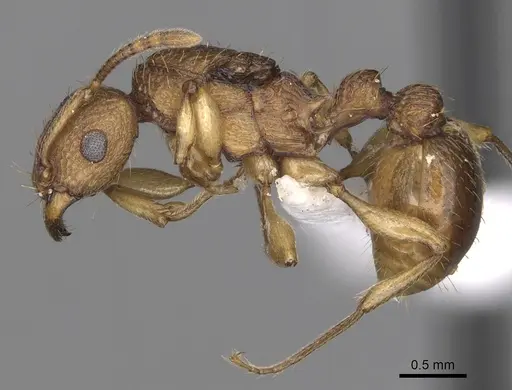
CASENT0901226
View on AntWeb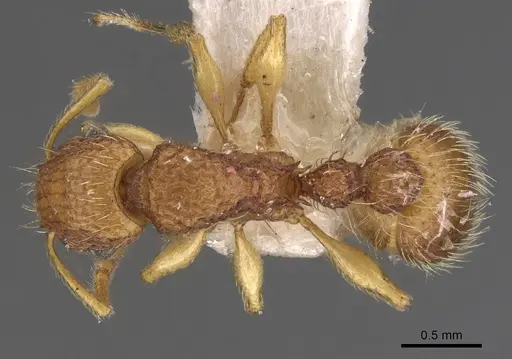
Literature
Loading...Loading products...