

Tetramorium trimeni
- Scientific Name
- Tetramorium trimeni
- Tribe
- Crematogastrini
- Subfamily
- Myrmicinae
- Author
- Emery, 1895
- Distribution
- Found in 1 countries
Tetramorium trimeni Overview
Tetramorium trimeni is an ant species of the genus Tetramorium. It is primarily documented in 1 countries , including Tanzania, United Republic of. Detailed taxonomic data and occurrence records can be further explored via authoritative databases such as AntWeb or the Global Biodiversity Information Facility (GBIF).
Tetramorium trimeni
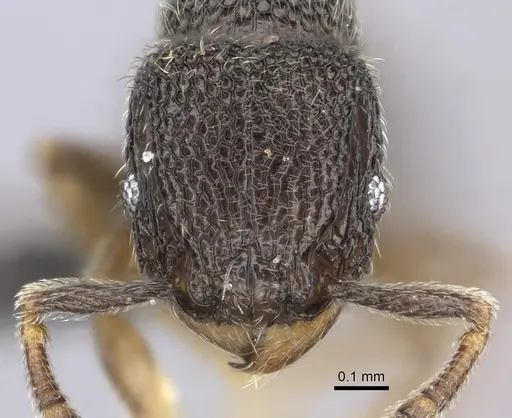
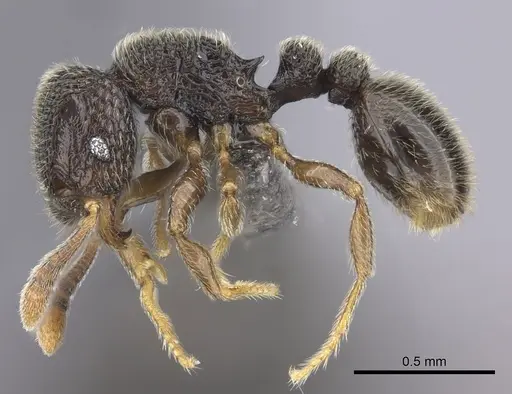
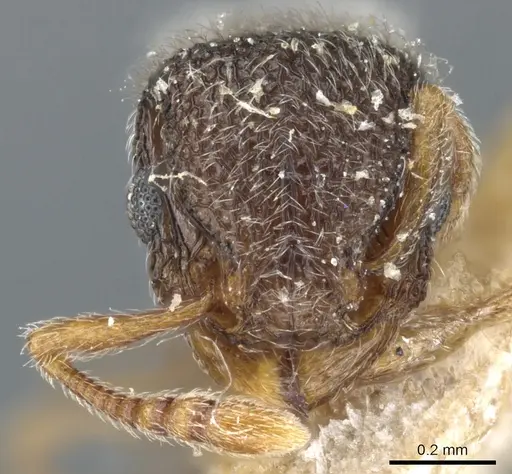
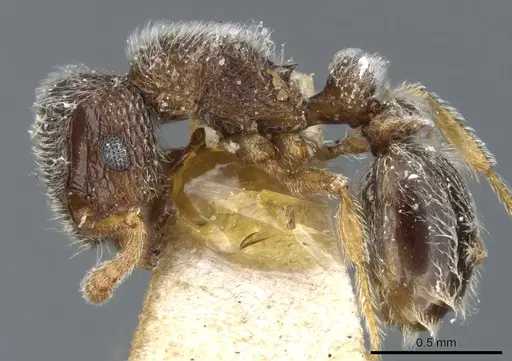
Tetramorium trimeni is a small ant species belonging to the genus Tetramorium in the subfamily Myrmicinae. Workers are typically 3-5mm in length, with the characteristic Tetramorium morphology including a 12-segmented antenna with a 3-segmented club, a distinct postpetiole (the second segment of the waist), and usually some degree of sculpturing on the head and mesosoma. The coloration varies but is typically reddish-brown to dark brown. This species is known from central Africa, with historical records from the Democratic Republic of Congo [1]. Like other Tetramorium species, they are ground-nesting ants that prefer nesting in soil, under stones, or in rotting wood in forested and transitional habitats.
Quick Summary
- Difficulty: Medium
- Origin & Habitat: Central Africa, specifically documented from the Democratic Republic of Congo [1]. In their natural range, they typically inhabit forested areas and transitional zones where they nest in soil or under stones.
- Colony Type: Unconfirmed colony structure, most Tetramorium species are monogyne (single-queen colonies), but the specific colony structure of T. trimeni has not been studied.
- Size & Growth:
- Queen: Estimated 7-9mm based on typical Tetramorium queen morphology
- Worker: Estimated 3-5mm based on genus-level data
- Colony: Unknown for this specific species, related Tetramorium species typically reach several hundred to a few thousand workers
- Growth: Moderate, estimated based on genus patterns
- Development: Estimated 6-10 weeks at optimal temperature based on typical Tetramorium development (Development time is estimated from genus-level data since species-specific research is unavailable. Temperature will significantly impact development speed.)
- Antkeeping:
- Temperature: Estimated 20-26°C, provide a gradient allowing workers to self-regulate. Start around 22-24°C and observe colony activity.
- Humidity: Moderate humidity around 50-70%. Keep the nest substrate slightly moist but not waterlogged. Provide a water source.
- Diapause: Unknown for this specific species, many African ants from higher elevations may benefit from a slight cool period, but this is not confirmed
- Nesting: Based on typical Tetramorium behavior, they prefer nesting in soil or small chambers. A Y-tong (AAC) nest or plaster nest with soil chambers works well. They can also be kept in test tube setups with a soil section.
- Behavior: Tetramorium ants are generally not aggressive and are considered peaceful colony residents. Workers are active foragers that search for food both on the ground and can climb moderately well. Due to their small size, escape prevention is important, they can squeeze through small gaps. They are omnivorous and will collect both protein sources and sugar. Workers are typically moderate in size relative to queens, making them capable but not exceptional climbers.
- Common Issues: lack of species-specific care data means keepers must monitor colony response carefully, small size requires good escape prevention, use fine mesh and tight-fitting lids, slow growth compared to faster species may frustrate beginners, humidity balance is critical, too wet causes mold, too dry causes desiccation, wild-caught colonies may carry parasites that can devastate captive populations
Housing and Nest Setup
For Tetramorium trimeni, a Y-tong (AAC) nest or plaster nest with soil chambers provides appropriate housing. These ants prefer tight-fitting chambers that match their small size. A test tube setup with a soil section can also work well for founding colonies. Ensure the nest has adequate humidity control, a water reservoir or moisture gradient helps maintain appropriate conditions. Because they are small, use fine mesh on any ventilation holes and ensure all connections are tight. A small outworld allows for foraging and feeding observation.
Feeding and Diet
Tetramorium trimeni is omnivorous like most Tetramorium species. Offer protein sources such as small insects (fruit flies, small mealworms, crickets), and provide sugar sources including honey water or sugar water. They will also collect honeydew if available. Feed small amounts every 2-3 days, removing uneaten food to prevent mold. A constant water source should be available. Observe your colony's preferences, some colonies favor protein while others consume more sugar.
Temperature and Seasonal Care
Maintain temperatures around 22-24°C as a starting point. Provide a temperature gradient so workers can self-regulate by moving between warmer and cooler areas of the nest. A heating cable on one side of the nest can create this gradient. If your colony becomes sluggish, slightly increasing temperature may help. The diapause requirements for this species are unknown, monitor your colony's behavior throughout the year to determine if a cool period benefits them. Many African ants from similar latitudes do not require true hibernation but may reduce activity during cooler months.
Colony Founding
The founding behavior of Tetramorium trimeni has not been directly documented. Based on typical Tetramorium patterns, the queen likely seals herself in a claustral chamber and raises her first workers using stored fat reserves without foraging. During this time, she will need quiet conditions and stable humidity. The founding chamber should be small and snug. Expect the first workers (nanitics) to emerge in 6-10 weeks under optimal conditions, though this is estimated from genus-level data.
Behavior and Temperament
These ants are generally peaceful and do not exhibit aggressive swarming behavior. Workers are active foragers that will explore their outworld in search of food. They are not strong climbers relative to some genera, so ensure your barrier methods account for this. The small worker size means they can escape through standard barrier gaps, use fluon or fine mesh barriers. Workers typically live for several months to a year, with queens living several years in well-established colonies.
Frequently Asked Questions
How long does it take for Tetramorium trimeni to raise first workers?
Based on typical Tetramorium development, expect 6-10 weeks from egg to first worker at optimal temperature. This is an estimate since species-specific development data is not available.
What size colony does Tetramorium trimeni reach?
Colony size for this specific species is unknown. Based on related Tetramorium species, colonies likely reach several hundred to a few thousand workers over several years.
Can I keep multiple Tetramorium trimeni queens together?
The colony structure of this species is unconfirmed. Most Tetramorium species are monogyne (single queen), but some can be polygynous. Combining unrelated queens is not recommended without evidence they accept each other.
Do Tetramorium trimeni ants sting?
Tetramorium belongs to the subfamily Myrmicinae, which includes species with functional stingers. However, Tetramorium ants are generally not aggressive and rarely sting. Their sting, if used, would be mild.
What temperature do Tetramorium trimeni need?
Keep them around 22-24°C as a starting point. Provide a temperature gradient so they can self-regulate. This is estimated from typical Tetramorium requirements since specific thermal data is unavailable.
Are Tetramorium trimeni good for beginners?
This species is rated as Medium difficulty. While Tetramorium in general are manageable, the lack of species-specific care data means keepers should have some experience monitoring colony behavior and adjusting conditions.
How often should I feed Tetramorium trimeni?
Offer food every 2-3 days. Remove uneaten prey within 24 hours to prevent mold. Provide a constant sugar source (honey water or sugar water) and protein 2-3 times per week.
Do Tetramorium trimeni need hibernation?
Diapause requirements are unknown for this species. Monitor your colony's behavior, if they become less active during winter months, a slight cool period (15-18°C) for 2-3 months may be beneficial, but this is not confirmed as necessary.
Why are my Tetramorium trimeni dying?
Common causes include: improper humidity (too wet causes mold, too dry causes desiccation), temperature stress, escape and desiccation, parasites from wild-caught colonies, or poor nutrition. Review each parameter and make gradual adjustments.
When should I move my colony to a formicarium?
Move to a larger nest when the colony reaches around 50-100 workers and the test tube becomes crowded. Ensure the new nest offers appropriate chamber sizes and humidity control.
References

This caresheet is licensed under CC BY-SA 4.0 .
CASENT0235784
View on AntWeb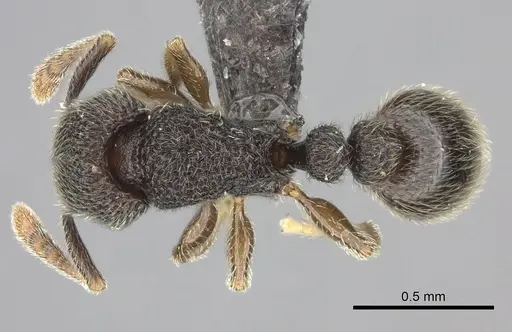
CASENT0904791
View on AntWeb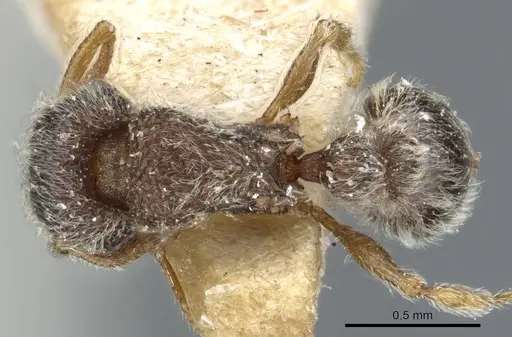
Literature
Loading...Loading products...