

Tetramorium tosii
- Scientific Name
- Tetramorium tosii
- Tribe
- Crematogastrini
- Subfamily
- Myrmicinae
- Author
- Emery, 1899
- Distribution
- Found in 1 countries
Tetramorium tosii Overview
Tetramorium tosii is an ant species of the genus Tetramorium. It is primarily documented in 1 countries , including Madagascar. Detailed taxonomic data and occurrence records can be further explored via authoritative databases such as AntWeb or the Global Biodiversity Information Facility (GBIF).
Tetramorium tosii
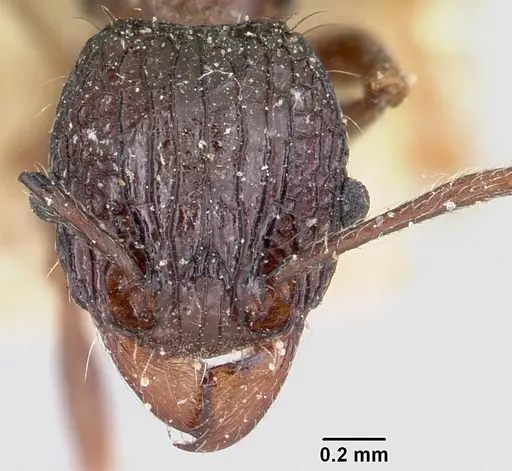
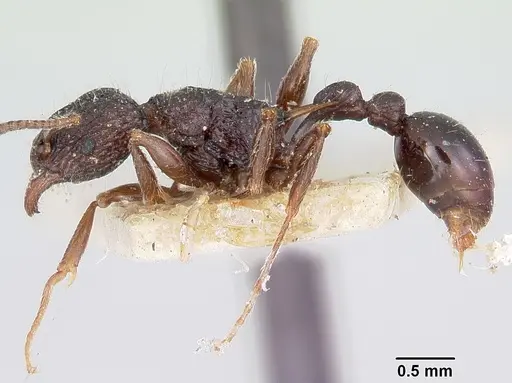
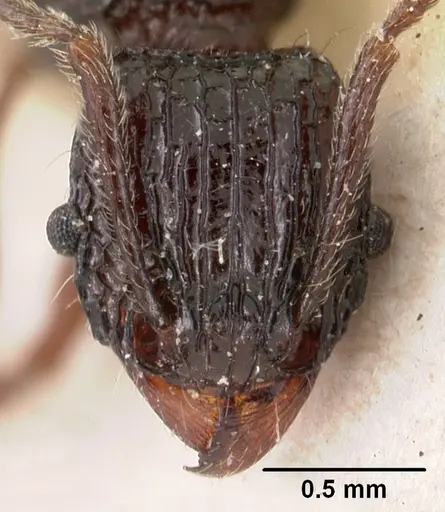
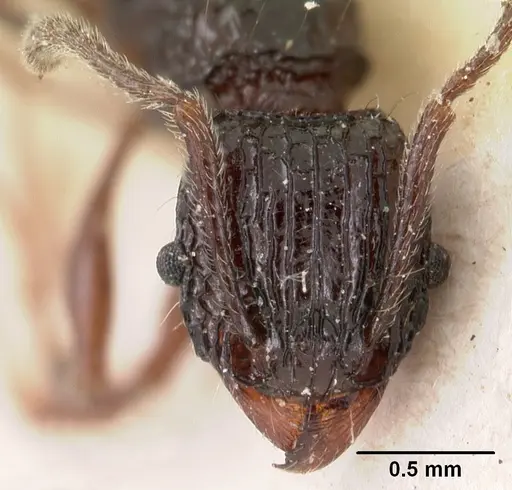
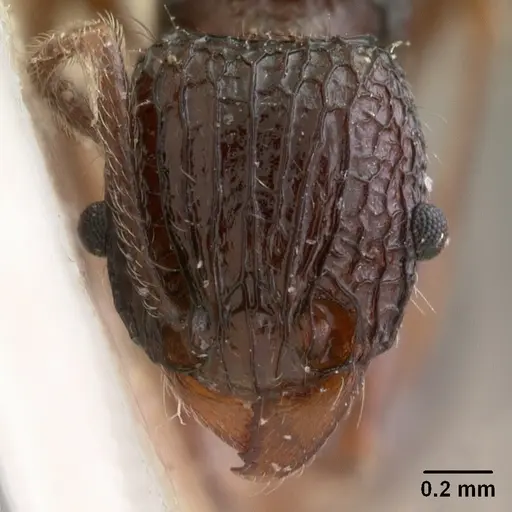
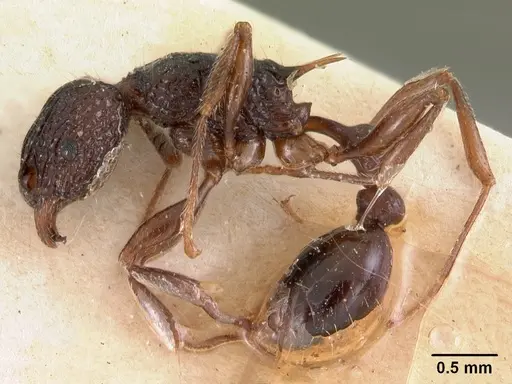
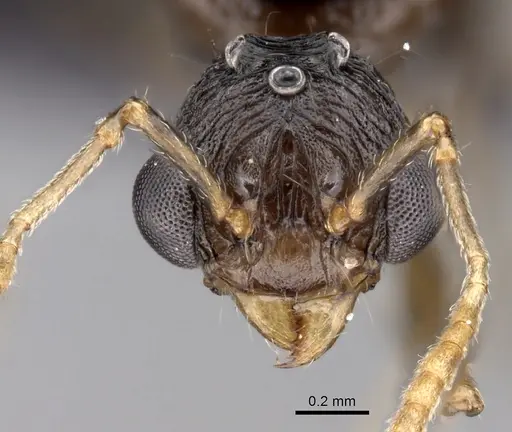
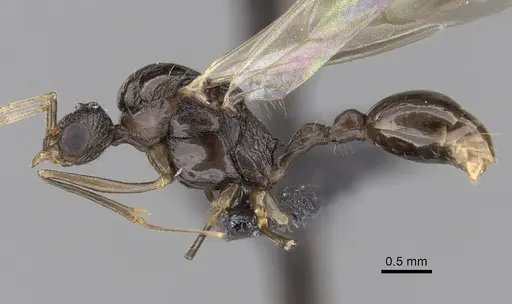
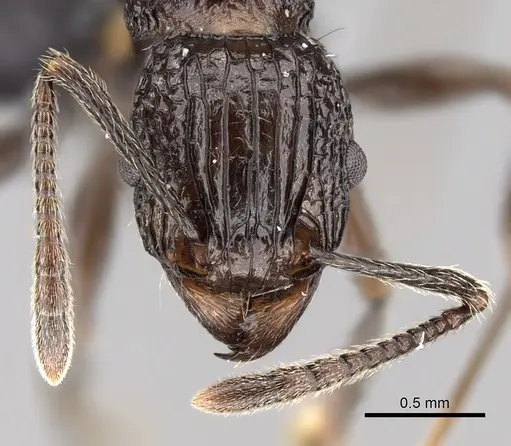
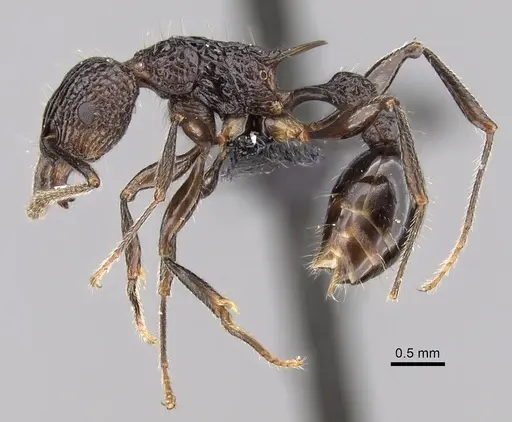
Tetramorium tosii is a relatively large ant species native to Madagascar, easily recognized by its extremely long propodeal spines and long antennal scapes [1]. Workers measure 0.9-1.15mm in head length, making them substantial compared to many other Tetramorium species [1]. The species is endemic to Madagascar and relatively abundant and common in most rainforests of Eastern and Northern Madagascar [1]. Most specimens are dark brown to blackish brown, though yellowish-orange specimens have been found in the northernmost population at Foret de Binara [1]. This species is primarily arboreal or sub-arboreal, meaning it lives in trees and bushes, though researchers frequently collected it on the ground as well [1]. The combination of 12-segmented antennae and its distinctive eye shape helps separate it from other Malagasy Tetramorium species [1].
Quick Summary
- Difficulty: Medium
- Origin & Habitat: Endemic to the rainforests of Eastern and Northern Madagascar [1]. Found at elevations ranging from 25m to 875m, with highest abundance at mid-elevations around 425m [2]. Primarily arboreal or sub-arboreal, though also collected on the ground [1].
- Colony Type: Colony structure is unconfirmed. Based on typical Tetramorium patterns, likely single-queen colonies.
- Size & Growth:
- Queen:{.size-link} Unconfirmed, no published queen measurements found
- Worker:{.size-link} 0.9-1.15mm head length (HL), workers are relatively large within the genus [1]
- Colony: Unconfirmed, no colony size data published
- Growth: Moderate, based on typical Tetramorium development patterns
- Development: 6-10 weeks at optimal temperature, estimated based on related Tetramorium species (Development time is estimated as no specific data exists for this species. Tropical environment suggests faster development than temperate species.)
- Antkeeping:
- Temperature: Keep at 24-28°C, these are tropical rainforest ants from Madagascar. A slight temperature gradient allows workers to regulate their conditions.
- Humidity: High humidity is essential, think damp rainforest environment. Keep nest substrate consistently moist but not waterlogged. Aim for 70-85% humidity.
- Diapause: No, as a tropical species from Madagascar, they do not require hibernation or winter rest.
- Nesting: Arboreal nature suggests they prefer nests with good moisture retention. Y-tong (AAC) nests or plaster nests work well. Provide a water reservoir for humidity. They may also do well in naturalistic setups with moist substrate.
- Behavior: This is a moderately active species with typical Tetramorium foraging behavior. Workers are likely opportunistic feeders, scavenging for protein and sugar sources. Their relatively large size compared to other Tetramorium species makes them more visible and easier to observe. As Myrmicinae, they have a functional stinger and can defend themselves if threatened. Escape prevention should be moderate, their size makes them less likely to escape through tiny gaps compared to very small ants, but standard barriers are still recommended.
- Common Issues: humidity control is critical, being from rainforest habitat, dry conditions will stress and potentially kill colonies, arboreal nature means they need vertical space and may not thrive in horizontal-only setups, tropical species, do not hibernate or expose to temperatures below 20°C, limited available care information makes this a species for keepers with some experience, wild-caught colonies may have parasites or diseases from their native habitat
Housing and Nest Setup
Given their arboreal and sub-arboreal nature in Madagascar's rainforests, T. tosii needs a setup that provides both vertical space and excellent humidity control [1]. Y-tong (AAC) nests or plaster nests work well because they retain moisture effectively. The nest should have a water reservoir chamber to maintain humidity over time. For the outworld, provide enough space for foraging and a sugar water station. Since they are found from 25m to 875m elevation in the wild [2], they can adapt to a range of captive conditions, but consistently warm and humid is best. A test tube setup can work for founding colonies, but be prepared to move them to a proper formicarium once the colony grows.
Feeding and Diet
Like most Tetramorium species, T. tosii is likely an opportunistic omnivore. Offer protein sources such as small insects (fruit flies, small mealworms, crickets) regularly. They will also accept sugar sources like honey water or sugar water. In the wild, they forage on the ground and in vegetation, so they likely scavenge for both protein and carbohydrates. Feed protein 2-3 times per week and keep sugar water available at all times. Remove uneaten prey after 24-48 hours to prevent mold. Their relatively large worker size [1] means they can tackle bigger prey items than very small ant species.
Temperature and Humidity
As a tropical species from Madagascar's rainforests, T. tosii needs warm and humid conditions. Keep temperatures in the range of 24-28°C. They are found across various elevations in the wild [2], which suggests some tolerance, but consistently warm conditions will support better colony growth. Humidity is critical, aim for 70-85% relative humidity. The nest substrate should remain consistently moist but never waterlogged. A water reservoir in the nest setup helps maintain stable humidity. Avoid temperatures below 20°C and ensure good ventilation to prevent mold while maintaining humidity.
Colony Development
The development timeline for T. tosii is not specifically documented in scientific literature. Based on typical Tetramorium patterns and their tropical origin, expect eggs to develop into workers in approximately 6-10 weeks at optimal temperature (around 26°C). Their relatively large worker size [1] may indicate slightly longer development compared to smaller Tetramorium species. Founding colonies may take several months to establish their first workers (nanitics). Be patient, these ants are not fast growers, but they are persistent. Once the first workers arrive, colony growth typically accelerates.
Behavior and Temperament
T. tosii displays typical Tetramorium behavior, workers are active foragers both on the ground and in vegetation, reflecting their arboreal/sub-arboreal nature in the wild [1]. They are likely moderately defensive and will protect their nest if disturbed. As Myrmicinae, they possess a functional stinger, so they can deliver a sting if they feel threatened, though their temperament is not particularly aggressive. Their relatively large size makes them easier to observe than many small ant species. Workers likely communicate through chemical trails and may recruit nestmates to food discoveries, similar to other Tetramorium species.
Frequently Asked Questions
How long does it take for Tetramorium tosii to get their first workers?
Based on typical Tetramorium development patterns, expect 6-10 weeks from egg to worker at optimal temperature (around 26°C). Founding colonies may take 2-4 months before the first nanitics emerge. Patience is key with this species.
Do Tetramorium tosii ants sting?
Yes, as a member of the subfamily Myrmicinae (tribe Crematogastrini), T. tosii has a functional stinger and can sting if threatened. However, they are not particularly aggressive and typically only sting when the nest is directly disturbed.
What temperature do Tetramorium tosii need?
Keep them at 24-28°C. These are tropical rainforest ants from Madagascar, so they need warm conditions year-round. Avoid temperatures below 20°C.
Are Tetramorium tosii good for beginners?
This species is rated as medium difficulty. While not the most challenging ant to keep, the limited available care information and their specific humidity requirements make them better suited for keepers with some antkeeping experience. Their tropical nature also means no hibernation adjustment is needed.
How big do Tetramorium tosii colonies get?
Colony size data is not published, but based on typical Tetramorium patterns, expect colonies to reach several hundred workers over time. They are not among the largest Tetramorium species but can still form substantial colonies.
Do Tetramorium tosii need hibernation?
No. As a tropical species from Madagascar, they do not require hibernation or diapause. Keep them warm and active year-round.
What do Tetramorium tosii eat?
They are omnivores. Offer protein sources like small insects (fruit flies, small mealworms, crickets) 2-3 times per week, and keep sugar water or honey water available at all times.
Can I keep Tetramorium tosii in a test tube?
Test tubes work for founding colonies, but their arboreal nature and humidity needs mean they will do better in a Y-tong or plaster nest with a water reservoir once the colony grows beyond 20-30 workers.
Why are my Tetramorium tosii dying?
The most likely causes are: low humidity (they need 70-85%), temperatures below 20°C, or dry nest conditions. Check your setup and ensure the nest substrate stays moist. Also ensure good ventilation to prevent mold while maintaining humidity.
Report an Issue
The current care sheet is based fully on literature. See inconsistencies, or something that's incorrect? Please , it will be resolved after review from an admin. Contributing to the blogs tab also helps providing information, to make us be able to further improve the caresheets. Thank you for your support!
References

This caresheet is licensed under CC BY-SA 4.0 .
CASENT0101903
View on AntWeb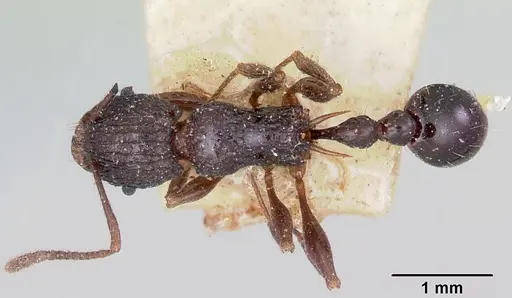
CASENT0102071
View on AntWeb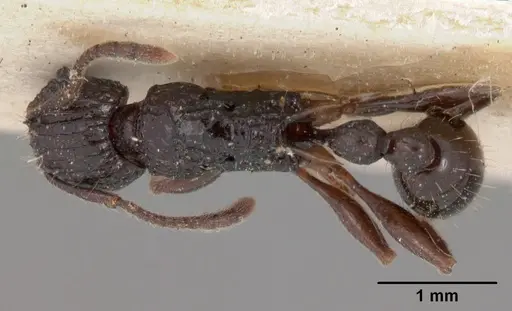
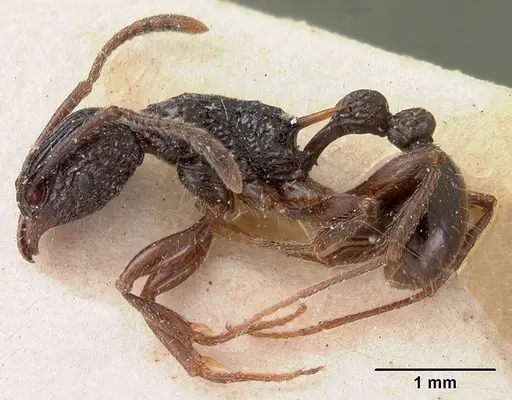
CASENT0102072
View on AntWeb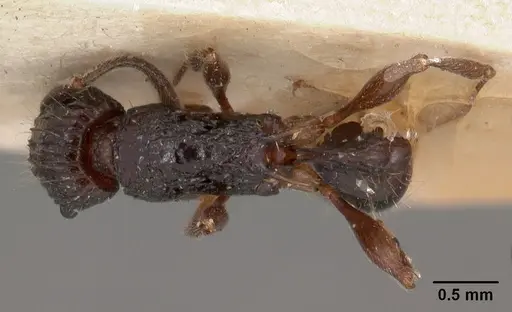
CASENT0160469
View on AntWeb
CASENT0249662
View on AntWeb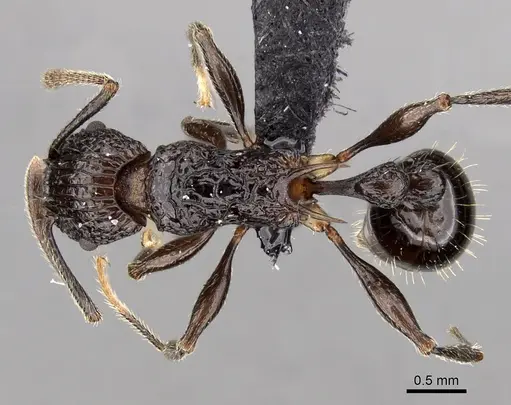
Literature
Loading...Loading products...