

Tetramorium tenuinode
- Scientific Name
- Tetramorium tenuinode
- Tribe
- Crematogastrini
- Subfamily
- Myrmicinae
- Author
- Hita Garcia & Fisher, 2014
- Distribution
- Found in 1 countries
Tetramorium tenuinode Overview
Tetramorium tenuinode is an ant species of the genus Tetramorium. It is primarily documented in 1 countries , including Madagascar. Detailed taxonomic data and occurrence records can be further explored via authoritative databases such as AntWeb or the Global Biodiversity Information Facility (GBIF).
Tetramorium tenuinode
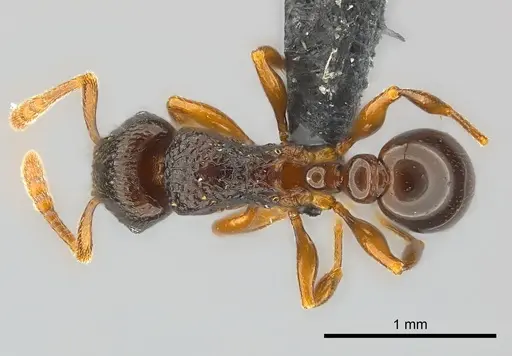
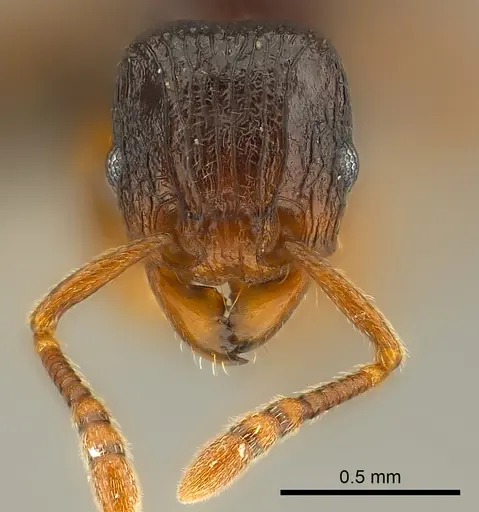
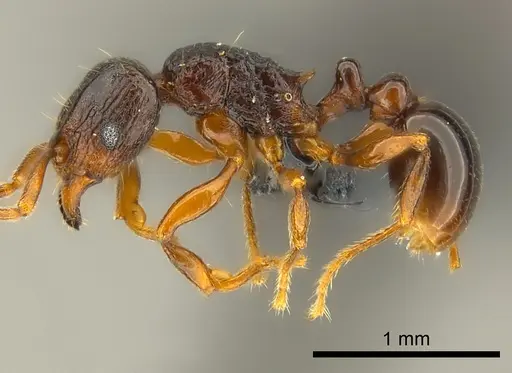
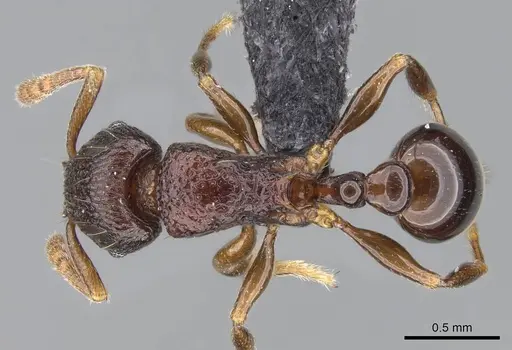
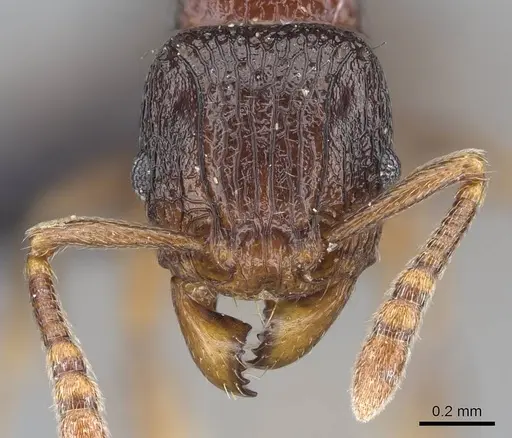
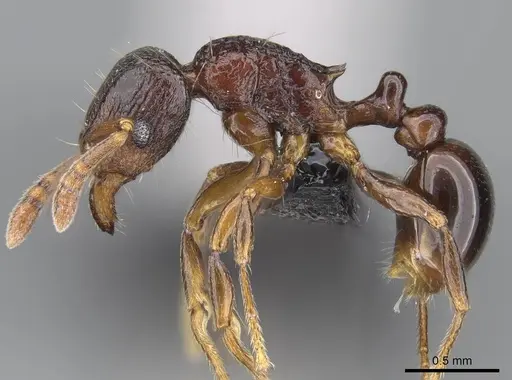
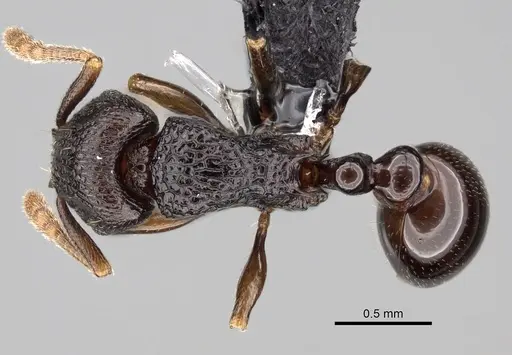
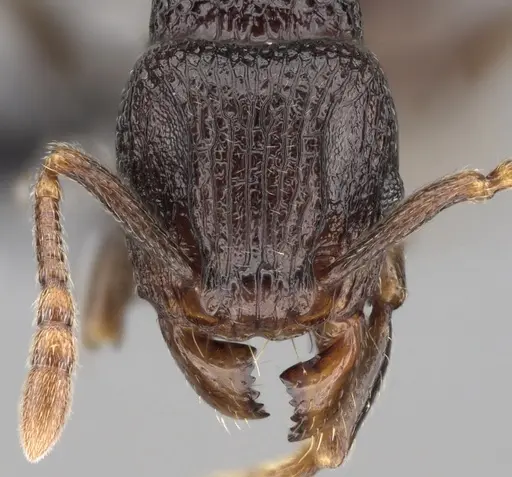
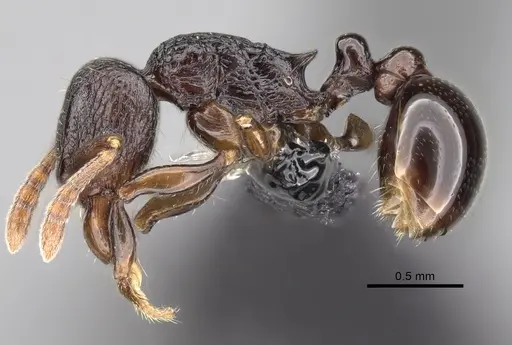
Tetramorium tenuinode is a tiny ant species native to the rainforests of eastern Madagascar. Workers measure just 0.76-0.94mm in body length, making them one of the smaller ant species you'll encounter in the hobby [1][2]. They belong to the Tetramorium schaufussii species group and are part of the cognatum species complex, which means they're closely related to other Tetramorium species found in Madagascar [1]. The species was only formally described in 2014,so there's limited information available about their captive care [1].
What makes T. tenuinode stand out is their extremely restricted distribution in the wild, they're found only in eastern Madagascar's rainforests and montane rainforests between 25-1200m elevation [1][2]. They live in leaf litter on the forest floor, which tells us they prefer humid, shaded conditions with stable temperatures [2]. This is a species for more experienced keepers who can provide the specific conditions these rainforest ants need.
Quick Summary
- Difficulty: Medium
- Origin & Habitat: Eastern Madagascar, specifically from Grand Lavasoa and Andohahela in the southeast to Ambanitaza in the northeast. They live in rainforests and montane rainforests at elevations of 25-1200m, though they've also been found in guava forest and urban gardens [1][2].
- Colony Type: Colony structure is unconfirmed. Based on typical Tetramorium patterns, they likely form single-queen colonies (monogyne), though multi-queen colonies have been observed in some related species. No ergatoid replacement reproductives have been documented for this species.
- Size & Growth:
- Queen: Unknown, no queen measurements have been published. Based on related species in the cognatum complex, queens are likely 5-7mm.
- Worker: 0.76-0.94mm (workers measured from 12 specimens) [1].
- Colony: Unknown, no colony size data exists. Based on similar Tetramorium species, colonies likely reach several hundred workers.
- Growth: Unknown, no development data exists for this species. Inferred as moderate based on related Tetramorium species.
- Development: 6-10 weeks (estimated based on typical Tetramorium development at 24-26°C) (No direct measurements exist. Estimates based on genus-level data for related species. Temperature likely affects development significantly given their montane rainforest origin.)
- Antkeeping:
- Temperature: Keep nest area at 22-26°C. This species comes from montane rainforests with moderate temperatures, so avoid overheating. A gentle gradient allowing workers to self-regulate is ideal [1].
- Humidity: High humidity is essential, these ants live in rainforest leaf litter. Keep substrate consistently moist but not waterlogged. Aim for 70-85% humidity in the nest area, with some drier areas available [2].
- Diapause: Unconfirmed, no data on overwintering requirements exists. Given their Madagascar origin (a tropical island), they likely do not require true diapause but may have reduced activity during cooler months.
- Nesting: In captivity, they do well in small test tubes or Y-tong nests with tight chambers scaled to their tiny size. They prefer dark, humid nesting areas. A naturalistic setup with moist substrate also works well since they're leaf litter inhabitants [2].
- Behavior: These ants are small but active foragers. They likely scavenge and hunt small prey in the leaf litter layer. Workers are dark chestnut brown to very dark brown in color [1]. Due to their tiny size, escape prevention must be excellent, they can squeeze through remarkably small gaps. Temperament is typical of Tetramorium: generally non-aggressive but will defend the nest if threatened. They are not known to sting.
- Common Issues: escape prevention is critical due to their very small size, use fine mesh and tight-fitting lids, high humidity requirements can lead to mold problems if ventilation is poor, wild-caught colonies may contain parasites that can devastate captive colonies, slow growth means colonies take time to establish, patience is required, temperature sensitivity means they can be stressed by overheating or temperature swings
Housing and Nest Setup
Because of their tiny size, Tetramorium tenuinode needs carefully scaled housing. A small test tube setup works well for founding colonies, use a test tube with a water reservoir at one end, stopped with a cotton plug, providing humidity through evaporation. The tube should be dark or covered to simulate the dark, sheltered conditions they prefer in leaf litter [2].
For established colonies, a Y-tong (AAC) nest with narrow chambers works excellently. The chambers should be tight-fitting to the ants' size, too much open space stresses them. Alternatively, a small naturalistic setup with moist soil/peat and hiding spots like cork bark or leaf litter decorations mimics their natural environment. Whatever nest type you choose, ensure escape prevention is excellent, these tiny ants can squeeze through gaps you wouldn't believe possible. Use fine mesh on any openings and consider applying fluon to the edges of the outworld.
Temperature and Heating
This species comes from Madagascar's montane rainforests, which means they prefer moderate temperatures rather than the hot conditions some tropical ants require. Keep the nest area between 22-26°C, with 24°C being a good starting point [1]. Avoid temperatures above 30°C, as this can stress or kill the colony.
A heating cable or mat on one side of the nest creates a temperature gradient, allowing workers to move between warmer and cooler areas as needed. Place the heating on top of the nest rather than underneath to avoid drying out the substrate too quickly. Room temperature (around 22-24°C) is often suitable if your home stays in this range. Monitor with a thermometer placed near the nest, don't guess.
Humidity and Water
High humidity is non-negotiable for this species. In the wild, they live in rainforest leaf litter where conditions are consistently damp. Aim for 70-85% humidity in the nest area [2]. In a test tube setup, the water reservoir naturally maintains humidity through evaporation. For other nest types, check the substrate regularly, it should feel damp to the touch but not be sitting in standing water.
The key is consistency. Frequent drying followed by re-wetting stresses the colony. If using a test tube, make sure the water reservoir is adequately sized but not so large that it floods. For naturalistic setups, mist the substrate when the surface starts drying, but do so gently to avoid flooding. Good ventilation helps prevent mold while maintaining humidity, stagnant air causes more problems than slightly drier air.
Feeding and Diet
Tetramorium tenuinode is a generalist forager that likely scavenges and hunts small prey in the wild. In captivity, offer a varied diet. Protein sources should include small live prey like fruit flies, pinhead crickets, and small mealworms. Since these ants are tiny, prey items must be appropriately sized, anything larger than they can handle will be ignored.
Sugar sources are also important. Offer diluted honey, sugar water, or small drops of honey diluted with water. Change these daily as they can ferment. A constant sugar source should be available alongside protein fed 2-3 times per week. Remove uneaten prey after 24-48 hours to prevent mold. Given their small size, even tiny food items like springtails or detritus mites make good prey options for established colonies.
Colony Founding
The founding behavior of T. tenuinode has not been directly documented, but it's almost certainly claustral like most Tetramorium species. This means the queen seals herself in a small chamber, stops foraging, and raises her first workers entirely on energy from her stored fat reserves [1].
When you receive a founding queen, place her in a small test tube setup with a water reservoir. Keep her in complete darkness and avoid disturbing her for the first few weeks. She will lay eggs and tend to them without any intervention from you. The first workers (nanitics) will be smaller than mature workers and will emerge after several weeks. Do not feed the colony during founding, the queen does not eat, and adding food only risks mold that can kill her.
Growth and Development
No specific development timeline exists for this species, but based on related Tetramorium species, expect 6-10 weeks from egg to first worker at optimal temperature (around 24-26°C) [1]. The first workers will be nanitics, smaller than normal workers but functional. After they emerge, the colony can begin accepting food.
Growth rate is likely moderate. These are small ants with presumably moderate-sized colonies, so don't expect rapid expansion. A well-fed colony might reach 50-100 workers in the first year under good conditions. Patience is essential, this is not a species that will quickly produce a large display colony. The key to good growth is consistent temperatures, proper humidity, and varied nutrition.
Seasonal Care and Overwintering
True diapause (hibernation) is unlikely for this species given their tropical Madagascar origin [1]. However, they may show reduced activity during cooler months if your home temperature drops. There's no need to artificially induce hibernation.
If your colony is established and you want to support natural cycles, you can slightly reduce temperatures during winter months (by 2-4°C), but this is not required. More importantly, maintain humidity even when temperatures are lower, as drying can still occur. Avoid placing the nest near windows or drafts that cause temperature fluctuations. Consistency year-round produces the best results with this species.
Frequently Asked Questions
How long does it take for Tetramorium tenuinode to produce first workers?
Based on related Tetramorium species, expect 6-10 weeks from egg to first worker at optimal temperature (around 24-26°C). The exact timeline is unconfirmed for this specific species since it was only described in 2014 [1].
Can I keep Tetramorium tenuinode in a test tube?
Yes, test tubes work well for founding colonies. Use a small test tube with a water reservoir at one end. The tube should be covered to provide darkness. For established colonies, consider switching to a Y-tong nest with narrow chambers scaled to their tiny size [2].
Do Tetramorium tenuinode ants sting?
No, this species does not have a functional stinger. They belong to the Myrmicinae subfamily, which includes many species with stingers, but T. tenuinode is not known for stinging behavior. They may bite if threatened, but their small size makes this ineffective for defense.
What temperature do Tetramorium tenuinode need?
Keep nest temperatures between 22-26°C, with 24°C being ideal. They come from montane rainforests in Madagascar and prefer moderate temperatures over heat. Avoid temperatures above 30°C, which can stress or kill the colony [1].
Are Tetramorium tenuinode good for beginners?
This species is not ideal for complete beginners. They require high humidity, excellent escape prevention due to their tiny size, and specific temperature conditions. The limited available information about their care adds difficulty. However, experienced antkeepers comfortable with humidity-dependent species should find them manageable.
How big do Tetramorium tenuinode colonies get?
Colony size is unconfirmed, but based on related Tetramorium species, colonies likely reach several hundred workers. They are not among the largest Tetramorium species. Growth is moderate, expect several months to a year to reach 50+ workers under good conditions [1].
What do Tetramorium tenuinode eat?
They are generalist foragers. Offer small live prey like fruit flies, pinhead crickets, and small mealworms as protein sources 2-3 times per week. Also provide constant access to sugar sources like diluted honey or sugar water. Remove uneaten prey after 24-48 hours to prevent mold.
Do they need hibernation?
No, true diapause is unlikely given their Madagascar origin. They may show reduced activity in cooler months, but no special winter treatment is required. Maintain consistent temperatures year-round for best results [1].
Why are my Tetramorium tenuinode escaping?
Their tiny size (workers are only 0.76-0.94mm) means they can escape through remarkably small gaps. Use fine mesh on all openings, ensure lids fit tightly, and consider applying fluon barrier to the edges of the outworld. Check for any gaps smaller than 1mm, they're experts at finding them.
Can I keep multiple queens together?
Not recommended. The colony structure is unconfirmed, but based on typical Tetramorium behavior, single-queen colonies are most likely. Combining unrelated queens has not been documented for this species and risks fatal aggression. Start with one queen per colony.
References

This caresheet is licensed under CC BY-SA 4.0 .
Literature
Loading...Loading products...