

Tetramorium tenuicrine
- Scientific Name
- Tetramorium tenuicrine
- Tribe
- Crematogastrini
- Subfamily
- Myrmicinae
- Author
- Emery, 1914
- Distribution
- Found in 1 countries
Tetramorium tenuicrine Overview
Tetramorium tenuicrine is an ant species of the genus Tetramorium. It is primarily documented in 1 countries , including New Caledonia. Detailed taxonomic data and occurrence records can be further explored via authoritative databases such as AntWeb or the Global Biodiversity Information Facility (GBIF).
Tetramorium tenuicrine
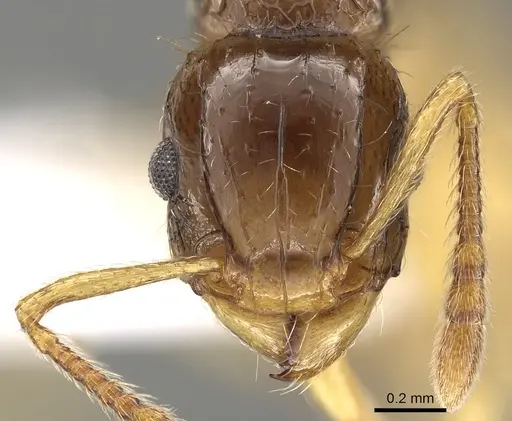
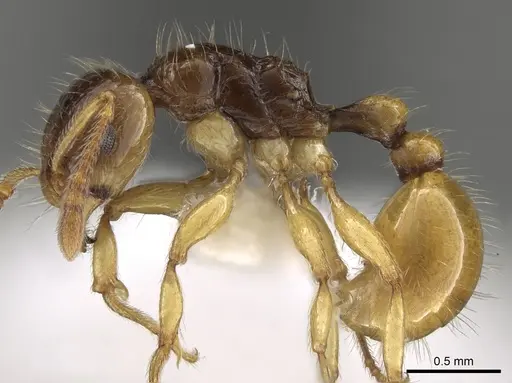
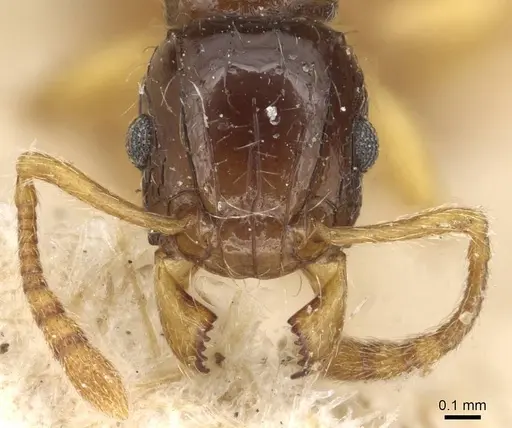
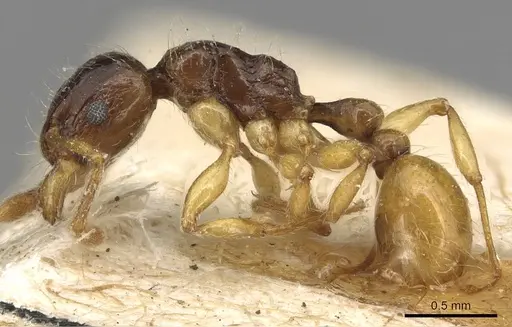
Tetramorium tenuicrine is a small ant species native to the islands of New Caledonia and Fiji in the South Pacific [1][2]. Workers measure 3.4-3.8mm in total length, making them a compact species well-suited to captivity. They are easily identified by their 11-segmented antennae, a rare trait among Tetramorium species that typically have 12, and their complete lack of propodeal spines or teeth, which gives them a smooth, rounded appearance. The species shows remarkable color variation, ranging from entirely pale yellow to nearly black, though the most common pattern has a dark head and alitrunk contrasting with a yellow gaster and legs. This species inhabits rainforest environments in its native range [3].
Quick Summary
- Difficulty: Medium
- Origin & Habitat: Native to New Caledonia and Fiji, specifically recorded from Viti Levu in Fiji [2]. Inhabits rainforest environments in these South Pacific islands [3].
- Colony Type: Colony structure is unconfirmed. Based on typical Tetramorium patterns, likely forms single-queen colonies, though multi-queen arrangements have not been documented for this specific species.
- Size & Growth:
- Queen: Undocumented, estimated 5-7mm based on worker size and typical Tetramorium queen proportions
- Worker: 3.4-3.8mm total length
- Colony: Unknown, likely several hundred workers based on related species
- Growth: Moderate, estimated based on typical Tetramorium development
- Development: Estimated 6-8 weeks at tropical temperatures (24-28°C), based on genus-level data for related species (Development time is inferred from typical Tetramorium patterns, direct measurements for this species are not available)
- Antkeeping:
- Temperature: Keep at 24-28°C, being a tropical rainforest species from Fiji and New Caledonia, they need warm conditions. A slight temperature gradient is beneficial.
- Humidity: High humidity required, rainforest species. Keep the nest substrate consistently moist but not waterlogged. Provide a water tube as a drinking source.
- Diapause: No diapause required, being from a tropical island environment, they do not experience cold winters. Maintain year-round tropical conditions.
- Nesting: In captivity, they do well in Y-tong (AAC), plaster, or test tube setups. Provide narrow chambers scaled to their small size. They prefer dark, humid nest conditions.
- Behavior: This is a relatively calm, non-aggressive species that forages actively throughout the nest. Workers are small but persistent, and may attempt escapes through small gaps. They are generalist foragers, likely accepting both protein and sugar sources. Their small size means escape prevention should be taken seriously, use fine mesh and tight-fitting lids.
- Common Issues: escape prevention is critical due to their small size, they can squeeze through surprisingly small gaps, high humidity needs can lead to mold if ventilation is inadequate, wild-caught colonies may harbor parasites or diseases from their native habitat, slow founding phase, claustral queens need patience during the first months, tropical temperature requirements mean additional heating may be needed in cooler climates
Housing and Nest Setup
Tetramorium tenuicrine does well in standard ant keeping setups. Y-tong (AAC) nests work excellently, the narrow chambers match their small size and allow for easy observation. Plaster nests also work well, providing the humidity retention this rainforest species needs. Test tube setups are suitable for founding colonies and work as temporary housing. The key is providing appropriately scaled chambers, these are small ants, so avoid large, open spaces. A dark nest area is preferred, as they naturally nest in concealed locations in the wild. Ensure your setup includes a reliable water source, either through a cotton-filled test tube or a small water dish. [3]
Feeding and Diet
As a typical Tetramorium species, T. tenuicrine is likely a generalist feeder. Offer protein sources such as small insects (fruit flies, small crickets, mealworms cut into appropriate pieces) and sugar sources like honey water or sugar water. In the wild, they would forage for small arthropods and likely tend aphids for honeydew. Feed small amounts 2-3 times per week, removing uneaten food after 24-48 hours to prevent mold. A constant sugar source is beneficial for colony energy. Observe your colony's preferences, some colonies favor protein while others consume more sugar.
Temperature and Humidity
Being native to the tropical rainforests of Fiji and New Caledonia, this species requires warm, humid conditions. Maintain temperatures between 24-28°C year-round. A slight temperature gradient (warm end around 28°C, cooler around 24°C) allows the ants to regulate their own temperature. Humidity should be high, the nest substrate should remain consistently moist but never waterlogged. Mist the outworld occasionally and ensure the nest has access to a water source. Avoid placing the setup near air conditioning or heating vents that could cause temperature fluctuations. Room temperature below 22°C may slow colony development significantly. [3]
Colony Development and Growth
Colony growth follows typical Tetramorium patterns. A claustral queen will seal herself in a chamber and survive on stored fat reserves while raising the first brood. The first workers (nanitics) will be smaller than mature workers but will begin foraging once they emerge. Expect 6-8 weeks from egg to first worker at optimal temperatures, though this is an estimate based on genus patterns rather than direct observation of this species. Growth is moderate, a well-fed colony can reach several hundred workers over 1-2 years. Patience is essential during the founding phase, as disturbing the queen before workers emerge can be fatal.
Behavior and Temperament
Tetramorium tenuicrine workers are active foragers but generally calm in temperament. They do not exhibit aggressive swarming behavior and are suitable for observation. Workers are small (3.4-3.8mm) but determined, and they will explore their outworld systematically. They are likely to test boundaries for escape routes, so ensure your setup has excellent escape prevention. Use fluon on the rim of the formicarium and fine mesh on any ventilation holes. Despite their small size, they can be quite bold when foraging and will readily investigate new food sources.
Frequently Asked Questions
How long does it take for Tetramorium tenuicrine to produce first workers?
Expect approximately 6-8 weeks from egg to first worker at optimal tropical temperatures (24-28°C). This is an estimate based on typical Tetramorium development, as specific development data for this species is not available.
What size colony does Tetramorium tenuicrine reach?
Colony size is not well documented, but based on related species, expect colonies of several hundred workers over 1-2 years of development.
Do Tetramorium tenuicrine ants need hibernation?
No. Being from tropical Fiji and New Caledonia, they do not require hibernation or diapause. Maintain year-round temperatures of 24-28°C.
What do Tetramorium tenuicrine ants eat?
They are generalist feeders. Offer small insects (fruit flies, small crickets, mealworms) for protein and sugar sources (honey water, sugar water) regularly. They will likely accept most standard ant foods.
Can I keep Tetramorium tenuicrine in a test tube?
Yes, test tubes work well for founding colonies. Ensure proper humidity by keeping the water section filled and providing a dark cover. Transfer to a formicarium once the colony reaches 30-50 workers.
Are Tetramorium tenuicrine ants aggressive?
No, they are generally calm and non-aggressive. They are suitable for observation and do not exhibit particularly defensive behavior. However, they are persistent foragers.
Do Tetramorium tenuicrine ants sting?
As members of the subfamily Myrmicinae, they have a functional stinger. However, their small size and mild temperament mean stings are rare and not significant to humans.
What temperature is best for Tetramorium tenuicrine?
Keep them at 24-28°C. Being from tropical rainforest environments, they require warm conditions year-round. Avoid temperatures below 22°C.
Why are my Tetramorium tenuicrine ants escaping?
Their small size (3.4-3.8mm) means they can escape through tiny gaps. Use excellent escape prevention: tight-fitting lids, fluon on rim edges, and fine mesh on any openings.
Is Tetramorium tenuicrine good for beginners?
They are moderate difficulty. Their tropical temperature requirements and small size require some attention to escape prevention and humidity, but they are generally hardy once established.
Where is Tetramorium tenuicrine native to?
They are native to New Caledonia and Fiji in the South Pacific region. Specifically recorded from Viti Levu in Fiji [2].
When should I move my colony to a formicarium?
Move from test tube to formicarium when the colony reaches 30-50 workers. Ensure the new setup maintains the high humidity they require and has appropriately scaled chambers.
References

This caresheet is licensed under CC BY-SA 4.0 .
CASENT0280898
View on AntWeb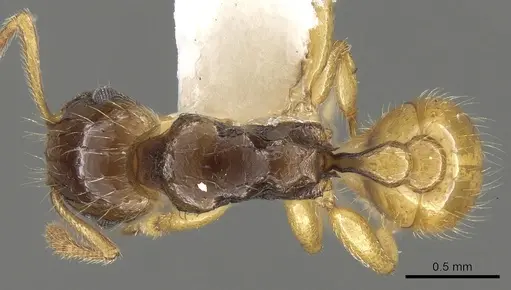
CASENT0915085
View on AntWeb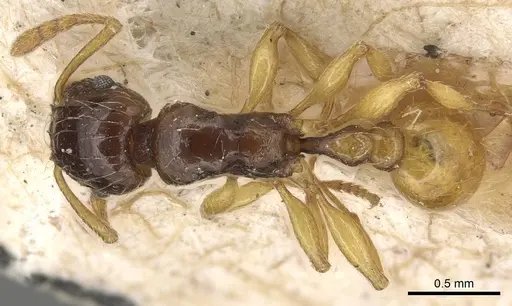
Literature
Loading...Loading products...