

Tetramorium taylori
- Scientific Name
- Tetramorium taylori
- Tribe
- Crematogastrini
- Subfamily
- Myrmicinae
- Author
- Bolton, 1985
- Distribution
- Found in 1 countries
Tetramorium taylori Overview
Tetramorium taylori is an ant species of the genus Tetramorium. It is primarily documented in 1 countries , including Australia. Detailed taxonomic data and occurrence records can be further explored via authoritative databases such as AntWeb or the Global Biodiversity Information Facility (GBIF).
Tetramorium taylori
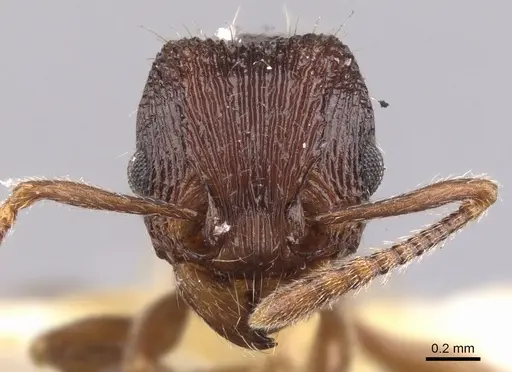
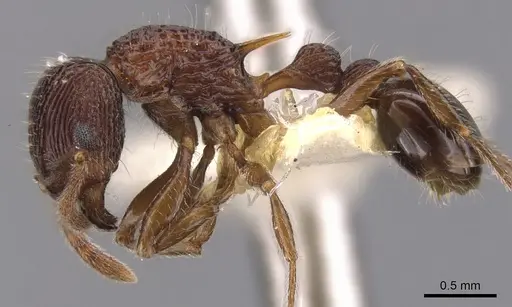
Tetramorium taylori is a small, dark-colored ant species native to northern Queensland, Australia [1][2]. Workers measure approximately 3-4mm and have the characteristic Tetramorium appearance with a 12-segmented antenna and a two-segmented petiole. The species was originally described as Tetramorium taylori in 1977 but was renamed in 1985 when it was discovered the name was already taken. These ants inhabit the Australasian region, specifically the tropical and subtropical forests of Queensland where they nest in moist, shaded areas like gum forests and rainforests.
Quick Summary
- Difficulty: Easy
- Origin & Habitat: Northern Queensland, Australia, specifically Cape York region including Tozer Gap, Shipton's Flat, and Rocky River. They live in moist gum (eucalyptus) forests and rainforest environments [3].
- Colony Type: Likely monogyne (single queen) based on typical Tetramorium patterns. Colony structure is unconfirmed for this specific species.
- Size & Growth:
- Queen:{.size-link} Approximately 5-6mm, estimated from genus patterns as specific measurements are not documented
- Worker:{.size-link} Approximately 3-4mm based on genus descriptions
- Colony: Likely several hundred workers, typical for Tetramorium species
- Growth: Moderate, based on typical genus development patterns
- Development: Estimated 6-8 weeks at optimal temperature based on related Tetramorium species (Development time inferred from genus-level data, specific timeline unconfirmed for this species)
- Antkeeping:
- Temperature: Keep at 22-26°C, they come from tropical Queensland and need warm conditions. A gentle gradient allowing workers to self-regulate is ideal.
- Humidity: Moderate to high, their natural habitat in gum forests and rainforests suggests they prefer damp conditions. Keep the nest substrate moist but not waterlogged.
- Diapause: Not required, being a tropical species from northern Queensland, they do not experience harsh winters. However, a slight cool-down period (around 18-20°C) during winter months may be beneficial.
- Nesting: Y-tong (AAC) nests or plaster nests work well. They prefer tight chambers scaled to their small size. Naturalistic setups with moist substrate also work. Avoid dry, airy conditions.
- Behavior: Generally peaceful and non-aggressive. Workers are active foragers that search for small prey and honeydew. They are not known to sting, Myrmicinae ants have stingers but Tetramorium species typically use biting and formic acid spray rather than stinging. Escape risk is moderate due to their small size, standard barriers like fluon on test tube rims work well.
- Common Issues: colonies may fail if kept too dry, moisture is critical for this moisture-loving species, small colony sizes mean slow growth can test beginner patience, wild-caught colonies may carry parasites that cause colony failure, test tube setups must have excellent escape prevention due to small worker size, overheating can be fatal, avoid temperatures above 30°C
Housing and Nest Setup
Tetramorium taylori does well in standard ant keeping setups. Test tubes with cotton water reservoirs work perfectly for founding colonies and small groups. As colonies grow, Y-tong (acrylic) nests or plaster nests provide the moisture retention these ants need. The chambers should be appropriately scaled to their small 3-4mm workers, tight passages help them feel secure. Avoid naturalistic setups with large open spaces since these tiny ants can get lost or have trouble navigating. A formicarium connected to a foraging area via tubing gives them space to hunt while maintaining proper humidity in the nest chamber. [1][2][3]
Feeding and Diet
Like other Tetramorium species, T. taylori is an omnivore that accepts both protein and sugar sources. Offer small live prey like fruit flies, pinhead crickets, or mealworms. They also readily consume sugar water, honey, or diluted maple syrup. In the wild, they forage for small insects and likely tend aphids for honeydew. Feed protein-rich foods 2-3 times per week for growing colonies, and keep a sugar source available at all times. Remove uneaten prey after 24 hours to prevent mold issues.
Temperature and Seasonal Care
Being from tropical northern Queensland, these ants need warm conditions year-round. Maintain temperatures between 22-26°C during the active season. A heating cable on one side of the nest creates a gentle gradient so workers can regulate their own temperature. They do not require true hibernation but may slow down slightly in winter. During cooler months (if your room temperature drops), you can allow a slight reduction to around 18-20°C but avoid cold shocks. Never expose them to temperatures above 30°C as this can be fatal. The stable warmth of a room in the low-to-mid 20s°C is ideal.
Humidity Requirements
This is one of the most important factors for keeping T. taylori successfully. Their natural habitat in Queensland gum forests and rainforests is humid and shaded. Keep the nest substrate consistently moist, it should feel damp to the touch but not have standing water. For test tube setups, ensure the water reservoir is adequately sized and the cotton is properly packed. For formicariums, mist the nest area regularly and consider a water reservoir built into the setup. However, avoid stagnant, overly wet conditions that promote mold. Some drier areas in the foraging zone allow workers to escape if the nest becomes too damp. [3]
Colony Development
A claustral queen will seal herself in a small chamber and lay eggs without leaving to forage. She survives entirely on her stored fat reserves while raising the first brood. The first workers (nanitics) are typically smaller than mature workers and emerge after several weeks. Once workers arrive, the colony enters a growth phase where brood production increases. Expect moderate growth, a well-fed colony may reach 50-100 workers in the first year under good conditions. Colonies likely reach several hundred workers at maturity. Be patient during the founding phase as the queen alone can take 6-10 weeks to produce her first workers.
Frequently Asked Questions
How long does it take for Tetramorium taylori to produce first workers?
Expect 6-10 weeks from founding to first workers emerging. The exact timeline depends on temperature, warmer conditions (around 24-26°C) speed development while cooler temperatures slow it down. The claustral queen seals herself in and raises the brood alone, so this initial period requires patience.
Can I keep Tetramorium taylori in a test tube?
Yes, test tubes work excellently for founding colonies. Use a cotton-stoppered water reservoir and keep the tube in a humid, warm location. Ensure the cotton is properly packed to prevent flooding. Once the colony reaches 30-50 workers, consider moving them to a formicarium with better moisture retention.
Do Tetramorium taylori ants sting?
No, they do not sting. As Myrmicinae ants, they have stingers but Tetramorium species primarily use biting and formic acid spray for defense. They are generally peaceful and not considered dangerous to humans.
What temperature do Tetramorium taylori need?
Keep them at 22-26°C. They come from tropical Queensland and need consistent warmth. A heating cable on part of the nest creates a gradient. Avoid temperatures above 30°C as this can kill the colony.
How big do Tetramorium taylori colonies get?
Based on typical Tetramorium patterns, colonies likely reach several hundred workers at maturity. Specific colony size data is not documented for this species, but expect moderate growth over 1-2 years to a manageable colony size.
Do Tetramorium taylori need hibernation?
No, they do not require true hibernation. As a tropical species from northern Queensland, they experience year-round warmth. You may notice slight slowing in winter if room temperatures drop, but a true diapause is not necessary.
What do Tetramorium taylori eat?
They are omnivores accepting both protein and sugar. Feed small live prey like fruit flies, small crickets, or mealworms 2-3 times per week. Also provide constant access to sugar water, honey, or maple syrup. Remove uneaten food promptly.
Are Tetramorium taylori good for beginners?
Yes, they are considered easy to keep. They are peaceful, don't require hibernation, and accept a wide variety of foods. The main challenge is maintaining proper humidity. If you can keep their nest moist, they are forgiving of other minor care mistakes.
Why is my Tetramorium taylori colony dying?
The most common cause is too-dry conditions. These ants come from humid forest habitats and fail quickly in dry setups. Check that the nest substrate is moist and the air around the nest is not too dry. Other causes can include temperature extremes (too hot or too cold), mold from overwatering, or stress from excessive disturbance.
When should I move my colony to a formicarium?
Move them when the test tube becomes crowded or the water reservoir runs dry. This is typically around 30-80 workers. A formicarium with moisture-retaining material (plaster, Y-tong) will better support larger colonies. Make the transition gradual by connecting the test tube to the formicarium and allowing workers to explore before moving the queen.
Report an Issue
The current care sheet is based fully on literature. See inconsistencies, or something that's incorrect? Please , it will be resolved after review from an admin. Contributing to the blogs tab also helps providing information, to make us be able to further improve the caresheets. Thank you for your support!
References

This caresheet is licensed under CC BY-SA 4.0 .
CASENT0106297
View on AntWeb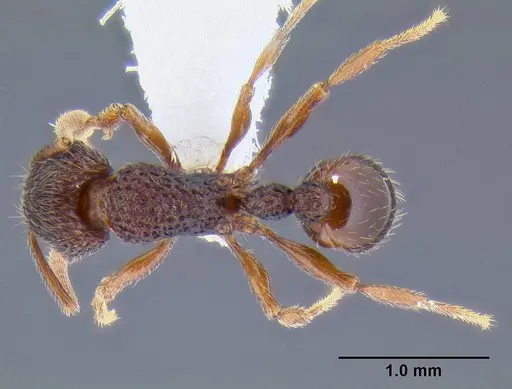
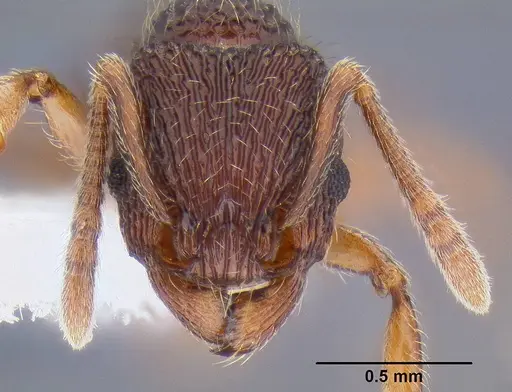
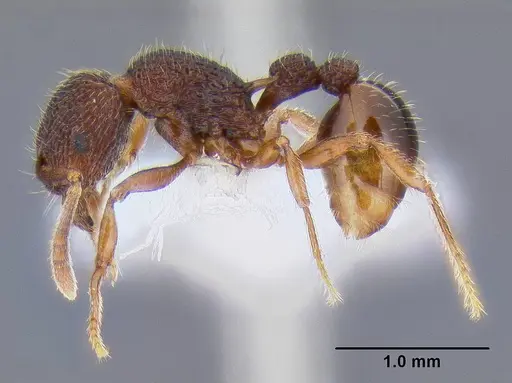
CASENT0901045
View on AntWeb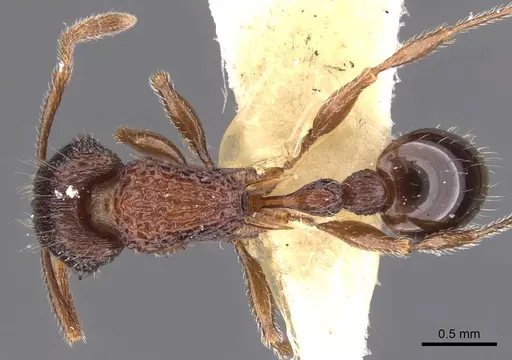
Literature
Loading...Loading products...