

Tetramorium surrogatum
- Scientific Name
- Tetramorium surrogatum
- Tribe
- Crematogastrini
- Subfamily
- Myrmicinae
- Author
- Bolton, 1985
- Distribution
- Found in 1 countries
Tetramorium surrogatum Overview
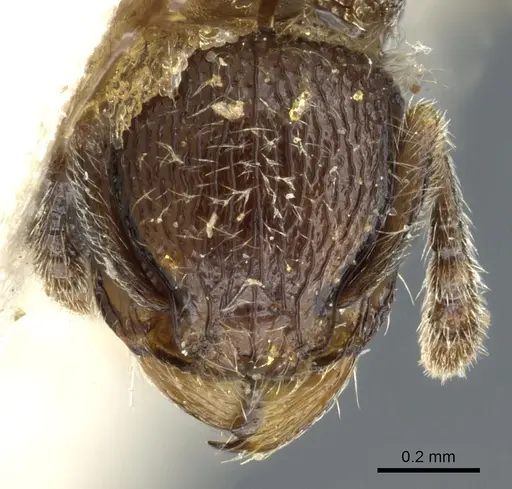
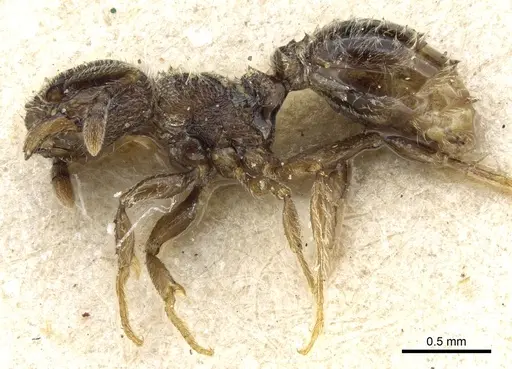
Tetramorium surrogatum is an ant species of the genus Tetramorium. It is primarily documented in 1 countries , including Eritrea. Detailed taxonomic data and occurrence records can be further explored via authoritative databases such as AntWeb or the Global Biodiversity Information Facility (GBIF).
Tetramorium surrogatum
Tetramorium surrogatum is a small Myrmicinae ant species originally described from Eritrea in East Africa [1]. Workers are typical Tetramorium size, robust with a characteristic two-segmented petiole (waist), spiny propodeum, and 12-segmented antennae. The genus Tetramorium is known for ground-nesting habits, often creating nests under stones in tropical and subtropical regions. This species has been recorded from the Horn of Africa region, indicating it prefers warm, relatively dry conditions typical of that area.
Quick Summary
- Difficulty: Unknown
- Origin & Habitat: Eritrea in East Africa, recorded from this region in early 20th century collections [1]. Based on location, likely inhabits dry savanna or rocky terrain in the Horn of Africa.
- Colony Type: Unconfirmed, colony structure (single-queen or multi-queen) has not been documented for this species.
- Size & Growth:
- Queen: Estimated 7-9mm based on typical Tetramorium genus dimensions
- Worker: Estimated 3-5mm based on typical Tetramorium genus dimensions
- Colony: Unknown, no colony size data available for this species
- Growth: Unknown
- Development: Estimated 6-8 weeks based on typical Tetramorium development at warm temperatures (Development time is estimated from genus-level data, specific timing for this species has not been studied)
- Antkeeping:
- Temperature: Based on Eritrea origin (tropical East Africa), likely prefers warm conditions around 24-28°C. Provide a temperature gradient allowing workers to self-regulate.
- Humidity: Likely prefers moderate to low humidity, dry to semi-arid conditions typical of its natural range. Allow substrate to dry between waterings.
- Diapause: Unconfirmed, tropical species from Eritrea may not require formal hibernation, but may show reduced activity during cooler seasons
- Nesting: Based on typical Tetramorium behavior, likely nests in soil under stones or in shallow ground cavities. A Y-tong (AAC) nest or naturalistic setup with flat stones works well. Provide compact chambers scaled to their size.
- Behavior: Tetramorium ants are typically defensive and will sting when threatened. Workers are active foragers that search for seeds, insects, and honeydew. Escape risk is moderate, use standard barrier methods (Fluon on test tube rims, fine mesh on outworlds).
- Common Issues: Limited species-specific information makes care recommendations uncertain, monitor colony behavior and adjust conditions accordingly, Tropical origin means they may not tolerate cool temperatures, keep warm year-round, Ground-nesting species may be prone to escape if nesting setup allows digging, secure the outworld connection
Temperature and Care
Since this species comes from Eritrea in East Africa, it likely prefers warm conditions. Aim for temperatures in the 24-28°C range, which is typical for tropical Tetramorium species. You can use a heating cable on one side of the nest to create a gentle temperature gradient, allowing the colony to choose its preferred zone. Unlike temperate species, this ant probably does not need a true hibernation period, but you may notice reduced activity during cooler months. Keep them at stable warm temperatures year-round for optimal brood development. [1]
Nesting Preferences
Tetramorium surrogatum is likely a ground-nesting species that naturally nests under stones or in shallow soil cavities in its native Eritrea habitat. For captive care, a Y-tong (AAC) nest with compact chambers works well, the narrow passages mimic their natural underground tunnels. A naturalistic setup with a layer of soil and flat stones on top also mimics their natural nesting conditions. The nest material should be kept slightly moist but allow for drying between waterings, avoid waterlogging. [1]
Feeding and Diet
Like most Tetramorium species, this ant is likely omnivorous. Offer a varied diet including protein sources (small insects like fruit flies, pinhead crickets, or mealworms) and carbohydrates (sugar water, honey, or honeydew). Tetramorium ants are known seed-eaters in the wild, so they may accept small seeds as part of their diet. Feed protein 2-3 times per week and keep a constant sugar source available. Remove uneaten food promptly to prevent mold. [1]
Behavior and Temperament
As a Myrmicinae species, Tetramorium surrogatum has a functional stinger and will use it defensively if threatened. Workers are active foragers that search the outworld for food. They are typically not overly aggressive but will defend their nest vigorously. The sting pain level is generally mild to moderate for most Tetramorium species. Use standard escape prevention, Fluon on test tube rims and fine mesh on outworlds. Their moderate size means they are not extreme escape artists, but any ant can squeeze through small gaps if motivated. [1]
Colony Establishment
When founding a colony, the queen likely seals herself in a claustral chamber and raises her first workers without foraging, this is typical for the genus. Provide a test tube setup with a water reservoir and keep it warm and undisturbed. The founding queen will use her stored fat reserves to produce eggs and feed the first brood. First workers (nanitics) will be smaller than mature workers. Once workers emerge, you can begin offering small food items in the outworld. Growth rate is unknown but likely moderate, expect several months to reach a dozen workers. [1]
Frequently Asked Questions
How long does it take for Tetramorium surrogatum to go from egg to first worker?
The exact development time has not been documented for this species. Based on typical Tetramorium genus patterns at warm temperatures (24-28°C), estimate approximately 6-8 weeks from egg to first worker. This is an estimate based on related species, not confirmed data for T. surrogatum specifically.
What temperature should I keep Tetramorium surrogatum at?
Based on their origin in Eritrea (East Africa), aim for warm temperatures around 24-28°C. Use a heating cable on one side of the nest to create a gradient, allowing the colony to self-regulate. Avoid temperatures below 20°C for extended periods.
Do Tetramorium ants sting?
Yes, as a Myrmicinae species, T. surrogatum has a functional stinger. They will sting defensively when threatened. The sting is generally mild to moderate in pain, comparable to other small Myrmicinae ants like pavement ants.
Can I keep multiple queens together for Tetramorium surrogatum?
The colony structure for this specific species has not been documented. Multiple-queen founding (pleometrosis) is known in some Tetramorium species but has not been studied in T. surrogatum. Until more information is available, it is not recommended to combine unrelated foundress queens.
What do Tetramorium surrogatum ants eat?
Based on typical Tetramorium diet, they are omnivorous. Offer protein (small insects like fruit flies, pinhead crickets, or mealworms) 2-3 times per week, and keep a constant sugar source available (sugar water, honey, or honeydew). They may also accept small seeds.
How big do Tetramorium surrogatum colonies get?
Colony size data is not available for this specific species. Most Tetramorium species form colonies ranging from a few hundred to several thousand workers. Expect moderate colony growth over several years.
Does Tetramorium surrogatum need hibernation?
This species comes from tropical Eritrea, so a true hibernation is likely not required. However, they may show reduced activity during cooler seasons. Keep them warm year-round (24-28°C) for optimal development.
What size are Tetramorium surrogatum queens and workers?
Specific measurements have not been documented for this species. Based on typical Tetramorium dimensions, queens are estimated at 7-9mm and workers at 3-5mm. These are genus-level estimates, not confirmed measurements.
Is Tetramorium surrogatum good for beginners?
This species is not well-documented in the antkeeping hobby, making it challenging for beginners. Limited species-specific care information means you may need to adjust conditions based on colony behavior. If you are experienced with Tetramorium species, this can be an interesting species to keep. For beginners, more common species with established care guides are recommended.
References

This caresheet is licensed under CC BY-SA 4.0 .
CASENT0904793
View on AntWeb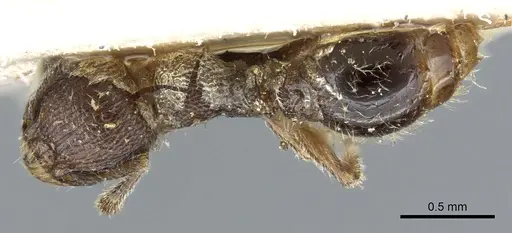
Literature
Loading...Loading products...