

Tetramorium striativentre
- Scientific Name
- Tetramorium striativentre
- Tribe
- Crematogastrini
- Subfamily
- Myrmicinae
- Author
- Mayr, 1877
- Distribution
- Found in 2 countries
Tetramorium striativentre Overview
Tetramorium striativentre is an ant species of the genus Tetramorium. It is primarily documented in 2 countries , including Afghanistan, Iran, Islamic Republic of. Detailed taxonomic data and occurrence records can be further explored via authoritative databases such as AntWeb or the Global Biodiversity Information Facility (GBIF).
Tetramorium striativentre - "Striped Gaster Pavement Ant"
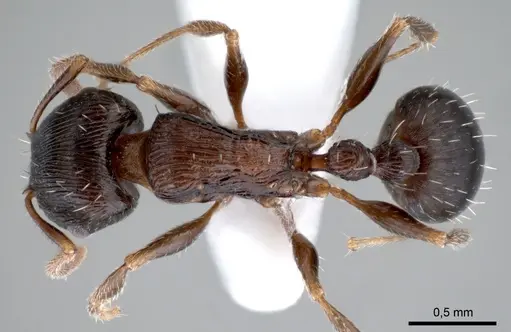
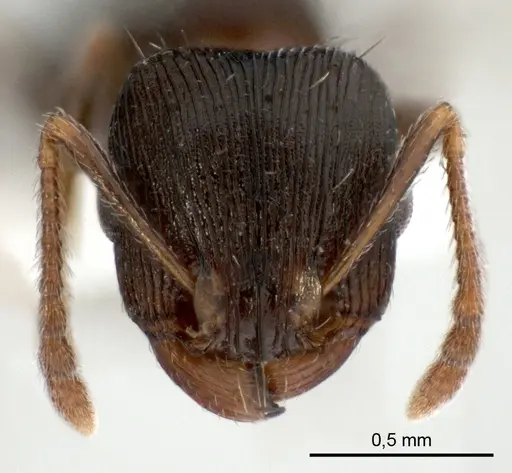
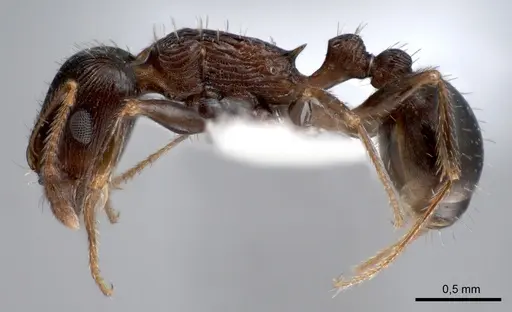
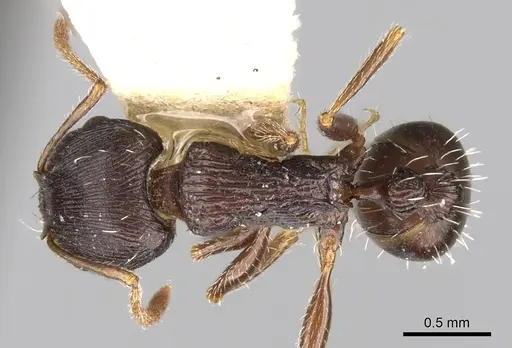
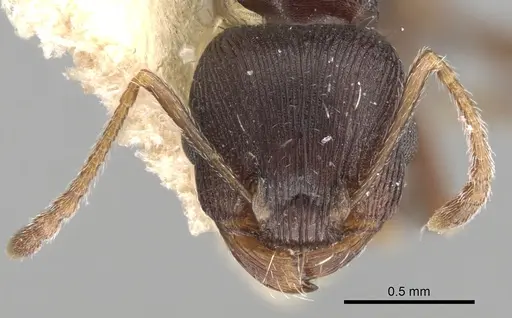
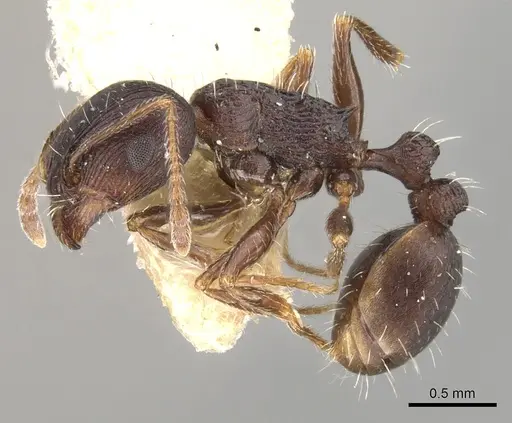
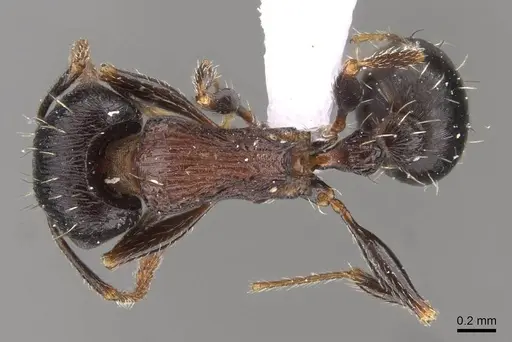
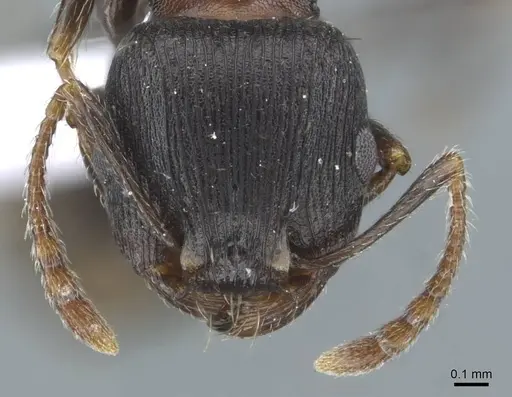
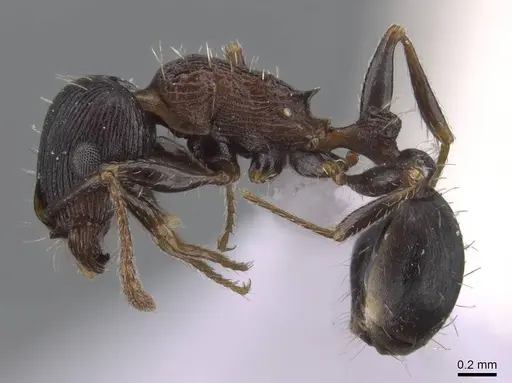
Tetramorium striativentre is a species of ant known for its distinctly longitudinally striated and punctated first gastral tergite, giving it a 'striped' appearance on its abdomen. These ants are generally blackish-brown with brownish-red mandibles and appendages. They are part of the diverse Tetramorium genus, often referred to as 'pavement ants'. Workers are relatively small, and the queens are larger. They are zoonecrophagic, meaning they collect both living small invertebrates and their remnants, but also actively gather plant seeds.
- Difficulty: Medium
- Origin & Habitat: Central Asia, Afghanistan, Iran, NW China, with some records from Israel, Syria, Jordan, and Palestine (though some Middle East records might be Tetramorium sabatinellii). in Mostly mountain regions, preferring steppe-like and semi-desert biotopes with sparse vegetation. Nests are built in soil, often under stones..
- Colony Type: Monogyne, but sometimes pleometrosis (multiple queens founding a colony together) can occur., claustral founding.
- Size & Growth:
- Queen: 6-8mm
- Worker: 2.5-4mm
- Colony: Large (tens of thousands). Fast, with growth accelerating significantly once a certain worker count is reached. growth.
- Antkeeping:
- Temperature: Ideally, keep the colony between 21°C and 27°C for optimal growth. They can tolerate room temperature, but a heat mat can accelerate brood development..
- Humidity: Maintain a humidity range of 50-60%. These ants do not thrive in overly dry conditions, so ensure moisture levels are consistent, especially in natural setups..
- Diapause: Required. 2-4 months at 5-10°C.
- Nesting: They prefer nests with tighter tunnels and a hydration gradient, with moderately dry areas (30-40% moist) alongside drier sections. Nests made from soil, ytong, or acrylic with a substrate layer are suitable..
- Behavior: Medium (towards handler if provoked, highly territorial towards other ant colonies) aggressiveness.
- Common Issues: Escapes due to small worker size and exploratory nature, Maintaining proper humidity gradient in artificial nests, Colony stalling if diapause is skipped or inadequate, Overfeeding leading to waste and mold, Lack of protein impacting growth rate.
Tetramorium striativentre, much like its close relatives in the Tetramorium genus, is a remarkably adaptable species, making it a fascinating choice for antkeepers. While often associated with the 'pavement ant' moniker, this particular species stands out with its distinctive abdominal striations. They're quite active foragers, constantly exploring their outworld for provisions, which can be a joy to observe. Ensuring a secure barrier for their outworld is essential, as these ants are known for their exploratory nature and can easily find ways to escape if not properly contained.
Feeding these ants is generally straightforward, as they are opportunistic omnivores. They readily accept both insect protein and various sugar sources. A varied diet, including small insects like crickets or mealworms, and liquid sugars such as honey water or hummingbird nectar, will keep them thriving. They are also known to be semi-granivorous, so offering a selection of small seeds or nuts can be beneficial for their long-term health and development, providing a richer diet that mimics their natural foraging habits.
Colony growth with Tetramorium striativentre can be surprisingly rapid, especially once they establish a decent worker count. Queens of this species are quite prolific layers, and colonies can quickly expand into the thousands within the first year if kept in optimal conditions with consistent heating and feeding. This fast growth means you'll need to consider nest upgrades sooner rather than later to accommodate their expanding numbers and prevent overcrowding, which can lead to stress and potential issues for the colony.
Diapause is a crucial aspect of caring for Tetramorium striativentre, as it is for many temperate ant species. Providing a period of hibernation during the cooler months, typically from late autumn to early spring, is vital for the queen's health and the colony's long-term viability. A consistent cool temperature during this time allows the queen to rest and reset her reproductive cycle, ensuring she remains healthy and productive for years to come. Skipping diapause can negatively impact the queen's lifespan and overall colony development.
One interesting behavioral note about Tetramorium is their preference for less steep tubing. While they are capable climbers, they seem to navigate more comfortably on gradual slopes rather than perfectly smooth, vertical surfaces. When designing their setup, consider this preference to reduce stress and improve their accessibility within the formicarium. Additionally, they are known for their 'ant wars' in the wild, which can sometimes be observed in larger colonies if you have multiple setups near each other, though this is not recommended for home setups.
Frequently Asked Questions
What kind of nest is best for my Tetramorium striativentre colony?
For Tetramorium striativentre, you'll want a formicarium with good humidity control, allowing for a gradient. They do well in soil-based setups, ytong, or even acrylic nests with a suitable substrate layer to help maintain moisture. Remember, they appreciate tighter tunnels and a mix of slightly moist and drier areas within their nest.
How often should I feed my Tetramorium striativentre?
These ants are active foragers and grow quickly, so they need regular feeding. Offer protein sources like small insects (crickets, mealworms) a few times a week, especially as the colony grows. Liquid sugars like honey water or nectar should also be provided consistently. A good rule of thumb is to feed them what they can consume within a day or two to prevent mold.
Do Tetramorium striativentre need to hibernate?
Yes, Tetramorium striativentre, being a temperate species, absolutely needs a period of diapause. This is essentially their winter dormancy, crucial for the queen's long-term health and the colony's vitality. Typically, this means a few months (2-4) at cooler temperatures, around 5-10°C, from late October to early March.
How fast do Tetramorium striativentre colonies grow?
These ants are known for their impressive growth rate! Once a colony gets past its initial founding stage and has a good number of workers, they can experience rapid population booms. With consistent feeding and appropriate heating, a colony can easily reach thousands of workers within the first year or two.
Are Tetramorium striativentre aggressive?
Tetramorium striativentre workers can be quite feisty, especially when defending their nest or during territorial disputes with other ant colonies. While they might sting if directly threatened by a handler, their venom is mild and generally causes only minor discomfort. They are known for their 'ant wars' in the wild, showcasing their defensive nature.
What's the best way to prevent escapes?
Given their small size and active foraging, preventing escapes is key. A good barrier is essential. Petroleum jelly (Vaseline) or a mix of baby powder and rubbing alcohol applied to the upper edges of the outworld can be effective. Regularly inspect your setup for any cracks or gaps.
Can I keep multiple Tetramorium striativentre queens together (pleometrosis)?
While Tetramorium striativentre are primarily monogynous (single queen colonies), pleometrosis can occasionally occur in founding stages, meaning multiple queens might start a colony together. However, in many cases, rival queens will eventually eliminate each other once workers arrive, leading to a single queen colony.
What do I do if my queen isn't laying eggs after diapause?
If your queen is slow to start laying after diapause, ensure her nest conditions are optimal for activity, particularly temperature (21-27°C) and consistent food supply (especially protein for egg production). Sometimes, it just takes a bit of time for her metabolism to fully restart, but proper diapause is usually the key to a productive queen.
What kind of substrate do they prefer in their nest?
In natural setups or hybrid nests, Tetramorium striativentre prefers substrates like sand, loam, or fine gravel. These materials mimic their natural nesting habits under stones and in soil and help with humidity regulation.
Are there any specific challenges with keeping this species?
The main challenges include managing their fast growth, ensuring a proper humidity gradient within the nest (as they don't like overly dry conditions), and providing a necessary diapause period. Their small size and exploratory nature also necessitate robust escape prevention measures.

This caresheet is licensed under CC BY-SA 4.0 .
Literature
Loading...Loading products...