

Tetramorium squaminode
- Scientific Name
- Tetramorium squaminode
- Tribe
- Crematogastrini
- Subfamily
- Myrmicinae
- Author
- Santschi, 1911
- Distribution
- Found in 4 countries
Tetramorium squaminode Overview
Tetramorium squaminode is an ant species of the genus Tetramorium. It is primarily documented in 4 countries , including Kenya, Saudi Arabia, Tanzania. Detailed taxonomic data and occurrence records can be further explored via authoritative databases such as AntWeb or the Global Biodiversity Information Facility (GBIF).
Tetramorium squaminode
Tetramorium squaminode is a small, ground-dwelling ant species native to the Afrotropical region, found across Kenya, Saudi Arabia, South Africa, Tanzania, and Zimbabwe [1]. Workers measure 2.7-3.9mm and are characterized by their distinctive knife-edged petiole scale, a thin, sharp dorsal crest that sets them apart from other Tetramorium species [1]. They have a brown coloration with a dark brown head and gaster, while the mesosoma tends to be yellowish-brown [2]. Queens are larger at 3.65-3.75mm and darker, appearing blackish-brown with yellowish antennae and legs [2].
This species is an Afromontane element, meaning it lives at high elevations above 2500m. It was first discovered in the alpine heather zone of Mount Kilimanjaro in Tanzania at altitudes of 3200-3800m, and has more recently been found in the juniper forests of Saudi Arabia's Asir region at around 2760m [3][2]. The species belongs to the squaminode group within the genus Tetramorium, characterized by their uniquely narrow, sharp petiole scales [4].
Quick Summary
- Difficulty: Medium
- Origin & Habitat: Afrotropical region including Kenya, Saudi Arabia, South Africa, Tanzania, and Zimbabwe. This is a high-elevation mountain species found in alpine heather zones and montane juniper forests at elevations above 2500m [1][2][3].
- Colony Type: Unconfirmed, colony structure has not been directly studied. Most Tetramorium species are single-queen (monogyne) colonies, but this has not been documented for T. squaminode specifically.
- Size & Growth:
- Queen: 3.65-3.75mm [2]
- Worker: 2.7-3.9mm [2][1]
- Colony: Unknown, no colony size data available for this species
- Growth: Unknown, no development data available for this species
- Development: Estimated 6-10 weeks based on typical Tetramorium genus patterns at optimal temperature (around 20-24°C) (No direct development data exists for this species. Estimates based on related Tetramorium species.)
- Antkeeping:
- Temperature: Keep at 20-24°C. As a high-elevation Afromontane species, they likely prefer cooler conditions than typical tropical ants. Provide a temperature gradient so workers can self-regulate.
- Humidity: Moderate humidity around 50-70%. Their natural habitat includes montane forests with moderate moisture. Keep the nest substrate moist but not waterlogged.
- Diapause: Likely yes, as a high-elevation species from regions with seasonal temperature changes, they probably require a winter rest period. However, this has not been directly studied.
- Nesting: No specific nesting data exists. Based on typical Tetramorium behavior, they likely nest in soil or under stones in captivity. A naturalistic setup with soil substrate or a Y-tong/plaster nest works well.
- Behavior: Workers are small and active foragers. Like other Myrmicinae, they have a functional stinger and may use it defensively if threatened. They likely forage on the ground surface for small prey and honeydew. Their small size means escape prevention is important, they can squeeze through small gaps. Temperament is typical of ground-dwelling Tetramorium, not particularly aggressive but will defend the nest.
- Common Issues: lack of species-specific care data makes husbandry recommendations uncertain, high-elevation origin means temperature requirements may differ from typical tropical ant setups, small worker size increases escape risk, use fine mesh barriers, no documented colony size means growth expectations are uncertain, hibernation requirements are unconfirmed but likely necessary
Origin and Natural Habitat
Tetramorium squaminode is native to the Afrotropical region, with documented populations in Kenya, Saudi Arabia, South Africa, Tanzania, and Zimbabwe [1]. This species is unusual among ants in that it is an Afromontane faunal element, it lives exclusively at high elevations above 2500m [2]. The species was first described from Mount Kilimanjaro in Tanzania, where it was collected from the alpine heather zone at elevations between 3200-3800m [3]. More recent collections have been made in the Asir region of Saudi Arabia, specifically in the Raydah Protectorate, which contains one of the last remnants of dense juniper forest in the Arabian Peninsula [2]. The vegetation in these areas includes Juniperus procera, Olea europaea, and various other montane plant species [2]. One specimen was collected from a burnt field, suggesting the species can tolerate disturbed habitats to some degree [1]. The high-elevation mountain habitat indicates this species prefers cooler temperatures than typical tropical ants.
Identification and Appearance
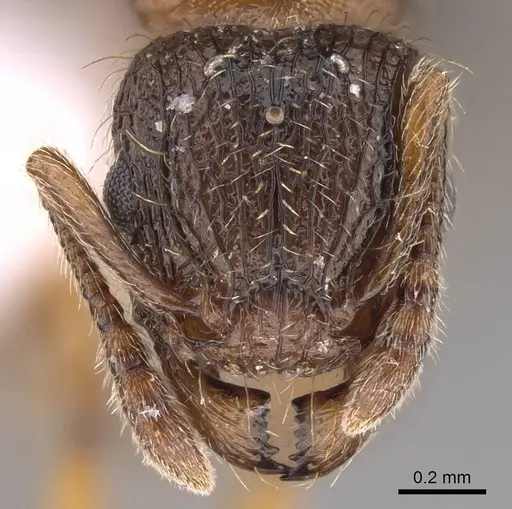
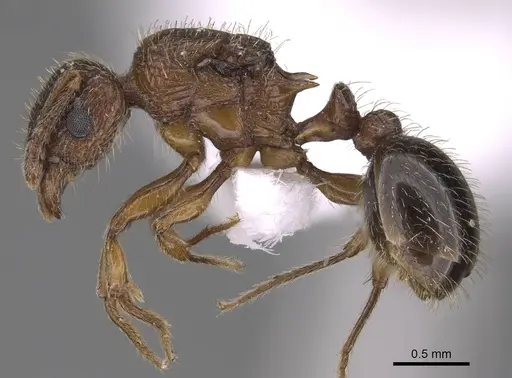
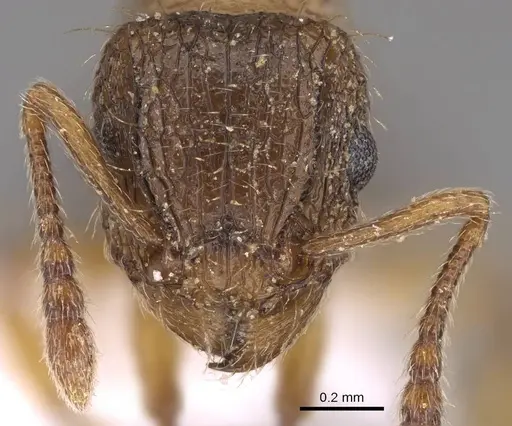
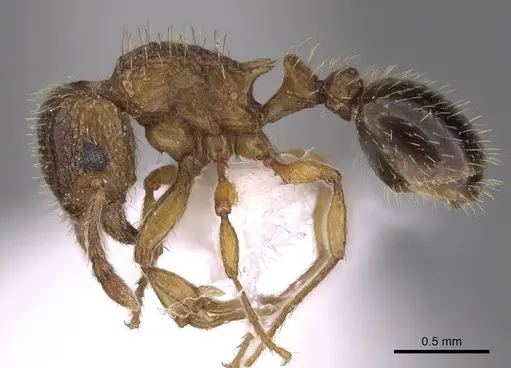
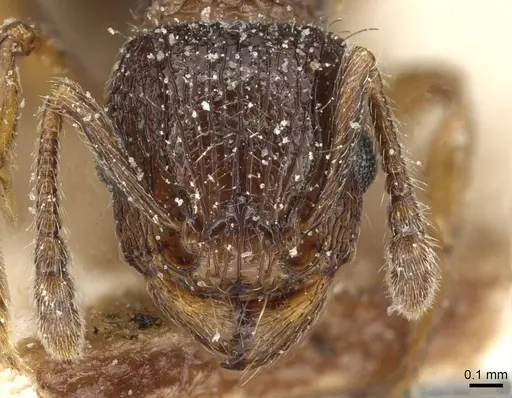
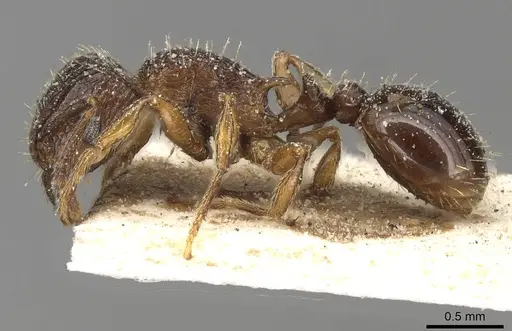
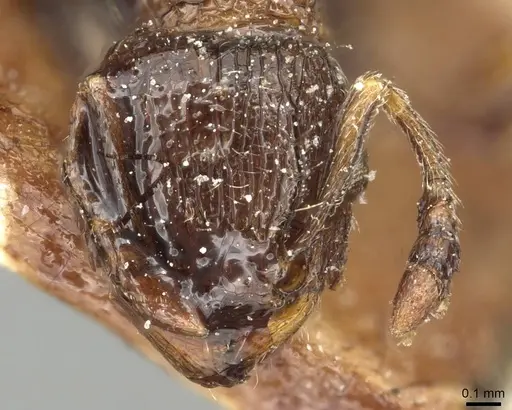
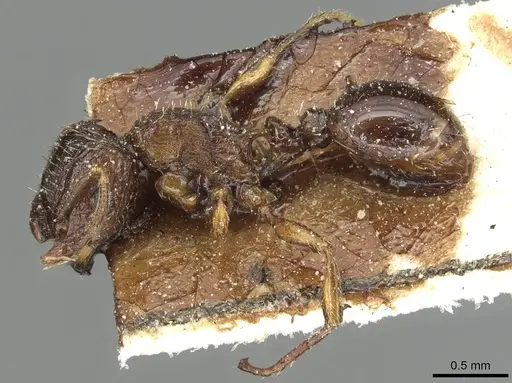
The most distinctive feature of T. squaminode is its very narrow, dorsally knife-edged petiole scale. In profile, this scale is high and very narrow with a thin, sharp transverse dorsal crest that is knife-edged rather than rounded [1]. This diagnostic character easily separates it from other members of the squaminode group. Workers measure 2.7-3.9mm in total length and have a brown coloration. The head and gaster are typically dark brown, while the mesosoma, petiole, and postpetiole are yellowish-brown [2]. The anterior clypeal margin has a median impression, and the frontal carinae are strongly developed, extending to the posterior corners of the head. The propodeal spines are long and sharp, often slightly downcurved. Queens are larger at 3.65-3.75mm and appear darker, the head, mesosomal dorsum, petiole, and postpetiole are dark brown to blackish brown, while the gaster is dark blackish brown to black. The antennae and legs are yellowish [2]. Both workers and queens have abundant short, stout hairs on their dorsal surfaces, with some hairs being apically clubbed.
Temperature and Care
As a high-elevation Afromontane species, T. squaminode likely prefers cooler temperatures than many other ant species. Based on their natural habitat in alpine zones and montane forests, aim for temperatures in the range of 20-24°C. Avoid overheating, this species is adapted to cooler mountain conditions. Provide a temperature gradient within the nest so workers can regulate their own temperature by moving between warmer and cooler areas. A heating cable on one side of the nest can create this gradient, but ensure there's a cool side available at all times. Since this species has not been kept in captivity before, start within this temperature range and observe colony behavior. If workers consistently cluster in cooler areas, lower the temperature slightly. The species likely experiences seasonal temperature variations in its native habitat and may require a winter rest period, though this has not been directly documented. [2][3]
Housing and Nesting
No specific nesting data exists for this species, but based on typical Tetramorium behavior and their ground-dwelling nature, they likely nest in soil or under stones in the wild. For captivity, a naturalistic setup with a soil substrate works well, or you can use a Y-tong (AAC) nest or plaster nest with appropriately sized chambers. The workers are small (under 4mm), so ensure chambers and passages are appropriately scaled. Escape prevention is important due to their small size, use tight-fitting lids and fine mesh barriers. The species has been collected using pitfall traps in its native habitat, confirming its ground-foraging behavior [2]. Provide a foraging area where workers can search for food. Since they come from humid montane environments, maintain moderate humidity in the nest (around 50-70%) and keep the substrate moist but not waterlogged.
Feeding and Diet
No specific dietary studies exist for T. squaminode, but like other Tetramorium species, they are likely omnivorous ground-foragers that consume small insects, seeds, and honeydew. In captivity, offer a varied diet including small live prey such as fruit flies, pinhead crickets, or mealworms. They will likely accept sugar sources like honey water or sugar water. Feed protein prey 2-3 times per week and provide constant access to sugar water. Since this is a small species, prey items should be appropriately sized, not larger than the workers themselves. Observe feeding behavior and adjust quantities based on what the colony consumes. Uneaten prey should be removed to prevent mold.
Colony Structure and Development
The colony structure of T. squaminode has not been directly studied. Most Tetramorium species form single-queen (monogyne) colonies, but we cannot confirm this for this specific species without research. Queens measure 3.65-3.75mm and are larger than workers, as expected for the genus [2]. No data exists on colony size, growth rate, or development timeline for this species. Based on typical Tetramorium patterns, claustral founding (where the queen seals herself in and raises the first workers alone on stored fat reserves) is likely, but this has not been documented. The first workers (nanitics) will likely be smaller than fully grown workers. Given the lack of species-specific data, keepers should monitor their colony closely and adjust care based on observed behavior and growth patterns.
Frequently Asked Questions
How long does it take for Tetramorium squaminode to produce first workers?
The exact development timeline is unknown for this species. Based on typical Tetramorium genus patterns, expect approximately 6-10 weeks from egg to first worker at optimal temperature (around 20-24°C). This is an estimate since no direct development data exists for T. squaminode.
What temperature do Tetramorium squaminode ants need?
Keep them at 20-24°C. As a high-elevation Afromontane species from mountain habitats above 2500m, they prefer cooler conditions than typical tropical ants. Provide a temperature gradient so workers can self-regulate.
Can I keep Tetramorium squaminode in a test tube setup?
Yes, a test tube setup can work for founding colonies. Ensure the tube is appropriately sized for their small workers (under 4mm) and maintain humidity by keeping the water section filled. However, since this species has not been documented in the antkeeping hobby, monitor the colony closely for any signs of stress.
Do Tetramorium squaminode ants sting?
Yes, like other members of the subfamily Myrmicinae, they have a functional stinger and may use it defensively. However, they are small ants and their sting is not considered dangerous to humans.
How big do Tetramorium squaminode colonies get?
The maximum colony size is unknown, no colony size data exists for this species in the scientific literature. Based on typical Tetramorium species, colonies likely reach several hundred to a few thousand workers over time.
Are Tetramorium squaminode ants good for beginners?
This species is not ideal for complete beginners due to the lack of species-specific care data. However, antkeepers with moderate experience who can provide appropriate cool temperatures and humidity should be able to keep them successfully. The main challenges are the uncertainty in care requirements and the lack of established husbandry protocols.
Do Tetramorium squaminode ants need hibernation?
Likely yes, as a high-elevation species from regions with seasonal temperature changes, they probably require a winter rest period. However, this has not been directly studied. If your colony shows reduced activity in winter, allow them to cool down gradually to around 10-15°C for 2-3 months.
What do Tetramorium squaminode ants eat?
Like other Tetramorium species, they likely eat small insects, seeds, and honeydew. In captivity, offer small live prey (fruit flies, pinhead crickets), protein foods, and sugar sources (honey water, sugar water). Adjust based on what your colony accepts.
Where is Tetramorium squaminode found in the wild?
This species is native to the Afrotropical region, found in Kenya, Saudi Arabia, South Africa, Tanzania, and Zimbabwe. They live at high elevations above 2500m in alpine heather zones and montane juniper forests [1][2][3].
How do I identify Tetramorium squaminode ants?
The most distinctive feature is their very narrow, knife-edged petiole scale, the dorsal crest is thin and sharp, not rounded like in other Tetramorium species [1]. Workers are 2.7-3.9mm with brown coloration (dark brown head and gaster, yellowish-brown mesosoma). Queens are larger at 3.65-3.75mm and darker (blackish-brown) [2].
References

This caresheet is licensed under CC BY-SA 4.0 .
CASENT0914584
View on AntWeb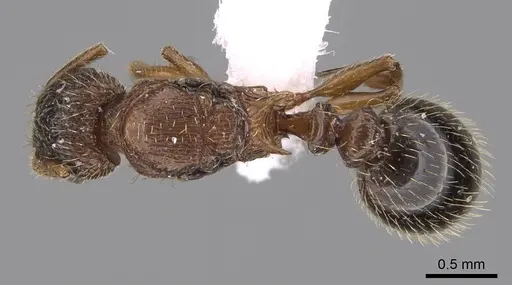
CASENT0914585
View on AntWeb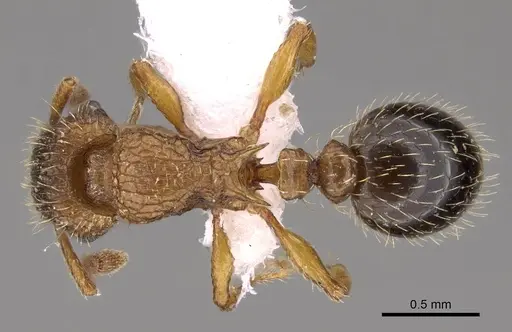
CASENT0915083
View on AntWeb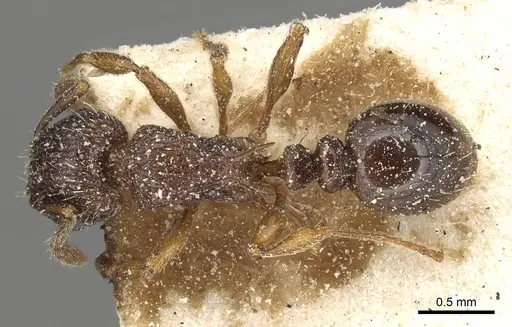
CASENT0915421
View on AntWeb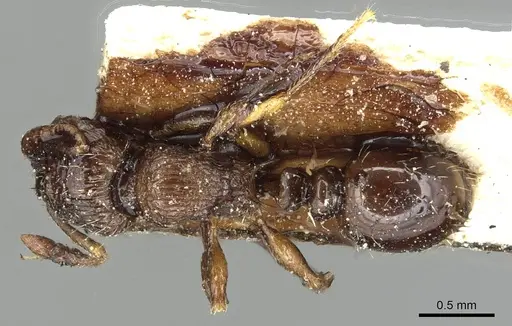
Literature
Loading...Loading products...