

Tetramorium setigerum
- Scientific Name
- Tetramorium setigerum
- Tribe
- Crematogastrini
- Subfamily
- Myrmicinae
- Author
- Mayr, 1901
- Distribution
- Found in 3 countries
Tetramorium setigerum Overview
Tetramorium setigerum is an ant species of the genus Tetramorium. It is primarily documented in 3 countries , including Mozambique, South Africa, Zimbabwe. Detailed taxonomic data and occurrence records can be further explored via authoritative databases such as AntWeb or the Global Biodiversity Information Facility (GBIF).
Tetramorium setigerum
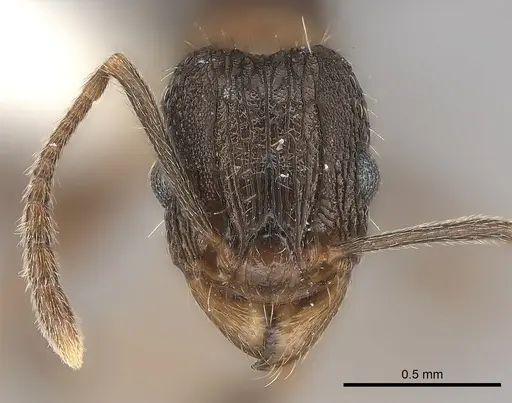
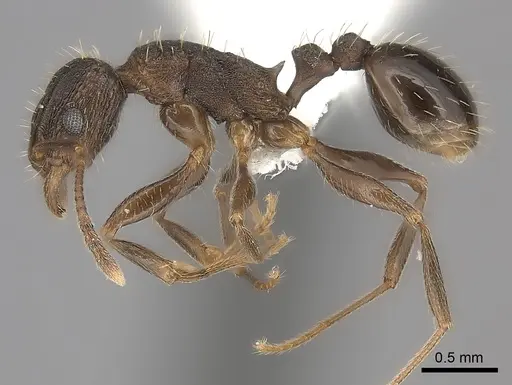
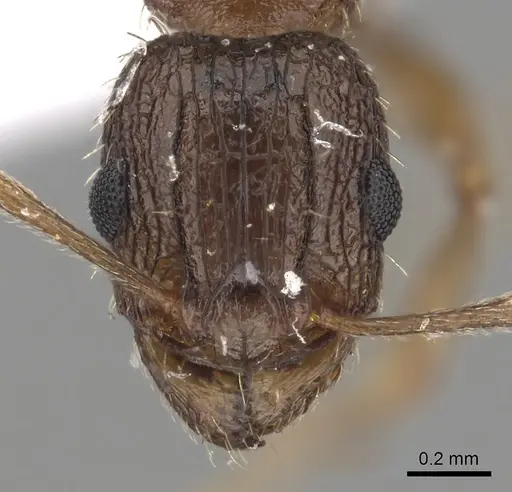
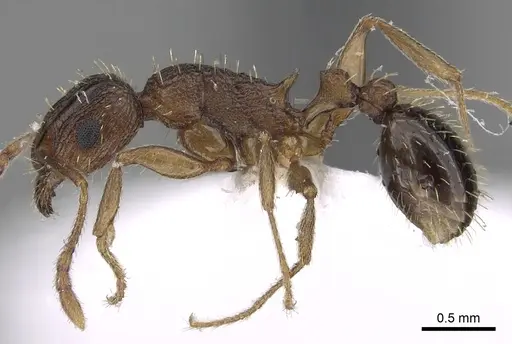
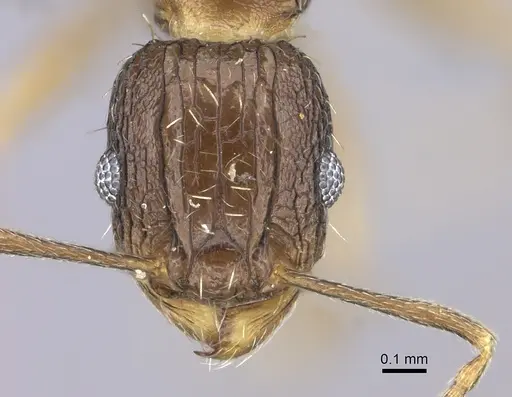
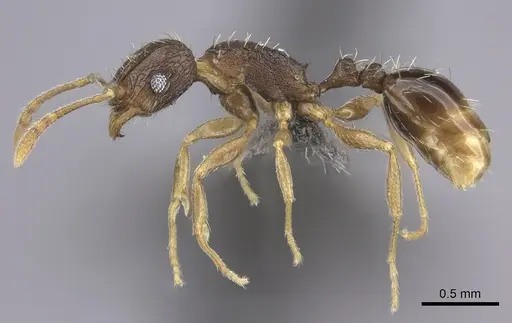
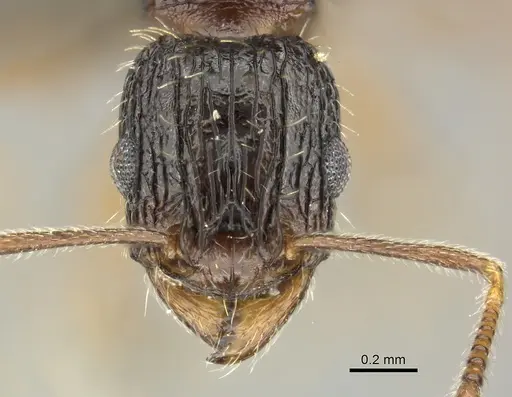
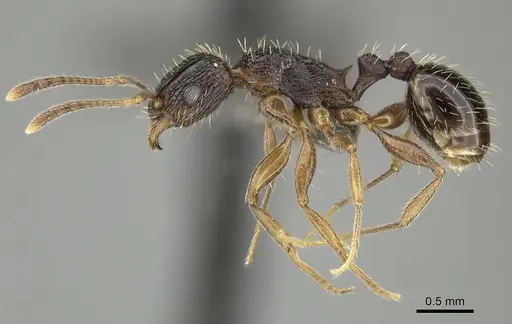
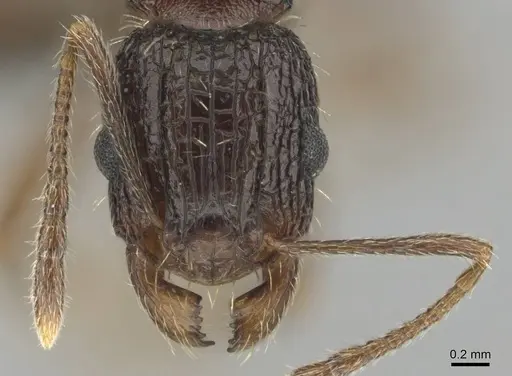
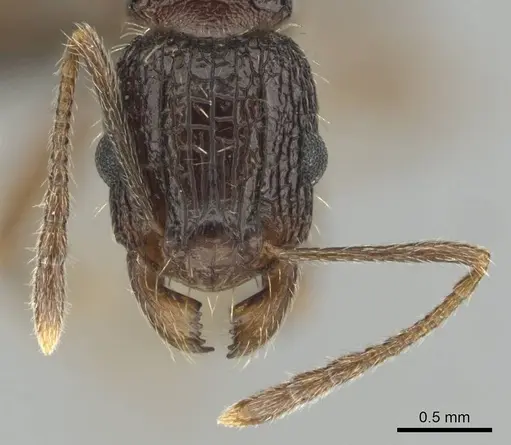
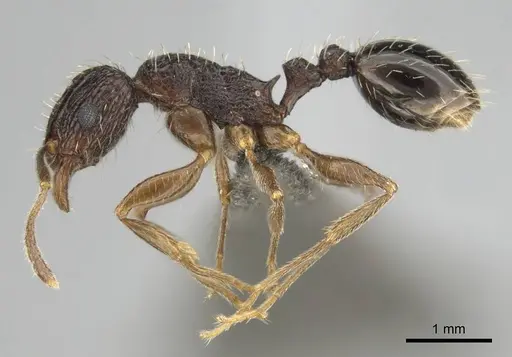
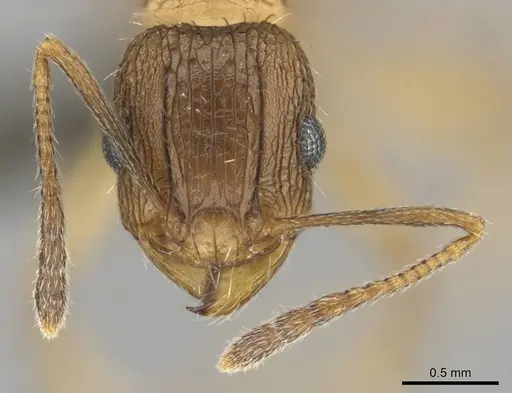
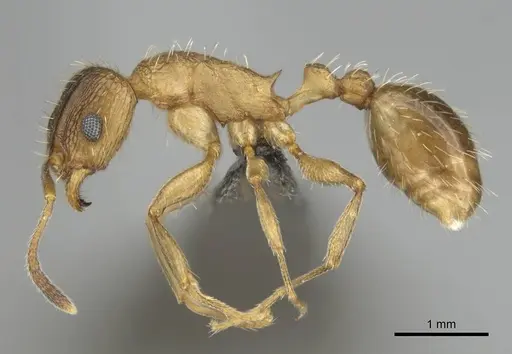
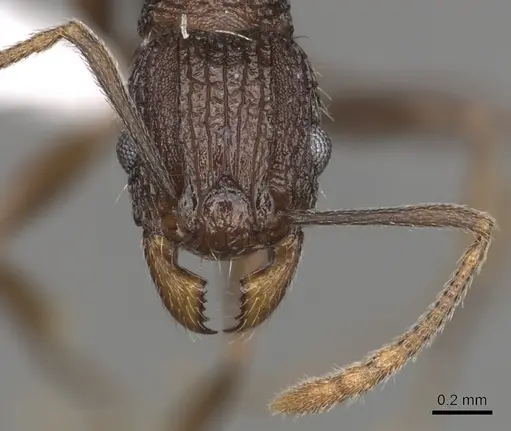
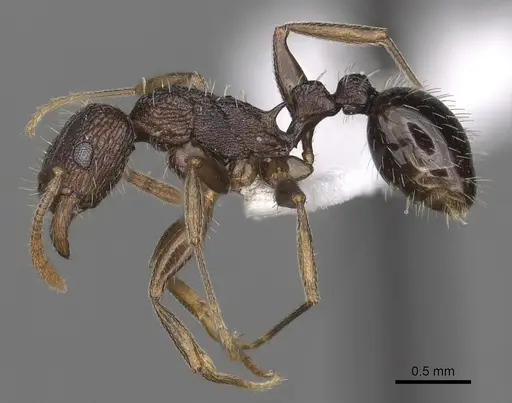
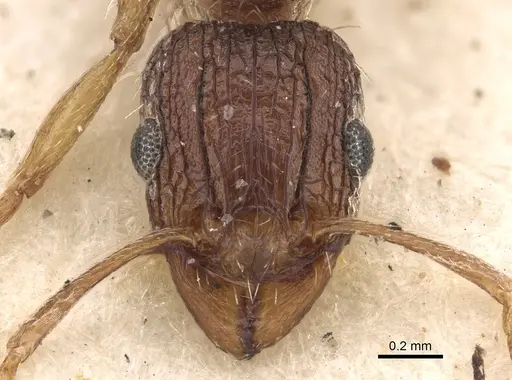
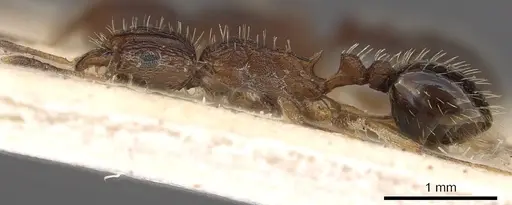
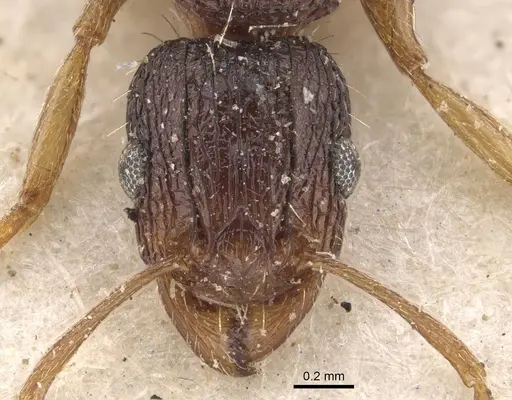
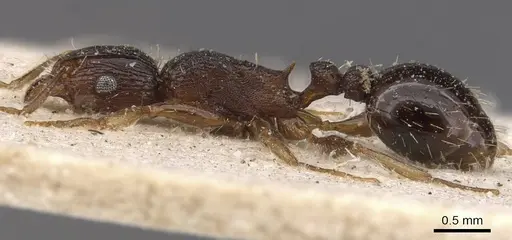
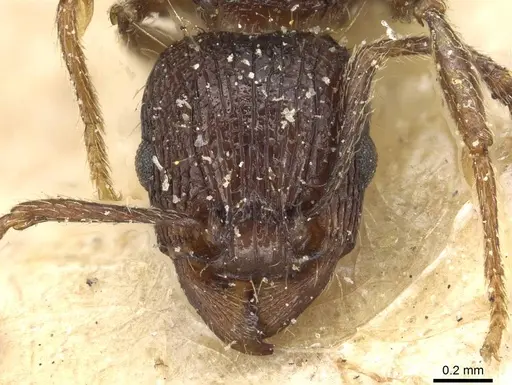
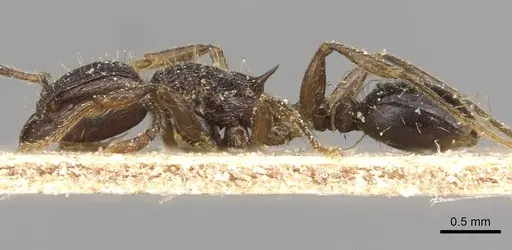
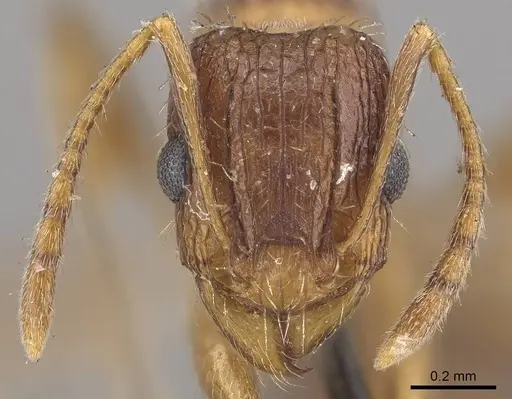
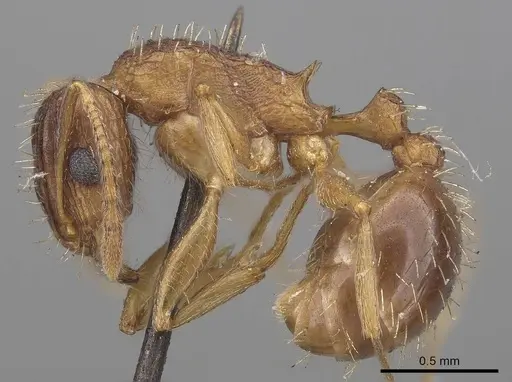
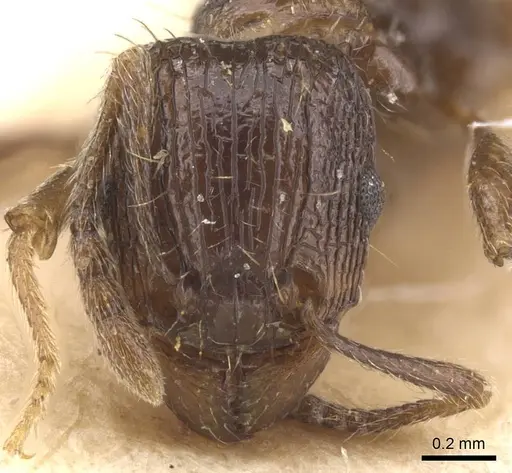
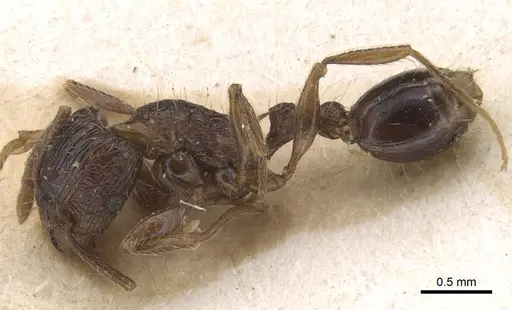
Tetramorium setigerum is a small, ground-dwelling ant species native to the Afrotropical region, found across eastern and southern Africa from South Africa to Kenya and Sudan [1]. Workers measure 3.4-4.0mm and have a distinctive appearance with strongly developed frontal carinae, short stout propodeal spines, and a high petiole node. Their coloration is uniform mid to dark brown, often with a darker gaster. The species is characterized by longitudinally striate mandibles and fine rugulose sculpture on the head and alitrunk, with numerous standing hairs on all dorsal surfaces.
This species is a versatile generalist that thrives in open to semi-open habitats including grassland, savanna, thornveld, and bushveld. It functions as an opportunist in ecological terms, able to adapt to various environmental conditions and is often found in rehabilitated areas with shrubby vegetation [2]. T. setigerum is a late-successional species that becomes more abundant over time and is associated with areas showing ecological recovery.
Quick Summary
- Difficulty: Easy
- Origin & Habitat: Native to the Afrotropical region, found in South Africa, Zimbabwe, Mozambique, Eswatini, Tanzania, Kenya, Uganda, Sudan, Gabon, and Democratic Republic of Congo [1]. Inhabits open to semi-open habitats including grassland, savanna, thornveld, and bushveld [1]. A generalist species common across multiple African savanna ecosystems [3].
- Colony Type: Colony structure is unconfirmed, no specific data on queen number (monogyne vs polygyne) is available. As a typical Tetramorium species, likely forms single-queen colonies but this requires confirmation.
- Size & Growth:
- Queen: Unconfirmed, no specific measurements documented
- Worker: 3.4-4.0mm
- Colony: Likely moderate, typical Tetramorium colonies reach several hundred workers
- Growth: Moderate, inferred from typical Tetramorium development patterns
- Development: 6-10 weeks estimated based on typical Tetramorium genus patterns (Development time inferred from related species, specific data for T. setigerum unavailable)
- Antkeeping:
- Temperature: Keep at 22-26°C, they tolerate warmer conditions consistent with their African savanna origin. A gentle gradient is beneficial.
- Humidity: Moderate humidity around 50-70%. Allow portions of the nest to dry while keeping some areas moist.
- Diapause: Likely minimal or none, as a tropical/subtropical species from Africa, they probably do not require true hibernation but may slow down during cooler periods.
- Nesting: Ground-dwelling species that naturally nests in soil under stones or in decaying wood. A naturalistic setup with soil substrate or a Y-tong/plaster nest works well. Provide some damp areas for brood chambers.
- Behavior: Generally peaceful and non-aggressive. Workers are active foragers that search for food on the ground surface. As small ants (under 4mm), they can escape through tiny gaps, use fine mesh barriers and ensure enclosures are secure. They are generalist feeders and likely accept both protein sources and sugar. They show activity patterns consistent with day-foraging in savanna conditions.
- Common Issues: escape prevention is critical due to their small size, they can squeeze through very small gaps, colonies may be slow to establish initially, patience is needed during founding, as ground-nesters, they need proper substrate moisture balance to prevent mold, limited specific care data available, may require experimentation to optimize conditions, wild-caught colonies may carry parasites that can cause problems in captivity
Housing and Nesting
Tetramorium setigerum is a ground-dwelling species that naturally nests in soil, often under stones or in decaying wood in open habitats. For captive care, a naturalistic setup with a soil substrate works well, this allows the ants to create their own chambers and tunnels. Alternatively, Y-tong (AAC) nests or plaster nests with narrow chambers scaled to their 3-4mm size are suitable options. Because they are small ants, ensure the nest chambers are appropriately sized with tight passages. Provide a water source in the outworld and maintain moderate humidity within the nest area. Some damp areas for brood chambers are important, but allow portions to dry to prevent mold buildup [1][2].
Feeding and Diet
As a generalist species, Tetramorium setigerum likely accepts a wide variety of foods. In captivity, offer protein sources such as small insects (fruit flies, small mealworms, crickets), and provide sugar sources like honey water or sugar water. They are ground-foragers, so place food on the substrate surface where workers can easily access it. Based on their opportunistic feeding behavior in the wild, they probably scavenge and hunt small arthropods. Feed protein 2-3 times per week and keep sugar water available continuously. Remove uneaten food after 24-48 hours to prevent mold [3][2].
Temperature and Seasonal Care
Keep these ants at 22-26°C, reflecting their African savanna origin. They tolerate warmer conditions well and can likely handle temperatures into the low 30s°C. A heating cable on one side of the nest can create a beneficial temperature gradient, allowing ants to self-regulate. Place the heating on top of the nest to avoid evaporating moisture too quickly. As a species from tropical/subtropical Africa, they likely do not require true hibernation but may reduce activity during cooler periods. If you notice reduced foraging during winter months, simply maintain stable room temperature rather than attempting a formal diapause. Avoid temperatures below 18°C for extended periods [1].
Behavior and Temperament
These ants are generally peaceful and not particularly aggressive. Workers are active foragers that search the ground surface for food and resources. They are small ants (3.4-4.0mm) and this small size means they pose a significant escape risk, they can squeeze through remarkably small gaps. Always use excellent escape prevention including fine mesh on any ventilation holes, tight-fitting lids, and reliable barrier methods like Fluon on test tube rims. They are diurnal foragers, consistent with their savanna habitat. Colonies are likely moderate in size, reaching several hundred workers over time. The workers have the characteristic Tetramorium appearance with short propodeal spines and a high petiole node.
Colony Establishment
When establishing a colony, start with a claustral queen if you obtain a founding queen, she should seal herself in a chamber and raise the first brood without foraging, typical of most Tetramorium species. Provide a small test tube setup with a water reservoir and keep it undisturbed in a warm, dark location. Once the first workers (nanitics) emerge, you can begin offering small food items. Growth is typically moderate, expect 6-10 weeks from egg to first worker under optimal conditions. Colonies may take time to establish, so patience is important during the founding phase. Transfer to a larger nest only when the colony shows significant growth and the test tube becomes crowded [1].
Frequently Asked Questions
How long does it take for Tetramorium setigerum to raise first workers?
Based on typical Tetramorium development patterns, expect 6-10 weeks from egg to first worker at optimal temperature (around 24-26°C). The exact timeline for this species is unconfirmed, but related Tetramorium species generally take 6-10 weeks for complete development.
Can I keep Tetramorium setigerum in a test tube setup?
Yes, test tube setups work well for founding colonies. Use a small test tube with a water reservoir and cotton plug. Keep it warm and undisturbed until the first workers emerge. Transfer to a larger nest (Y-tong, plaster, or naturalistic setup) once the colony grows beyond 20-30 workers.
What do Tetramorium setigerum ants eat?
They are generalist feeders. Offer small protein sources like fruit flies, small mealworms, or tiny crickets 2-3 times per week. Keep sugar water or honey water available constantly. They forage on the ground surface, so place food where workers can easily access it.
Do Tetramorium setigerum ants sting?
As a Myrmicinae species, they have a functional stinger. However, their small size (3.4-4.0mm) means any sting would be very mild. They are not aggressive and typically flee rather than engage. The sting is not medically significant for humans.
Are Tetramorium setigerum ants good for beginners?
Yes, this species is rated as easy to keep. They are generalists that adapt to various conditions, are peaceful in temperament, and tolerate typical room temperatures. The main challenge is escape prevention due to their small size. They are a good choice for beginners interested in African ant species.
Do Tetramorium setigerum ants need hibernation?
Probably not. As an African species from tropical/subtropical regions, they likely do not require true hibernation. They may slow down during cooler periods, but maintaining stable temperatures around 22-26°C year-round is recommended.
How big do Tetramorium setigerum colonies get?
Colony size is not specifically documented, but typical Tetramorium species reach several hundred workers. Expect moderate growth over 1-2 years to establish a substantial colony.
Why are my Tetramorium setigerum escaping?
Their small size (3.4mm) means they can squeeze through tiny gaps. Use fine mesh on all ventilation, ensure lids fit tightly, and apply barrier methods like Fluon to tube rims and enclosure edges. Check for any gaps larger than 1mm.
When should I move my colony to a formicarium?
Transfer to a larger nest when the test tube becomes crowded or when you see 30+ workers. A Y-tong or plaster nest with appropriately sized chambers works well. Ensure the new nest has proper moisture retention and escape prevention.
What temperature is best for Tetramorium setigerum?
Keep them at 22-26°C. They tolerate warmer conditions well (into the low 30s°C) but avoid temperatures below 18°C. A gentle temperature gradient allows ants to self-regulate their brood development.
References

This caresheet is licensed under CC BY-SA 4.0 .
CASENT0100785
View on AntWeb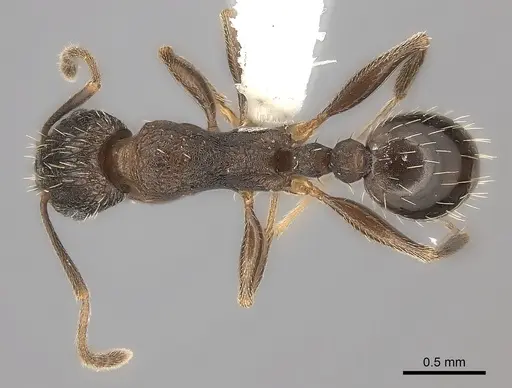
CASENT0217217
View on AntWeb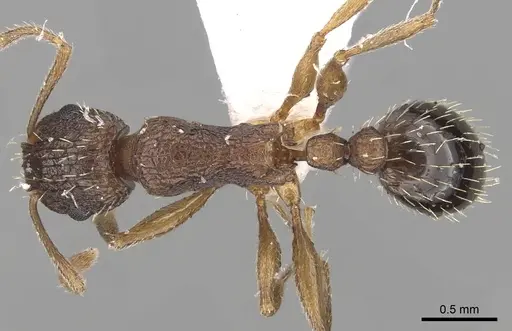
CASENT0235774
View on AntWeb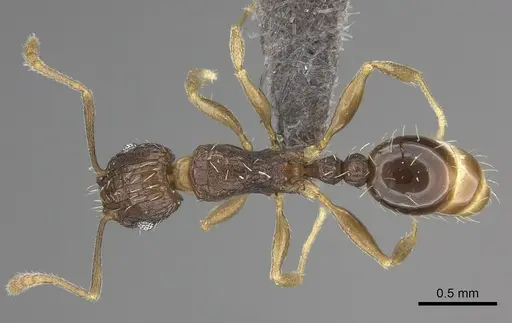
CASENT0249026
View on AntWeb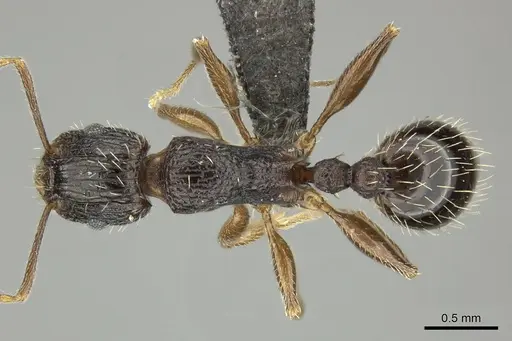
CASENT0253243
View on AntWeb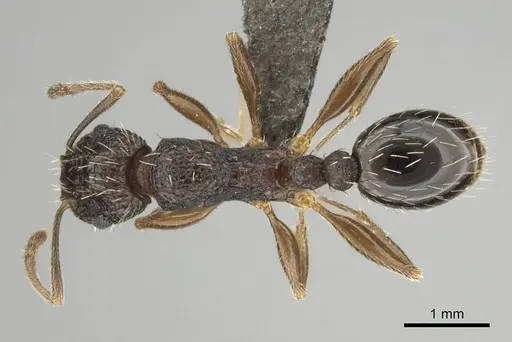
CASENT0253257
View on AntWeb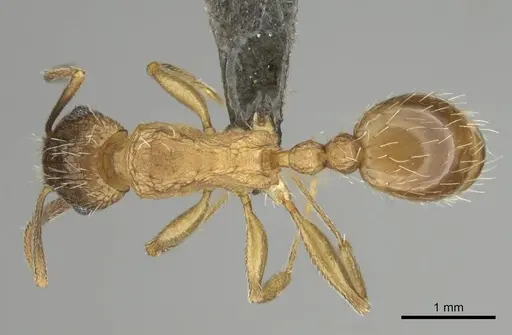
CASENT0316981
View on AntWeb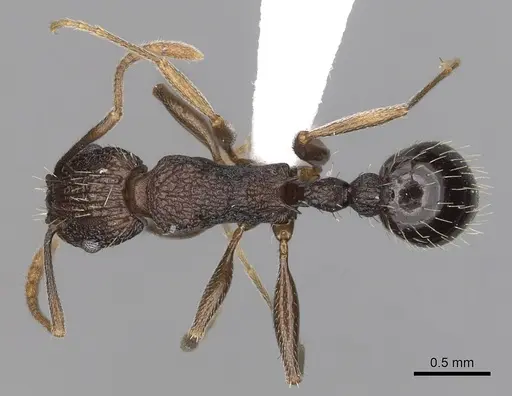
CASENT0901190
View on AntWeb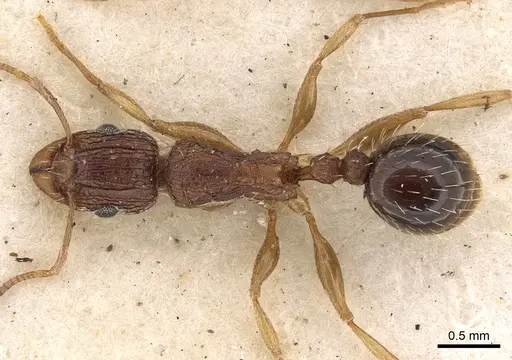
CASENT0909154
View on AntWeb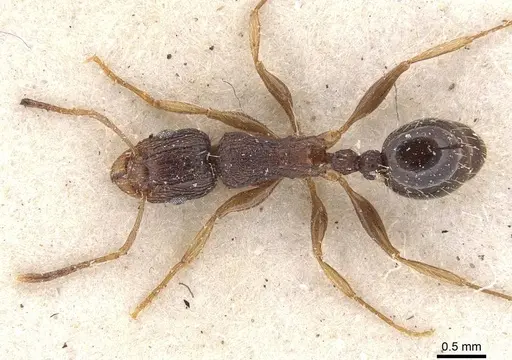
CASENT0915076
View on AntWeb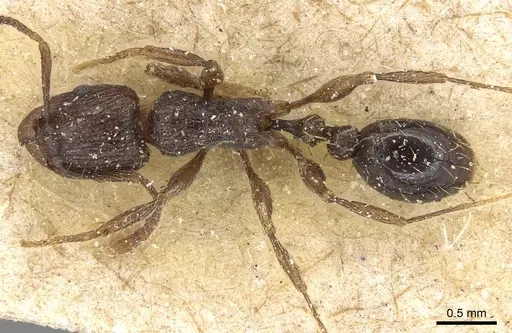
CASENT0919651
View on AntWeb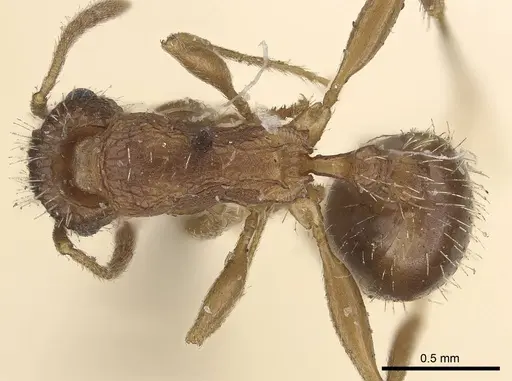
RMCAENT000017789
View on AntWeb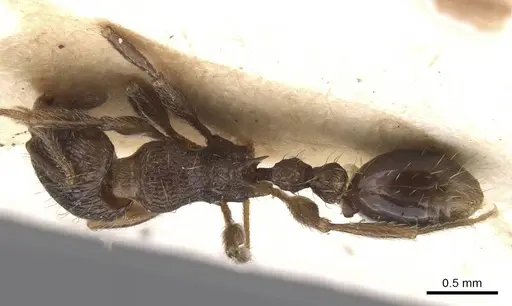
Literature
Loading...Loading products...