

Tetramorium scytalum
- Scientific Name
- Tetramorium scytalum
- Tribe
- Crematogastrini
- Subfamily
- Myrmicinae
- Author
- Bolton, 1979
- Distribution
- Found in 3 countries
Tetramorium scytalum Overview
Tetramorium scytalum is an ant species of the genus Tetramorium. It is primarily documented in 3 countries , including Comoros, Madagascar, Mayotte. Detailed taxonomic data and occurrence records can be further explored via authoritative databases such as AntWeb or the Global Biodiversity Information Facility (GBIF).
Tetramorium scytalum
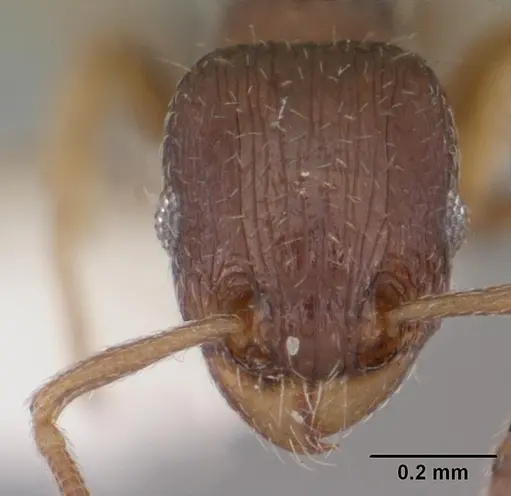
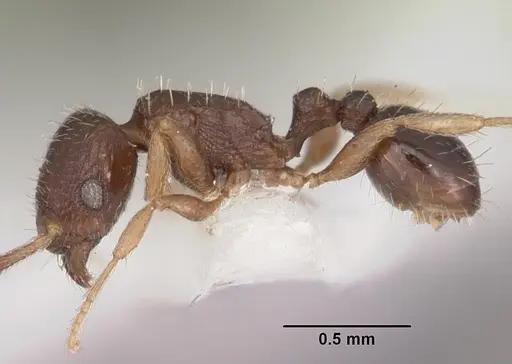
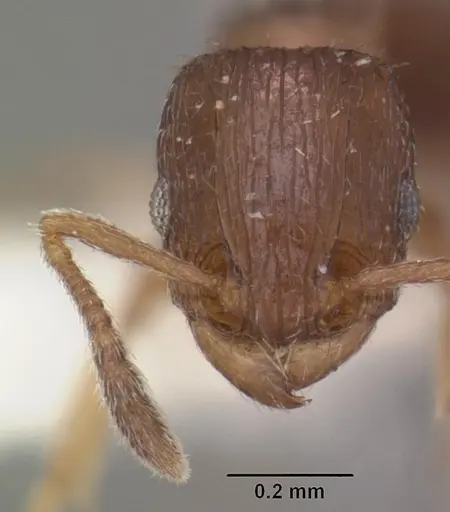
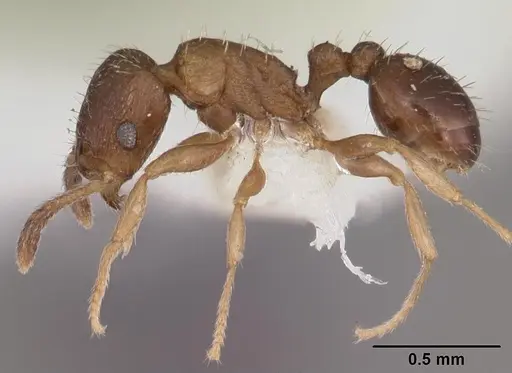
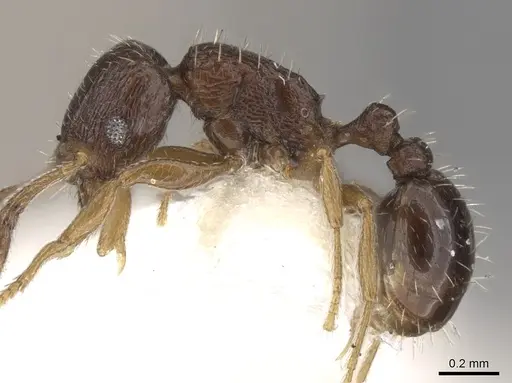
Tetramorium scytalum is a tiny ant species belonging to the Tetramorium simillimum species group, described by Bolton in 1979 [1]. Workers are small, typically measuring 2-3mm, with the characteristic Tetramorium appearance including a 12-segmented antenna with a 3-segmented club and a distinctly petiolate waist [1]. This species is native to the Malagasy region, found throughout Madagascar as well as the Comoros archipelago and Mayotte [1]. The species was originally described from Madagascar specimens and represents part of the diverse ant fauna unique to these islands [2].
In the wild, T. scytalum inhabits unburned grassland areas, suggesting a preference for relatively undisturbed habitats with natural ground cover [2]. They've also been recorded in tropical dry forest regions like Kirindy Forest in western Madagascar [3]. This species appears to be a ground-nesting ant typical of the genus, foraging in leaf litter and along the ground surface. Given its tropical island distribution, it likely prefers warm, moderately humid conditions year-round.
Quick Summary
- Difficulty: Medium
- Origin & Habitat: Native to the Malagasy region: Madagascar, Comoros, and Mayotte islands in the Indian Ocean [1]. Found in unburned grassland and tropical dry deciduous forest [2][3].
- Colony Type: Likely monogyne (single queen colonies) based on typical Tetramorium patterns. Colony size is unknown but likely reaches several hundred workers based on genus patterns.
- Colony: Monogyne
- Founding: Claustral
- Size & Growth:
- Queen: Estimated 5-7mm based on genus patterns for Tetramorium simillimum group species
- Worker: Estimated 2-3mm based on genus patterns [1]
- Colony: Unknown but likely several hundred workers based on related species
- Growth: Moderate, typical for small Myrmicinae
- Development: Estimated 6-8 weeks at optimal temperature based on related Tetramorium species (Development time is estimated from genus-level data since species-specific studies are unavailable)
- Antkeeping:
- Temperature: Keep at 22-26°C, tropical species requiring warm conditions year-round. A gentle temperature gradient allows workers to self-regulate.
- Humidity: Maintain moderate to high humidity (60-80%). These are forest-floor ants that prefer damp but not waterlogged substrate. Keep the nest substrate consistently moist.
- Diapause: No true diapause required, being a tropical species, they remain active year-round with stable temperatures. However, a slight reduction in temperature during winter months (down to 20-22°C) may be beneficial.
- Nesting: Natural nesting occurs in soil and leaf litter in grassland and forest habitats. In captivity, a Y-tong (AAC) nest or naturalistic setup with moist substrate works well. Tight chambers are appropriate for their small size.
- Behavior: Generally peaceful and non-aggressive. Workers are small but active foragers, typical of Tetramorium. They likely forage in leaf litter and may tend aphids for honeydew. Escape prevention is critical due to their tiny size, use fine mesh barriers and tight-fitting lids. They are not known to sting but may bite if threatened.
- Common Issues: escape prevention is critical due to tiny 2-3mm size, they can squeeze through standard mesh, tropical species requires year-round warmth, cold temperatures can slow or stop colony development, overheating is a risk, avoid direct heat sources that could dry out the nest, colonies may be slow to establish, patience is required during the founding phase, wild-caught colonies may carry parasites or pathogens that can cause colony failure
Housing and Nest Setup
For this tiny species, use nests scaled to their small size. A Y-tong (AAC) nest with narrow chambers works well, or a naturalistic setup with moist soil substrate. Test tubes can work for founding colonies but may need to be upsized as the colony grows. Because they're only 2-3mm, escape prevention must be excellent, use fine mesh (at least 0.5mm) on any ventilation holes and ensure all lids fit tightly. These ants are not climbers like some Myrmicinae, so vertical escape routes are less of a concern than horizontal gaps. Provide a water tube for humidity and a separate outworld for foraging. [2][3]
Feeding and Diet
Tetramorium scytalum is likely a generalist forager like other members of the genus. Offer protein sources such as small insects (fruit flies, small mealworms, pinhead crickets), and sugar sources including honey water or sugar water. In the wild, they likely forage for small arthropods and may tend aphids for honeydew. Feed small amounts every 2-3 days, removing uneaten prey to prevent mold. Since they're tiny, even small prey items are substantial meals. Monitor acceptance, some Tetramorium species prefer protein while others take readily to sugar.
Temperature and Seasonal Care
Being native to Madagascar and nearby tropical islands, this species requires warm conditions year-round. Maintain temperatures between 22-26°C, with a slight gradient allowing workers to choose their preferred zone. Avoid temperatures below 20°C for extended periods. Unlike temperate species, they do not require a true hibernation diapause. During winter months in temperate climates, you can reduce temperatures slightly to 20-22°C but maintain activity. Heating cables or mats can help maintain warmth, but place them on the side or top of the nest rather than directly underneath to avoid overheating and excessive drying. [2][3]
Colony Establishment
Queens likely seal themselves in during founding (claustral behavior typical of Tetramorium). The founding queen will remain sealed in her chamber, living off her stored fat reserves, until the first workers (nanitics) emerge. This process typically takes 4-8 weeks depending on temperature. Do not disturb the founding chamber during this time. Once workers emerge, they will gradually begin foraging and the colony can be fed small amounts of protein and sugar. Growth is typically moderate, expect several months to reach 20-30 workers, with faster growth thereafter. Patience is key during the founding phase as disturbances can cause queen abandonment or death.
Behavior and Temperament
This is a peaceful species unlikely to exhibit aggressive behavior toward keepers. Workers are active foragers, typical of ground-nesting Tetramorium. They likely form moderate-sized colonies with a single queen. While not particularly defensive, their small size means they can be easily overlooked or crushed during handling. They are not known to sting significantly. The main behavioral concern for keepers is their tiny size making escape prevention critical, they can slip through gaps that would contain larger ants. Regular inspection of barriers is recommended.
Frequently Asked Questions
How long does it take for Tetramorium scytalum to produce first workers?
From egg to first worker, expect approximately 6-8 weeks at optimal temperature (22-26°C). This is estimated from related Tetramorium species since specific development data for T. scytalum is not available. The queen will remain sealed in her founding chamber during this time.
What do Tetramorium scytalum ants eat?
They are generalist foragers. Offer small protein sources like fruit flies, small mealworms, or pinhead crickets, along with sugar sources such as honey water or sugar water. Feed every 2-3 days, removing uneaten food promptly.
Can I keep multiple Tetramorium scytalum queens together?
Not recommended. While colony structure is not fully studied, Tetramorium species are typically monogyne (single queen colonies). Combining unrelated queens has not been documented for this species and would likely result in aggression.
Do Tetramorium scytalum ants sting?
They are not known for stinging. As small Myrmicinae, they may bite if threatened, but their small size means any bite would be minimal. They are not considered dangerous to humans.
What temperature do Tetramorium scytalum need?
Keep them warm at 22-26°C year-round. This tropical species does not tolerate cold well. A slight temperature gradient allows workers to self-regulate their preferred zone.
Are Tetramorium scytalum good for beginners?
They are rated as medium difficulty. While not aggressive, their tiny size requires excellent escape prevention, and they need year-round warmth typical of tropical species. Some experience with ant keeping is helpful.
How big do Tetramorium scytalum colonies get?
Colony size is not documented specifically, but based on related species, colonies likely reach several hundred workers. Growth is moderate over several years.
Do Tetramorium scytalum need hibernation?
No true diapause is required. Being a tropical species from Madagascar, they remain active year-round with stable temperatures. A slight temperature reduction in winter (to 20-22°C) is acceptable but not necessary.
When should I move Tetramorium scytalum to a formicarium?
Keep them in a test tube or small container for the founding phase. Once the colony reaches 30-50 workers and you're regularly feeding, you can transition to a Y-tong or naturalistic nest. Ensure the new setup maintains appropriate humidity.
Why are my Tetramorium scytalum escaping?
Their tiny 2-3mm size means they can escape through very small gaps. Check all barriers, use fine mesh (0.5mm or smaller) and ensure lids fit tightly. Even small gaps around tubing connections can allow escape.
References

This caresheet is licensed under CC BY-SA 4.0 .
CASENT0102336
View on AntWeb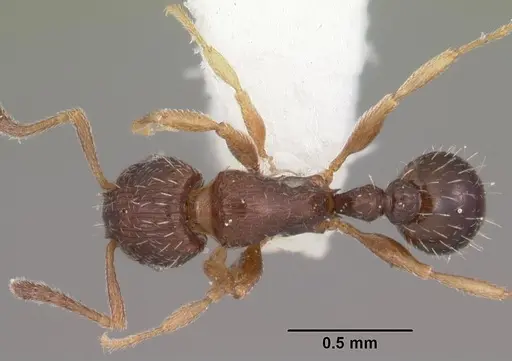
CASENT0102337
View on AntWeb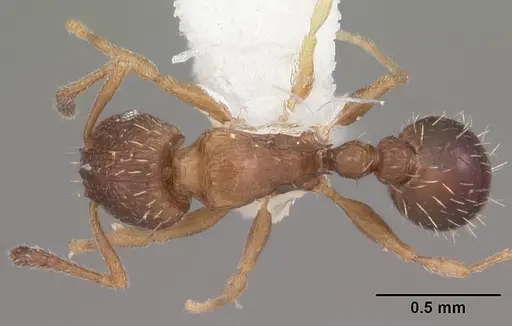
CASENT0132848
View on AntWeb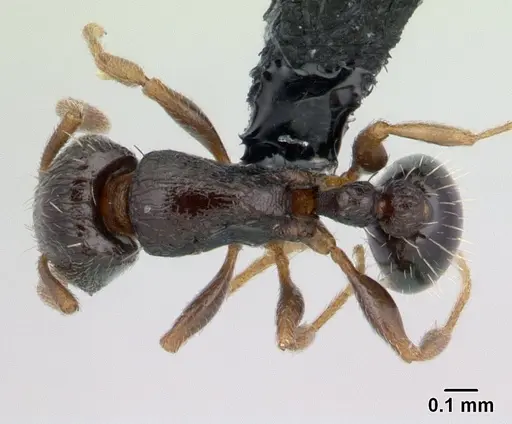
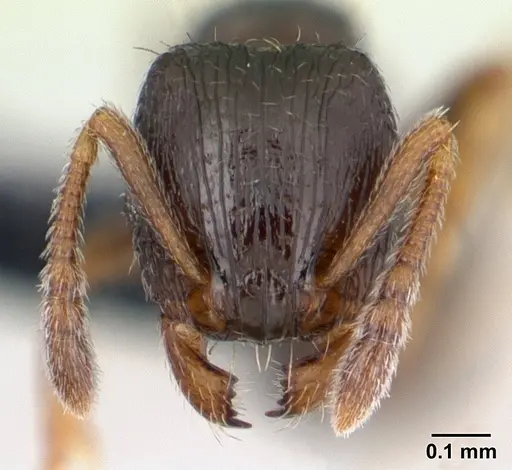
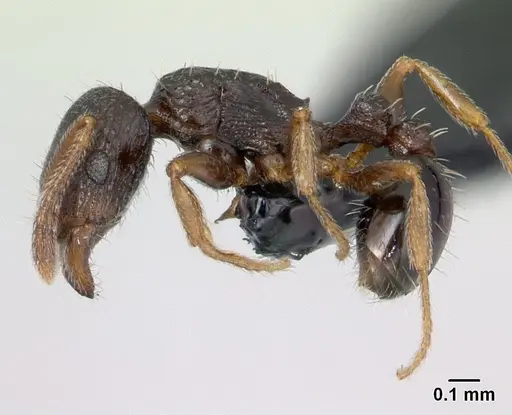
CASENT0906145
View on AntWeb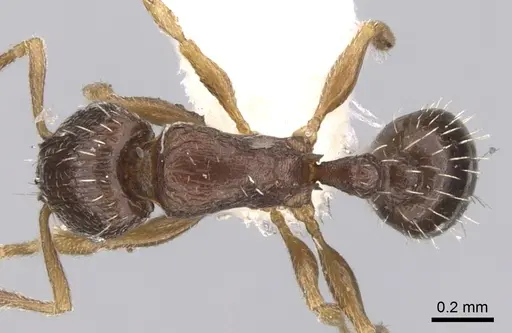
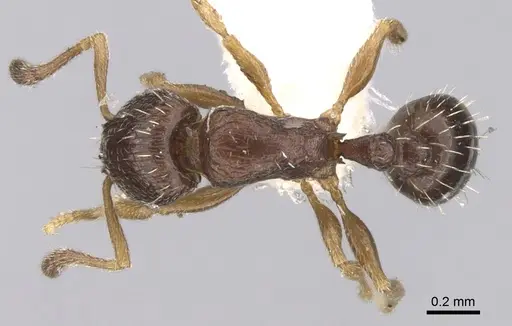
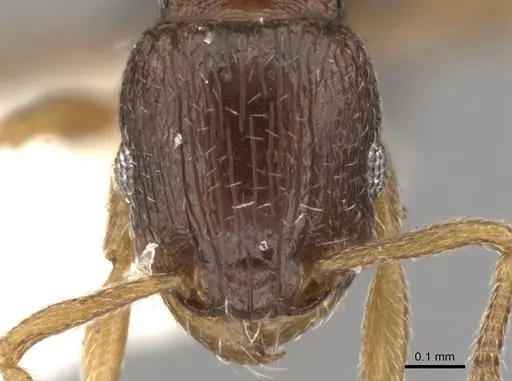
Literature
Loading...Loading products...