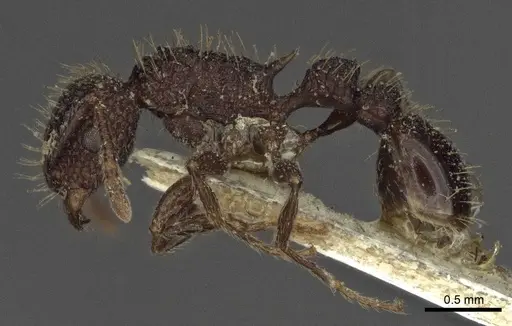
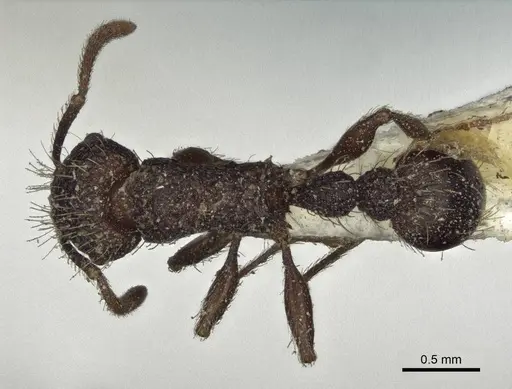
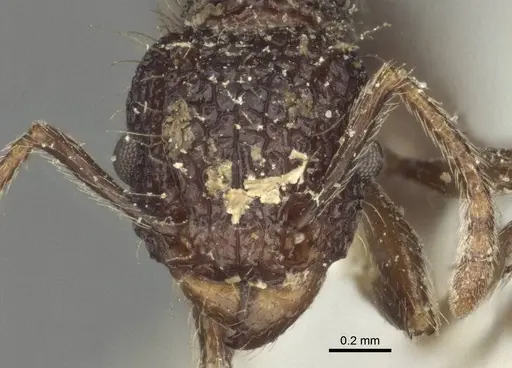
Tetramorium scabrum - "Asian Pavement Ant (unofficial, based on distribution and genus common name)"
Tetramorium scabrum is a species of ant belonging to the diverse genus Tetramorium. Workers of this species are generally dark brown to black and possess distinct lines or striations on their head and thorax, a common feature among many Tetramorium species. They have a two-segmented 'waist' (petiole) between their thorax and gaster. This species is relatively small. While specific sizes for Tetramorium scabrum are not widely available, other similar Tetramorium species workers are around 2.5-4 mm, and queens can reach up to 8 mm. They are known to be quite active.
- Difficulty: Easy
- Origin & Habitat: Indo-Australian Region (Indonesia, New Guinea, Borneo, Brunei Darussalam, Malaysia, Singapore) and Oriental Region (India), Palaearctic Region (China). in Lowland dipterocarp forests and possibly urban/suburban areas due to their genus's adaptability..
- Colony Type: Monogyne, though pleometrosis may occur temporarily during founding., claustral (queen seals herself in to raise the first brood). founding.
- Size & Growth:
- Queen: 6-8mm
- Worker: 2-4mm
- Colony: Medium (thousands). Colonies can reach several thousand individuals, potentially up to 10,000 in the wild.. Fast (especially with optimal temperature and humidity). growth.
- Antkeeping:
- Temperature: Maintain a temperature range of 21-27°C, with an optimal range of 23-26°C. While they can tolerate room temperature, providing a heat mat or cable can accelerate brood development..
- Humidity: Aim for humidity levels around 50-60%. These ants do not thrive in overly dry climates, so ensure the nest maintains adequate moisture..
- Diapause: Required. 2-4 months at 5-8°C.
- Nesting: They prefer nests with tighter tunnels and a varying humidity gradient. Formicaria made of acrylic, Ytong, or natural setups with soil or sand-clay mix substrates are recommended..
- Behavior: Medium (towards other ants and potential food sources, but generally low towards handlers unless provoked) aggressiveness.
- Common Issues: Humidity fluctuations, Escape artists due to small size and persistence, Overfeeding leading to waste and mold.
One fascinating aspect of Tetramorium scabrum, and indeed many species within the Tetramorium genus, is their incredibly adaptable nature. These ants are often found thriving in urbanized environments, making them a hardy choice for antkeepers. They are known for easily adjusting to varying habitat conditions, which means they are quite forgiving if you're new to the hobby. Whether it's a test tube setup to start or a full-fledged formicarium, providing a consistent water source and ample food will keep them content and allow for strong colony development.
When it comes to feeding your Tetramorium scabrum colony, they are quite omnivorous and opportunistic. While they readily consume insects for protein and sugary liquids like honey or sugar water for carbohydrates, they also have a unique fondness for small seeds. Unlike some other ant subfamilies, Myrmicinae ants like Tetramorium are adept at digesting starches found in seeds, making them a valuable supplement to their diet. Just remember, seeds should complement their insect and sugar intake, not replace it, unless you're keeping a specialized seed-harvesting species.
Be prepared for some exciting dynamics if you keep Tetramorium scabrum, as they are known to be quite active and can exhibit aggressive behaviors, particularly towards other ant species or rival colonies. In the wild, 'pavement ants' (a common name for some Tetramorium species) can engage in large-scale territorial disputes, sometimes involving thousands of ants. While this isn't something you'll typically see in a controlled formicarium setup, it speaks to their robust and competitive nature. Ensuring they are well-fed can help mitigate excessive escape attempts, as smaller species like these can be quite persistent in their search for food.
Considering their fast growth rate, especially when kept under optimal temperature and humidity, your Tetramorium scabrum colony can expand significantly. They don't have extremely strict temperature or humidity demands, but providing a stable environment with a good humidity gradient within their nest will lead to the fastest growth. This species is also one that requires diapause, a crucial period of inactivity during colder months that mimics their natural cycles and is essential for the long-term health and reproductive success of the queen.
Frequently Asked Questions
What kind of formicarium is best for Tetramorium scabrum?
For these adaptable ants, a formicarium with a soil or sand-clay substrate is often recommended, as it mimics their natural nesting preferences. Acrylic or Ytong setups also work wonderfully, especially ones that allow for a humidity gradient. Just ensure the tunnels are on the tighter side, as they seem to prefer that snug feeling.
Do Tetramorium scabrum sting, and are they dangerous?
Yes, Tetramorium workers do possess a small stinger. While they can use it to subdue prey, their sting is generally considered to cause only mild discomfort to humans and is essentially harmless for keepers. They're more likely to be feisty towards rival ants than towards you!
What's the ideal temperature for a Tetramorium scabrum colony?
These ants are quite tolerant, but for optimal growth and brood development, aim for a temperature range of 21-27°C (70-80.6°F). If your room is a bit cool, a gentle heat mat or cable can really give your colony a boost, accelerating their metabolism and helping the brood develop faster.
How often should I feed my Tetramorium scabrum colony?
Their feeding frequency depends on colony size. For smaller colonies (under 100 workers), offering protein and honey once a week is usually sufficient. As they grow (100-500 workers), you might increase to twice a week. Larger colonies (500+ workers) will need food at least 5 times a week to keep up with their rapid growth. Remember, they love both insects and sugary liquids, and don't forget small seeds!
Do Tetramorium scabrum need to hibernate?
Absolutely! Like many species from temperate regions, Tetramorium scabrum colonies benefit greatly from a period of diapause, or hibernation. This usually occurs from late October to early March, at cooler temperatures between 5-8°C (41-46.4°F). It's a crucial rest period for the queen and helps ensure the long-term health and productivity of your colony.
Are Tetramorium scabrum prone to escaping their enclosures?
Due to their relatively small size and persistent nature, Tetramorium can be quite adept at finding escape routes. It’s always a good idea to ensure your formicarium is well-sealed and to use escape barriers like fluon or a petroleum jelly gasket on the outworld edges. Keeping them well-fed also reduces their motivation to try and escape.
Can I keep multiple Tetramorium scabrum queens together?
While Tetramorium scabrum is generally a monogyne species (meaning one queen per colony), they are known to exhibit pleometrosis during the founding stage. This means multiple queens might start a colony together, which can lead to a much faster initial boost in brood production. However, it's typical for only one queen to remain once the nanitics (first workers) emerge, as they usually duke it out for dominance.
What kind of protein sources do Tetramorium scabrum enjoy?
These ants are not particularly picky when it comes to protein. In the wild, they're known to feast on crickets, worms, fruit flies, and spiders. In captivity, you can offer a variety of feeder insects. They also have a knack for scavenging, so small pieces of cooked meat (without spices) can also be offered as a treat.
How fast do Tetramorium scabrum colonies grow?
When provided with optimal conditions-especially consistent warmth and appropriate humidity-Tetramorium scabrum colonies can grow incredibly fast. You'll observe their worker count increasing exponentially once they get established, making them a very rewarding species for new antkeepers eager to see their colony thrive and expand.
Do Tetramorium scabrum have specialized worker castes?
For Tetramorium scabrum, the worker caste is generally monomorphic, meaning there isn't a significant size difference or specialized division of labor among the workers like in species with distinct minor, media, and major castes. All workers pretty much do it all, from foraging to brood care and nest maintenance.
Are these ants good for beginners?
Absolutely! Tetramorium species, including T. scabrum, are highly recommended for beginner antkeepers. Their hardiness, adaptability to various conditions, and fast growth rate make them a forgiving and exciting species to start with. Just be mindful of their potential to be escape artists due to their small size and persistent nature.