

Tetramorium sada
- Scientific Name
- Tetramorium sada
- Tribe
- Crematogastrini
- Subfamily
- Myrmicinae
- Author
- Hita Garcia & Fisher, 2012
- Distribution
- Found in 1 countries
Tetramorium sada Overview
Tetramorium sada is an ant species of the genus Tetramorium. It is primarily documented in 1 countries , including Madagascar. Detailed taxonomic data and occurrence records can be further explored via authoritative databases such as AntWeb or the Global Biodiversity Information Facility (GBIF).
Tetramorium sada
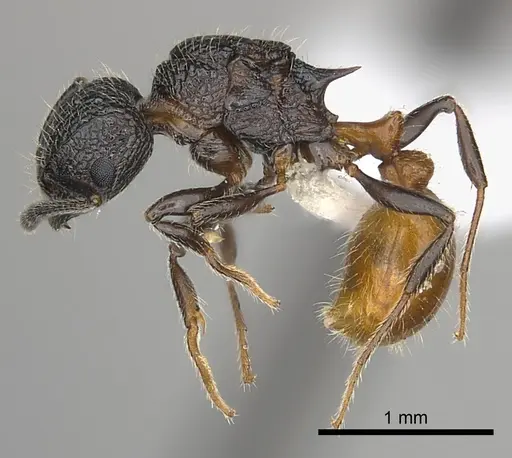
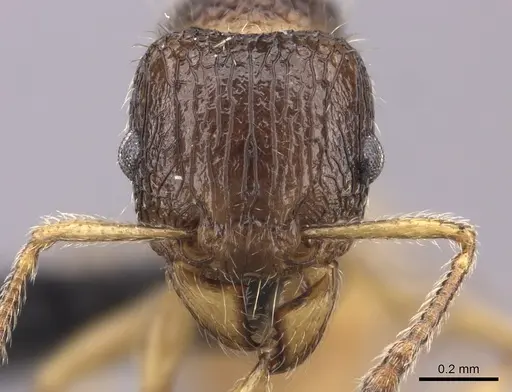
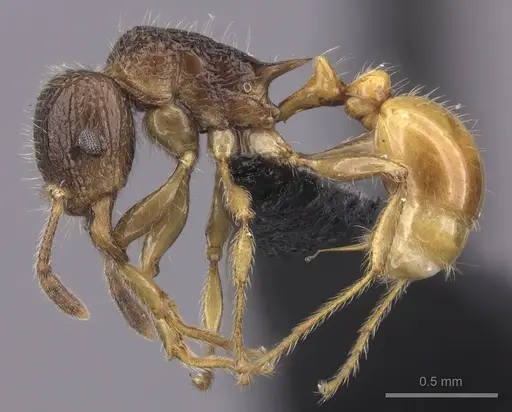
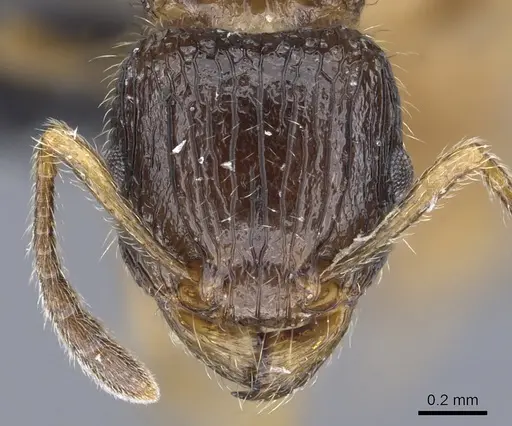
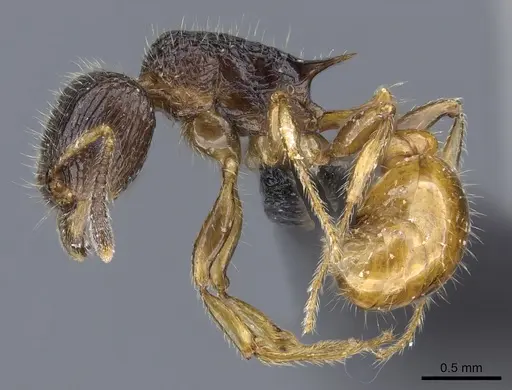
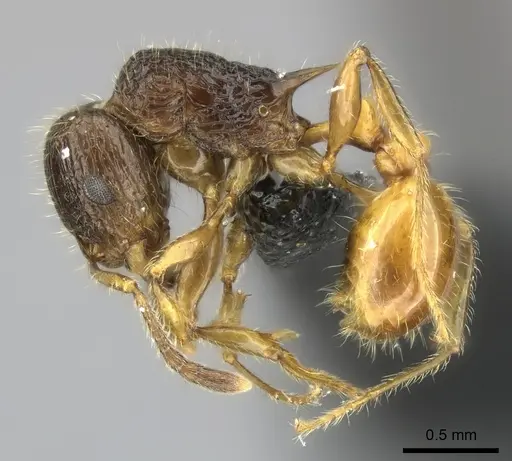
Tetramorium sada is a tiny ant species native to western Madagascar, measuring just 0.70-0.84mm in head length [1]. It has a striking appearance with a dark brown head and mesosoma contrasting sharply with bright yellow waist segments and gaster, the species name 'sada' actually means 'mixture of colour' in Malagasy [1]. These ants live in tropical dry forests, often in tsingy limestone areas, and are typically found in leaf litter or on lower vegetation [2].
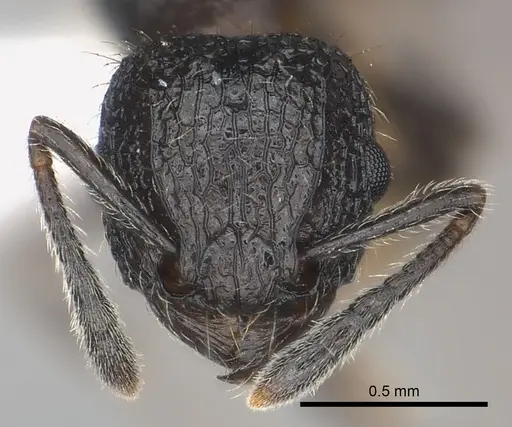
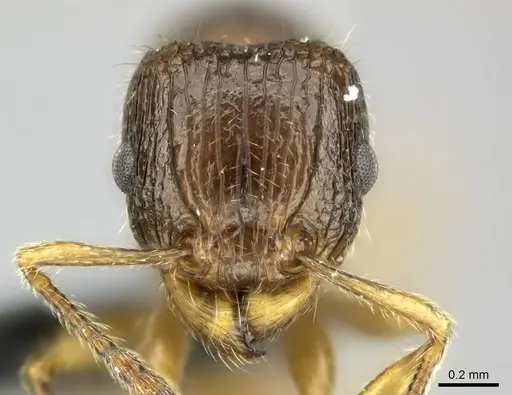
This species belongs to the Tetramorium bonibony species group and has some distinctive physical features including very long propodeal spines and a uniquely shaped triangular petiolar node that is strongly compressed from front to back [1]. Their small eyes and short antennal scapes give them a distinctive look compared to other Tetramorium species. As a litter-dwelling ant in a tropical environment, they likely play a role in the forest ecosystem by helping decompose organic material and controlling small arthropod populations.
Quick Summary
- Difficulty: Medium
- Origin & Habitat: Western Madagascar, found from Tsingy de Bemaraha to Namoroka, with additional populations at Ankarafantsika. Inhabits tropical dry forests, sometimes on tsingy limestone formations, collected from leaf litter and lower vegetation [1][2].
- Colony Type: Colony structure is unconfirmed for this species. Based on typical Tetramorium patterns, likely single-queen colonies. No documented ergatoid replacement reproductives for this species.
- Size & Growth:
- Queen: Undescribed, queen size not documented in scientific literature
- Worker: 0.70-0.84mm head length,0.70-0.86mm head width [1]
- Colony: Unknown, no colony size data available. Likely small colonies typical of litter-dwelling Tetramorium species
- Growth: Moderate, estimated based on related species
- Development: Estimated 6-8 weeks at optimal tropical temperatures based on typical Tetramorium development patterns (Development timeline is inferred from genus-level data since species-specific studies are unavailable. Tropical environment suggests faster development than temperate species.)
- Antkeeping:
- Temperature: Keep at 24-28°C, these are tropical ants from Madagascar requiring warm conditions. A gentle temperature gradient allows workers to self-regulate.
- Humidity: Moderate humidity around 60-70%. These forest-floor ants prefer conditions similar to tropical dry forest leaf litter, damp but not waterlogged. Provide a moisture gradient in the nest.
- Diapause: No true diapause required, being a tropical species, they do not need hibernation. However, slight temperature reduction during winter months (keeping above 20°C) may slow activity naturally.
- Nesting: Y-tong (AAC) nests or plaster nests work well for these tiny ants. Their small size and preference for leaf litter microhabitats suggests they do well in nests with tight chambers and good humidity retention. Naturalistic setups with leaf litter and small chambers can also mimic their natural environment.
- Behavior: Generally peaceful and non-aggressive. As tiny litter-dwelling ants, they are not known for stinging and pose no danger to keepers. They are foragers that likely search for small arthropods and honeydew in the leaf litter layer. Their very small size (under 1mm) means escape prevention is critical, they can squeeze through tiny gaps. Workers are active and will readily explore their outworld searching for food.
- Common Issues: escape prevention is critical due to their tiny size, use fine mesh and tight-fitting lids, small colony size means they are vulnerable to stress, handle gently and avoid disturbing founding colonies, limited availability in the antkeeping hobby, this is not a commonly kept species, humidity control is important, too dry and they desiccate, too wet and mold becomes a problem, tropical temperature requirements mean room temperature may be insufficient in cooler climates
Housing and Nest Setup
For these tiny ants, you need to think small. Y-tong (AAC) nests or plaster nests with tight chambers work best because they hold humidity well and provide the dark, humid environment these leaf-litter ants prefer [2]. The chambers should be appropriately sized, these ants are under 1mm, so standard formicarium chambers designed for larger ants may feel oversized. A test tube setup can work for founding colonies, but you may need to use a smaller water reservoir to prevent flooding of the tiny chamber.
Escape prevention cannot be overstated, these ants are so small they can slip through gaps that seem impossible. Use fluon on rim edges, ensure all lids fit tightly, and use fine mesh (at least 0.5mm or smaller) on any ventilation. A single escaped worker is nearly impossible to find and recapture.
The outworld should be simple, a small container with a small feeding area. These ants don't need much space, but make sure the distance from nest to food is manageable for such tiny workers.
Feeding and Diet
Based on typical Tetramorium behavior and their forest-floor habitat, these ants are likely generalist foragers that accept both protein and sugar sources [2]. Offer small live prey appropriate to their size, fruit flies, pinhead crickets, and small mealworms work well. Because they are so tiny, standard prey items may be too large initially, consider chopping prey or offering pre-killed portions.
For sugar, offer diluted honey or sugar water in small amounts. A cotton ball with sugar water in a test tube cap works well. Remove uneaten sugar sources after a day or two to prevent mold.
Feed every 2-3 days, adjusting based on colony size and consumption. Remove any uneaten prey to keep the outworld clean. A varied diet helps ensure healthy colonies.
Temperature and Seasonal Care
As a tropical species from Madagascar, T. sada requires warm temperatures year-round. Keep the nest area at 24-28°C for optimal brood development [2]. A heating cable on one side of the nest can create a gentle gradient, allowing workers to move to warmer or cooler areas as needed. Place heating on top of the nest, not underneath, to avoid drying out the substrate.
Unlike temperate species, these ants do not require a true diapause or hibernation period. However, slight seasonal variations are natural, you might allow temperatures to drop a few degrees in winter (but keep above 20°C) to simulate natural seasonal cycles. This can help maintain natural activity rhythms.
Avoid temperature extremes and sudden fluctuations. Room temperature in many homes may be insufficient, use a thermometer to monitor nest conditions.
Colony Founding and Growth
The founding behavior of T. sada has not been directly documented, but based on typical Tetramorium patterns, the queen likely seals herself in a small chamber and raises the first workers alone (claustral founding) [2]. The queen uses stored fat reserves to survive until the first workers emerge.
First workers (nanitics) will be very small, even smaller than typical workers. Give the colony time to grow, small colonies develop gradually. Expect the first major worker batch within 6-8 weeks under optimal conditions, though this is an estimate based on related species.
Colony growth is likely moderate. These are not fast-growing ants like some Camponotus species, but they are also not extremely slow. Patience is key during the founding stage, avoid disturbing the queen or moving the nest prematurely.
Behavior and Temperament
T. sada is a peaceful species that poses no threat to keepers. They are not known to sting and are generally calm in captivity. Workers are active foragers that will search the outworld for food, and they demonstrate typical Tetramorium behavior of carrying prey items back to the nest.
Their tiny size means they are best observed with magnification, a magnifying glass or macro lens can reveal fascinating behaviors like their long propodeal spines and distinctive bicoloration. Watch for them exploring the outworld, tending to any honeydew sources, and interacting with nestmates.
They are not aggressive toward humans and are suitable for keepers who want an interesting, low-maintenance species. The main consideration is their escape risk, their small size makes them excellent escape artists. [1]
Frequently Asked Questions
How long does it take for Tetramorium sada to get their first workers?
Based on typical Tetramorium development patterns, expect first workers (nanitics) to emerge in approximately 6-8 weeks under optimal warm conditions (24-28°C). This is an estimate since species-specific development data is not available. The queen will seal herself in and raise the first brood alone during this time.
Can I keep Tetramorium sada in a test tube?
Yes, test tubes work well for founding colonies. Use a small water reservoir, these tiny ants can easily become trapped in large water chambers. Make sure to use excellent escape prevention since they can slip through tiny gaps. Consider moving to a small formicarium once the colony reaches 20-30 workers.
What do Tetramorium sada ants eat?
They are generalist feeders that likely accept both protein and sugar sources. Offer small live prey like fruit flies, small mealworms, or chopped insects. For sugars, provide diluted honey or sugar water. Remove uneaten food promptly to prevent mold.
Do Tetramorium sada ants sting?
No, these ants are not known to sting and pose no danger to keepers. They are tiny, peaceful ants that are suitable for those who want an interesting species without aggressive defenses.
Are Tetramorium sada good for beginners?
This species is rated as medium difficulty. While they are peaceful and don't require hibernation, their tiny size makes escape prevention critical and requires attention to detail. They also have specific temperature and humidity needs as tropical ants. Some prior antkeeping experience is helpful.
How big do Tetramorium sada colonies get?
Colony size data is not available for this species, but based on typical litter-dwelling Tetramorium behavior, colonies likely reach dozens to a few hundred workers. They are not large colony builders like some other ant species.
Do Tetramorium sada need hibernation?
No, as a tropical species from Madagascar, they do not require true hibernation. However, slight temperature reduction in winter (keeping above 20°C) may be natural and help maintain activity cycles. Avoid major temperature drops.
Why are my Tetramorium sada escaping?
Their tiny size (under 1mm) makes them excellent escape artists. Use fluon on all rim edges, ensure lids fit tightly, and use fine mesh (0.5mm or smaller) on any ventilation holes. Check for any gaps even smaller than a millimeter.
What temperature do Tetramorium sada need?
Keep nest temperatures at 24-28°C. These are tropical ants requiring warm conditions year-round. A gentle gradient allows workers to self-regulate. Room temperature in cooler climates is likely insufficient.
When should I move Tetramorium sada to a formicarium?
Move from test tube to a small formicarium (Y-tong or plaster) once the colony reaches roughly 20-30 workers. Make sure the formicarium has appropriately sized chambers for these tiny ants and maintains humidity well.
References

This caresheet is licensed under CC BY-SA 4.0 .
CASENT0424548
View on AntWeb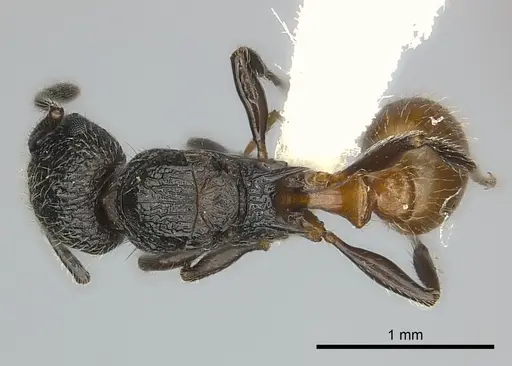
CASENT0443274
View on AntWeb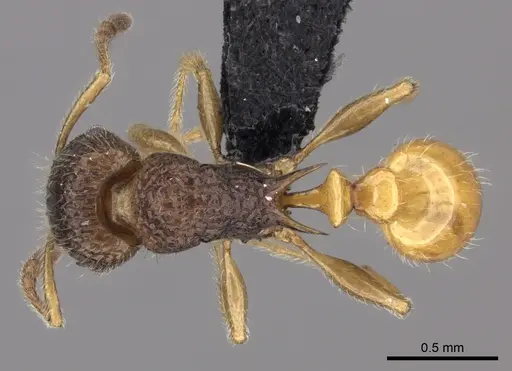
CASENT0443394
View on AntWeb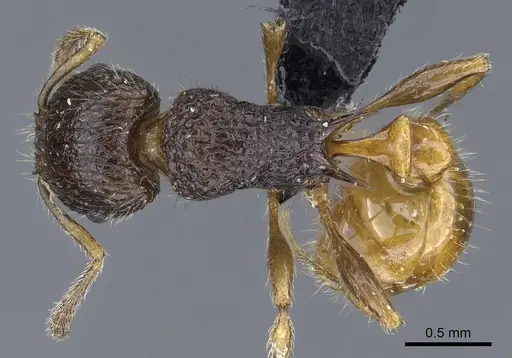
CASENT0443413
View on AntWeb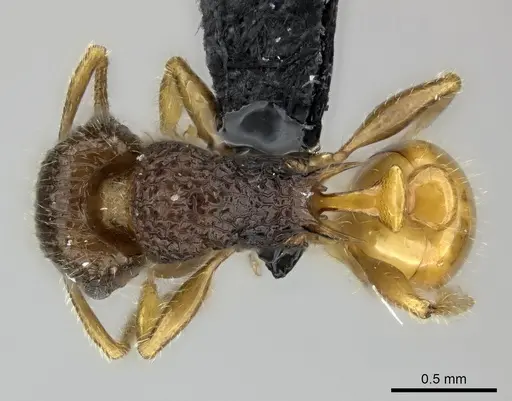
Literature
Loading...Loading products...