

Tetramorium rothschildi
- Scientific Name
- Tetramorium rothschildi
- Tribe
- Crematogastrini
- Subfamily
- Myrmicinae
- Author
- Forel, 1907
- Distribution
- Found in 4 countries
Tetramorium rothschildi Overview
Tetramorium rothschildi is an ant species of the genus Tetramorium. It is primarily documented in 4 countries , including Ethiopia, Kenya, Senegal. Detailed taxonomic data and occurrence records can be further explored via authoritative databases such as AntWeb or the Global Biodiversity Information Facility (GBIF).
Tetramorium rothschildi
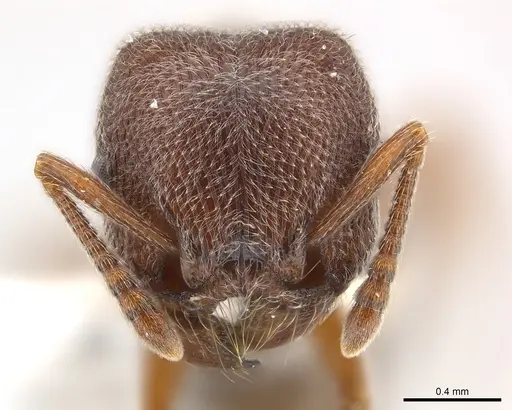
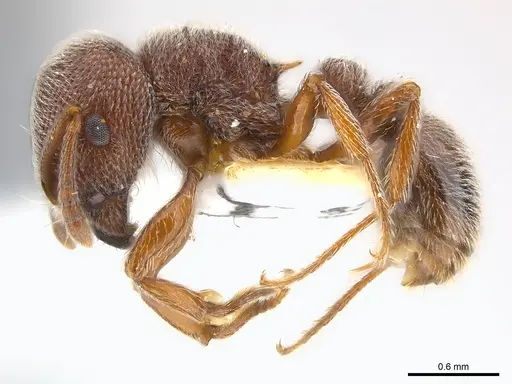
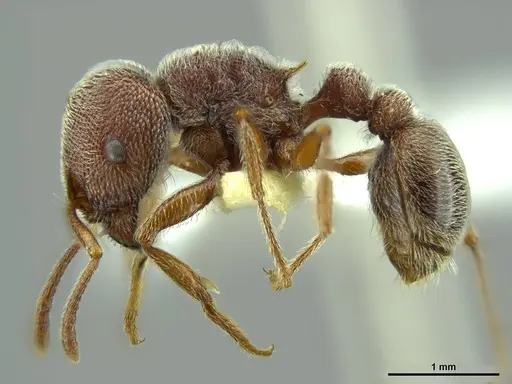
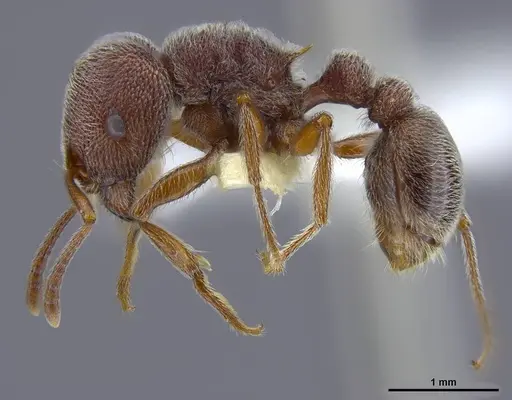
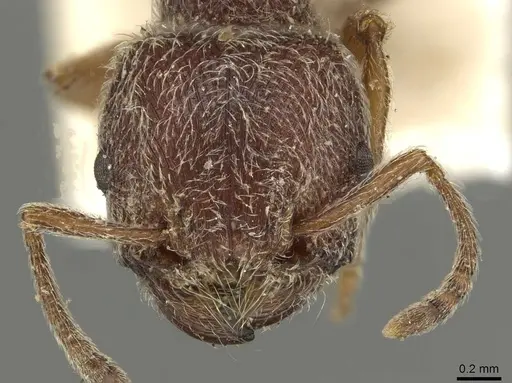
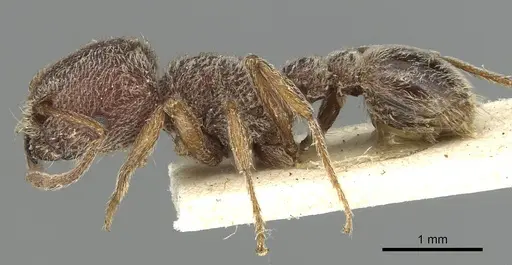
Tetramorium rothschildi is a small seed harvester ant native to eastern and west-central Africa. Workers measure roughly 4-5mm in total length with a dark brown to black coloration. This species is easily recognized within its group by its distinctive branched hairs that stick out from the body [1][2]. Originally described from Ethiopia and once placed in the genus Triglyphothrix due to these unique branched hairs, it was moved to Tetramorium in 1985 because of a distinctive deep indentation on the face between the mandibles [2]. The species inhabits grassland and open woodland areas with red laterite soils, where it builds nests that sometimes have small grass husks around the entrance [1][3].
Quick Summary
- Difficulty: Medium
- Origin & Habitat: Eastern and west-central Africa (Ethiopia, Kenya, Tanzania, Ghana). Found in grassland and open woodland areas with red laterite soils [1][2][3].
- Colony Type: Colony structure is unconfirmed. As a Tetramorium species, likely single-queen (monogyne) colonies based on typical genus patterns.
- Size & Growth:
- Queen: Unconfirmed, no direct measurements available for queens [1].
- Worker: Workers are 4-5mm total length with head length 1.033-1.131mm and Weber's length 0.934-1.141mm [1].
- Colony: Colony size is unconfirmed. Related species in the solidum group typically form colonies of several hundred workers.
- Growth: Moderate, inferred from typical Tetramorium growth patterns.
- Development: Estimated 6-8 weeks at optimal temperature based on genus-level data for Tetramorium species. (Development time is not directly studied for this species. Estimates based on typical Tetramorium patterns.)
- Antkeeping:
- Temperature: Keep at 22-26°C. This species comes from warm African habitats, so provide moderate heat with a gradient. Avoid temperatures below 20°C for extended periods.
- Humidity: Keep nest substrate moderately moist. Laterite soils hold moisture well, aim for damp but not waterlogged conditions. Provide a water tube for drinking.
- Diapause: Unconfirmed, likely minimal or no true diapause given the African origin. Some reduced activity in cooler months may occur.
- Nesting: In captivity, use a naturalistic setup with soil or a plaster/acrylic nest with chambers scaled to their small size. They prefer digging in soil-based substrates. A Y-tong nest with fine chambers also works well.
- Behavior: These are relatively docile seed harvester ants. Workers are active foragers that collect seeds and may tend aphids for honeydew. They are not aggressive and rarely sting. Escape risk is moderate, their small size means they can fit through small gaps, so ensure barrier integrity.
- Common Issues: small size means escape prevention must be reliable, use fine mesh and tight-fitting lids, as seed harvesters, they need a proper seed diet alongside protein, don't rely only on sugar water, colonies may be slow to establish initially, patience is needed during founding, wild-caught colonies may carry parasites that can cause colony failure, humidity control is important, too wet causes mold, too dry causes desiccation
Housing and Nest Setup
Tetramorium rothschildi does well in naturalistic setups with soil-based substrates that mimic their natural red laterite soil habitat. A formicarium with a soil chamber allows them to dig their characteristic tunnel systems. Alternatively, a Y-tong (AAC) nest with narrow chambers works well for this small species. The nest area should be kept dark, these ants prefer dim conditions and will be more active in shaded areas of the enclosure. Include a water tube for drinking access. The outworld should have a sand or soil layer where they can forage and collect seeds. [1][3]
Feeding and Diet
As seed harvester ants, their diet should include small seeds alongside protein sources. Offer commercial ant seed mixes, grass seeds, or tiny seeds like millet. They also accept protein in the form of small insects like fruit flies, pinhead crickets, or mealworm pieces. Sugar water or honey can be offered occasionally, though they may show limited interest compared to pure protein feeders. Feed seeds continuously available and protein 2-3 times per week. Remove uneaten seeds periodically to prevent mold. [1]
Temperature and Heating
Maintain temperatures between 22-26°C for optimal colony health and growth. This species comes from warm African habitats and will struggle if kept too cool. Use a heating cable or mat on one side of the nest to create a gentle temperature gradient, allowing workers to choose their preferred warmth. Avoid direct heat on the nest that could dry it out. Room temperature in the low-to-mid 20s°C is often suitable, but monitor colony activity, if workers seem sluggish, provide gentle supplemental heating. [1][3]
Humidity and Water
Keep the nest substrate moderately moist, damp like a wrung-out sponge, but not dripping wet. The red laterite soils they naturally inhabit hold moisture well, so replicate this with a substrate that retains some dampness without becoming waterlogged. Provide a water tube or small water dish for drinking access. Mist the nest occasionally if the surface dries out, but avoid creating condensation. Good ventilation helps prevent mold while maintaining humidity. [1][3]
Behavior and Colony Dynamics
Workers are active foragers that search for seeds and small insects. They are relatively peaceful ants that focus on their foraging tasks rather than defending territory aggressively. Colonies grow gradually, expect several months for a founding queen to raise her first nanitic workers, then steady growth over the first year. Workers are small but numerous, creating visible trail systems when foraging. The distinctive branched hairs visible under magnification are a unique identifying feature of this species. [1][2]
Frequently Asked Questions
How long does it take for Tetramorium rothschildi to raise first workers?
Expect 6-10 weeks from egg to first worker at optimal temperature (22-26°C). This is an estimate based on typical Tetramorium development, as specific timing for this species has not been documented.
What do Tetramorium rothschildi ants eat?
They are seed harvesters that collect seeds alongside protein. Offer small seeds (millet, grass seeds, commercial ant seed mixes) as a staple, supplemented with small insects like fruit flies or mealworm pieces. They may accept sugar water occasionally but protein and seeds are preferred.
Can I keep Tetramorium rothschildi in a test tube?
Test tubes work for founding colonies but this species prefers soil-based nesting. A test tube with a cotton barrier and water reservoir can work for the founding stage, but consider moving to a naturalistic or Y-tong setup once the colony reaches 20-30 workers.
Do Tetramorium rothschildi ants sting?
They are not known for stinging and are generally docile. As Myrmicinae, they do have a stinger but rarely use it. They pose no danger to keepers.
What temperature is best for Tetramorium rothschildi?
Keep them at 22-26°C. They come from warm African habitats and need consistent warmth. A heating cable on one side of the nest creates a gradient they can regulate by moving between chambers.
How big do Tetramorium rothschildi colonies get?
Colony size is not directly documented, but related species in the solidum group typically reach several hundred workers. Expect 1-2 years to reach 100+ workers with good care.
Is Tetramorium rothschildi good for beginners?
This is a medium-difficulty species. They are more challenging than common pet ants like Lasius or Camponotus due to their specific dietary needs (seeds) and smaller size requiring better escape prevention. Some experience with antkeeping is helpful.
Do they need hibernation or diapause?
Unconfirmed. As an African species from tropical/subtropical regions, they likely do not require a true hibernation period. Some reduced activity in cooler months may occur, but no extended cold rest is needed.
Why are my Tetramorium rothschildi dying?
Common causes include: too low temperature (below 20°C), improper humidity (too wet causes mold, too dry causes desiccation), poor escape prevention allowing escapes, or inadequate diet. Wild-caught colonies may also carry internal parasites. Ensure proper temperature, humidity, and provide seeds plus protein.
When should I move my colony to a formicarium?
Move from a test tube setup once the colony reaches 30-50 workers and the test tube shows signs of degradation. A naturalistic setup with soil works well for this species, or a Y-tong nest with appropriately sized chambers.
References

This caresheet is licensed under CC BY-SA 4.0 .
CASENT0217078
View on AntWeb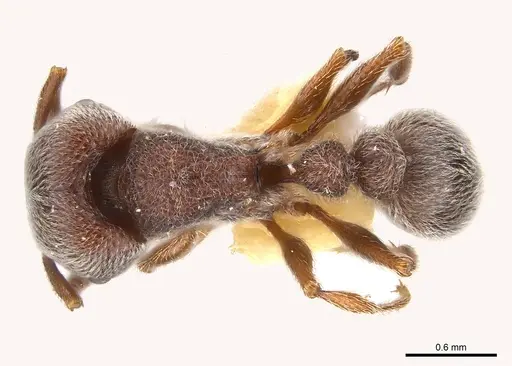
CASENT0764434
View on AntWeb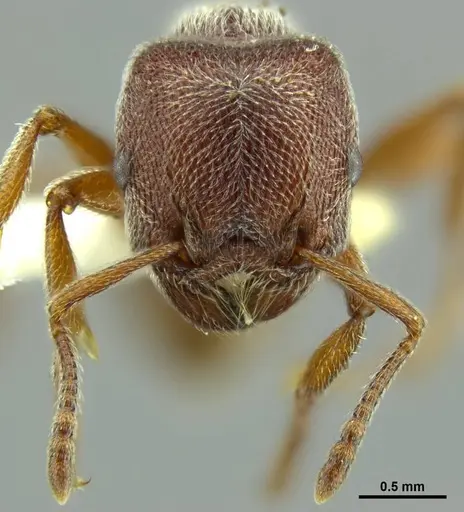
CASENT0845508
View on AntWeb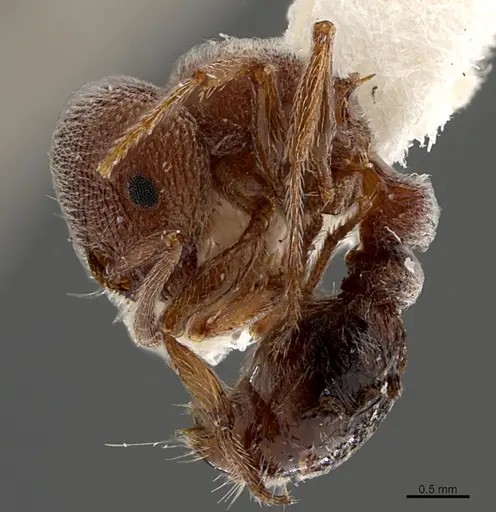
CASENT0915429
View on AntWeb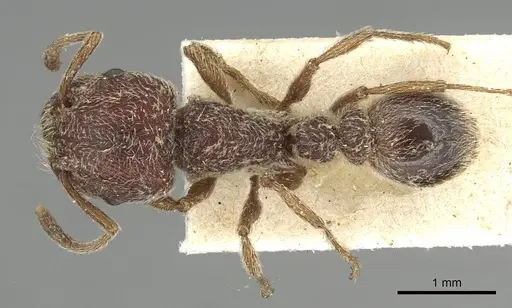
Literature
Loading...Loading products...