

Tetramorium rala
- Scientific Name
- Tetramorium rala
- Tribe
- Crematogastrini
- Subfamily
- Myrmicinae
- Author
- Hita Garcia & Fisher, 2014
- Distribution
- Found in 1 countries
Tetramorium rala Overview
Tetramorium rala is an ant species of the genus Tetramorium. It is primarily documented in 1 countries , including Madagascar. Detailed taxonomic data and occurrence records can be further explored via authoritative databases such as AntWeb or the Global Biodiversity Information Facility (GBIF).
Tetramorium rala
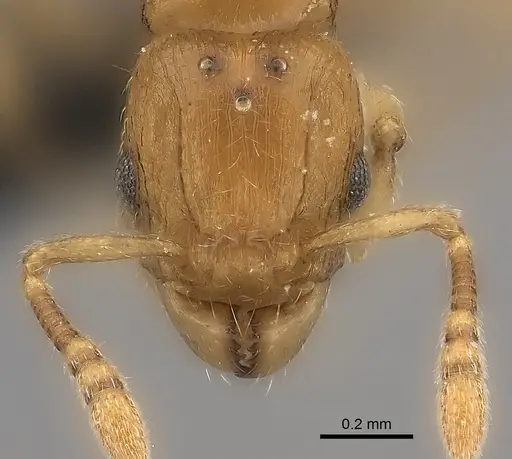
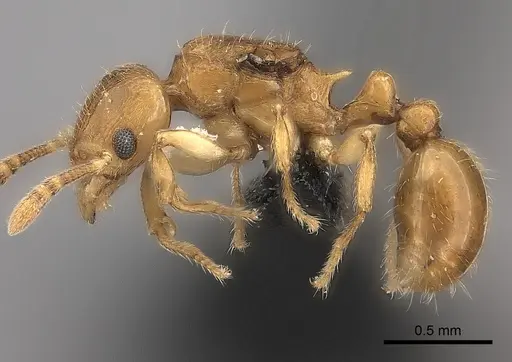
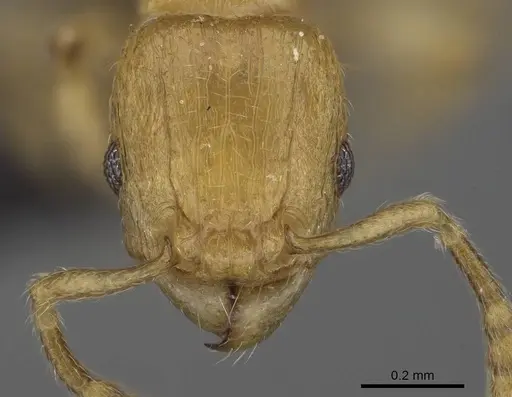
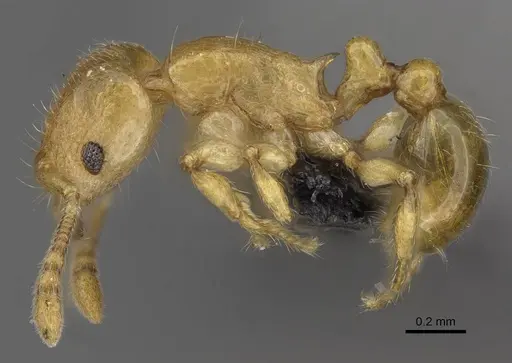
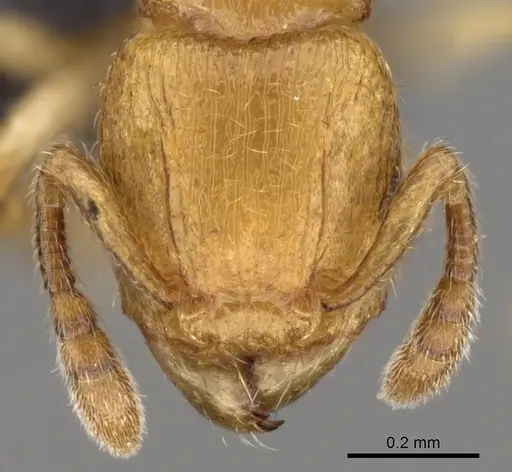
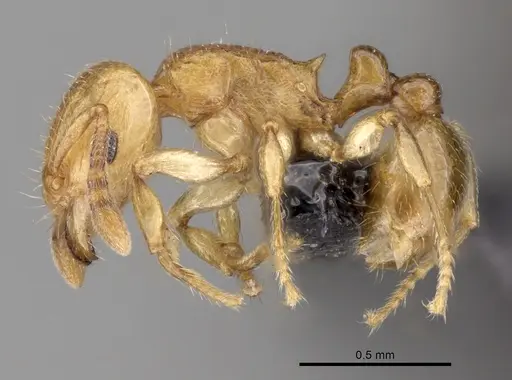
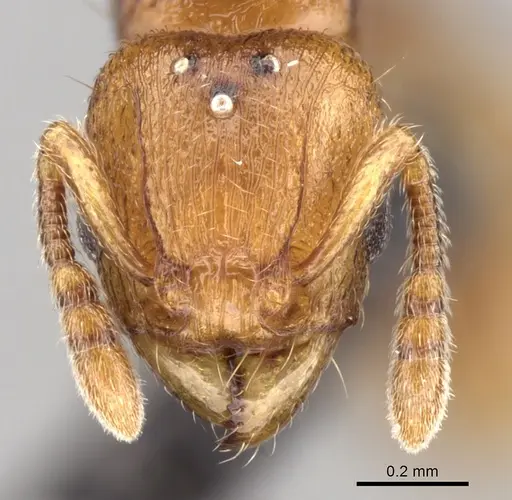
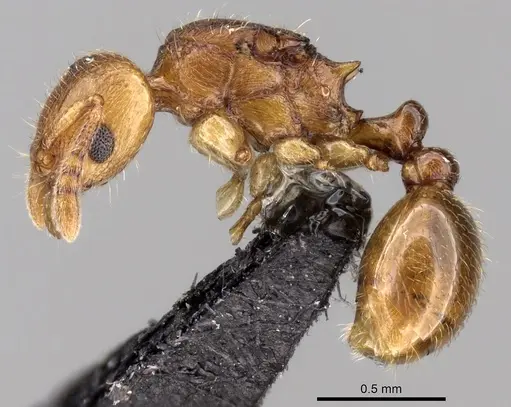
Tetramorium rala is a tiny ant species native to northeastern Madagascar. Workers measure just 0.46-0.49mm in head width, making them one of the smaller Tetramorium species you'll encounter [1]. Their most distinctive features include a bright whitish-yellow to light brown body, relatively large eyes, very short antennae, and notably long propodeal spines that stick out from the back of their mesosoma [1]. The petiolar node (the segment connecting their thorax and abdomen) is unusually high and rounded, giving them a somewhat stocky appearance when viewed from the side .
This species lives exclusively in Madagascar's lowland rainforests and littoral forests at elevations between 10-550 meters . They nest in leaf litter, rotting wood, and soil, typically in shaded, humid areas [1]. Their distribution is patchy, concentrated around the Bay of Antongil and Masoala Peninsula, with isolated populations further south . The name 'rala' comes from a fictional character in Walter Moers' fantasy novel 'Rumo and His Miraculous Adventures' .
Quick Summary
- Difficulty: Medium
- Origin & Habitat: Northeastern Madagascar, specifically the Bay of Antongil area, Masoala Peninsula, Marojejy, and Makirovana. They live in lowland rainforests and littoral forests at elevations of 10-550m .
- Colony Type: Unknown, colony structure has not been documented for this species. Most Tetramorium species are single-queen (monogyne) colonies, but this specific trait needs confirmation.
- Size & Growth:
- Queen: Not documented, no queens have been described in scientific literature [1].
- Worker: 0.46-0.49mm head width,0.58-0.64mm mesosoma length .
- Colony: Unknown, no colony size data exists for this species.
- Growth: Unknown, development times have not been studied.
- Development: Unknown, no direct measurements exist. Based on typical Tetramorium patterns from related species, expect 6-10 weeks at warm temperatures. (No species-specific development data available. Related Tetramorium species in Madagascar typically develop within 6-10 weeks under warm, humid conditions.)
- Antkeeping:
- Temperature: Warm conditions around 24-28°C recommended based on their lowland rainforest habitat in tropical Madagascar. Avoid temperatures below 20°C.
- Humidity: High humidity required, think damp rainforest floor. Keep the nest substrate consistently moist but not waterlogged. Their natural habitat in littoral and lowland rainforests suggests 70-85% humidity.
- Diapause: Unlikely, as a tropical species from Madagascar, they probably do not require a true hibernation period. However, slight temperature reductions during winter months may be beneficial.
- Nesting: Naturalistic setup works best. They naturally nest in leaf litter, rotting wood, and soil. A Y-tong (AAC) nest with moist substrate or a naturalistic terrarium-style setup with leaf litter and small passages would suit them well. Their tiny size means chambers should be appropriately scaled [1].
- Behavior: These ants are small and likely relatively docile compared to some more aggressive Tetramorium. They probably forage individually in the leaf litter layer rather than forming large foraging trails. Their large eyes suggest they may rely more on visual cues than some other ants. Escape prevention is critical, at under 0.5mm worker size, they can squeeze through incredibly small gaps. Use fine mesh barriers and ensure all openings are sealed tightly [1].
- Common Issues: escape prevention is critical due to their very small size, they can squeeze through gaps that seem impossible, high humidity requirements can lead to mold issues if ventilation is poor, no species-specific feeding data exists, you may need to experiment with different foods, their patchy distribution in the wild suggests they may have specific microhabitat needs that are difficult to replicate, lack of documented colony structure means you may not know if your colony setup is optimal
Housing and Nest Setup
Because Tetramorium rala is such a tiny ant, housing them requires attention to scale. In the wild, they live in leaf litter and rotting wood in Madagascar's rainforests, they nest in small cavities within decaying material [1]. For captivity, a Y-tong (AAC) formicarium with appropriately small chambers works well, or you could go with a naturalistic setup in a small terrarium filled with moist substrate and leaf litter.
Keep the nest area humid, these ants come from a tropical rainforest environment where humidity stays high year-round . The substrate should feel damp to the touch but never waterlogged. A small water reservoir connected to the nest helps maintain consistent moisture. Because of their tiny size, escape prevention must be excellent. Even standard test tube setups need fine mesh barriers, as these ants can squeeze through gaps that seem impossibly small.
Lighting is not critical, they naturally live in shaded forest floor environments. Avoid direct sunlight, which can overheat and dry out the nest.
Feeding and Diet
Specific dietary preferences for Tetramorium rala have not been documented in scientific literature. However, based on typical Tetramorium behavior and related species in the schaufussii group, they likely eat small insects, aphids, and other tiny arthropods they find in the leaf litter layer [2].
For captivity, start with small protein sources like fruit flies, pinhead crickets, or small mealworms. Because of their tiny size, prey items should be appropriately scaled, anything larger than themselves will likely be ignored. You can also offer sugar water or diluted honey occasionally, though many litter-dwelling Tetramorium prefer protein sources.
Feed small amounts every few days and remove any uneaten prey after 24 hours to prevent mold. Their small colony size (likely under 100 workers based on related species) means they don't need large quantities of food. Observe what your specific colony accepts and adjust accordingly.
Temperature and Seasonal Care
Tetramorium rala comes from lowland Madagascar, a tropical environment with warm temperatures year-round. Keep their enclosure in the warm range of 24-28°C. Room temperature (around 22-24°C) is usually acceptable, but you may want to provide a slight heat gradient using a heating cable on one side of the nest area.
As a tropical species, they likely do not require a true hibernation period. However, slight seasonal variations are natural, you might reduce temperatures by a few degrees during winter months, but don't let them drop below 20°C. Their native habitat in littoral and lowland forests stays consistently warm and humid .
Avoid temperature fluctuations and drafts. Sudden drops or cold exposure can stress the colony and slow or stop brood development. If your room temperature is stable within the recommended range, no additional heating may be needed. [2]
Handling and Observation
These ants are quite small, which makes detailed observation both fascinating and challenging. Their relatively large eyes (OI 26-28) compared to other Tetramorium suggest they may be more visually oriented than some related species . Watch for how they navigate their environment and interact with nestmates.
When observing or moving colonies, use extreme caution, their small size makes them easy to accidentally crush or lose. If you need to transfer them, do so slowly and gently. They're not aggressive and likely won't bite or sting significantly if handled, but the primary concern is preventing escapes.
Their bright whitish-yellow to light brown coloration makes them relatively easy to spot against darker substrates . This is unusual among Tetramorium, which are often darker, and makes them visually distinctive in the antkeeping hobby. [2]
Frequently Asked Questions
How long does it take for Tetramorium rala to develop from egg to worker?
The egg-to-worker timeline has not been specifically documented for this species. Based on typical Tetramorium development patterns from related species, expect approximately 6-10 weeks at warm temperatures (around 26°C). This is an estimate based on genus-level data, as no species-specific research exists.
What do Tetramorium rala ants eat?
Specific dietary studies don't exist for this species, but related Tetramorium eat small insects, aphids, and honeydew. Feed small protein sources like fruit flies, tiny crickets, or small mealworms. Their tiny size means prey should be appropriately scaled. Offer sugar water or honey water occasionally, though protein is likely their primary food source [2].
Are Tetramorium rala good for beginners?
This species is rated as Medium difficulty. While not the hardest ant to keep, the lack of documented care information means you may need to experiment to find what works. Their tiny size also demands excellent escape prevention. Beginners might have more success with better-documented species first.
Do Tetramorium rala ants sting?
Myrmicinae ants like Tetramorium have stingers, but these ants are very small and unlikely to deliver a painful sting to humans. They're generally docile. The primary concern is their tiny size making escapes easy rather than any defensive capabilities.
How big do Tetramorium rala colonies get?
Colony size is unknown, no scientific data exists on maximum colony size for this species. Based on related small Tetramorium species, colonies likely reach 100-500 workers. Their small workers and patchy distribution in the wild suggest they may form smaller colonies than more widespread Tetramorium.
What temperature do Tetramorium rala need?
Keep them warm at 24-28°C based on their lowland rainforest habitat in Madagascar. Room temperature (22-24°C) is usually acceptable. Avoid temperatures below 20°C. A slight heat gradient allows the ants to choose their preferred temperature zone.
Do Tetramorium rala need hibernation?
Probably not. As a tropical species from Madagascar, they likely do not require a true hibernation period. Slight temperature reductions in winter may be natural but are not required. Keep them warm year-round for optimal colony development.
Can I keep Tetramorium rala in a test tube?
Yes, a test tube setup can work for founding colonies and small groups. However, because of their tiny size, ensure the cotton plug is packed tightly and consider adding fine mesh over any air holes. Test tubes work well for the founding stage but you may need to upgrade to a formicarium as the colony grows. Maintain high humidity by keeping the water section filled.
Why is Tetramorium rala so pale compared to other ants?
Their bright whitish-yellow to light brown coloration is a diagnostic feature that makes them distinctive within the Tetramorium schaufussii species group . This pale coloring may help them blend into the leaf litter and rotting wood where they naturally live. It's one of the features that makes them easily identifiable and visually interesting for antkeepers.
References

This caresheet is licensed under CC BY-SA 4.0 .
CASENT0046036
View on AntWeb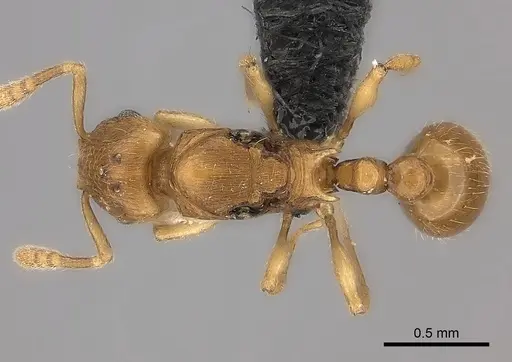
CASENT0046163
View on AntWeb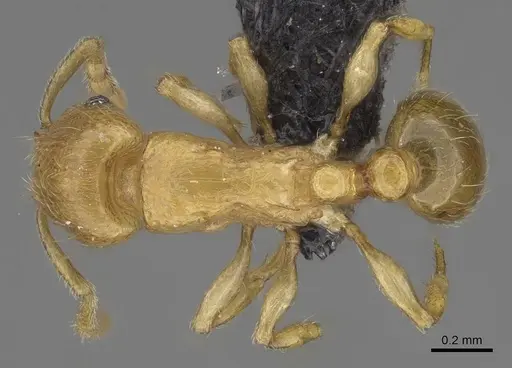
CASENT0162115
View on AntWeb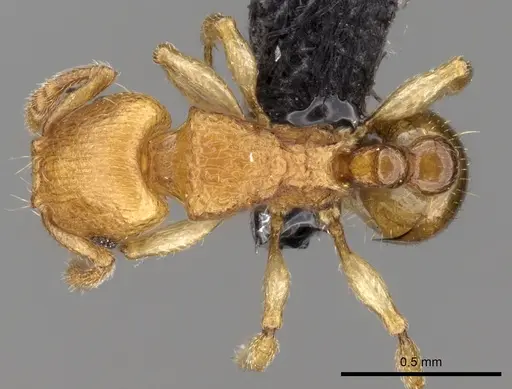
CASENT0235163
View on AntWeb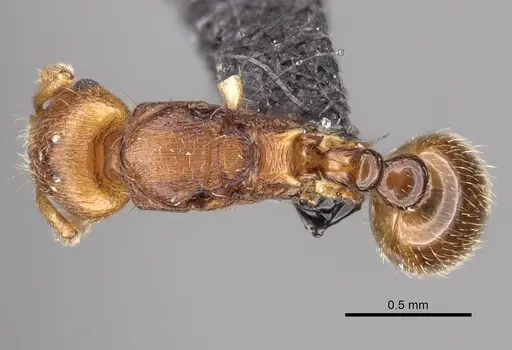
Literature
Loading...Loading products...