

Tetramorium pylacum
- Scientific Name
- Tetramorium pylacum
- Tribe
- Crematogastrini
- Subfamily
- Myrmicinae
- Author
- Bolton, 1980
- Distribution
- Found in 4 countries
Tetramorium pylacum Overview
Tetramorium pylacum is an ant species of the genus Tetramorium. It is primarily documented in 4 countries , including Congo, Côte d'Ivoire, Cameroon. Detailed taxonomic data and occurrence records can be further explored via authoritative databases such as AntWeb or the Global Biodiversity Information Facility (GBIF).
Tetramorium pylacum
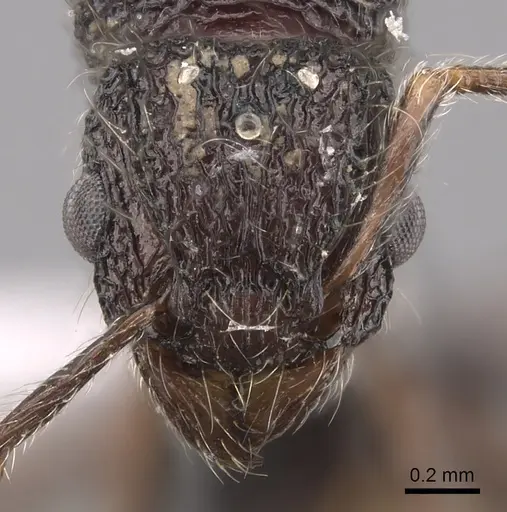
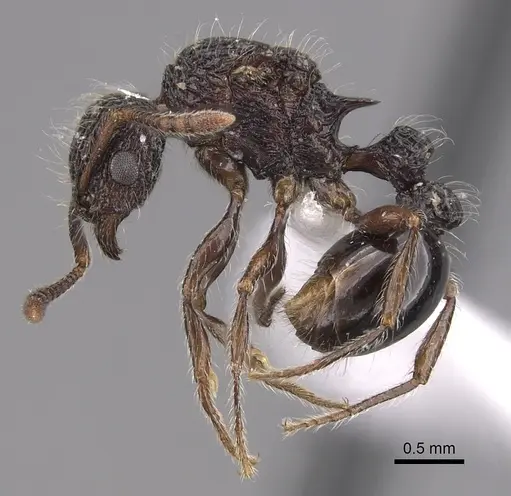
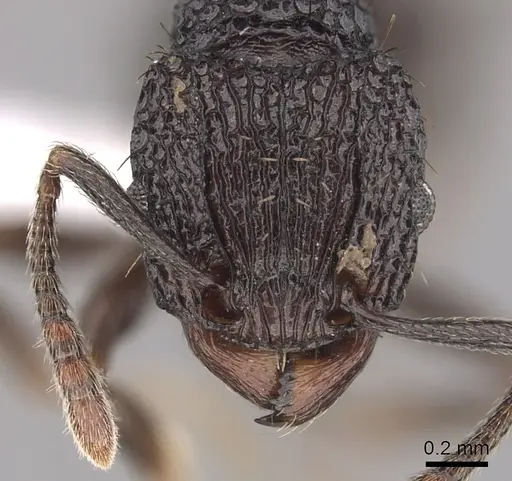
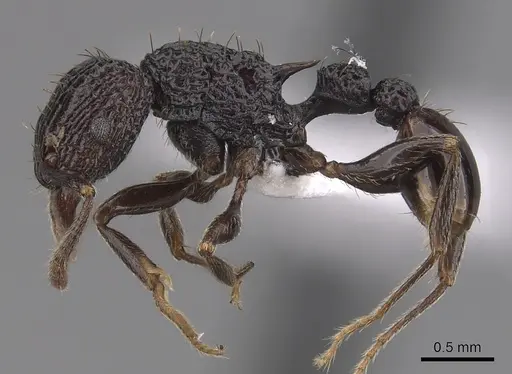
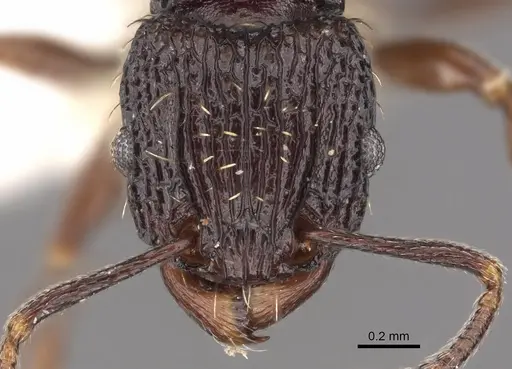
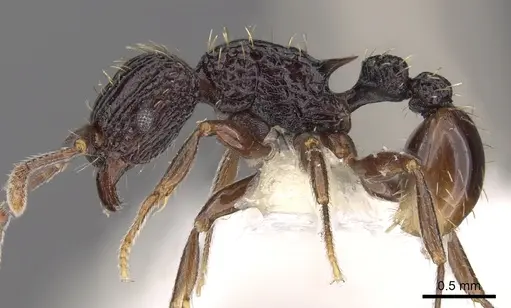
Tetramorium pylacum is a small, dark brown to black ant measuring 3.3-3.7mm in worker length. This species belongs to the Tetramorium genus in the Myrmicinae subfamily and is part of the flabellum-complex group, characterized by relatively broad heads and shorter antennal scapes compared to related species. The species was formally described by Bolton in 1980 based on specimens collected from the Tai Forest in Ivory Coast. Found across West African countries including Cameroon, Central African Republic, Ghana, and Ivory Coast, T. pylacum is a rainforest species that lives primarily in leaf litter environments [1]. Workers have distinctive longitudinal rugae on the head and fine costulation at the base of the first gastral tergite, which helps separate them from their closest relative T. saginatum.
Quick Summary
- Difficulty: Medium
- Origin & Habitat: West African rainforest species found in Ivory Coast, Cameroon, Central African Republic, and Ghana. Inhabits leaf litter layers in tropical rainforest environments and has also been recorded as a ground-forager [1][2].
- Colony Type: Single-queen colonies (monogyne) based on typical Tetramorium genus patterns. Colony structure has not been directly studied for this specific species.
- Colony: Monogyne
- Founding: Claustral
- Size & Growth:
- Queen: Unconfirmed, queen measurements not documented in available literature
- Worker: 3.3-3.7mm
- Colony: Unknown, no colony size data available for this species
- Growth: Moderate, inferred from typical Tetramorium development patterns
- Development: 6-10 weeks, estimated based on typical Tetramorium genus development at warm temperatures (Development time is estimated as this species has not been directly studied. Related Tetramorium species typically develop from egg to worker in 6-10 weeks under optimal conditions.)
- Antkeeping:
- Temperature: Keep at 24-28°C, this West African rainforest species prefers warm, stable temperatures. A heating cable on one side of the nest can create a gentle gradient. Avoid temperatures below 22°C as this species originates from tropical regions.
- Humidity: High humidity required, rainforest leaf litter species need consistently moist substrate. Keep the nest substrate damp but not waterlogged, with some drier areas available for the ants to regulate their own moisture exposure.
- Diapause: No, as a tropical rainforest species from West Africa, T. pylacum does not require hibernation. They remain active year-round in captivity.
- Nesting: In nature, this species nests in leaf litter and soil. In captivity, a naturalistic setup with moist substrate or a Y-tong/plaster nest works well. The small worker size (3.3-3.7mm) means chambers and passages should be appropriately scaled.
- Behavior: Workers are active foragers that search for food on the ground surface. Based on research data showing them as generalist predators [3], they likely hunt small insects and arthropods. They may also tend aphids for honeydew. Workers are moderately aggressive when defending the nest but are not particularly large or dangerous. Their small size means escape prevention is important, they can squeeze through small gaps.
- Common Issues: escape prevention is critical due to their small 3-4mm size, use fine mesh and tight-fitting lids, high humidity requirements can lead to mold if ventilation is inadequate, balance moisture with airflow, tropical species may struggle if temperatures drop below 22°C, monitor closely in cooler climates, limited species-specific information means keepers must monitor colony behavior to adjust care
Housing and Nest Setup
For this small rainforest species, a naturalistic setup with moist substrate works well. You can use a mix of soil and organic material to replicate the leaf litter environment they naturally inhabit. Alternatively, a Y-tong (AAC) or plaster nest provides good humidity control and allows you to observe the colony easily. The nest chambers should be appropriately scaled to the tiny 3-3.7mm workers, narrow passages and small chambers help them feel secure. The outworld should include a water source and feeding area. Because of their small size, ensure all connections between nest areas are tight and consider using fluon on rim edges to prevent escapes. [1]
Feeding and Diet
Based on research classifying T. pylacum as a generalist predator [3], your colony will need a protein-rich diet. Offer small live prey such as fruit flies, pinhead crickets, or mealworms. They will also likely accept honey water or sugar water as an energy source, which is common in the Tetramorium genus. Feed protein prey 2-3 times per week, and keep a constant sugar source available. Remove uneaten prey after 24-48 hours to prevent mold issues. Young colonies may take smaller prey items, start with fruit flies or tiny insects before offering larger prey.
Temperature and Humidity
As a West African rainforest species, T. pylacum needs warm and humid conditions. Maintain temperatures between 24-28°C in the nest area. A heating cable placed on top of the nest (never underneath where it can dry out the substrate) can help maintain warmth, especially in cooler rooms. Humidity should be high, keep the substrate consistently moist but not saturated. The substrate should feel damp to the touch. Mist the nest occasionally but allow it to dry slightly between misting to prevent stagnant conditions. Good ventilation is essential to prevent mold while maintaining humidity. [1]
Colony Development
The founding process for this species has not been directly documented, but based on typical Tetramorium behavior, the queen will likely seal herself in a small chamber and raise her first workers (nanitics) alone on stored fat reserves. This is called claustral founding. Expect the first workers to emerge 6-10 weeks after founding under optimal warm conditions, though this is an estimate based on related species. Nanitics will be smaller than normal workers. Growth rate is moderate, the colony will expand gradually as more workers hatch. A healthy established colony may eventually reach several hundred workers, though exact maximum size is unknown for this species.
Behavior and Temperament
Workers are active foragers that search the outworld for food. They are not particularly aggressive toward humans but will defend their nest vigorously if threatened. The small worker size (3.3-3.7mm) means they can escape through tiny gaps, excellent escape prevention is essential. Workers likely use chemical trails to recruit nestmates to food sources, a common behavior in Tetramorium species. The colony will establish defined foraging patterns once they settle into your setup. They are primarily ground-dwellers and do not climb well, so focus escape prevention on the lower portions of the setup. [1]
Frequently Asked Questions
How long does it take for Tetramorium pylacum to produce first workers?
Based on typical Tetramorium development, expect 6-10 weeks from egg to first worker under optimal warm conditions (24-28°C). This is an estimate since this specific species has not been studied in captivity. The first workers (nanitics) will be smaller than mature workers.
What do Tetramorium pylacum ants eat?
They are generalist predators that need protein-rich food. Feed small live prey like fruit flies, pinhead crickets, or small mealworms 2-3 times per week. They will also likely accept sugar sources like honey water or sugar water kept constantly available.
Do Tetramorium pylacum ants need hibernation?
No. As a West African rainforest species from tropical regions, they do not require hibernation. Keep them at warm temperatures (24-28°C) year-round without a cooling period.
Can I keep Tetramorium pylacum in a test tube setup?
Yes, test tubes work well for founding colonies. Use a small test tube with a water reservoir (cotton ball) and keep it in a warm, humid location. Ensure the tube is properly sealed and consider adding a barrier like fluon around the opening since these tiny ants can escape through small gaps.
Are Tetramorium pylacum ants aggressive or dangerous?
They are not considered dangerous to humans. While they will defend their nest if threatened, their small size (3.3-3.7mm) means they pose minimal threat. They do not have a painful sting like some larger ant species.
What temperature is best for Tetramorium pylacum?
Keep the nest at 24-28°C. This tropical rainforest species prefers warm, stable conditions. Avoid temperatures below 22°C, which could stress the colony. A heating cable on top of the nest can help maintain warmth.
How big do Tetramorium pylacum colonies get?
The maximum colony size is not documented in scientific literature. Based on typical Tetramorium patterns, established colonies likely reach several hundred workers. Growth is moderate, expect gradual expansion over months and years.
Why are my Tetramorium pylacum ants escaping?
Their small 3-3.7mm size means they can squeeze through tiny gaps. Use fine mesh (0.5mm or smaller), tight-fitting lids, and apply fluon or similar barriers to all potential escape points. Check all connections and seams regularly.
Do Tetramorium pylacum ants need high humidity?
Yes. As a rainforest leaf litter species, they need high humidity. Keep the nest substrate consistently moist but not waterlogged. Monitor for mold and balance humidity with adequate ventilation.
Is Tetramorium pylacum good for beginners?
This species is rated as medium difficulty. While not the easiest species, it is manageable for keepers who can maintain warm, humid conditions. The main challenges are escape prevention due to their small size and maintaining proper humidity. Beginners should research thoroughly before acquiring this species.
References

This caresheet is licensed under CC BY-SA 4.0 .
CASENT0418168
View on AntWeb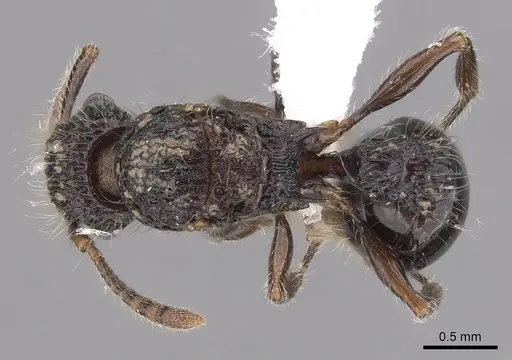
CASENT0425958
View on AntWeb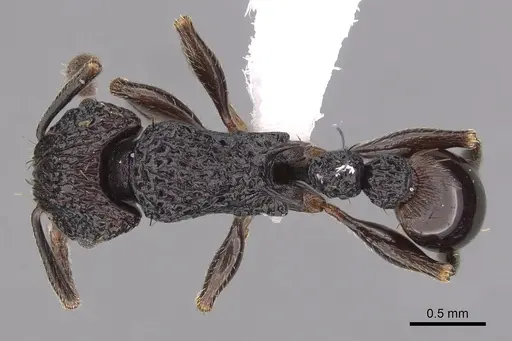
CASENT0845486
View on AntWeb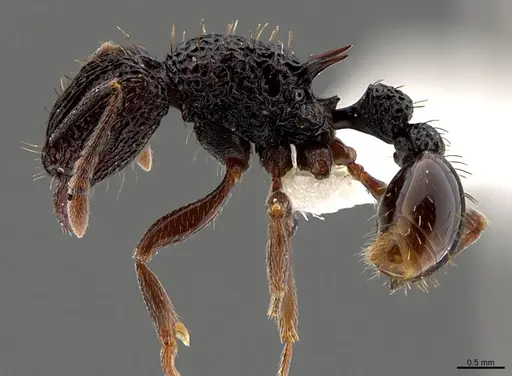
CASENT0901205
View on AntWeb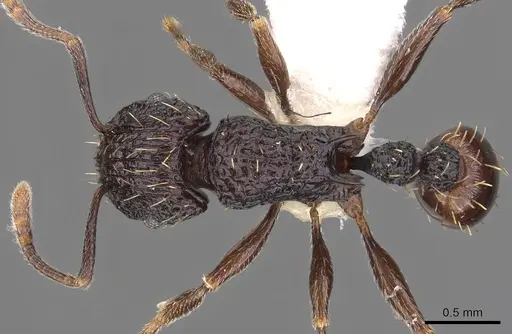
Literature
Loading...Loading products...