

Tetramorium pilosum
- Scientific Name
- Tetramorium pilosum
- Tribe
- Crematogastrini
- Subfamily
- Myrmicinae
- Author
- Emery, 1893
- Distribution
- Found in 1 countries
Tetramorium pilosum Overview
Tetramorium pilosum is an ant species of the genus Tetramorium. It is primarily documented in 1 countries , including Sri Lanka. Detailed taxonomic data and occurrence records can be further explored via authoritative databases such as AntWeb or the Global Biodiversity Information Facility (GBIF).
Tetramorium pilosum
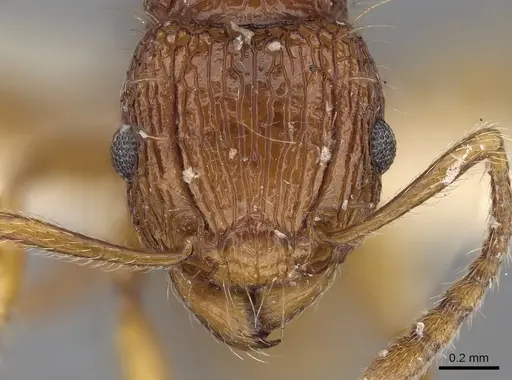
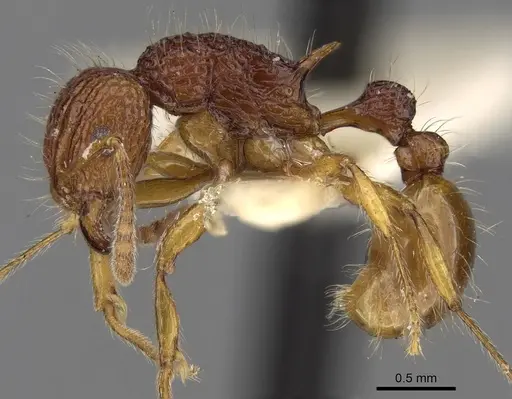
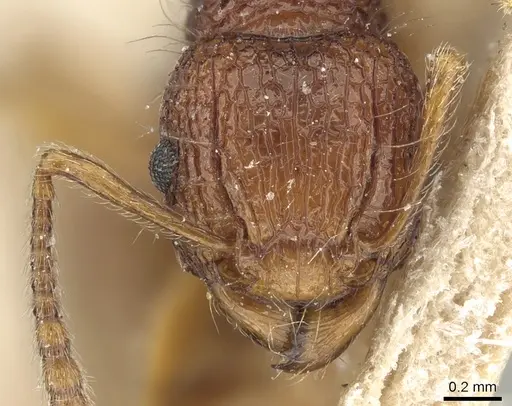
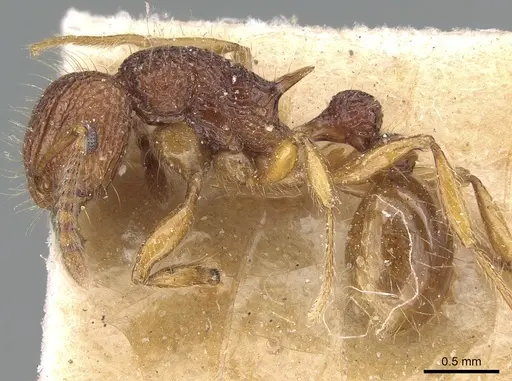
Tetramorium pilosum is a small to medium-sized ant species endemic to Sri Lanka, where it was first described from Kandy in 1893 [1]. Workers measure 4.1-4.5mm and have a distinctive orange-brown coloration with very long, fine hairs covering their dorsal surfaces, a key identifying feature that gives this species its name 'pilosum' (meaning hairy) [1]. The antennae have 11 segments, and the petiole is strongly nodiform with a convex dorsal surface [1]. This species belongs to the Tetramorium tortuosum species group, which is known from Sri Lanka and the Western Ghats region of India [2][3].
What makes T. pilosum particularly interesting is its limited distribution, it's one of the rarer Tetramorium species in the hobby, found only in Sri Lanka's forests. The closely related species T. yerburyi and T. tortuosum also occur on Sri Lanka, but T. pilosum can be distinguished by its unique petiole shape and exceptionally long body hairs [1]. Unfortunately, almost nothing is known about this species' biology in the wild, making it a true mystery ant for dedicated keepers.
Quick Summary
- Difficulty: Medium
- Origin & Habitat: Endemic to Sri Lanka, specifically the Kandy region in the central highlands [3]. This is a tropical forest species from the Indomalaya region, though its exact habitat preferences are undocumented.
- Colony Type: Unknown, the colony structure of this species has not been studied. Most Tetramorium species are monogyne (single queen), but this has not been confirmed for T. pilosum specifically.
- Size & Growth:
- Queen: Undocumented, no queen measurements available in scientific literature
- Worker: 4.1-4.5mm [1]
- Colony: Unknown, no colony size data exists for this species
- Growth: Unknown, no development data available
- Development: Unknown, no direct measurements exist. Based on typical Tetramorium patterns, estimate 6-10 weeks at optimal temperature (No species-specific data available, estimates based on related Tetramorium species)
- Antkeeping:
- Temperature: Keep at 24-28°C, this is a tropical Sri Lankan species requiring warm conditions. Room temperature is likely adequate in most homes.
- Humidity: Moderate to high humidity preferred, Sri Lanka's central highlands are humid. Keep nest substrate slightly moist but not waterlogged.
- Diapause: Unlikely, as a tropical species from near the equator, T. pilosum probably does not require a diapause period. However, a slight cooling period during winter months may be beneficial.
- Nesting: No specific data exists. Based on typical Tetramorium behavior, they likely nest in soil or under stones in the wild. In captivity, a test tube setup works well for founding colonies, transitioning to a Y-tong or plaster nest as the colony grows.
- Behavior: Not documented specifically, but Tetramorium species are generally non-aggressive toward keepers and can be handled gently. Workers are active foragers that likely search for small insects and sugary substances. Their small size (under 5mm) means escape prevention is important, use fine mesh barriers. They are not known for stinging but have functional stingers as Myrmicinae.
- Common Issues: No biological data exists, keepers are essentially pioneering captive husbandry for this species, Colony growth rate is unknown, making it difficult to assess if development is normal, Temperature and humidity requirements are inferred, not confirmed, observe colony behavior and adjust, Very limited availability in the antkeeping hobby, finding colonies may be challenging, As a tropical species, sudden temperature drops could be harmful
Housing and Nest Setup
For founding colonies, a standard test tube setup works well. Fill a test tube one-third with water, plug with cotton, and place the queen in the chamber. This provides consistent humidity without flooding. Once workers have emerged (nanitics), you can maintain them in the test tube for several months while the colony establishes.
For growing colonies, transition to a Y-tong (acrylic) nest or plaster nest. These allow you to observe the colony while maintaining appropriate humidity. Keep the nest substrate slightly moist, damp but not soggy. A small water reservoir connected to the nest helps maintain stable humidity levels. Since this species is from Sri Lanka, avoid letting the nest dry out completely, but also ensure adequate ventilation to prevent mold.
Feeding and Diet
Like most Tetramorium species, T. pilosum likely accepts a varied diet including small live prey (fruit flies, pinhead crickets, small mealworms) and sugary substances (honey water, sugar water). Offer protein foods 2-3 times per week and keep a constant sugar source available.
Start with small prey items appropriate to worker size, these are small ants at 4-5mm. Live springtails or fruit flies are excellent choices. Remove uneaten prey after 24-48 hours to prevent mold. Since nothing is known about this species' specific diet preferences, experimentation is necessary, observe what your colony accepts and adjust accordingly.
Temperature and Seasonal Care
Maintain temperatures between 24-28°C year-round. This is a tropical species from Sri Lanka's central highlands, so warmth is important for colony health and brood development. Room temperature in most homes (20-24°C) may be adequate, but a small heating cable on one side of the nest can create a beneficial gradient.
Regarding diapause: as a species from near the equator in Sri Lanka, T. pilosum likely does not require true hibernation. However, slight seasonal variations may occur naturally. Some keepers report success with a minor cooling period (down to 20-22°C) during winter months, but this is optional. Do not subject this species to cold temperatures below 15°C.
Handling and Temperament
Tetramorium pilosum workers are small but not particularly aggressive. They can be handled gently with forceps or by allowing them to walk onto your hand. As Myrmicinae, they have functional stingers, but their small size means the sting is negligible to humans.
Escape prevention is important due to their small size. Use tight-fitting lids on any container and apply fluon or similar barriers to test tube openings. Fine mesh over any ventilation holes is essential, these ants can squeeze through surprisingly small gaps. When observing the colony, work over a white tray to spot any escapees quickly.
Growth and Development Expectations
Since no specific development data exists for T. pilosum, expectations are based on typical Tetramorium patterns. Queen founding typically takes 4-8 weeks for eggs to develop into workers (nanitics) at warm temperatures. Nanitics are usually smaller than full-grown workers.
Colony growth is likely moderate, expect the first few workers to emerge within 1-2 months under optimal conditions. A mature colony might reach several hundred workers, though exact maximum size is unknown. The key challenge is patience: without species-specific data, you'll need to monitor your colony's progress and adjust conditions based on observed growth rates. If workers are active and brood is developing, your conditions are likely suitable.
Frequently Asked Questions
How long does it take for Tetramorium pilosum to have first workers?
The exact timeline is unknown for this species. Based on typical Tetramorium development, expect 4-8 weeks from egg to first worker (nanitic) at optimal temperatures around 26°C. Factors like temperature, humidity, and nutrition can speed up or slow down development.
Can I keep Tetramorium pilosum in a test tube?
Yes, test tubes work well for founding colonies. Use a standard setup with a water reservoir (cotton-plugged) providing humidity. Keep the tube in a warm, dark location during founding. Once nanitics emerge, you can maintain them in the test tube for several months, but ensure the water reservoir doesn't run dry.
What do Tetramorium pilosum ants eat?
They likely accept small live prey (fruit flies, springtails, small mealworms) and sugary liquids (honey water, sugar water). Start with appropriately sized prey, these are small ants around 4-5mm. Offer protein 2-3 times weekly and keep sugar water available constantly. Remove uneaten prey after 24 hours.
Do Tetramorium pilosum ants sting?
As Myrmicinae, they have functional stingers, but their small size means any sting would be negligible to humans. These ants are not considered dangerous or aggressive. Handle gently and use proper escape prevention rather than worrying about stings.
Are Tetramorium pilosum good for beginners?
This species is not ideal for complete beginners because almost no biological data exists, you're essentially pioneering captive care. However, if you have experience with other Tetramorium species and understand basic antkeeping principles, this can be a rewarding challenge. The main requirements (warmth, humidity, small prey) are straightforward.
How big do Tetramorium pilosum colonies get?
The maximum colony size is unknown, no scientific data exists on wild or captive colonies. Based on related Tetramorium species, expect several hundred workers at maturity. Growth is likely moderate, with colonies taking months to years to reach significant size.
Do Tetramorium pilosum need hibernation?
Probably not. As a tropical species from Sri Lanka near the equator, they likely do not require a true diapause. Some keepers report providing a slight cooling (20-22°C) during winter, but this is optional. Avoid cold temperatures below 15°C.
Where can I get Tetramorium pilosum colonies?
This species is very rare in the antkeeping hobby due to its limited endemic range in Sri Lanka. You may need to connect with specialty importers or breeders who work with Asian ant species. Wild collection is not recommended and may be legally protected.
What temperature is best for Tetramorium pilosum?
Keep nest temperatures between 24-28°C. This tropical species requires warmth, room temperature may suffice, but a small heating cable on part of the nest can help maintain optimal conditions. Avoid temperatures below 20°C or above 32°C.
Why is my Tetramorium pilosum colony not growing?
Without species-specific data, diagnose by process of elimination: ensure temperatures are warm (24-28°C), humidity is adequate (damp but not wet), and food is appropriate and available. Check for escapees, mold, or stress from excessive disturbance. If workers are active and healthy but no brood, try slightly increasing temperature.
References

This caresheet is licensed under CC BY-SA 4.0 .
CASENT0280881
View on AntWeb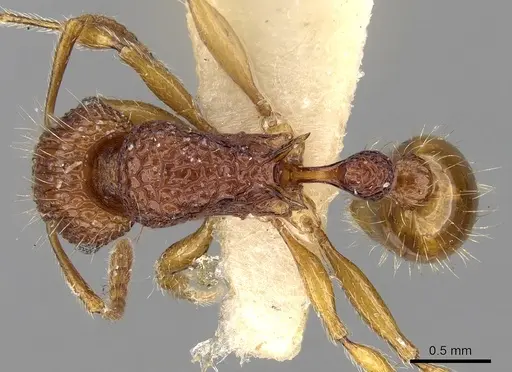
CASENT0281188
View on AntWeb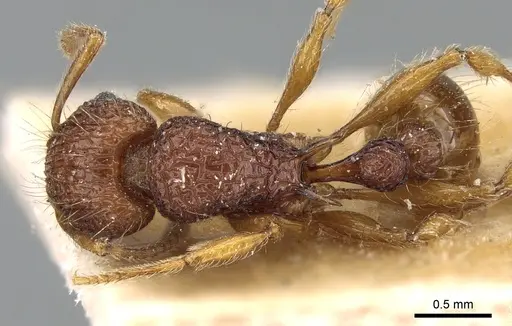
Literature
Loading...Loading products...