

Tetramorium phasias
- Scientific Name
- Tetramorium phasias
- Tribe
- Crematogastrini
- Subfamily
- Myrmicinae
- Author
- Forel, 1914
- Distribution
- Found in 5 countries
Tetramorium phasias Overview
Tetramorium phasias is an ant species of the genus Tetramorium. It is primarily documented in 5 countries , including Malawi, Mozambique, Tanzania. Detailed taxonomic data and occurrence records can be further explored via authoritative databases such as AntWeb or the Global Biodiversity Information Facility (GBIF).
Tetramorium phasias
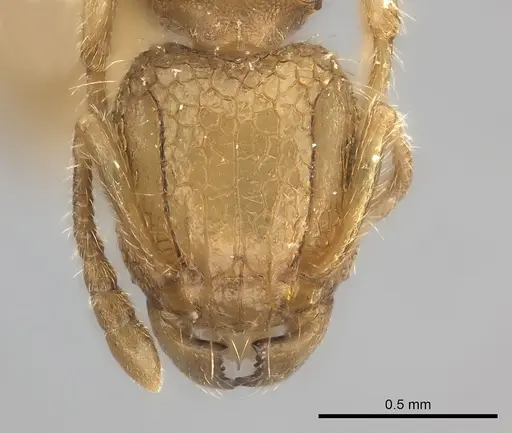
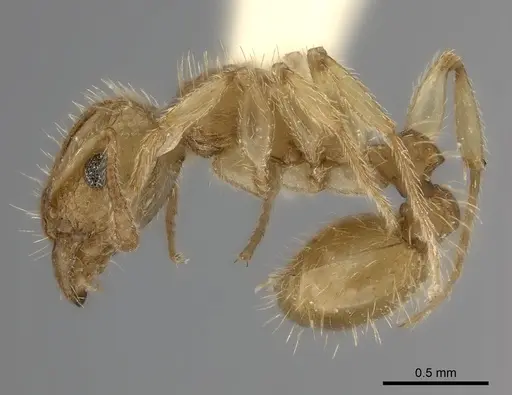
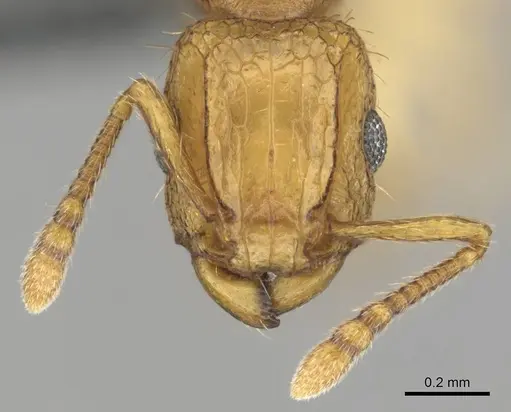
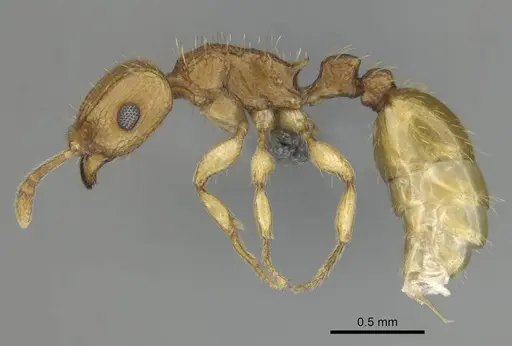
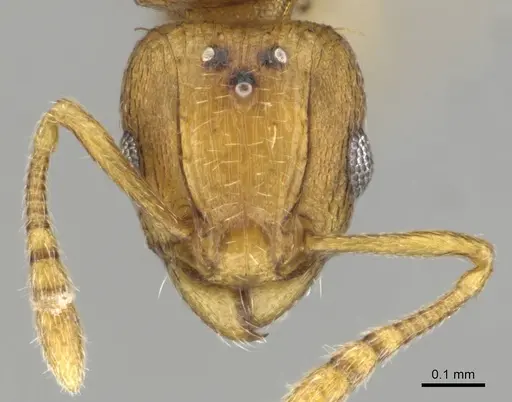
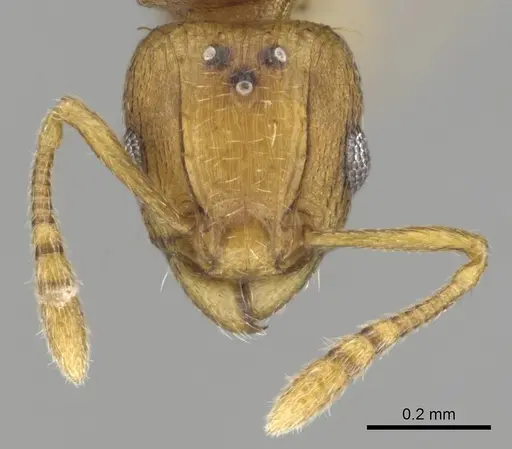
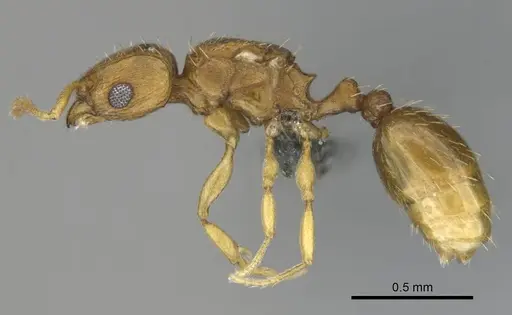
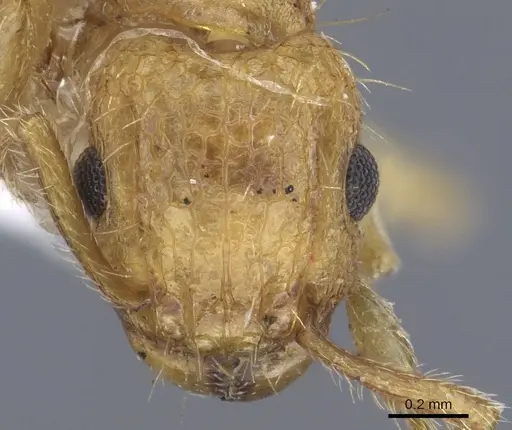
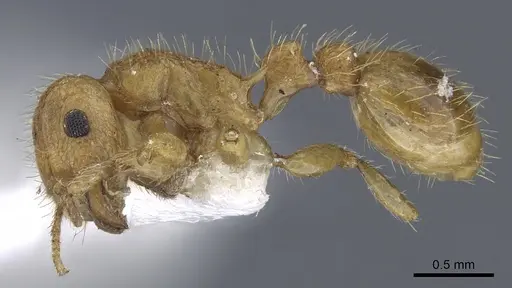
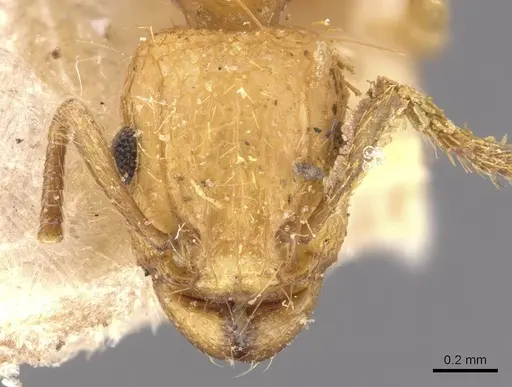
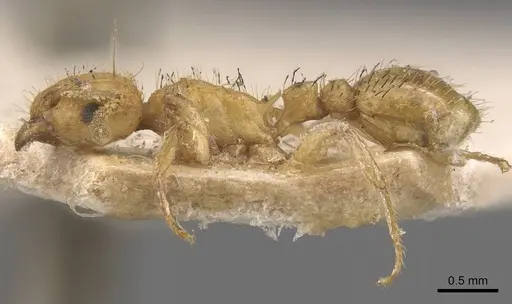
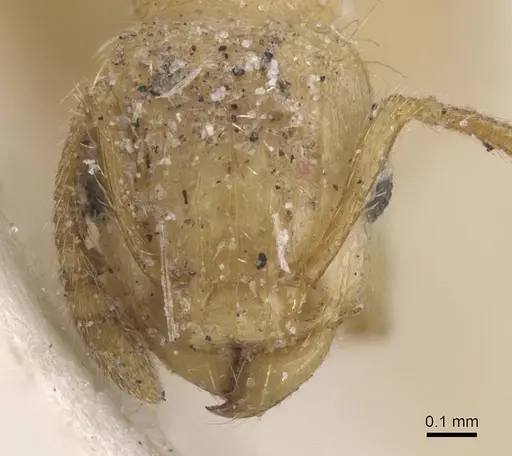
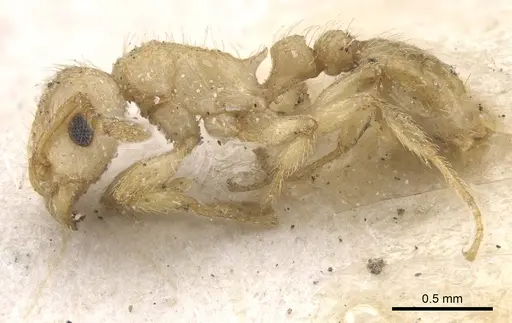
Tetramorium phasias is a small ant species measuring 2.9-3.6mm in worker length, belonging to the Myrmicinae subfamily [1]. Workers have a distinctive uniform pale yellow to light brownish-yellow coloration with strong sculptural features on the head and body [1]. This species belongs to the bicarinatum species group and is found across the Afrotropical region, including South Africa, Tanzania, Zimbabwe, Mozambique, Malawi, Angola, Zambia, and the Democratic Republic of Congo [1]. The species was raised from variety to full species status in 1980 by Bolton [1].
These ants are forest dwellers that nest in decaying wood both above and below ground level, you might find them in rotten sticks, under bark of dead trees, in rotting logs, or in soil mounds [1]. They forage on the ground, in vegetation, and in dead wood above ground. This species was recently recorded in Rwanda's Akagera National Park, expanding its known range [2].
Quick Summary
- Difficulty: Easy
- Origin & Habitat: Afrotropical region, found in forest habitats across southern and eastern Africa including South Africa, Tanzania, Zimbabwe, Mozambique, Malawi, Angola, Zambia, and DRC [1][3]
- Colony Type: Monogyne (single-queen colonies), typical for Tetramorium species
- Colony: Monogyne
- Founding: Claustral
- Size & Growth:
- Queen: Estimated 5-7mm based on genus patterns
- Worker: 2.9-3.6mm [1]
- Colony: Estimated several hundred workers based on typical Tetramorium colony sizes
- Growth: Moderate
- Development: Estimated 6-8 weeks at optimal temperature based on related species (Development time inferred from typical Tetramorium genus patterns)
- Antkeeping:
- Temperature: Keep at 24-28°C, these are warm-adapted African forest ants [1]
- Humidity: Moderate to high humidity (60-80%). Keep the nest substrate moist but not waterlogged. Forest species prefer damp conditions [1]
- Diapause: Not required, being an African species, they do not need true hibernation but may reduce activity in cooler months
- Nesting: Provide rotting wood pieces, cork, or a plaster/acrylic nest with moist substrate. They naturally nest in decaying wood and soil [1]
- Behavior: Workers are small but active foragers. They search for food on the ground and in vegetation. These ants are not aggressive and pose no stinging threat, Myrmicinae have a functional stinger but Tetramorium species are generally docile. Their small size (under 4mm) means escape prevention is important, use fine mesh barriers. They likely feed on small insects, honeydew, and nectar like other Tetramorium species.
- Common Issues: small size makes escape likely without fine mesh barriers, rotten wood nesting requires maintaining appropriate moisture without causing mold, wild-caught colonies may have parasites that can decimate the colony, slow founding phase, queens seal themselves in and may take months to produce first workers, overheating can be fatal, avoid temperatures above 30°C
Housing and Nest Setup
Tetramorium phasias naturally nests in rotting wood and soil, so you have several good options for captivity. A naturalistic setup with pieces of rotting wood, cork, or decaying bark works well, keep these moist but not soggy. Alternatively, a Y-tong (AAC) or plaster nest with a water reservoir works excellently since these ants prefer damp conditions. The nest chambers should be appropriately sized for their tiny 3mm workers, avoid large, open spaces. Since they naturally nest in dead wood above ground, a formicarium with horizontal or slightly elevated chambers mimics their natural setup better than deep vertical nests. Always provide an outworld for foraging [1].
Feeding and Diet
Like other Tetramorium species, these ants are omnivorous and will accept a variety of foods. Offer small protein sources such as fruit flies, pinhead crickets, mealworms, or other tiny insects. They also consume honeydew and nectar, so sugar water or honey can be offered occasionally. Feed them small prey items appropriate to their size, their workers are only 3mm so the prey should be manageable. Offer protein 2-3 times per week and keep a sugar source available. Remove uneaten prey after 24-48 hours to prevent mold [1].
Temperature and Heating
Being an African forest species, Tetramorium phasias prefers warm conditions. Keep the nest at 24-28°C for optimal brood development. You can use a heating cable on one side of the nest to create a gentle temperature gradient, but avoid direct heat that could dry out the nest or cause overheating. Room temperature in the low-to-mid 20s°C may be sufficient if your home is naturally warm. Monitor colony behavior, if workers cluster consistently in one area, they may be seeking warmer or cooler microclimates. Never exceed 30°C as this can be fatal [1].
Humidity Management
These forest ants need moderate to high humidity. Keep the nest substrate consistently moist, it should feel damp to the touch but not have standing water. If using a test tube setup, ensure the water reservoir is appropriately sized to maintain humidity without flooding. For naturalistic or plaster nests, check regularly that the substrate hasn't dried out. Mist the outworld occasionally but avoid letting water pool in the nest area. Good ventilation helps prevent mold while maintaining humidity. The key is consistency, sudden swings in moisture stress colonies [1].
Colony Founding
Queens are claustral, they seal themselves into a small chamber and raise the first brood without leaving to forage. The queen uses her stored fat reserves to survive and feed the larvae until the first workers (nanitics) emerge. This process typically takes 6-8 weeks but can take longer if temperatures are suboptimal. During founding, keep the queen undisturbed in a dark, quiet location with stable temperature and humidity. Do not check on her frequently as vibrations and light can stress her. Once the first workers emerge, you can begin offering tiny food items, but the colony will remain small for several months [1].
Behavior and Temperament
Tetramorium phasias workers are small, active foragers that search for food both on the ground and in vegetation. They are not aggressive and pose no real danger to keepers, while Myrmicinae have stingers, this species is docile. Their small size means they can slip through standard barrier setups, so use fine mesh (at least 0.5mm) on all openings. Workers are fast-moving and may be skittish when the nest is disturbed. They establish moderate-sized colonies over time. The species is newly recorded in Rwanda [2], expanding understanding of its range.
Frequently Asked Questions
How long does it take for Tetramorium phasias queens to produce first workers?
Expect 6-8 weeks at optimal temperature (24-28°C). This is typical for claustral Tetramorium species where the queen seals herself in and raises the first brood on stored fat reserves. The process may take longer if temperatures are cool.
Can I keep Tetramorium phasias in a test tube setup?
Yes, a test tube setup works well for founding colonies. Ensure the water reservoir is appropriately sized to maintain humidity without flooding the queen's chamber. Once the colony grows beyond 20-30 workers, consider moving to a formicarium with more space.
What do Tetramorium phasias ants eat?
They are omnivorous. Offer small live prey like fruit flies, pinhead crickets, or tiny insects. They also accept sugar sources like honey water. Feed protein 2-3 times per week and provide a constant sugar source.
Do Tetramorium phasias ants sting?
They have a stinger but are docile and not aggressive toward keepers. The sting, if it occurs, would be very mild due to their small size. They pose no significant danger.
What temperature do Tetramorium phasias need?
Keep them at 24-28°C. These are warm-adapted African forest ants that prefer stable warm conditions. Avoid temperatures above 30°C.
How big do Tetramorium phasias colonies get?
Based on typical Tetramorium species, colonies likely reach several hundred workers over time. They are not among the largest Tetramorium species.
Do Tetramorium phasias need hibernation?
No, being an African species, they do not require true hibernation. They may reduce activity in cooler months but no special winter care is needed.
Why are my Tetramorium phasias escaping?
Their small 3mm size means they can slip through standard barriers. Use fine mesh (0.5mm or smaller) on all openings and check for any gaps in your setup.
Are Tetramorium phasias good for beginners?
Yes, they are relatively easy to care for, docile, and have straightforward temperature requirements. The main challenges are escape prevention due to their small size and the slow founding phase.
When should I move my colony to a formicarium?
Move them when the test tube becomes crowded (typically 30+ workers) or when the water reservoir needs frequent refilling. A formicarium provides more space for colony growth.
References

This caresheet is licensed under CC BY-SA 4.0 .
CASENT0217975
View on AntWeb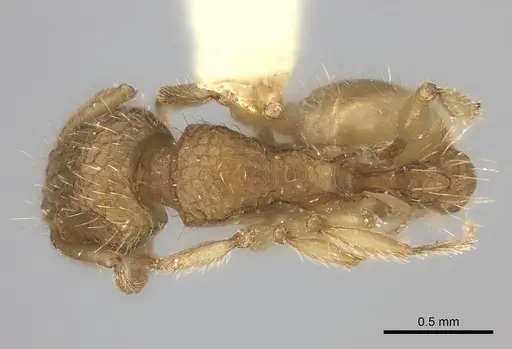
CASENT0235772
View on AntWeb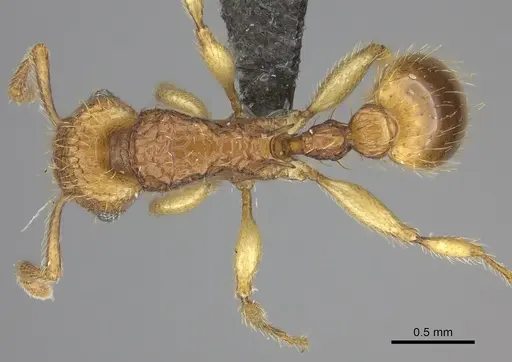
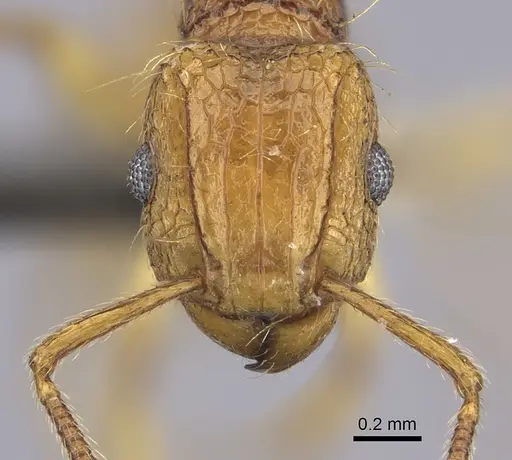
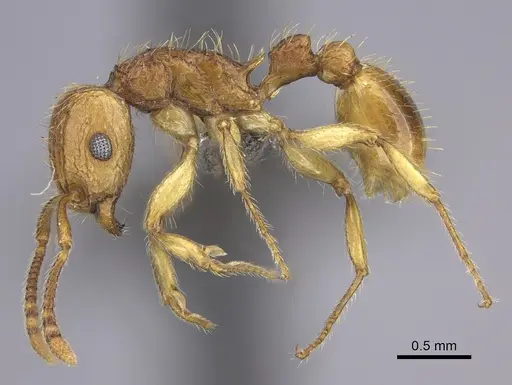
CASENT0250284
View on AntWeb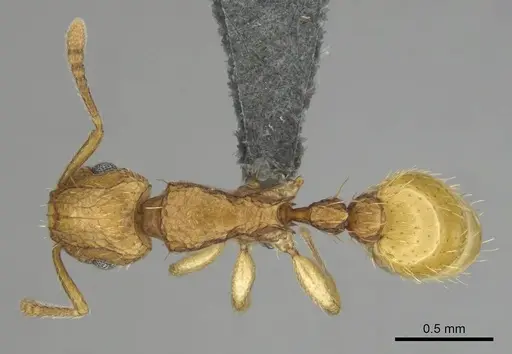
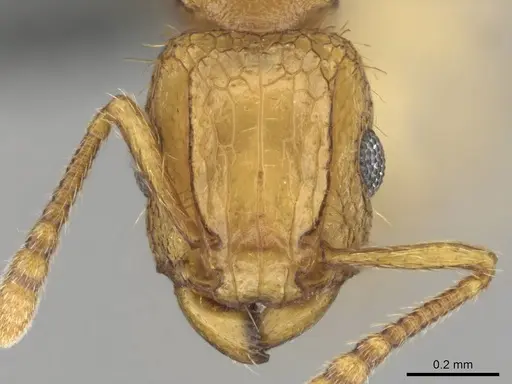
CASENT0250287
View on AntWeb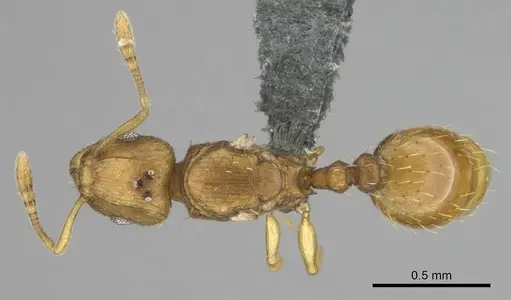
CASENT0781381
View on AntWeb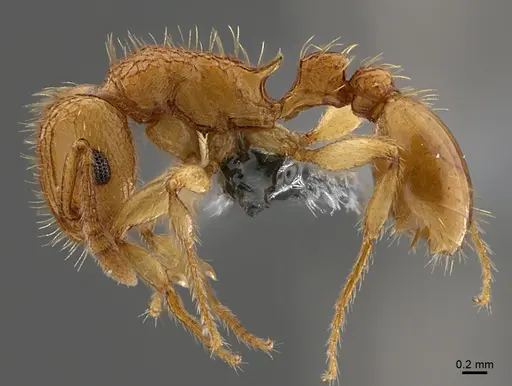
CASENT0901115
View on AntWeb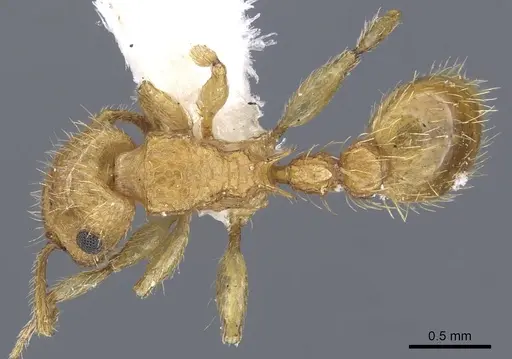
CASENT0909110
View on AntWeb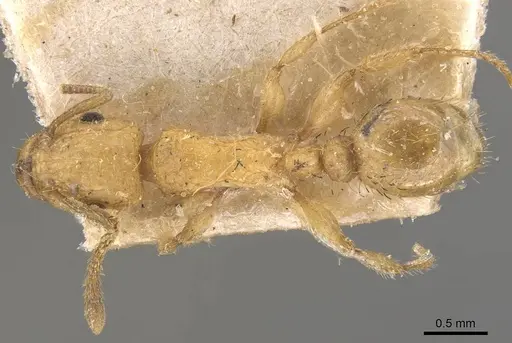
CASENT0915038
View on AntWeb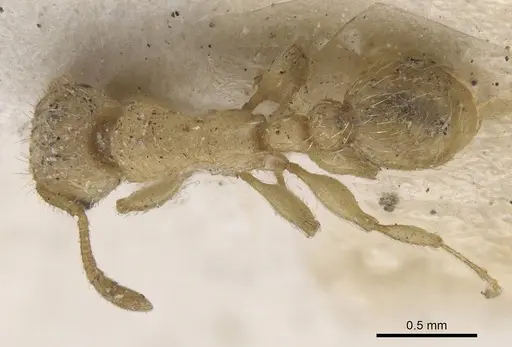
Literature
Loading...Loading products...