

Tetramorium palaense
- Scientific Name
- Tetramorium palaense
- Tribe
- Crematogastrini
- Subfamily
- Myrmicinae
- Author
- Bolton, 1979
- Distribution
- Found in 2 countries
Tetramorium palaense Overview
Tetramorium palaense is an ant species of the genus Tetramorium. It is primarily documented in 2 countries , including Brunei Darussalam, Malaysia. Detailed taxonomic data and occurrence records can be further explored via authoritative databases such as AntWeb or the Global Biodiversity Information Facility (GBIF).
Tetramorium palaense
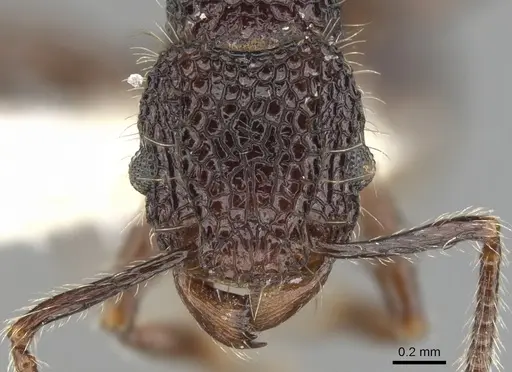
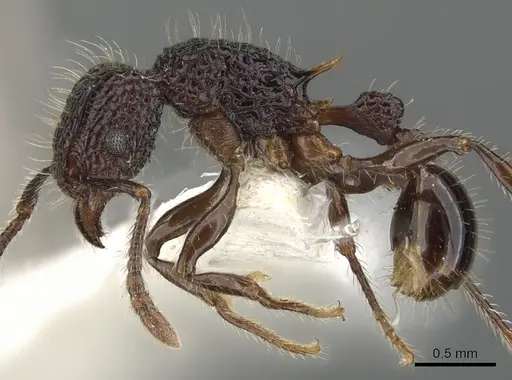
Tetramorium palaense is a small ground-dwelling ant species native to Southeast Asia, found across Borneo, Indonesia, Malaysia, and Thailand [1]. Workers are tiny, measuring just 2-3mm, with the typical Tetramorium appearance including a compact body, short antennae, and a two-segmented petiole (the narrow waist section between thorax and abdomen). They have a dark reddish-brown to brown coloration common in many Tetramorium species.
This species is a ground-dwelling ant that nests in soil and leaf litter in tropical and subtropical forests. Research shows they strongly prefer ground-level habitats over canopy environments and are primarily active during daytime hours [2]. They are commonly found in mixed deciduous forests in northern Thailand and lowland dipterocarp forests in Borneo, where they forage on the forest floor and are attracted to food baits.
Quick Summary
- Difficulty: Easy
- Origin & Habitat: Native to Southeast Asia, found in Borneo, Indonesia, Malaysia, and Thailand. Inhabits tropical and subtropical forests, particularly mixed deciduous forests and dipterocarp forests. Nests in soil and under leaf litter on the forest floor [3][2].
- Colony Type: Likely monogyne (single queen colonies) based on typical Tetramorium patterns. Colony size appears moderate, likely reaching several hundred workers in mature colonies.
- Colony: Monogyne
- Founding: Claustral
- Size & Growth:
- Queen: Estimated 5-7mm based on genus patterns, not directly measured in species description
- Worker: 2-3mm
- Colony: Estimated several hundred workers based on related Tetramorium species
- Growth: Moderate
- Development: Estimated 6-8 weeks at optimal temperature based on typical Tetramorium development (Development time inferred from genus-level data, specific species timing unconfirmed)
- Antkeeping:
- Temperature: Keep at 24-28°C, they come from warm tropical forests in Thailand and Borneo [3]. Room temperature within this range works well.
- Humidity: High humidity preferred, think damp forest floor. Keep the nest substrate consistently moist but not waterlogged. They naturally live in leaf litter and soil which retains moisture.
- Diapause: Unlikely required, being a tropical species from Southeast Asia, they probably do not need a true hibernation period. However, slight temperature reduction during winter months may slow activity.
- Nesting: Prefers naturalistic setups with soil or a soil-like substrate. Small test tubes with a cotton barrier work for founding colonies. For established colonies, a Y-tong or plaster nest with moist substrate mimics their natural leaf litter nesting sites.
- Behavior: These are small, active ants that forage primarily on the ground during daytime hours [2]. They are not particularly aggressive and typically flee from threats rather than attack. Workers are attracted to sweet liquids and small protein sources. Their small size (2-3mm) means they can squeeze through small gaps, escape prevention is important despite their small colony size initially. They are ground-dwelling and do not climb well, which makes containment relatively straightforward once established.
- Common Issues: small size means escapes are likely without fine mesh barriers, high humidity requirements can lead to mold if ventilation is poor, wild-caught colonies may have parasites that kill them in captivity, slow founding phase, queens seal themselves in and may not emerge for weeks, tropical species may not tolerate temperature drops below 20°C
Housing and Nest Setup
For founding colonies, a simple test tube setup works well. Use a test tube with a water reservoir separated by a cotton ball, keeping the substrate lightly moist. The queen will seal herself in a chamber at the end of the tube and remain there until her first workers emerge. For established colonies with 50+ workers, you can move them to a Y-tong (acrylic) nest or a naturalistic setup with soil substrate. Because they naturally nest in leaf litter and soil, a naturalistic setup with damp soil, leaf litter, and pieces of rotting wood mimics their natural environment well. Keep the nest area humid, these forest-floor ants need moisture to thrive. [3][2]
Feeding and Diet
Tetramorium palaense is an omnivorous species that will accept both sugar sources and protein. In the wild, they forage on the forest floor and are attracted to baits [2]. Offer sugar water, honey, or diluted maple syrup as a constant carbohydrate source. For protein, provide small insects like fruit flies, small mealworms, or cricket pieces. Feed protein 2-3 times per week, adjusting based on colony size and consumption. Remove uneaten prey after 24 hours to prevent mold. These tiny ants can only tackle very small prey items, avoid offering anything larger than their head width.
Temperature and Humidity
Maintain temperatures between 24-28°C. This species comes from tropical Thailand and Borneo, where year-round temperatures are warm. They can tolerate slightly cooler conditions (down to around 22°C) but growth will slow. Avoid temperatures below 20°C as this species is not adapted to cool conditions. Humidity is important, keep the nest substrate consistently damp but not soaking wet. The forest floor environment they naturally inhabit is humid but well-ventilated. Use a hygrometer to monitor and aim for 70-80% humidity in the nest area. Good ventilation helps prevent mold while maintaining humidity. [3]
Behavior and Activity
These ants are primarily ground-dwelling and show a strong preference for ground-level habitats over arboreal ones [2]. They are diurnal, meaning they are most active during daytime hours [2]. Workers are small but active foragers that search for food across the nest area. They are not aggressive and will typically retreat from threats rather than engage. Because of their small size, they can escape through tiny gaps, use fine mesh on any ventilation holes and ensure lid seals are tight. They do not climb smooth surfaces well, which helps with containment once escape routes are secured.
Colony Development
A newly mated queen will seal herself into a chamber and lay her first batch of eggs. She feeds them using her stored fat reserves and will not leave to forage during this claustral founding period. First workers (nanitics) are typically smaller than mature workers and will emerge after 6-8 weeks under optimal conditions. After the nanitics arrive, the queen stops foraging and is fed by workers. Colony growth is moderate, expect several months to reach 50 workers, and a year or more to reach several hundred. Growth rate depends heavily on temperature and feeding frequency. Consistent warmth and regular protein feeding will speed development.
Frequently Asked Questions
How long does it take for Tetramorium palaense to raise first workers?
Expect 6-8 weeks from egg to first worker at optimal temperature (24-28°C). This is based on typical Tetramorium development patterns. The queen seals herself in during founding and may not be visible for several weeks, this is normal behavior.
Can I keep Tetramorium palaense in a test tube?
Yes, test tubes work well for founding colonies. Use a small test tube with a water reservoir separated by cotton, keeping it lightly moist. Once the colony reaches 50+ workers, consider moving to a larger setup like a Y-tong or naturalistic formicarium with soil substrate.
Do Tetramorium palaense ants sting?
Yes, being in the subfamily Myrmicinae, they have functional stingers. However, due to their very small size (2-3mm), their sting is mild and rarely noticeable to humans. They are not aggressive and typically flee rather than sting when threatened.
What temperature do Tetramorium palaense ants need?
Keep them at 24-28°C. They come from tropical Southeast Asia (Thailand, Borneo) and need warm conditions. Room temperature in this range works well. Avoid temperatures below 20°C as they are not cold-tolerant.
Are Tetramorium palaense good for beginners?
Yes, they are considered an easy species to keep. They are small, manageable, and have straightforward care requirements. The main challenges are maintaining humidity and preventing escapes due to their tiny size. They are not aggressive and do not require special hibernation care.
How big do Tetramorium palaense colonies get?
Based on related species, colonies likely reach several hundred workers over 1-2 years. They are not among the largest Tetramorium species but can still form substantial colonies. Colony growth is moderate, patience is needed during the founding phase.
Do Tetramorium palaense need hibernation?
No, they do not require hibernation. Being a tropical species from Southeast Asia, they remain active year-round at room temperature. You may notice reduced activity during winter if your room temperature drops, but a true diapause period is not necessary.
Why are my Tetramorium palaense escaping?
Their small size (2-3mm) allows them to squeeze through tiny gaps. Check all ventilation holes, lid seals, and connection points. Use fine mesh (at least 0.5mm) on any openings and ensure all connections are tight. They are ground-dwelling and do not climb well, so focus on sealing gaps at the base of the nest.
What do Tetramorium palaense eat?
They are omnivorous. Offer sugar water, honey, or maple syrup as a constant carbohydrate source. For protein, provide small insects like fruit flies, small mealworms, or cricket pieces. Feed protein 2-3 times per week. Remove uneaten food after 24 hours.
When should I move my Tetramorium palaense to a formicarium?
Move them when the test tube becomes crowded, typically around 30-50 workers. A Y-tong or naturalistic setup with moist soil works well. They naturally nest in leaf litter and soil, so a naturalistic formicarium with a soil layer mimics their natural habitat.
References

This caresheet is licensed under CC BY-SA 4.0 .
CASENT0217974
View on AntWeb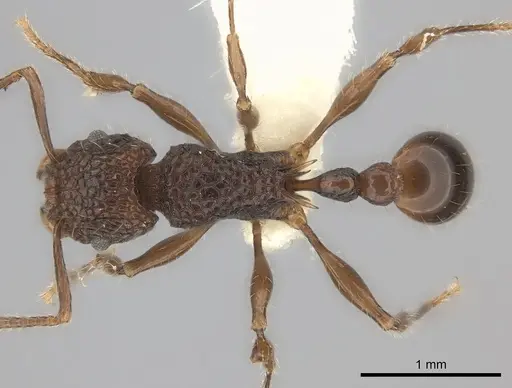
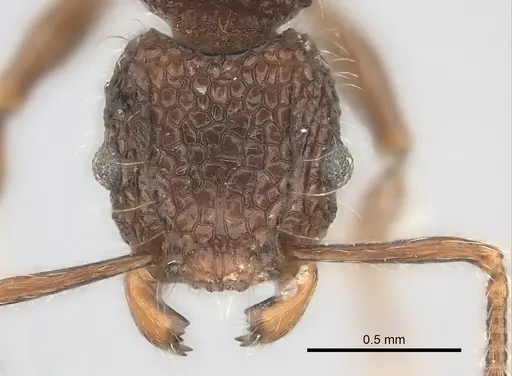
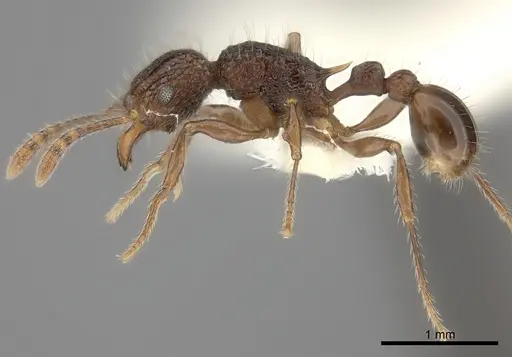
CASENT0901073
View on AntWeb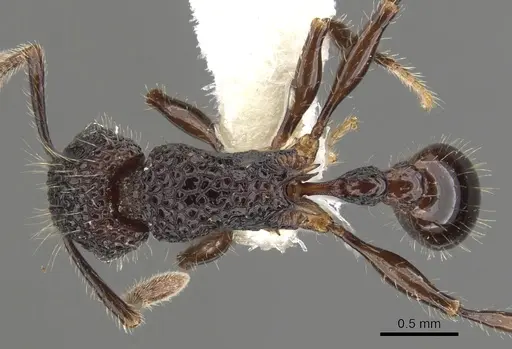
Literature
Loading...Loading products...