

Tetramorium ornatum
- Scientific Name
- Tetramorium ornatum
- Tribe
- Crematogastrini
- Subfamily
- Myrmicinae
- Author
- Emery, 1897
- Distribution
- Found in 2 countries
Tetramorium ornatum Overview
Tetramorium ornatum is an ant species of the genus Tetramorium. It is primarily documented in 2 countries , including Australia, Papua New Guinea. Detailed taxonomic data and occurrence records can be further explored via authoritative databases such as AntWeb or the Global Biodiversity Information Facility (GBIF).
Tetramorium ornatum
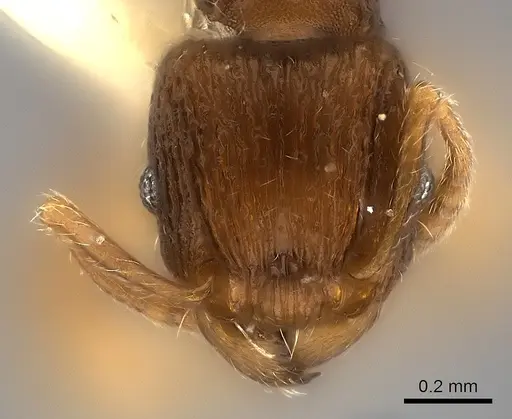
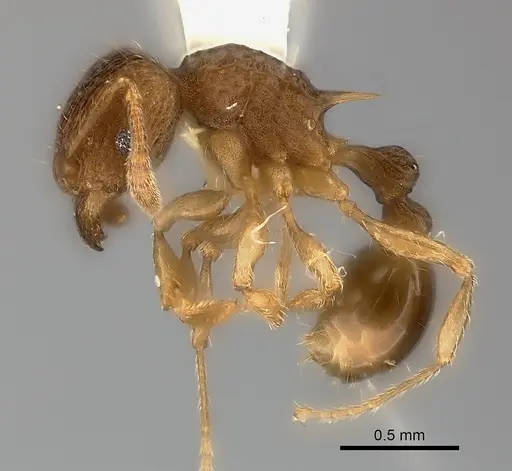
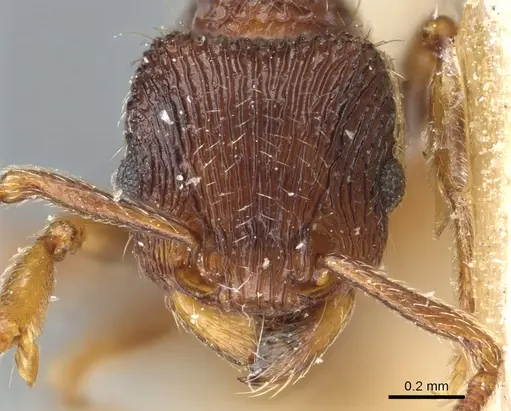
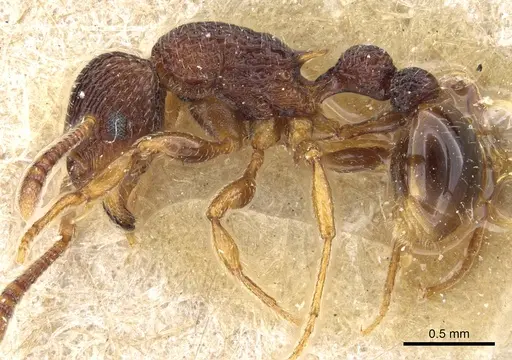
Tetramorium ornatum is a small, ground-dwelling ant species native to the Australasian region, including Australia, New Guinea, and the Bismarck Archipelago. Workers measure 3.0-3.8mm and display color variations ranging from reddish brown to blackish brown. They feature distinctive longitudinal rugae (ridge-like sculptures) on the head and a coarse network pattern on the alitrunk (middle body section). The species is the most widespread member of its group, with the closest relative in New Guinea being the larger Tetramorium sculptatum. These ants inhabit mesic (damp) forest environments where they nest in leaf litter and ground debris [1].
Quick Summary
- Difficulty: Medium
- Origin & Habitat: Australasian region including Australia, New Guinea, and Bismarck Archipelago. Inhabits mesic forest habitats, typically found in litter samples [1].
- Colony Type: Colony structure is unconfirmed. Based on typical Tetramorium patterns, likely single-queen colonies (monogyne) with claustral founding.
- Size & Growth:
- Queen: Estimated 5-7mm based on genus patterns
- Worker: 3.0-3.8mm
- Colony: Estimated up to several hundred workers based on typical Tetramorium colony sizes
- Growth: Moderate
- Development: Estimated 6-10 weeks at optimal temperature based on related Tetramorium species (Direct development data unavailable, estimate based on genus-level patterns for tropical Myrmicinae)
- Antkeeping:
- Temperature: Keep at 22-26°C. They inhabit tropical and subtropical regions, so warmth supports activity and brood development. A gentle gradient allowing workers to self-regulate is beneficial.
- Humidity: Maintain moderate to high humidity (60-80%). Their natural mesic forest habitat suggests they prefer damp conditions. Keep the substrate consistently moist but not waterlogged.
- Diapause: Likely minimal or no true diapause given their tropical/subtropical distribution. However, a brief slow-down period during cooler winter months may occur if room temperature drops.
- Nesting: Provide a naturalistic setup with moist substrate, leaf litter, and small hiding structures. Y-tong (AAC) nests or plaster nests work well. They prefer tight, humid chambers scaled to their small size.
- Behavior: These ants are ground-dwelling and relatively non-aggressive. Workers forage through leaf litter and upper soil layers, typical of litter-dwelling species. They likely feed on small invertebrates, honeydew, and nectar. Escape risk is moderate due to their small size, use standard barrier methods. They are not known for stinging and generally avoid confrontation.
- Common Issues: small size makes escape prevention important, use fine mesh barriers, colonies may develop slowly, requiring patience during founding stage, high humidity needs can lead to mold if ventilation is poor, wild-caught colonies may harbor parasites that can devastate captive populations, test tube setups require careful water management to prevent flooding
Housing and Nest Setup
For this small litter-dwelling species, a naturalistic setup works best. Use a shallow container with moist soil or coco fiber substrate topped with leaf litter, twigs, and small hiding spots. This mimics their natural forest floor habitat where they navigate through decomposing material. Alternatively, a Y-tong (AAC) nest with tight chambers and a water reservoir works well for established colonies. The key is maintaining high humidity while ensuring adequate ventilation to prevent mold. Because workers are only 3-4mm, they can squeeze through standard test tube cotton if given the chance, so ensure all connections are secure. A hydration zone (moist cotton or sponge) should be available at all times. [1]
Feeding and Diet
Tetramorium ornatum is likely an omnivorous forager that collects small invertebrates, honeydew from aphids, and nectar in nature. In captivity, offer a varied diet: small live prey like fruit flies, pinhead crickets, or springtails for protein. Sugar water, honey diluted with water, or commercial ant sweets provide carbohydrates. Feed protein 2-3 times per week and keep a sugar source available constantly. Remove uneaten prey within 24 hours to prevent mold. Given their small size, prey items should be appropriately sized, nothing larger than the ants themselves. [1]
Temperature and Seasonal Care
Maintain temperatures between 22-26°C year-round, reflecting their tropical and subtropical distribution in northern Australia and New Guinea. Room temperature within this range is typically sufficient. If your space runs cooler, use a heating cable on one side of the nest to create a gentle gradient, place it on top of the nest, not underneath, to avoid evaporating moisture too quickly. Unlike temperate species, they do not require a true hibernation period. However, if ambient temperatures drop significantly in winter, colony activity may slow. Avoid sudden temperature fluctuations. They prefer stable, warm conditions similar to their natural rainforest floor habitat. [1]
Colony Development and Growth
Colony growth follows typical Myrmicinae patterns. After mating, a claustral queen seals herself in a small chamber and raises the first brood using stored fat reserves. The first workers (nanitics) are typically smaller than mature workers and appear within 6-10 weeks under optimal conditions. After that, the colony expands gradually as the queen continues laying eggs. Expect moderate growth rates, a healthy colony may reach 100-200 workers within the first year under good conditions. Growth is slower than faster-growing genera like Lasius or Monomorium. Patience is key during the founding stage, as many colonies fail before the first workers emerge.
Behavior and Temperament
These are calm, non-aggressive ants that prefer to avoid conflict. Workers are active foragers but not particularly bold or defensive. They navigate through leaf litter and soil, searching for small prey and sugary substances. Unlike some Myrmicinae, they are not known for painful stings, while they possess a stinger, it is small and rarely used defensively. The colony is moderately prolific but not prone to supercolony formation. Workers are small (3-4mm) but not extreme escape artists, standard barrier methods like fluon on container edges work well. They do not exhibit slave-making or other specialized behaviors. [1]
Frequently Asked Questions
How long does it take for Tetramorium ornatum to raise first workers?
Expect 6-10 weeks from egg to first worker at optimal temperature (22-26°C). This is based on typical Tetramorium development patterns, as specific timing for this species has not been documented. The first workers will be smaller (nanitics) and the colony will grow gradually after that.
Can I keep Tetramorium ornatum in a test tube setup?
Yes, test tubes work well for founding colonies. Use a small test tube with a water reservoir sealed with cotton, the ants will drink from the water chamber. Keep the tube horizontal in a dark, humid space. However, because they require high humidity, monitor for mold and consider moving to a more spacious setup once the colony reaches 20-30 workers.
Do Tetramorium ornatum ants sting?
They possess a stinger but are not considered dangerous or particularly aggressive. Their small size and docile nature mean they rarely use it defensively. Even if they do sting, the effect is minimal compared to larger ants.
What do Tetramorium ornatum eat?
They are omnivorous. Offer small live prey (fruit flies, springtails, tiny crickets) for protein 2-3 times weekly, and keep a constant sugar source available (honey water, sugar water, or commercial ant sweets). They also likely accept small pieces of fruit.
Are Tetramorium ornatum good for beginners?
They are moderate difficulty, not the easiest but not challenging. Their main requirements are consistent warmth (22-26°C) and high humidity. Beginners should be prepared for relatively slow colony growth compared to faster species like Lasius. Patience is essential during the founding stage.
Do Tetramorium ornatum need hibernation?
No true hibernation is required. Their tropical/subtropical distribution means they remain active year-round if kept warm. If room temperature drops significantly in winter, activity may slow naturally, but a dedicated cooling period is not necessary.
How big do Tetramorium ornatum colonies get?
Based on typical Tetramorium species, colonies likely reach several hundred workers at maturity. They are not among the largest ants, but a healthy colony can be quite populous over time.
When should I move Tetramorium ornatum to a formicarium?
Move them when the test tube becomes crowded or the colony reaches around 30-50 workers. A naturalistic setup with moist substrate works best. Ensure the formicarium maintains high humidity and provides small chambers scaled to their tiny workers.
Why is my Tetramorium ornatum colony dying?
Common causes include: too low temperature (below 20°C), too dry conditions, mold from poor ventilation, or stress from excessive disturbance. Also check for parasites, wild-caught colonies often harbor mites or other pathogens. Ensure humidity is high but not stagnant, and avoid overfeeding.
Can I keep multiple Tetramorium ornatum queens together?
This has not been documented for this species. Based on typical Tetramorium behavior, they likely form single-queen colonies. Combining unrelated foundresses is not recommended as it may result in fighting.
References

This caresheet is licensed under CC BY-SA 4.0 .
CASENT0217973
View on AntWeb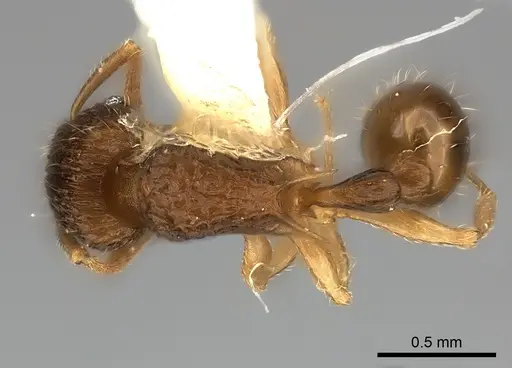
CASENT0904855
View on AntWeb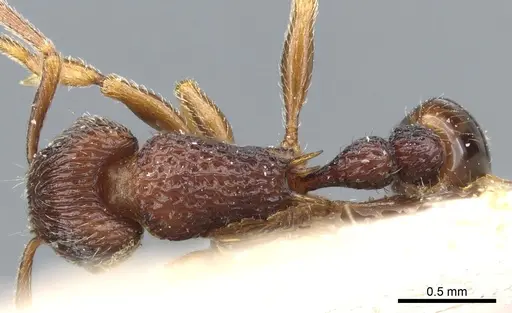
Literature
Loading...Loading products...