

Tetramorium opacum
- Scientific Name
- Tetramorium opacum
- Tribe
- Crematogastrini
- Subfamily
- Myrmicinae
- Author
- Emery, 1909
- Distribution
- Found in 1 countries
Tetramorium opacum Overview
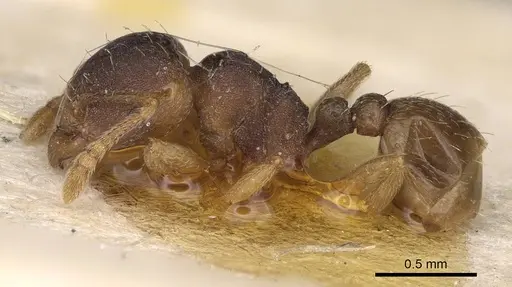
Tetramorium opacum is an ant species of the genus Tetramorium. It is primarily documented in 1 countries , including Congo, Democratic Republic of the. Detailed taxonomic data and occurrence records can be further explored via authoritative databases such as AntWeb or the Global Biodiversity Information Facility (GBIF).
Tetramorium opacum
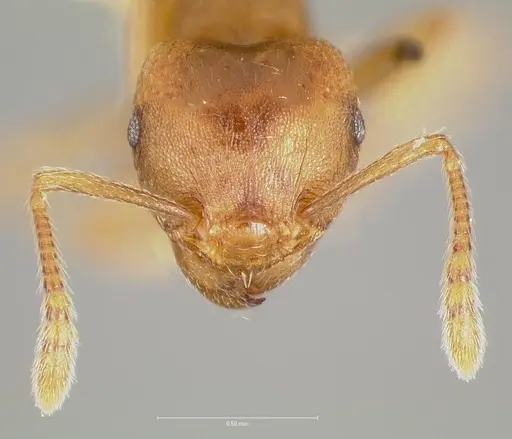
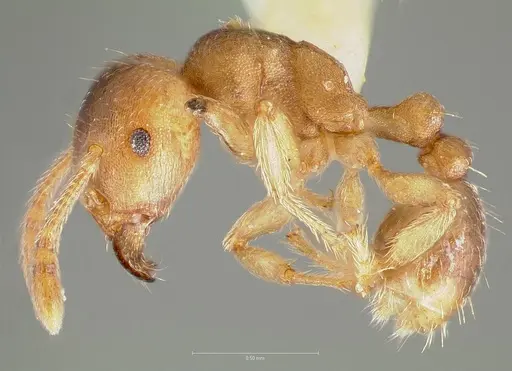
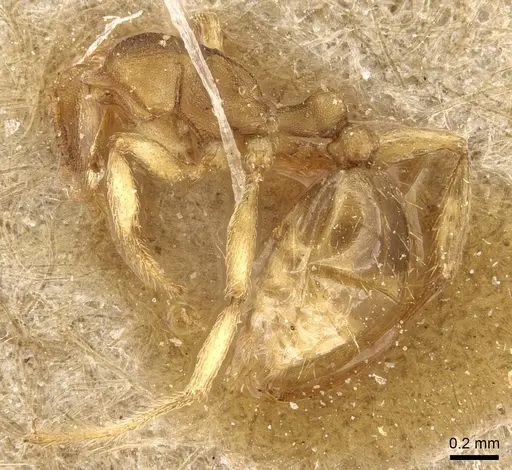
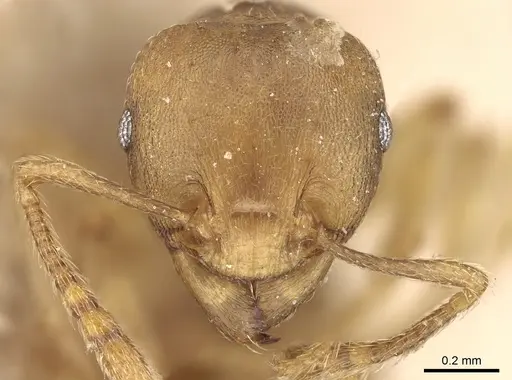
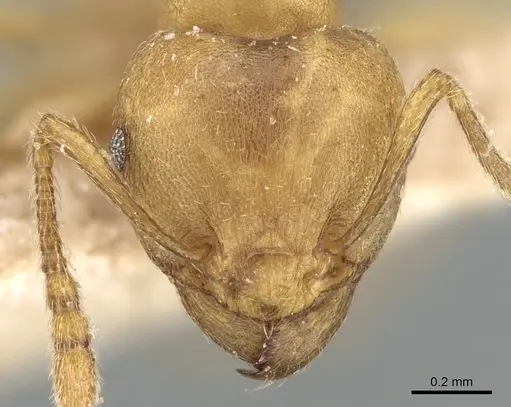
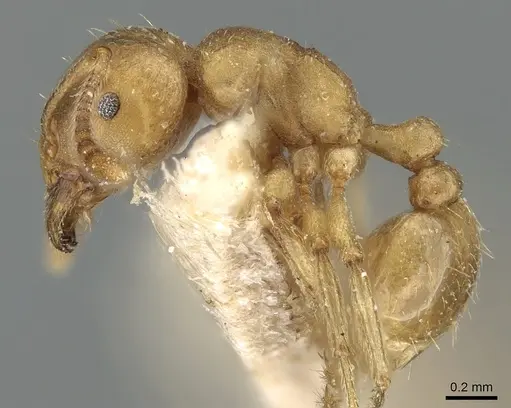
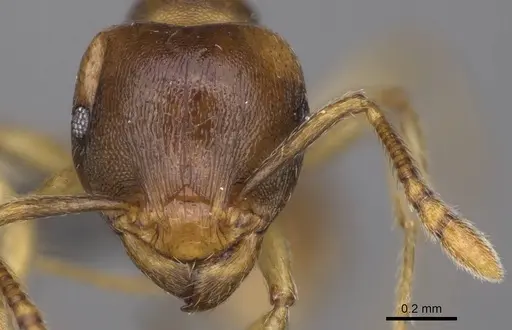
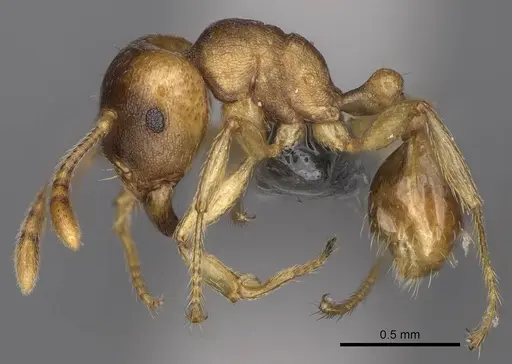
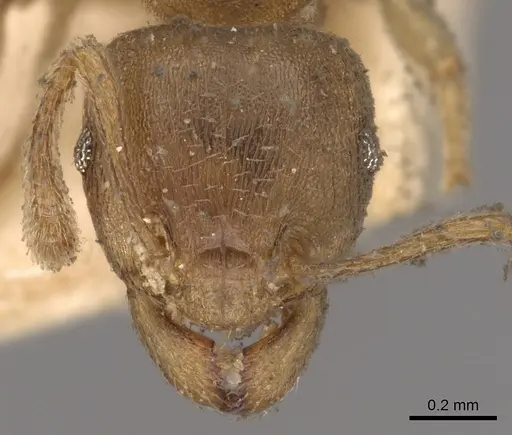
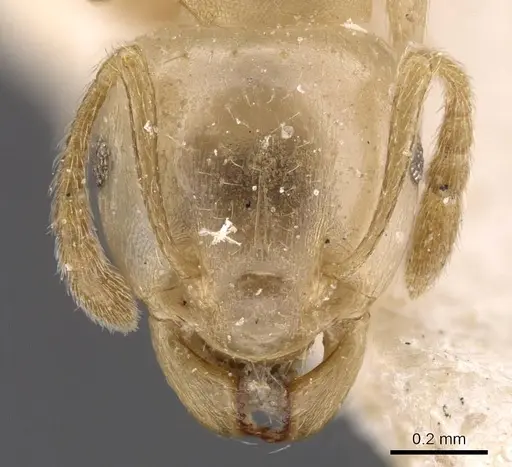
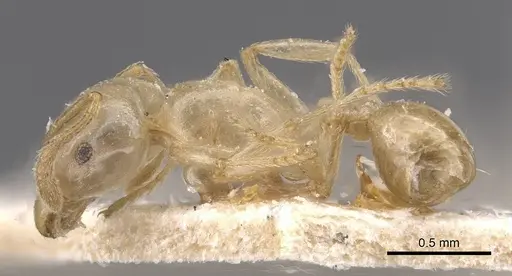
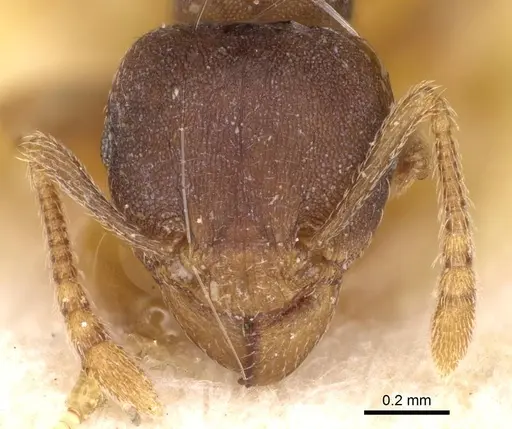
Tetramorium opacum is a small ant species native to Central Africa, where it has been documented in the Democratic Republic of Congo and Rwanda [1][2]. Workers are small, typically measuring 3-5mm, with the characteristic Tetramorium appearance: a compact body, distinct two-segmented petiole (the narrow 'waist' between thorax and abdomen), and often a somewhat rough or textured body surface. The species was historically classified under Rhoptromyrmex before being reclassified to Tetramorium [1]. Little specific research exists on this particular species, but it follows the typical patterns of its genus as a ground-nesting ant found in tropical habitats.
Quick Summary
- Difficulty: Medium
- Origin & Habitat: Central Africa, documented in the Democratic Republic of Congo and Rwanda, specifically found in Akagera National Park in eastern Rwanda [2]. The species appears in tropical savanna and forest edge habitats typical of the region. Based on its range, it originates from warm, humid African environments.
- Colony Type: Colony structure is not well documented for this species. Based on typical Tetramorium patterns, it is likely monogyne (single-queen colonies), though this remains unconfirmed for T. opacum specifically.
- Size & Growth:
- Queen: Estimated 7-9mm based on genus typical sizes
- Worker: Estimated 3-5mm based on genus typical sizes
- Colony: Unknown for this specific species, but Tetramorium colonies typically reach several hundred to a few thousand workers
- Growth: Moderate, typical for tropical Tetramorium species
- Development: Estimated 6-8 weeks at tropical temperatures (25-28°C) based on related Tetramorium species (Development time is estimated from genus-level data since no species-specific research exists. Warmer temperatures within the acceptable range may speed development slightly.)
- Antkeeping:
- Temperature: Keep at 24-28°C (warm tropical conditions). A slight gradient allowing workers to choose their preferred temperature is ideal. Based on the species' Central African origin, warmth is important for colony health and brood development.
- Humidity: Maintain moderate to high humidity (60-80%). These ants come from humid tropical regions and prefer nest substrate that stays consistently moist but not waterlogged. Provide a water tube as a drinking source
- Diapause: Unlikely to require true hibernation. Based on their tropical origin, they likely remain active year-round with slight slowing during cooler periods. No formal diapause period is expected.
- Nesting: In nature, they nest in soil and under stones in ground-level locations. In captivity, a Y-tong (AAC) nest, plaster nest, or naturalistic setup with soil substrate works well. They prefer tight, enclosed chambers rather than open spaces. Provide some damp substrate for nest humidity.
- Behavior: Tetramorium opacum workers are small but active foragers. They are generalist omnivores, collecting food both individually and through recruitment. They are not particularly aggressive toward keepers but will defend their nest if threatened. Their small size means escape prevention is important, use fine mesh and tight-fitting barriers. Workers are fast-moving and can slip through small gaps.
- Common Issues: small size makes escape prevention critical, use fine mesh barriers, humidity levels can be tricky, too dry causes colony decline, too wet promotes mold, limited species-specific information means care is based on genus patterns rather than confirmed data, wild-caught colonies may carry parasites or pathogens from their native range, slow founding phase, claustral queens need patience during the first few months
Housing and Nest Setup
For Tetramorium opacum, use a nest setup that maintains stable humidity while preventing escapes. A Y-tong (AAC) nest works well because it provides tight chambers scaled to their small size and holds humidity effectively. Alternatively, a plaster or acrylic nest with a water reservoir section maintains moisture levels. The outworld should be simple, a small container where you can offer food. Because workers are tiny (3-5mm), use a test tube with a cotton plug for water, and ensure all connections are sealed with fine mesh or fluon barriers. A naturalistic setup with a soil-filled container and flat stones for cover also mimics their natural ground-nesting behavior.
Feeding and Diet
Tetramorium opacum is a generalist omnivore like most species in the genus. Offer protein sources such as small insects (fruit flies, small crickets, mealworms cut into pieces), and provide sugar water, honey, or diluted sugar syrup as an energy source. They will also scavenge on dead insects and may tend aphids for honeydew if given the opportunity. Feed small amounts of protein 2-3 times per week, and keep sugar water available at all times. Remove uneaten food after 24-48 hours to prevent mold. Because workers are small, cut prey into appropriately sized pieces.
Temperature and Seasonal Care
Maintain temperatures between 24-28°C for optimal colony health and brood development. These ants come from tropical Central Africa and need consistent warmth. A small heating cable on one side of the nest can create a temperature gradient, allowing workers to regulate their own exposure. Avoid temperatures below 20°C for extended periods. Since they are from a tropical climate, they do not require hibernation or diapause. However, they may show slightly reduced activity during cooler periods or if room temperature drops. Monitor colony behavior, active, foragers indicates good conditions, while lethargy or clustering may indicate temperature issues.
Colony Founding
The founding phase for Tetramorium opacum follows the typical claustral pattern. A newly mated queen will seal herself into a small chamber and remain there, living on her stored fat reserves, while she lays eggs and raises the first brood. During this time, she does not forage, she relies entirely on energy from her own body. The first workers (nanitics) will be smaller than mature workers but will immediately begin foraging for food to feed the colony. This founding phase typically lasts 6-10 weeks until the first workers emerge. During this time, the queen needs complete darkness and minimal disturbance. Do not feed the queen during founding, she will not eat until workers are present.
Behavior and Temperament
Workers of Tetramorium opacum are active and efficient foragers. They recruit nestmates to food sources through chemical trails, forming chains of workers carrying food back to the nest. They are not particularly aggressive toward humans but will bite if directly threatened and may spray formic acid as a defense. Their small size makes them quick and sometimes nervous. They are not considered dangerous to keepers, their bite is mild and they are not known for aggressive swarming. The main concern for keepers is their small size: they can escape through tiny gaps in equipment, so escape prevention with fine mesh (at least 0.5mm) and fluon barriers on smooth surfaces is essential.
Frequently Asked Questions
How long does it take for Tetramorium opacum to have first workers?
From egg to first worker, expect approximately 6-8 weeks at optimal temperatures (24-28°C). This is based on typical Tetramorium development patterns since no species-specific data exists. The queen will remain sealed in her founding chamber during this time, raising the brood entirely on her own.
Can I keep Tetramorium opacum in a test tube setup?
Yes, a test tube setup can work for founding colonies and small established colonies. Use a test tube with a water reservoir (cotton-stoppered) to maintain humidity. However, because they are small and can escape through small gaps, ensure the cotton is packed tightly and consider adding a fluon barrier at the tube entrance. For larger colonies, transfer to a Y-tong or plaster nest.
What temperature do Tetramorium opacum ants need?
Keep them at 24-28°C (warm tropical conditions). They originate from Central Africa and need consistent warmth. A small heating cable on part of the nest can help maintain these temperatures, especially in cooler rooms. Avoid temperatures below 20°C for extended periods.
Are Tetramorium opacum ants dangerous?
No, they are not considered dangerous. They are small ants that may bite if threatened, and they can spray formic acid as a defense, but neither action is harmful to humans. They are not aggressive toward keepers and are considered safe to handle with care.
How big do Tetramorium opacum colonies get?
Colony size is not well documented for this specific species, but based on typical Tetramorium patterns, colonies likely reach several hundred to a few thousand workers over time. Growth is moderate, expect several months to a year before you have a substantial colony.
Do Tetramorium opacum ants need hibernation?
No, they do not require hibernation. Being from tropical Central Africa, they remain active year-round. You may notice slightly reduced activity during cooler periods, but no formal diapause or hibernation period is needed.
What do Tetramorium opacum ants eat?
They are generalist omnivores. Offer small insects (fruit flies, small crickets, mealworms) for protein, and provide sugar water, honey, or diluted sugar syrup as a carbohydrate source. They will also scavenge on dead insects and may collect honeydew if aphids are available.
Why are my Tetramorium opacum ants escaping?
Their small size (3-5mm workers) means they can slip through very small gaps. Use fine mesh (0.5mm or smaller) on all ventilation holes, apply fluon barriers to smooth surfaces, and ensure all connections are tightly sealed. Check for any cracks or gaps in your setup regularly.
Is Tetramorium opacum good for beginners?
They are moderately difficulty. The main challenges are their small size (requiring good escape prevention) and the fact that limited species-specific information exists, so care is based on genus patterns rather than confirmed data. They are not the easiest species for complete beginners, but experienced antkeepers should find them manageable.
Can I keep multiple Tetramorium opacum queens together?
This is not recommended. While colony structure is unconfirmed for this species, combining unrelated queens of this species has not been documented and would likely result in fighting. If you have multiple foundresses, keep them in separate enclosures until you confirm one has established a healthy colony.
References

This caresheet is licensed under CC BY-SA 4.0 .
CASENT0005920
View on AntWeb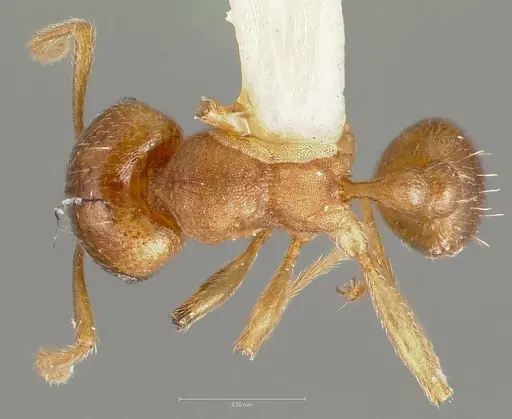
CASENT0281189
View on AntWeb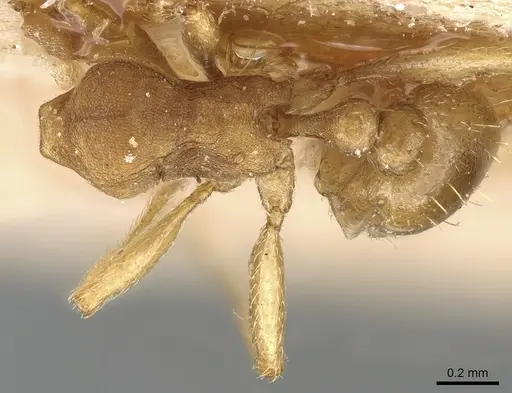
CASENT0281190
View on AntWeb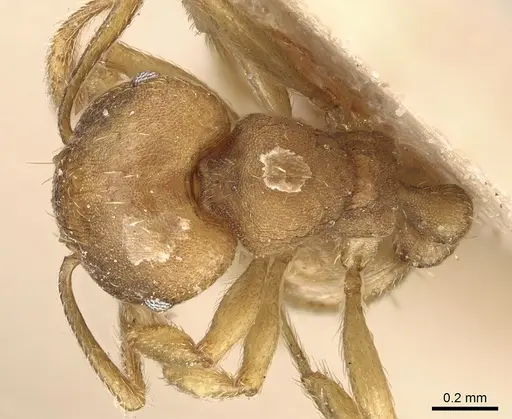
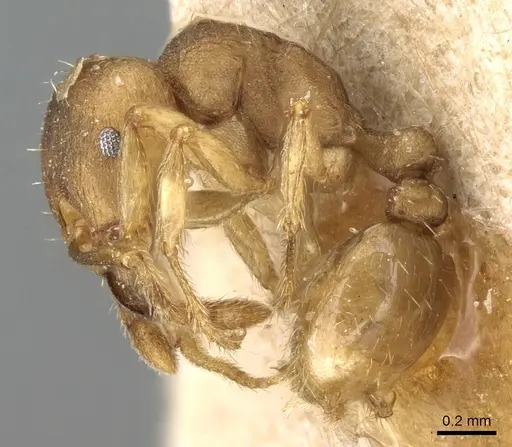
CASENT0281191
View on AntWeb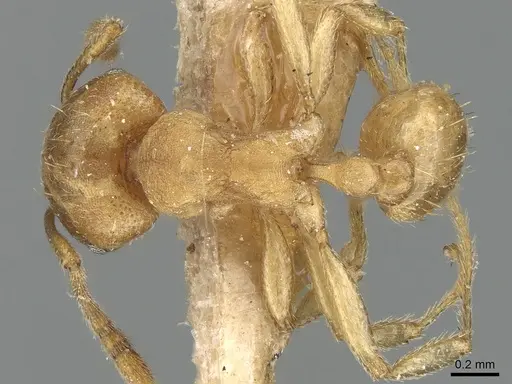
CASENT0365703
View on AntWeb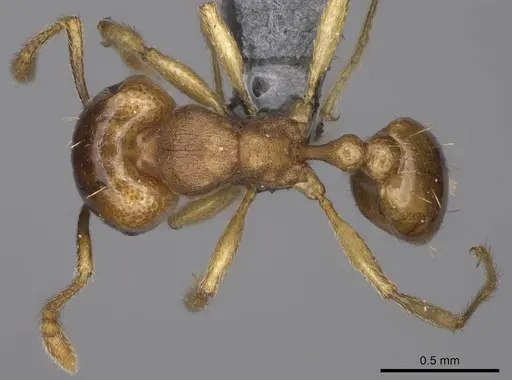
CASENT0901030
View on AntWeb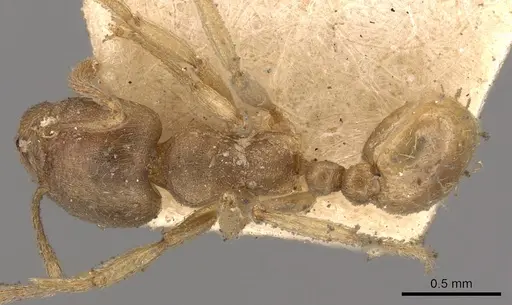
CASENT0909200
View on AntWeb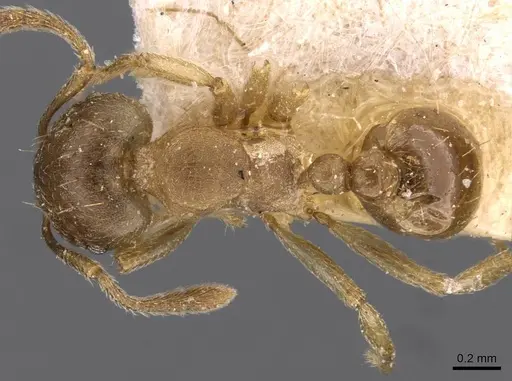
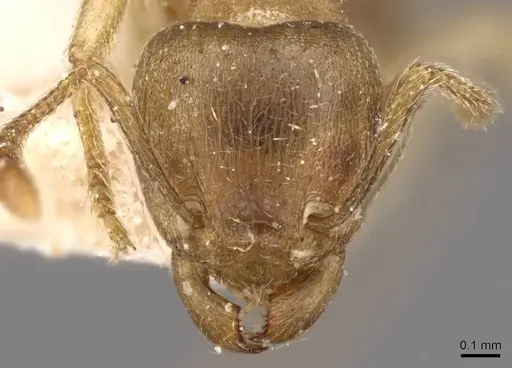
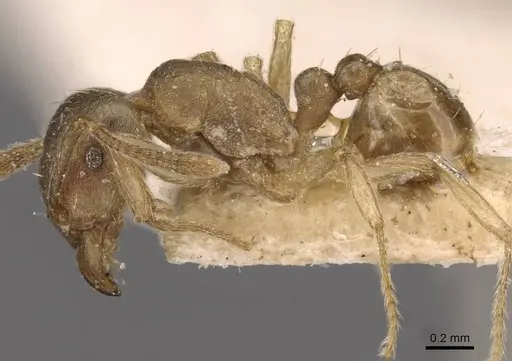
CASENT0913973
View on AntWeb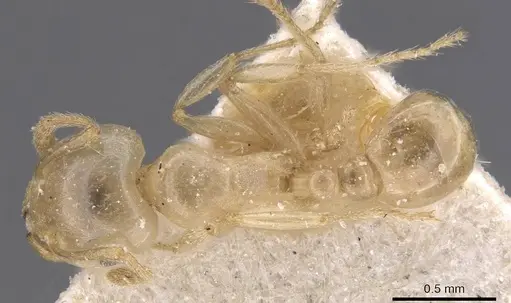
CASENT0914275
View on AntWeb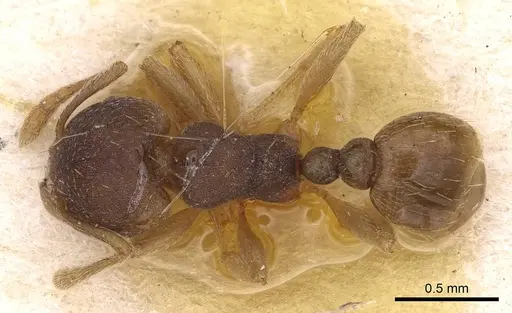
Literature
Loading...Loading products...