

Tetramorium olana
- Scientific Name
- Tetramorium olana
- Tribe
- Crematogastrini
- Subfamily
- Myrmicinae
- Author
- Hita Garcia & Fisher, 2012
- Distribution
- Found in 1 countries
Tetramorium olana Overview
Tetramorium olana is an ant species of the genus Tetramorium. It is primarily documented in 1 countries , including Madagascar. Detailed taxonomic data and occurrence records can be further explored via authoritative databases such as AntWeb or the Global Biodiversity Information Facility (GBIF).
Tetramorium olana
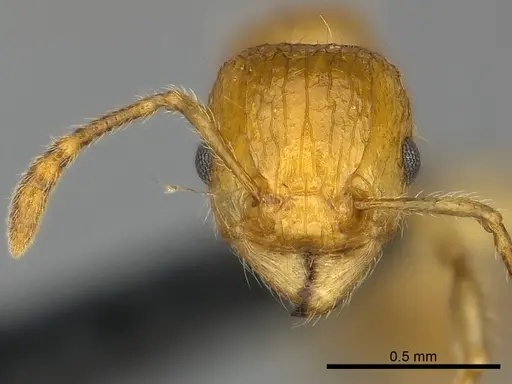
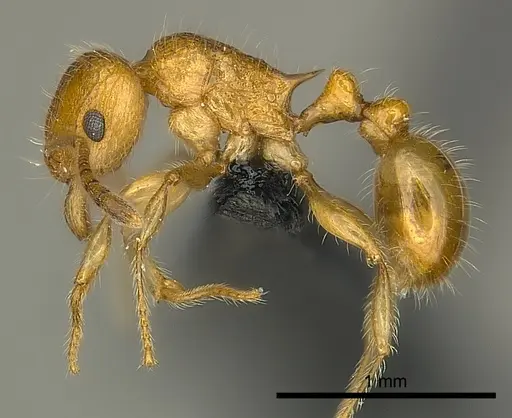
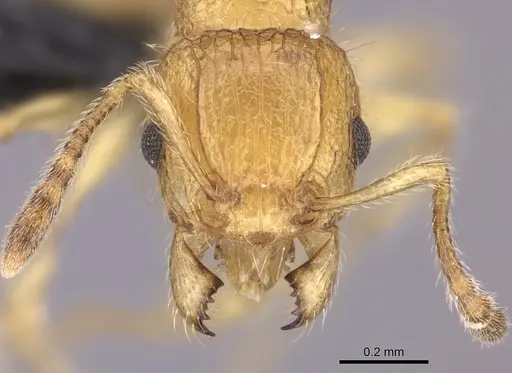
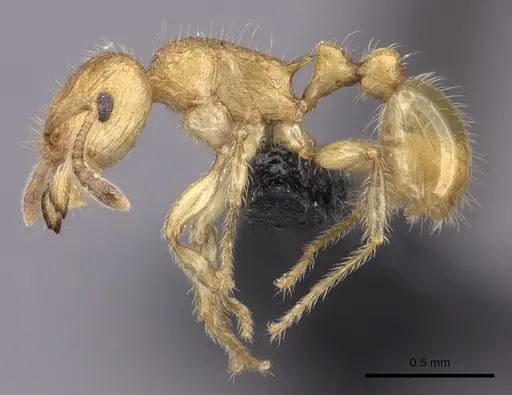
Tetramorium olana is a tiny, yellow to light brown ant species endemic to northern Madagascar. Workers measure just 0.56-0.65mm in head length, making them one of the smaller Tetramorium species [1]. This species belongs to the Tetramorium bonibony species group and is distinguished by its wedge-shaped (cuneiform) petiolar node and uniformly yellow-brown coloration without any distinct markings [1]. The species name 'olana' comes from the Malagasy word for 'problem, ' reflecting the initial taxonomic challenges in distinguishing it from related species [1].
These ants live exclusively in the rainforests of northern Madagascar at elevations between 400-600m, where they forage in leaf litter and the lower vegetation layer [1]. They are known from only three localities: Manongarivo, Ampasindava, and Andavakoera, making them a rare species in the antkeeping hobby [1].
Quick Summary
- Difficulty: Medium
- Origin & Habitat: Northern Madagascar rainforests at 400-600m elevation. Found only in Manongarivo, Ampasindava, and Andavakoera [1]. Lives and forages in leaf litter and lower vegetation [1].
- Colony Type: Colony structure is unconfirmed. Based on typical Tetramorium patterns, likely single-queen (monogyne) colonies.
- Size & Growth:
- Queen: Unknown, not yet described in scientific literature
- Worker: 0.56-0.65mm head length (HL),0.54-0.63mm head width (HW) [1]
- Colony: Unknown, estimated 500-2000 workers based on typical Tetramorium colony sizes
- Growth: Moderate, based on genus patterns
- Development: Estimated 6-10 weeks at optimal temperature based on related Tetramorium species (Direct development data unavailable, estimate based on genus patterns for small Myrmicinae in tropical conditions)
- Antkeeping:
- Temperature: Keep at 22-26°C. As a rainforest species from lowland Madagascar, they prefer warm, stable conditions. Avoid temperatures below 20°C or above 30°C.
- Humidity: High humidity required, aim for 70-85%. These leaf-litter ants need consistently moist substrate. Keep the nest substrate damp but not waterlogged, with some drier areas available.
- Diapause: Unlikely, as a tropical species from Madagascar, they probably do not require a diapause period. Maintain consistent temperatures year-round.
- Nesting: Y-tong (AAC) nests or plaster nests work well. Provide a shallow foraging area with moist substrate. Their small size and leaf-litter habits mean they do well with tight chambers and plenty of hiding spots.
- Behavior: Generally peaceful and non-aggressive. Workers are small and slow-moving, foraging primarily in leaf litter and debris. They are not known to be particularly defensive or to sting. Escape prevention is important due to their tiny size, they can squeeze through standard test tube openings. Use fine mesh barriers and tight-fitting lids.
- Common Issues: escape prevention is critical due to their very small size, standard barriers may not contain them, high humidity requirements can lead to mold problems if ventilation is poor, wild-caught colonies may carry parasites that can devastate captive colonies, slow growth can lead to keeper impatience and overfeeding, causing pest problems, as a recently described species, captive breeding information is limited, be prepared for a learning curve
Natural History and Distribution
Tetramorium olana is endemic to the rainforests of northern Madagascar, known only from three locations: Manongarivo, Ampasindava, and Andavakoera [1]. These sites are all situated at elevations between 400-600 meters in lowland rainforest habitats [1]. The species was formally described in 2012 by Hita Garcia and Fisher, relatively recently in ant taxonomy [1].
In their natural habitat, T. olana forages in leaf litter and the lower vegetation layer, making them part of the 'litter ant' community [1]. This microhabitat is characterized by high humidity, stable temperatures, and abundant organic matter for foraging. The uniform yellow to light brown coloration helps them blend into the forest floor debris where they search for small arthropods and other food sources [1].
For captive care, this means recreating a humid, forest-floor environment is key. A well-humidified setup with plenty of debris and hiding spots will help these ants feel secure.
Housing and Nest Setup
Due to their tiny size (workers are only 0.56-0.65mm), T. olana requires careful escape prevention. Y-tong (AAC) nests or plaster nests work well because they allow you to control humidity levels while providing appropriately scaled chambers [1]. Standard test tubes can be used for founding colonies, but ensure the cotton plug is packed tightly and consider adding a barrier like fluon around the opening.
The foraging area should be shallow and filled with leaf litter, small debris, or artificial plants to give workers plenty of hiding spots and foraging surfaces. These ants are not strong climbers, so vertical space matters less than horizontal floor area. A naturalistic setup with a moist soil layer topped with dead leaves mimics their natural leaf-litter habitat.
Keep the nest substrate consistently moist, these rainforest ants dry out quickly in dry conditions. A water reservoir connected to the nest or regular light misting helps maintain humidity. However, balance this with adequate ventilation to prevent mold buildup.
Feeding and Diet
Like most Tetramorium species, T. olana is omnivorous, feeding on small insects, arthropods, and likely honeydew or nectar in the wild. In captivity, offer small protein sources such as fruit flies, pinhead crickets, small mealworms, and other appropriately sized live prey. Due to their tiny size, prey items should be no larger than a fruit fly.
Sugar sources are generally accepted, you can offer a drop of honey water or sugar water, though acceptance may vary. Given their small size, ensure any liquid food is provided in a way that prevents drowning (on a small piece of cotton or in a shallow dish). Feed small amounts every few days and remove any uneaten food promptly to prevent mold.
Because they forage in leaf litter, these ants are accustomed to finding scattered, small food items. Scattering tiny prey pieces across the foraging area rather than placing a large item in one spot better mimics their natural foraging behavior. [1]
Temperature and Humidity
As a rainforest species from lowland Madagascar, T. olana requires warm and humid conditions. Maintain temperatures between 22-26°C, avoiding drops below 20°C or spikes above 30°C. Room temperature in most homes falls within this range, but monitor with a thermometer.
Humidity should remain high at 70-85%. This is critical for their survival, being leaf-litter ants, they are adapted to consistently moist conditions. The nest substrate should feel damp to the touch, and you should see condensation on the nest walls periodically. A water reservoir connected to the nest helps maintain stable humidity without overwatering.
Avoid placing the colony near air conditioning vents, heaters, or in direct sunlight, as these cause temperature and humidity fluctuations. A stable environment is more important than precise numbers, gradual changes are tolerated better than sudden swings. [1]
Colony Development
The colony structure of T. olana in the wild is not well documented, but based on typical Tetramorium patterns, they likely form single-queen colonies [1]. The queen size has not been described in scientific literature, so founding colonies may be challenging to identify.
Development from egg to worker likely takes 6-10 weeks at optimal temperature, similar to other small Tetramorium species. The first workers (nanitics) will be very small and may take time to establish a stable foraging pattern. Colony growth is typically moderate, expect several months before you see significant population increases.
As a recently described species (2012), there is limited captive breeding information available. Be prepared to adapt your care based on colony response, and document your observations to help build knowledge for this species in captivity.
Frequently Asked Questions
How long does it take for Tetramorium olana to produce first workers?
Based on related Tetramorium species, expect 6-10 weeks from egg to first worker at optimal temperature (22-26°C). This is an estimate since specific development data for this species is not available.
What size colony does Tetramorium olana reach?
Colony size is not documented in scientific literature. Based on typical Tetramorium patterns, expect colonies to reach several hundred to possibly 1000-2000 workers over time with proper care.
Do Tetramorium olana ants sting?
As a Myrmicinae species, they have a stinger, but due to their tiny size and peaceful temperament, they are not considered dangerous. They are unlikely to sting unless directly handled or threatened.
Can I keep multiple Tetramorium olana queens together?
Colony structure is not well documented for this species. Based on typical Tetramorium behavior, single-queen colonies are most likely. Combining unrelated queens is not recommended without evidence they can coexist.
What do Tetramorium olana eat?
They are omnivorous. Offer small live prey (fruit flies, pinhead crickets, small mealworms) and sugar sources (honey water, sugar water). Due to their tiny size, prey should be appropriately small.
Are Tetramorium olana good for beginners?
This species is rated as medium difficulty. Their small size and high humidity requirements make them more challenging than common species like Lasius or Camponotus. Some experience with antkeeping is helpful before attempting this species.
Do Tetramorium olana need hibernation?
As a tropical species from Madagascar, they likely do not require a diapause period. Maintain consistent temperatures year-round. Avoid cooling the colony below 20°C for extended periods.
Why are my Tetramorium olana escaping?
Their tiny size (under 1mm) means they can squeeze through standard barriers. Use fine mesh (0.5mm or smaller), apply fluon to barrier edges, and ensure all openings are tightly sealed. Check seams in formicaria carefully.
When should I move Tetramorium olana to a formicarium?
Wait until the colony has at least 50-100 workers before moving. This species does well in test tube setups for extended periods as long as humidity is maintained. Move when the test tube becomes crowded or the water reservoir is depleted.
References

This caresheet is licensed under CC BY-SA 4.0 .
CASENT0044365
View on AntWeb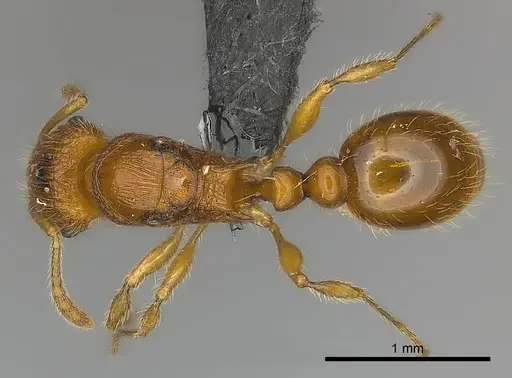
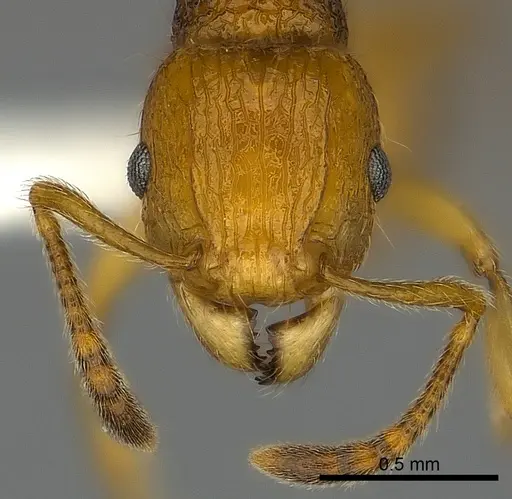
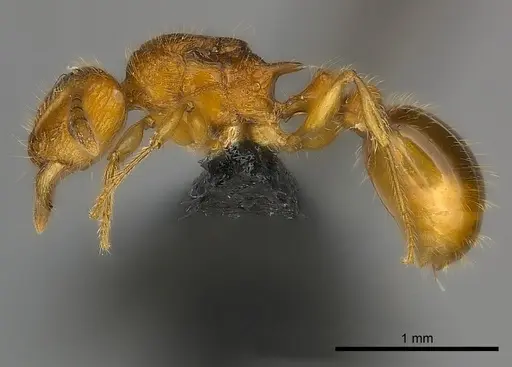
CASENT0044402
View on AntWeb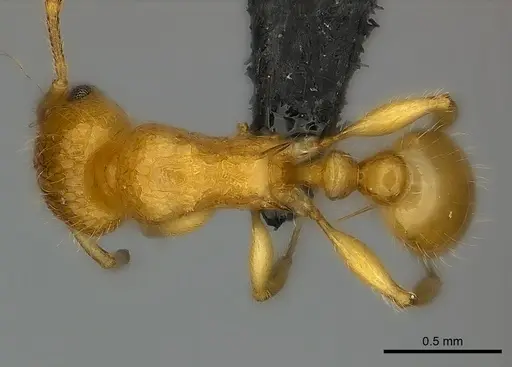
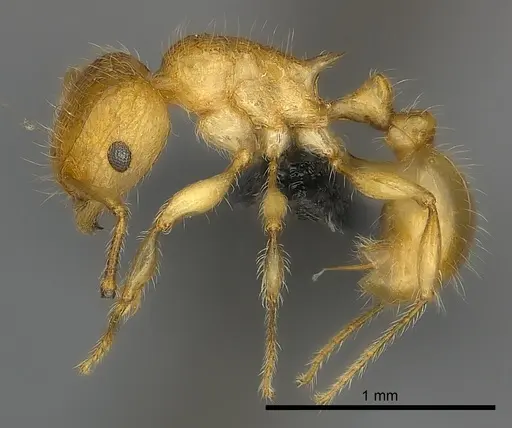
CASENT0044484
View on AntWeb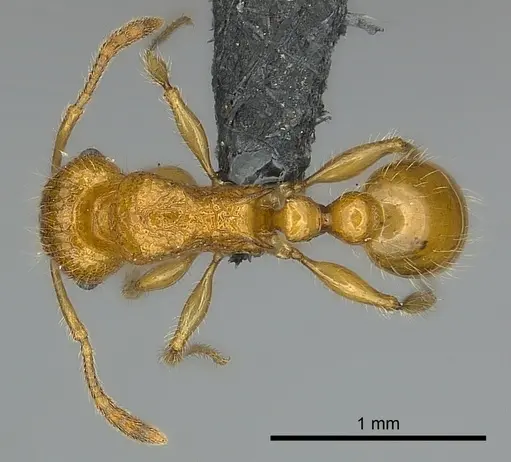
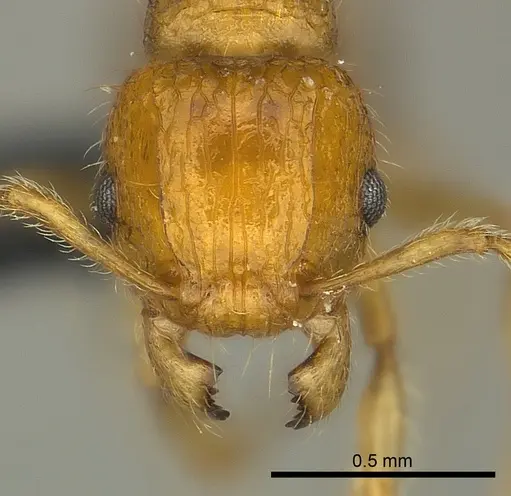
CASENT0044485
View on AntWeb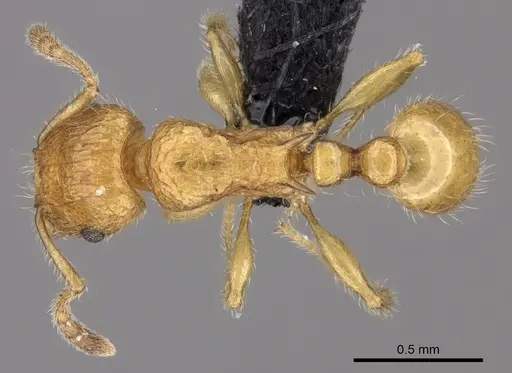
Literature
Loading...Loading products...