

Tetramorium ocothrum
- Scientific Name
- Tetramorium ocothrum
- Tribe
- Crematogastrini
- Subfamily
- Myrmicinae
- Author
- Bolton, 1979
- Distribution
- Found in 1 countries
Tetramorium ocothrum Overview
Tetramorium ocothrum is an ant species of the genus Tetramorium. It is primarily documented in 1 countries , including Malaysia. Detailed taxonomic data and occurrence records can be further explored via authoritative databases such as AntWeb or the Global Biodiversity Information Facility (GBIF).
Tetramorium ocothrum
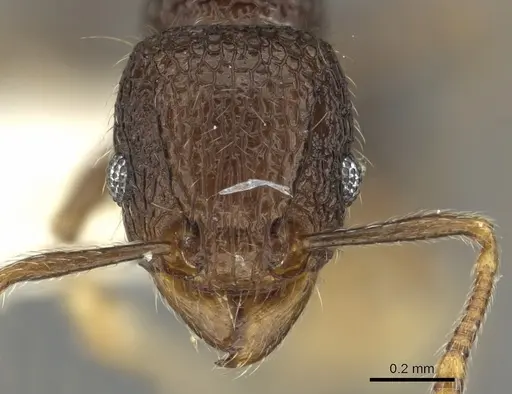
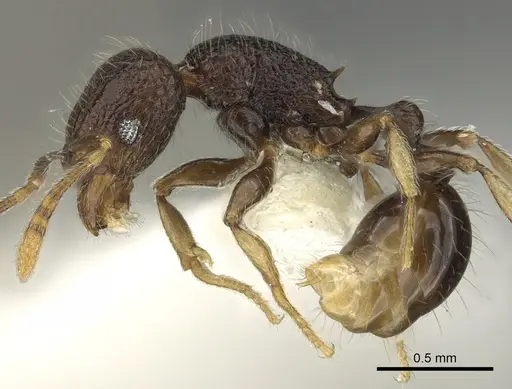
Tetramorium ocothrum is a small ant species native to the Indomalaya region, specifically found in Borneo, Indonesia, and Malaysia [1]. Workers are typical of the genus, small, dark-bodied ants with the characteristic 12-segmented antennae and a two-segmented petiole (the narrow waist section). The original species description was published by Bolton in 1979 based on worker specimens collected from Borneo [1]. This species is part of the Crematogastrini tribe within Myrmicinae, a diverse group containing many of the world's most common ants.
Quick Summary
- Difficulty: Medium
- Origin & Habitat: Borneo, Indonesia, and Malaysia, tropical rainforest environments with high humidity and warm temperatures year-round [1].
- Colony Type: Colony structure is unconfirmed. Based on typical Tetramorium patterns, likely single-queen (monogyne) colonies in the wild, though some related species can form multi-queen colonies.
- Size & Growth:
- Queen: Estimated 6-8mm based on typical Tetramorium queen dimensions
- Worker: Estimated 2.5-4mm based on genus morphology
- Colony: Colonies reach approximately 100-130 workers based on field observations of two wild colonies [2]
- Growth: Moderate, likely 6-10 weeks from egg to first worker at optimal temperature based on typical Tetramorium development
- Development: 6-10 weeks at tropical temperatures (24-28°C) (Development time estimated from related Tetramorium species, specific data for T. ocothrum is not available)
- Antkeeping:
- Temperature: Keep at 24-28°C, these are tropical ants from Borneo and need warm conditions year-round
- Humidity: High humidity preferred (70-85%). Keep the nest substrate consistently moist but not waterlogged. Mist occasionally and provide a water source
- Diapause: No true diapause required, being a tropical species, they do not need hibernation. However, slight temperature reduction during winter months (down to 22°C) may slow activity naturally
- Nesting: In captivity, they do well in test tubes, Y-tong (AAC) nests, or plaster nests. They prefer enclosed spaces with easy access to a foraging area. Provide moist substrate for brood chambers
- Behavior: These are generally peaceful, non-aggressive ants. They are foragers that will readily search for food in the outworld. Workers are small but numerous and will defend the colony if threatened. They have a functional stinger in the Myrmicinae subfamily, though their sting is mild compared to some other ants. Escape prevention is important given their small size, use fine mesh barriers and tight-fitting lids.
- Common Issues: small size means escapes are likely without fine mesh barriers, tropical humidity requirements can lead to mold if ventilation is poor, colonies remain relatively small (under 200 workers) which may disappoint keepers expecting rapid growth, wild-caught colonies may have parasites that affect survival in captivity, overfeeding can lead to mold problems in the nest
Housing and Nest Setup
Tetramorium ocothrum does well in standard ant keeping setups. Test tubes work well for founding colonies, use a water reservoir at one end with a cotton stopper, providing humidity through the tube. Once the colony reaches 20+ workers, you can transition to a Y-tong (AAC) nest or plaster formicarium. These ants prefer enclosed nest chambers with some vertical space for brood stacks. The nest material should retain moisture well, plaster, soil-filled setups, or acrylic nests with water channels all work. Always connect the nest to an outworld (foraging area) using tubing. Because of their small size, use a test tube adapter or small connection ports to prevent escapes.
Feeding and Diet
Like most Tetramorium species, these ants are generalist omnivores. They readily accept sugar sources, offer honey water, sugar water, or diluted maple syrup. For protein, provide small insects like fruit flies, pinhead crickets, mealworms, or bloodworms. They will also collect seeds if available. Feed small amounts 2-3 times per week for growing colonies, removing any uneaten prey after 24 hours to prevent mold. A constant sugar source should be available. Young colonies can be fed a few drops of honey water every few days.
Temperature and Seasonal Care
As a tropical species from Borneo, T. ocothrum needs warm temperatures year-round. Keep the nest area between 24-28°C for optimal brood development. A small heating cable on one side of the nest can create a temperature gradient, allowing ants to self-regulate. Avoid temperatures below 22°C for extended periods. Unlike temperate species, they do not require a winter diapause, they remain active year-round if kept warm. However, slight seasonal temperature fluctuations (winter lows around 22°C, summer highs around 28°C) mimic natural conditions and may support colony health.
Colony Growth Expectations
Colony growth is moderate rather than rapid. Based on the field data showing wild colonies around 100-130 workers [2], you can expect colonies to remain relatively small compared to some other ant species. A well-fed colony may eventually reach 200-300 workers in captivity over 1-2 years. The first workers (nanitics) will appear around 6-10 weeks after founding, depending on temperature. Growth is slower than species like Camponotus or Formica, patience is key. Do not overfeed in an attempt to speed growth, as excess food causes mold issues in small colonies.
Handling and Temperament
These are relatively docile ants that are not particularly aggressive. Workers will flee rather than engage when disturbed, but will defend the nest if necessary. They possess a stinger typical of Myrmicinae, but the sting is mild and rarely felt by humans. The main handling concern is their small size, they can easily slip through gaps in lids or mesh. Use fine mesh (at least 0.5mm) on all ventilation holes and ensure all connections are secure. When observing, do so from above to minimize stress. They are diurnal foragers, most active during daylight hours.
Frequently Asked Questions
How long does it take for Tetramorium ocothrum to produce first workers?
Expect first workers (nanitics) to emerge around 6-10 weeks after the queen lays her first eggs, assuming temperatures around 24-28°C. This timeline is based on typical Tetramorium development patterns, as specific data for this species is not available.
Can I keep Tetramorium ocothrum in a test tube?
Yes, test tubes work well for founding colonies. Use a standard test tube setup with a water reservoir and cotton stopper. Keep the tube in a warm, dark location until workers emerge. Once the colony reaches 30-50 workers, consider moving to a larger nest like a Y-tong or plaster formicarium.
Do Tetramorium ocothrum ants sting?
Yes, they have a functional stinger as part of the Myrmicinae subfamily. However, their sting is mild and rarely noticeable to humans. These ants are not aggressive and will typically flee rather than sting when handled gently.
What do Tetramorium ocothrum eat?
They are generalist omnivores. Offer sugar water, honey, or maple syrup as a constant carbohydrate source. For protein, provide small insects like fruit flies, bloodworms, or tiny mealworms. Feed 2-3 times per week and remove uneaten food promptly.
How big do Tetramorium ocothrum colonies get?
Based on field observations, wild colonies reach approximately 100-130 workers [2]. In captivity with good feeding, colonies may grow slightly larger (200-300 workers), but they remain relatively small compared to many other ant species.
Do Tetramorium ocothrum need hibernation?
No, they do not require hibernation. Being a tropical species from Borneo, they need warm temperatures year-round (24-28°C). A slight temperature reduction in winter months is natural but not required for colony health.
Are Tetramorium ocothrum good for beginners?
They are moderately suitable for beginners. They are small and require attention to escape prevention, but their generalist diet and straightforward care requirements make them manageable. The main challenges are maintaining tropical humidity and accepting that colonies stay relatively small.
When should I move my colony to a formicarium?
Move to a larger nest once the colony reaches 30-50 workers or when the test tube becomes cramped. A Y-tong (AAC) nest or plaster formicarium with moisture retention works well. Make sure the transition is smooth, connect the test tube to the new nest and let the ants move on their own.
Why are my Tetramorium ocothrum dying?
Common causes include: temperatures too low (below 22°C), low humidity causing desiccation, mold from overfeeding or poor ventilation, or stress from excessive disturbance. Check that your setup maintains 24-28°C and 70-85% humidity. Ensure ventilation is adequate to prevent stagnant air while maintaining moisture.
Can I keep multiple queens together?
Combining unrelated queens is not recommended as it often leads to fighting. Based on typical Tetramorium behavior, these ants likely form single-queen colonies. If you have multiple foundresses, house them separately until one establishes a colony.
References

This caresheet is licensed under CC BY-SA 4.0 .
CASENT0901090
View on AntWeb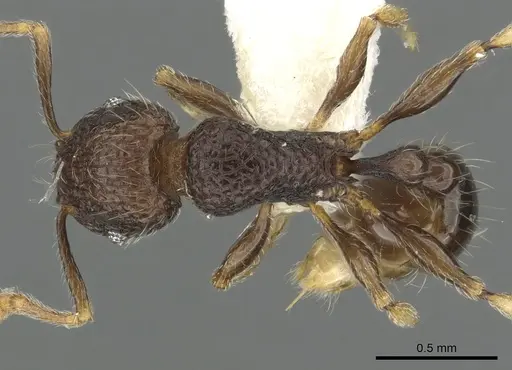
Literature
Loading...Loading products...