

Tetramorium obtusidens
- Scientific Name
- Tetramorium obtusidens
- Tribe
- Crematogastrini
- Subfamily
- Myrmicinae
- Author
- Viehmeyer, 1916
- Distribution
- Found in 1 countries
Tetramorium obtusidens Overview
Tetramorium obtusidens is an ant species of the genus Tetramorium. It is primarily documented in 1 countries , including Singapore. Detailed taxonomic data and occurrence records can be further explored via authoritative databases such as AntWeb or the Global Biodiversity Information Facility (GBIF).
Tetramorium obtusidens - "No widely established common name; belongs to the Tetramorium genus, often generally referred to as Pavement Ants."
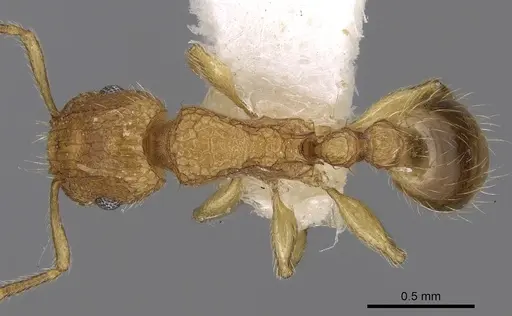
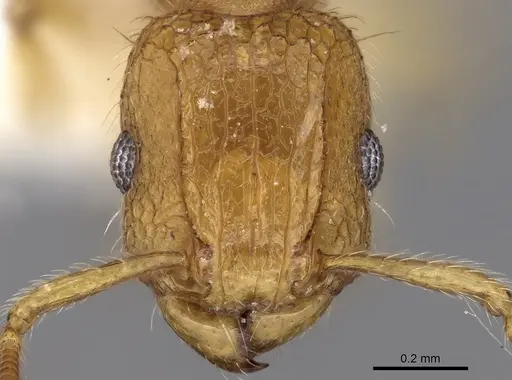
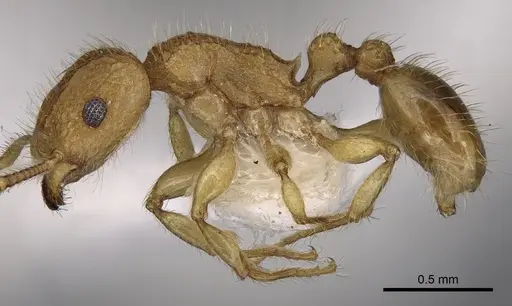
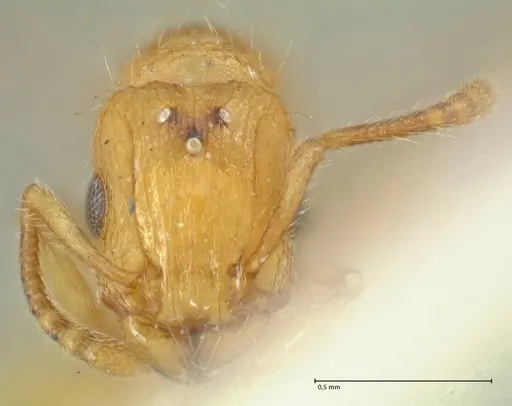
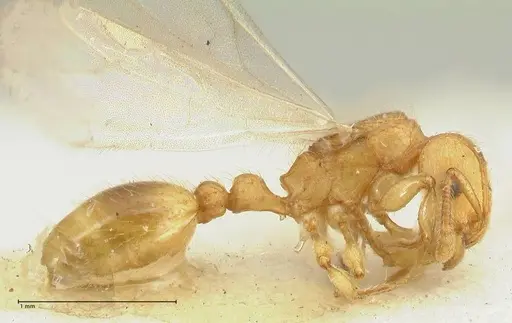
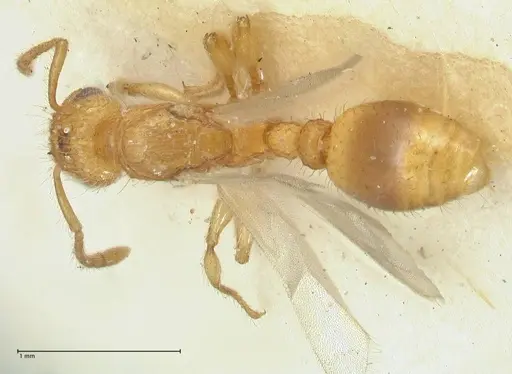
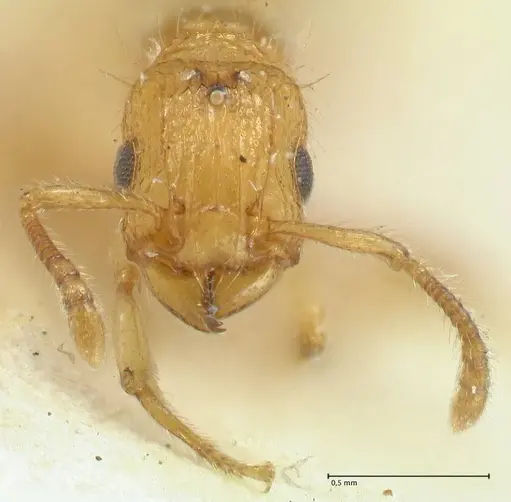
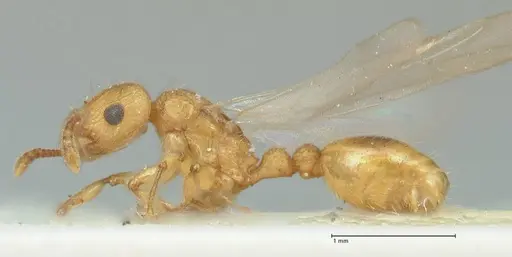
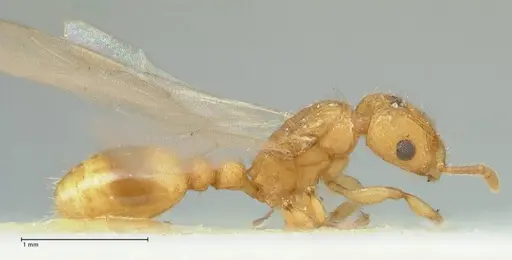
Tetramorium obtusidens is a fascinating, smaller ant species, characterized by its pale yellow coloring and distinct physical features. Workers typically measure between 2.4 and 2.7 mm in length. Their heads exhibit an irregularly longitudinal rugulose pattern, and the alitrunk (thorax) is reticulate-rugulose, notably lacking a raised transverse carina at the promesonotal junction, which helps distinguish them from closely related species. These ants possess abundant, fine, and curved hairs on the dorsal surfaces of their head and body. While often found in natural forest environments, they exhibit behaviors typical of many Tetramorium species, including active foraging and a focus on colony growth.
- Difficulty: Easy to Medium
- Origin & Habitat: Indo-Australian Region (including Borneo, Brunei Darussalam, Indonesia, Malaysia, Philippines, Singapore - type locality) and Palaearctic Region (China). in Associated with primary and mature secondary forests, including disturbed forest fragments in semi-urban settings. Nests are typically found in rotten branches, decaying wood, leaf litter, under stones, and in soil, and have been observed on tree trunks within lowland dipterocarp forests..
- Colony Type: Monogyne or Polygyne (can have single or multiple queens, though monogyny is common in the genus, polygyny is possible in some Tetramorium species)., claustral (the queen seals herself in a chamber to raise her first brood without needing to forage). founding.
- Size & Growth:
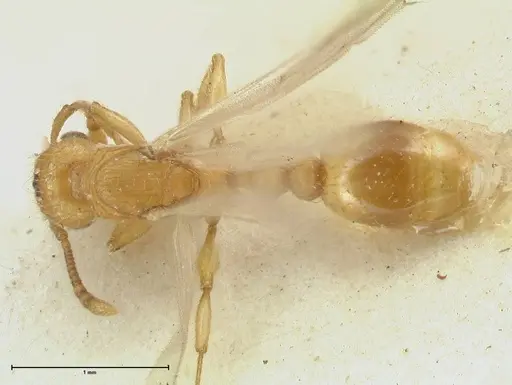
- Queen: 3.5-5mm
- Worker: 2.4-2.7mm
- Colony: Medium to Large (thousands to tens of thousands of workers).. Fast (colonies develop and grow quickly). growth.
- Antkeeping:
- Temperature: Maintain a temperature range of 22-28°C for optimal activity and brood development. They can tolerate room temperature, but a consistent warm environment promotes faster growth..
- Humidity: Aim for medium to low humidity, around 40-60%. A hydration gradient within the nest is beneficial, providing both moister and drier areas..
- Diapause: Required. 3-5 months at 5-10°C.
- Nesting: These ants prefer nesting in setups that mimic their natural habitat, such as soil/sand-clay mixes, or decaying wood. Artificial nests with tighter tunnels and chambers, like acrylic or plaster formicaria, are also well-suited, especially if they allow for a humidity gradient..
- Behavior: Medium (towards handler, High towards other ants/prey) aggressiveness.
- Common Issues: Mold in nest, Mites, Colony stalling, Overfeeding leading to waste, Humidity fluctuations, Queen stress.
One key aspect of keeping Tetramorium obtusidens is understanding their dietary needs. Like many Myrmicinae, they are omnivorous with a particular fondness for both insect proteins and sugary liquids. You'll find them eagerly accepting common feeder insects like mealworms, crickets, or fruit flies, which are crucial for the queen's egg production and larval development. Additionally, offering sugary treats such as diluted honey or sugar water will provide much-needed energy for the active workers and overall colony vitality. Some Tetramorium species also enjoy small seeds, which can be a great supplemental food source, offering both carbohydrates and protein.
Setting up the right habitat is crucial for a thriving Tetramorium obtusidens colony. While they naturally nest in diverse environments from soil to decaying wood, they adapt well to various artificial setups. Consider a formicarium that allows for a hydration gradient, meaning some areas are more humid than others. This mimics their natural nests and allows the ants to choose the ideal moisture level for different stages of their brood. Tighter tunnels and chambers are generally preferred, giving these small ants a sense of security and efficient space utilization.
These ants are known for their impressive foraging and recruitment abilities. Once a food source is discovered, expect to see a rapid and coordinated response from the colony, with workers quickly forming a cohesive trail to bring resources back to the nest. This active foraging behavior makes them quite engaging to observe. Ensuring a clean outworld and regular removal of waste will help maintain a healthy environment for your colony and prevent common issues like mold or mites.
Diapause, or a cool hibernation period, is an important requirement for many temperate ant species, including Tetramorium obtusidens. Providing a cool down period, typically from late autumn through late winter, is vital for the queen's long-term health and the overall well-being of the colony. During this time, the queen will stop laying eggs, allowing her to rest and prepare for the next breeding cycle. Maintaining a cool, stable temperature within the recommended range is key to a successful diapause.
Frequently Asked Questions
What kind of nest setup is best for Tetramorium obtusidens?
For Tetramorium obtusidens, a formicarium that allows for a hydration gradient is ideal. Think about a setup with both moister and drier sections, whether it's an acrylic nest with a hydration system, a plaster nest, or a natural soil/sand-clay mix setup. They appreciate tighter tunnels and chambers, so ensure the nest design caters to their smaller size.
What do Tetramorium obtusidens ants eat?
Tetramorium obtusidens are omnivores, thriving on a diverse diet. Offer them insect proteins like small crickets, mealworms, or fruit flies for their queen and growing brood. For energy, provide sugary liquids such as diluted honey or sugar water. Some Tetramorium species also enjoy small seeds, which can be a valuable addition to their diet.
Do Tetramorium obtusidens need to hibernate?
Yes, like many temperate Tetramorium species, Tetramorium obtusidens benefits greatly from a diapause period. This cool down, typically from 3 to 5 months during colder parts of the year, is essential for the queen's health and helps ensure the colony's long-term vitality.
How fast do Tetramorium obtusidens colonies grow?
Tetramorium obtusidens colonies are known for their fast growth rate. Once established, you can expect to see rapid development, with workers emerging from egg to adult in about 6 to 9 weeks under optimal conditions. This makes them a very rewarding species to observe.
Are Tetramorium obtusidens aggressive?
Towards prey and rival ant colonies, yes, they can be quite aggressive and will readily defend their territory and food sources. However, they are generally not aggressive towards handlers and are considered harmless to humans, making them suitable for antkeeping.
What temperature and humidity do Tetramorium obtusidens need?
Maintain a temperature range of 22-28°C for optimal activity. As for humidity, they prefer a medium to low range, roughly 40-60%. Providing a humidity gradient within their nest allows them to self-regulate and find the perfect spot for their brood.
Can I keep multiple queens of Tetramorium obtusidens together?
While the Tetramorium genus often features monogynous (single queen) colonies, some species within the genus, including related Tetramorium species, can be polygynous, meaning they accept multiple queens. If you've found queens together, there's a possibility for pleometrosis (multiple queens starting a colony together), but success can vary.
What are common issues when keeping Tetramorium obtusidens?
Common challenges can include mold growth in the nest, especially if humidity is too high or ventilation is poor. Mites can also be a concern, so good hygiene is key. Colony stalling can occur if conditions aren't optimal or if diapause requirements aren't met. Overfeeding can lead to food waste and potential pest issues. Consistent humidity and temperature are vital to prevent stress.
Do Tetramorium obtusidens workers sting?
Yes, Tetramorium workers do possess a small stinger, which they primarily use to immobilize their prey. While their sting is generally harmless to humans, it can be felt.
What is the size of a Tetramorium obtusidens queen and workers?
Workers of Tetramorium obtusidens are quite small, typically measuring between 2.4 and 2.7 mm in length. Queens are larger, usually ranging from 3.5 to 5 mm, though specific measurements for T. obtusidens queens are less documented compared to workers.

This caresheet is licensed under CC BY-SA 4.0 .
Literature
Loading...Loading products...