

Tetramorium noeli
- Scientific Name
- Tetramorium noeli
- Tribe
- Crematogastrini
- Subfamily
- Myrmicinae
- Author
- Hita Garcia & Fisher, 2012
- Distribution
- Found in 2 countries
Tetramorium noeli Overview
Tetramorium noeli is an ant species of the genus Tetramorium. It is primarily documented in 2 countries , including Madagascar, Yemen. Detailed taxonomic data and occurrence records can be further explored via authoritative databases such as AntWeb or the Global Biodiversity Information Facility (GBIF).
Tetramorium noeli
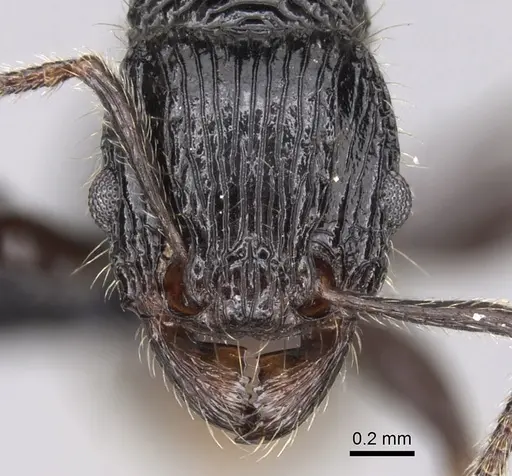
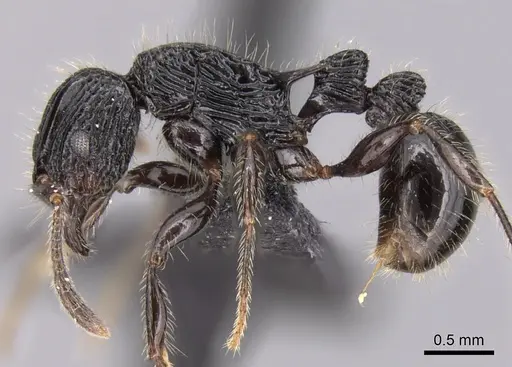
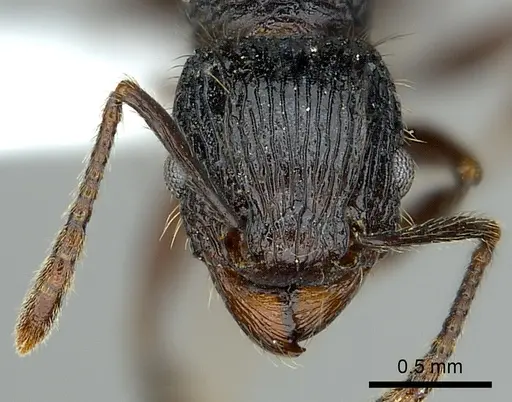
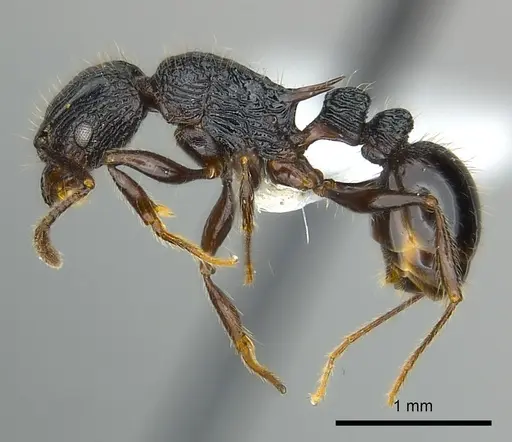
Tetramorium noeli is a small, dark ant species native to the tropical forests of northeastern Madagascar. Workers measure around 3-4mm in total length with a distinctive appearance featuring a head that is longer than wide, very long propodeal spines, and a uniform very dark brown to black coloration [1]. This species belongs to the Tetramorium tortuosum species group and is known primarily from rainforest leaf litter collections in the Ambanitaza to Montagne des Français region [1]. The species was described in 2012 by Hita Garcia and Fisher and is named after Noel Hita Garcia. These ants are leaf litter inhabitants, meaning they naturally live in the damp, decomposing material on the forest floor where they forage and build their nests among the undergrowth [1].
Quick Summary
- Difficulty: Medium
- Origin & Habitat: Northeastern Madagascar, specifically the tropical dry forests and rainforests from Ambanitaza north to Montagne des Français. Type locality is Forêt de Binara near Daraina at 800m elevation in rainforest [1].
- Colony Type: Colony structure is unconfirmed. Based on typical Tetramorium patterns, likely single-queen colonies, but this has not been directly documented for this species.
- Size & Growth:
- Queen: Unconfirmed, no queen measurements available. Estimated 6-8mm based on genus patterns.
- Worker: Workers are 3-4mm total length (HL 0.85-1.00mm, WL 1.11-1.44mm) [1].
- Colony: Unknown, no colony size data available. Likely under 500 workers based on typical leaf litter Tetramorium patterns.
- Growth: Moderate, inferred from tropical forest floor species patterns.
- Development: Estimated 5-8 weeks at optimal tropical temperatures (25-28°C). This is based on typical Myrmicinae development in warm conditions [1]. (Development time is estimated based on genus patterns since specific data is not available for this species.)
- Antkeeping:
- Temperature: Keep nest area at 24-28°C. These are tropical rainforest ants requiring warm, stable temperatures. A heating cable on one side of the nest can create a gentle gradient if room temperature is below this range.
- Humidity: High humidity is essential, aim for 70-80% relative humidity. Keep the nest substrate consistently moist but not waterlogged. These leaf litter ants thrive in damp conditions similar to the rainforest floor.
- Diapause: No, as a tropical species from Madagascar, they do not require hibernation or winter dormancy. Maintain consistent temperatures year-round.
- Nesting: Y-tong (AAC) nests work well for this species. The chambers should be appropriately scaled to their small worker size. Plaster or acrylic nests with good moisture retention also work. Provide a moist nesting environment with some dry areas available for the ants to regulate their own humidity.
- Behavior: These are relatively docile ants with no significant sting. Workers are small but not particularly aggressive. They are generalist foragers that likely collect seeds, small insects, and honeydew in the wild. Escape prevention should be moderate, their small size means they can fit through small gaps, but they are not known escape artists like some tiny species. Workers are active foragers in the leaf litter layer.
- Common Issues: high humidity management is critical, too dry and colonies will fail, too wet and mold becomes a problem, tropical species are sensitive to temperature drops, keep away from cold windows or air conditioning, small worker size means escape prevention should be adequate, though not as critical as for minute ants, limited availability in the antkeeping hobby since they are rarely collected, colony growth may be slow, patience is required during the founding stage
Housing and Nest Setup
Tetramorium noeli does well in Y-tong (AAC) nests or acrylic formicariums designed for small Myrmicinae species. The chambers should be appropriately scaled, these are small ants, so overly large spaces can make them feel insecure. Because they are leaf litter inhabitants from rainforest environments, they need good moisture retention in the nest. A test tube setup can work for founding colonies, but transition to a proper nest once the colony reaches 20-30 workers. The outworld should include substrate or a water feeder since these ants naturally forage on the forest floor. Use a shallow water dish or cotton ball with sugar water to prevent drowning. Escape prevention should be moderate, apply fluon to the rim of the formicarium and ensure all connections are secure [1].
Feeding and Diet
Like other Tetramorium species, T. noeli is likely a generalist omnivore. Offer a varied diet including protein sources (small insects like fruit flies, pinhead crickets, or mealworms) and sugar sources (honey water, sugar water, or diluted honey). In the wild, leaf litter ants often collect small seeds, honeydew from aphids, and various small arthropods. Feed protein 2-3 times per week and provide constant access to sugar water. Remove uneaten prey after 24-48 hours to prevent mold. Since this is a newly described species with limited data, acceptance of various foods may need to be experimentally determined [1].
Temperature and Humidity
Maintain temperatures of 24-28°C in the nest area. These tropical rainforest ants need warmth to thrive and develop brood properly. Use a heating cable or mat on one side of the nest to create a temperature gradient if needed, but always provide unheated areas so ants can regulate their own temperature. Humidity should be high, 70-80% relative humidity is ideal. The nest substrate should remain consistently moist. Mist the nest occasionally if using a setup that allows for evaporation, but avoid standing water. Good ventilation helps prevent mold while maintaining humidity. Monitor for condensation, which indicates humidity is adequate [1].
Colony Development and Growth
Colony growth for Tetramorium noeli is expected to be moderate. The founding stage may take several months before the first workers (nanitics) emerge, as the queen must raise her first brood alone. Once the colony establishes, growth typically accelerates. Based on typical Myrmicinae development in tropical conditions, expect 5-8 weeks from egg to first worker at optimal temperatures. Colonies likely reach several hundred workers over time, though exact maximum size is unknown. Be patient during the founding stage, disturbing the queen or moving the nest too early can cause colony failure. Do not check on the founding chamber too frequently, as this causes stress [1].
Behavior and Temperament
Tetramorium noeli workers are small, dark ants with notably long propodeal spines, a distinctive morphological feature. They are not aggressive and pose no significant threat to keepers. Workers are active foragers that will search out food across the outworld. Their small size means they are not strong climbers, but they can still escape through small gaps if escape prevention is inadequate. The species is docile and suitable for observation. They do not have a functional stinger like some Myrmicinae, they may bite if threatened but this is not painful or dangerous to humans. Their natural behavior involves foraging in leaf litter, so they appreciate cluttered outworlds with hiding spots and foraging opportunities [1].
Frequently Asked Questions
How long does it take for Tetramorium noeli to produce first workers?
Based on typical Myrmicinae development in tropical conditions, expect 5-8 weeks from egg to first worker at optimal temperatures (24-28°C). The exact timeline is unconfirmed for this species but estimates based on genus patterns suggest this range [1].
What temperature do Tetramorium noeli ants need?
Keep them at 24-28°C. These are tropical rainforest ants from Madagascar requiring warm, stable temperatures. A heating cable on one side of the nest can help maintain these conditions [1].
Do Tetramorium noeli ants need hibernation?
No. As a tropical species from Madagascar, they do not require hibernation or diapause. Maintain consistent temperatures year-round without seasonal drops [1].
How big do Tetramorium noeli colonies get?
The maximum colony size is unknown, but based on typical leaf litter Tetramorium species, colonies likely reach several hundred workers. This species is relatively newly described and limited colony data is available [1].
Are Tetramorium noeli ants good for beginners?
This species is rated as medium difficulty. While not the easiest species for beginners, their relatively docile nature and manageable care requirements make them suitable for intermediate antkeepers who can maintain high humidity and warm temperatures [1].
What do Tetramorium noeli ants eat?
They are generalist omnivores. Offer protein sources like small insects (fruit flies, pinhead crickets, mealworms) and sugar sources (honey water, sugar water). They likely also collect seeds and honeydew in the wild [1].
Can I keep multiple Tetramorium noeli queens together?
The colony structure is unconfirmed for this species. Based on typical Tetramorium patterns, they likely form single-queen colonies. Combining unrelated queens is not recommended as it has not been documented for this species [1].
Do Tetramorium noeli ants sting?
They are not significant stingers. While they have propodeal spines, these are primarily for defense against other ants rather than for stinging humans. They may bite if threatened but this is not dangerous [1].
What humidity level do Tetramorium noeli ants need?
High humidity is essential, aim for 70-80% relative humidity. Keep the nest substrate consistently moist but not waterlogged. These rainforest leaf litter ants need damp conditions to thrive [1].
Where is Tetramorium noeli found in the wild?
They are native to northeastern Madagascar, found in tropical dry forests and rainforests from Ambanitaza to Montagne des Français. They live as leaf litter inhabitants in the forest floor layer [1].
References

This caresheet is licensed under CC BY-SA 4.0 .
CASENT0043554
View on AntWeb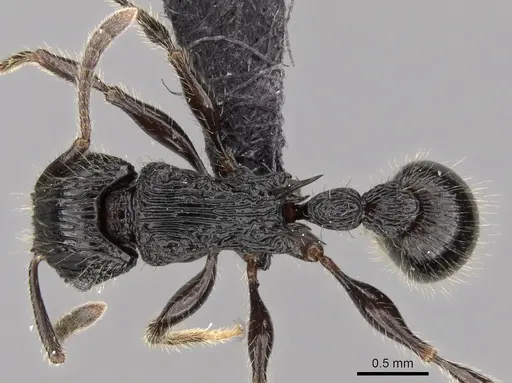
CASENT0404347
View on AntWeb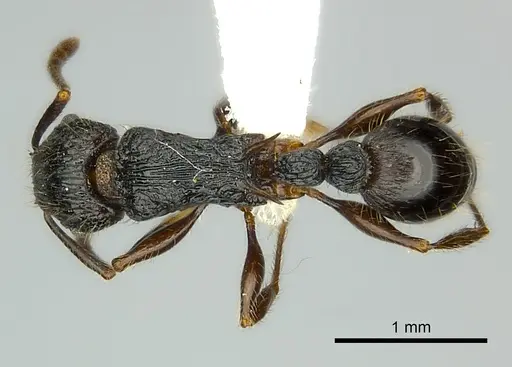
Literature
Loading...Loading products...